

Lifestyle
THE WORLD UNITES FOR ORPHAN PETS
10th Annual Remember Me Thursday® Campaign Honored with Virtual Meeting Between Animal-Loving Countries Across the Globe…

Last Updated on June 9, 2024 by Daily News Staff
10th Annual Remember Me Thursday® Campaign Honored with Virtual Meeting Between Animal-Loving Countries Across the Globe…
RANCHO SANTA FE /PRNewswire/ — Helen Woodward Animal Center invites animal-lovers everywhere to participate in the global event for Remember Me Thursday® (RMT), a worldwide pet adoption awareness campaign now in its 10th year. In addition to the actions animal-lovers can take via social media, participants are invited to a virtual event uniting animal advocates from locations as far away as Poland, Bulgaria, Estonia, Panama, New York, North Carolina, and the United Kingdom, via video chat, to simultaneously light up the world for orphan pets.
RMT was established in 2013 by Helen Woodward Animal Center President and CEO Mike Arms. Moved by the staggering statistics that over a million homeless pets lose their lives each year in the U.S., Arms put out a call to rescue organizations in an attempt to create a social media global awareness campaign. As creator of the International Pet Adoptathon and the International Home 4 the Holidays® program (placing over 19 million pets in homes since 1999), he was able to send out an expansive request and the response was significant.

“We understand that not everyone is in the position to adopt a pet,” explained Arms, “but we also know that anyone who loves animals and is tapped into social media has the ability to share a message of support. By uniting all of these social media voices on one day, we can make a larger impact and really affect change.”
Now in its tenth year, RMT has been supported by 190 countries with hundreds of thousands of individuals and more than 1,000 separate animal welfare organizations around the globe holding candle-lighting ceremonies of their own, spreading the message on social media, or lighting a virtual candle. The enormous swell of celebrity support includes this year’s spokesperson Jasmine Tookes, as well as stars such as Kristin Chenoweth, Carrie Ann Inaba, Katherine Heigl, Rick Springfield, Wynonna Judd, Bethenny Frankel, George Lopez, along with dozens of athletes, designers, musicians, and social media influencers. With over 100 luminaries onboard, the star power behind the campaign has resulted in the topic trending each year on both Facebook and Twitter, garnering more than 2 billion social media impressions since its start.
Today’s Remember Me Thursday® virtual event will unite representatives from rescue organizations across the globe to share the state of animal welfare in their area and highlight how they are commemorating the pet adoption awareness campaign. The ceremony will also include words from RMT founder and Center President and CEO Mike Arms, a reading of the official RMT poem and a presentation of the RMT Rescue Pet Hero award. The event will end with a heartfelt candle lighting in remembrance of the millions of orphan pets still waiting in shelters for their own forever homes.
The very special international RMT Zoom call and ceremony will be available online for the animal-loving public to watch. Those who wish to watch can click here. The public can also get involved by tweeting, tagging, posting and sharing the beauty and life-saving significance of pet adoption using the hashtags #RememberMeThursday and #SeeTheLight and tagging @hwac.
Animal-lovers can also win life-saving funds, toys and food for adoptable pets looking for forever families at their favorite non-profit, pet adoption organization. To enter the Remember Me Thursday Social Media Contest, simply upload your rescue pet’s photo and story to the #RememberMeThursday Photo Wall for a chance to win!* (*Restrictions apply. Final selection remains at the sole discretion of Helen Woodward Animal Center).
For more information on Remember Me Thursday® and a full list of participating celebrities and animal welfare organizations, go to www.remembermethursday.org.
SOURCE Helen Woodward Animal Center
https://stmdailynews.com/category/lifestyle/pets 


home gardening
Beyond the Leaf Pile: 4 Tips for Autumn Lawn Care
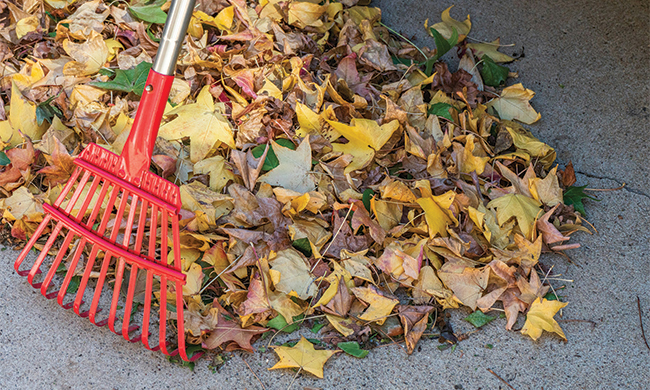
4 Tips for Autumn Lawn Care: Many people associate fall yardwork with raking up the crispy, colorful leaves that have drifted down from surrounding trees. Don’t let that be the only task on your outdoor agenda, however, because this season is also an opportunity to improve the overall health of your lawn so it’s ready to thrive once spring arrives.
Beyond the Leaf Pile: 4 Tips for Autumn Lawn Care
(Feature Impact) Many people associate fall yardwork with raking up the crispy, colorful leaves that have drifted down from surrounding trees. Don’t let that be the only task on your outdoor agenda, however, because this season is also an opportunity to improve the overall health of your lawn so it’s ready to thrive once spring arrives.
Start with these autumn lawn care tips:
- Continue Mowing
As long as the grass keeps growing, homeowners should keep mowing – with a couple of smart seasonal adjustments. First, lower the mower height for your final two cuts so the grass isn’t too tall going into winter. Second, instead of raking all the leaves up beforehand, think about leaving a layer on the lawn so the mower can shred them and effectively turn them into mulch, returning their nutrients to the soil.
- Fertilize the Lawn
Especially if you grow cool-weather grass varieties like rye or fescue, feeding your lawn can actually be most effective in the fall. Fertilizer helps nourish the roots of your grass, strengthening it through the winter and preparing it to grow lush and green in the spring and summer. Aim to feed it once in the beginning of the season then again 6-8 weeks later or according to the recommended schedule for your region.
- Battle Stubborn Weeds
If you’ve been dealing with perennial weeds throughout the summer, fall could mean your chance to get rid of them once and for all. Weeds absorb herbicides readily on days with moderate temperatures and moist soil, so this task might be well-timed after some autumn rain has fallen.
- Add Grass Seed to Thin Spots
Whether you have bare patches on your lawn or areas of thinning grass, fall is the best time to seed cool-season lawns. (Skip this tip if you live in the South and have a warm-season lawn.) At least six weeks before the first hard frost in your area, spread grass seed over the areas you want to replenish or thicken then keep the lawn consistently watered until it germinates. Aerating the soil first can help the seed take root.
Find more seasonal home and garden tips by visiting eLivingtoday.com.
Photo courtesy of Unsplash
SOURCE:
Lifestyle
7 Fire Prevention Tips to Protect Your Home and Community
7 Fire Prevention Tips: Fires can be devastating, but many of them are preventable with simple precautions and smart everyday choices. Consider these tips to reduce the risk of fires and keep your household, family and community safe.

7 Fire Prevention Tips to Protect Your Home and Community
(Feature Impact) In observance of National Fire Prevention Month, it’s a good time to review your fire safety habits at home and in your neighborhood. Fires can be devastating, but many of them are preventable with simple precautions and smart everyday choices.
Consider these tips to reduce the risk of fires and keep your household, family and community safe.
Test Your Smoke Alarms
Smoke detectors are one of the simplest yet most important tools for protecting your home, loudly alerting you to potential danger at any time of the day or night. Test them monthly, follow manufacturer’s instructions for replacement and change batteries as needed.
Heat Your Home Safely
Depending on how you heat your home, there can be different hazards to remain aware of. Never leave fireplaces unattended when in use and have them inspected and maintained as recommended by a trained professional. If you use portable heaters, keep them at least three feet away from curtains, bedding, furniture and other flammable materials.
Prevent Electrical Fires
Frayed cords, damaged outlets or overloaded appliances can pose real danger to your home when they overheat or spark. Particularly if you live in an older home or have outdated appliances, keep an eye out for warning signs like tripped circuit breakers, malfunctioning devices or the smell of burning. If you’re concerned, have your system inspected by a qualified electrician.
Store Flammable Objects Carefully
Keeping matches and lighters out of reach of children is always a smart first step for household fire safety. Also follow safe storage practices for items like lighter fluid, propane, aerosol cans and other household products that could potentially ignite when exposed to heat or a stray spark.
Practice Smart Kitchen and Grill Habits
From sparks flying off the grill to hot oil forgotten in the frying pan, cooking is the leading cause of household fires. Stay attentive in the kitchen, never leave cooking food unattended and avoid setting combustible materials like paper plates or fabric towels too close to a stove or grill. Also keep your appliances cleaned and well-maintained.
Plan Your Escape Route
Fires can spread quickly, which is why it’s important for everyone in your household to know the plan (and backup plan) for safely exiting different areas of the house during an emergency. Decide on a specific meeting place outside and practice quick fire drills together to build muscle memory.
Observe Local Fire Safety Rules
Where you live determines what kinds of fire risks affect your community, so make sure you stay informed about local regulations. For instance, areas prone to drought or wildfire may have rules about outdoor burning, and local fire prevention ordinances may outline specific requirements for smoke alarms in your home.
Find more home safety tips at eLivingtoday.com.
Photo courtesy of Shutterstock
SOURCE:
eLivingtoday.com
home improvement
5 Simple Steps to Prepare Before Disaster Strikes
Disaster preparedness doesn’t have to be expensive or complicated. It’s all about the small, simple steps you can take to protect yourself, your family and your community.

(Feature Impact) Disaster preparedness doesn’t have to be expensive or complicated. It’s all about the small, simple steps you can take to protect yourself, your family and your community.
Yet, as severe weather becomes more frequent, many people aren’t prepared for the impact.
New research from United Way Worldwide and Verizon revealed that although 60% of U.S. adults are concerned a natural disaster could affect their household in the next year, only 15% would feel very prepared for one.
While many people understand the risks, they face real barriers to preparation. Cost remains the primary obstacle to disaster preparedness with 45% of those surveyed naming it as the top barrier. In addition to cost, lack of time (25%) and not knowing where to start (28%) prevented people from taking action.
That’s why preparedness should be practical and affordable.
For example, the United Way’s United We Prepare initiative, supported by Verizon, offers free disaster preparedness workshops, emergency kit distribution, information on local emergency services and practical guidance to help people plan and be ready to weather a storm.
When individuals and families are better prepared, communities are more resilient. Get started with these simple, zero-cost steps:
 Identify Key Emergency Contacts
Choose a relative or friend outside of your immediate community who can act as a central check-in point or offer shelter during an emergency. Also, take a few moments to create updated digital and physical emergency contact lists with names, phone numbers and addresses of loved ones as well as service and healthcare providers.
Enable Local Alerts
Identify trusted local emergency services and news that can provide weather and emergency information. Turn on wireless emergency alerts in your phone settings, bookmark local news weather pages and save other important website links to ensure you’re in-the-know when disasters strike.
Build a Support System
Before severe weather, touch base with at least two neighbors or family members to identify what help they may need (or what assistance they can provide) and create a plan for checking in with each other in the event of an emergency.
Plan for Special Needs
It’s easiest to make clear-headed decisions before you’re stressed and rushing in the heat of the moment, so sit down and sketch out basic plans for special needs related to transportation, prescriptions, caregiving and pets before severe weather arrives. Decide where you would meet if separated, how to get there if transportation is disrupted, who would pick up children or take care of pets, what health needs or medications need to be considered and more.
Save Key Information and Documents Digitally
During a crisis, you likely won’t have time to search filing cabinets, desks and glove compartments for important documentation. Take photos or make digital copies of identification documents, insurance information, medical cards, prescription details, important household records and other key documents to access if you need to leave home quickly. For insurance purposes, it may also be helpful to take a video of your property and valuable belongings in your home in case they’re damaged or ruined.
The goal isn’t to do everything at once; it’s to start. An hour spent making connections, gathering information and talking through a plan today can make it easier to act when time matters most.
For more simple preparedness tips and resources, visit UnitedWePrepare.org.
Test Your Disaster Preparedness Knowledge
Take the quiz at UnitedWePrepare.org to test your knowledge on 10 disaster preparedness questions customized to your area, such as:
- What should you include in a winter emergency supply kit for your car?
- What is the difference between a Tornado Watch and Tornado Warning?
- When should you evacuate during a wildfire?
- Why is it important to prepare for disasters?
Photo courtesy of Shutterstock (preparation supplies)
SOURCE:





