

Lifestyle
VRBO ANNOUNCES THE 2024 US VACATION RENTALS OF THE YEAR

AUSTIN, Texas, March 20, 2024 /PRNewswire/ — Today Vrbo® unveiled its 2024 Vacation Rentals of the Year in the U.S., which feature the most remarkable private vacation rentals across the country as well as a bonus property in Mexico, a popular international destination for U.S. travelers.
Experience the full interactive Multichannel News Release here: https://www.multivu.com/players/English/9179054-vrbo-unveils-2024-us-vacation-rentals-of-the-year/ 
This year’s Vacation Rentals of the Year list recognizes some of the most gorgeous waterfront homes, stunning cabin escapes and modern city stays in destinations including Sedona, Arizona; Austin, Texas; Inlet Beach, Florida and Blue Ridge, Georgia. The properties also include trending outdoor amenities that are inspiring travelers’ booking habits in 2024. Across the board, the homes offer:
- Six heated pools, three of which are infinity pools
- Eight hot tubs
- Three outdoor sport courts for basketball, tennis and pickleball
- Five fire pits
- Three saunas
- Six game rooms with ping pong, foosball, billiards, air hockey and shuffleboard
- Four indoor gyms, including one yoga studio
- Unique amenities including a wine cave, a vineyard and an in-ground trampoline
“What stands out to me is the variety in this year’s Vacation Rentals of the Year — from cool places with game rooms for kids to wine caves for grown-ups, at nightly rates ranging from $550 to $3,000. This list exemplifies the caliber of private vacation rentals across Vrbo,” said Jon Gieselman, president of Expedia Brands. “What’s new and makes it even better is that when you book any of these properties, you earn OneKeyCash back that you can use on your next vacation. No other major player does that.”
Now in its third year, the Vacation Rentals of the Year highlight the most spectacular, private vacation rentals that represent a variety of popular vacation destinations and price points. The homes are selected from the more than 2 million properties worldwide on the Vrbo platform, based on criteria including having:
- A 4.9 or higher star rating
- Positive guest reviews
- Standout amenities and spaces for spending time together with friends and family
- Premier Host status
“Vrbo’s Premier Hosts go above and beyond to offer exceptional, reliable and relaxing guest experiences and are key to making a traveler’s vacation seamless,” said Tim Rosolio, VP of Partner Success, Vacation Rentals. “With the recent adjustment of our Premier Host criteria, we are ensuring that only the best partners receive the badging and are eligible for opportunities like Vacation Rentals of the Year. We have incredible partners on our platform, and with the Premier Host badging we’re sending a clear and compelling trust signal to travelers about where to find the best, and consistent experiences on Vrbo.”
Travelers that book on Vrbo can also save with One Key, the first loyalty program from a major online vacation rental platform. Guests can earn 2% in OneKeyCash on every eligible Vrbo booking — including any of the 2024 Vacation Rentals of the Year — that can be used toward future bookings on eligible Vrbo vacation rentals, or on Expedia and Hotels.com. For example, booking a one-week stay at any one of the Vacation Rentals of the Year could earn travelers a few hundred dollars in OneKeyCash, on average.
See the list of the 2024 Vacation Rentals of the Year, as well as images and videos of the properties, along with a video testimonial from one of our Premier Hosts at www.vrbo.com/2024vacationrentals. And for even more trip-planning inspiration, make sure to check out previous years’ Vacation Rentals of the Year lists from 2023 and 2022.
Notes to the editor:
Visual Assets: Property images and b-roll are available for download.
2024 U.S. Vacation Rentals of the Year Property Details:
- Sedona, Arizona – “Palatial Paradise Estate” is a stunning estate featuring breathtaking views of the iconic red rocks. This idyllic home invites the outside in with unique features including telescoping doors that connect the living room to the resort-style patio, an infinity pool, waterfall feature and outdoor fireplace. With easy access to all the best attractions in Sedona and nearby Coconino National Forest trails, this escape is the ideal vacation rental for a family or group vacation.
- Big Sky, Montana – A one-of-a-kind cabin retreat, the “Fire Lookout Towers” is an awe-inspiring home situated on 60 acres and perched atop a ridge overlooking the majestic Beehive Basin. The cabin is only 10 minutes from Big Sky Resort and offers the most relaxing, comfortable space to savor a homemade meal with loved ones in the gourmet kitchen and dining room or relax by the floor-to-ceiling fireplace after a long day of skiing and exploring the surrounding wilderness.
- Inlet Beach, Florida – “Paradise Found” is a vacation rental that really lives up to its name. The beachside oasis nestled along 30A is a resort-like space thoughtfully designed to accommodate groups of all kinds and guests of all ages. The home has three distinct living areas for spending time together, a gourmet chef’s kitchen, and an open concept living room that merges the indoors and outdoors. Outside, enjoy a masterfully designed infinity pool with a large hot tub, a covered cabana, and premier entertaining spaces.
- Austin, Texas – Located just minutes from bustling downtown Austin, discover “Toro Canyon,” a tranquil getaway that seamlessly blends modern luxury and comfortable elegance. The home is perfect for a relaxing retreat with friends, boasting beautifully landscaped grounds and outdoor amenities including a pool and hot tub, outdoor kitchen and dining space, fire pit, and even a sports court — all nestled within a canopy of trees with a natural creek running nearby.
- Glen Ellen, California – “Villa Montebella” is an Italian-inspired villa located in the heart of Sonoma Valley. The home offers acres of privacy with spectacular views, including ones of the San Francisco Bay less than an hour away; sips of world-class Cabernet Sauvignon from the onsite vineyard, or produce for meals from the farm. The villa boasts large gathering spaces including a library, theater room and oversized kitchen for group meals, a spa facility with steam and dry sauna rooms, and the standout amenity, which is the wine cave filled with art, a dining area and even a game room.
- Sand Lake, Michigan – Situated on Baptist Lake, “Sandy Lakehouse” is a stunning lakeside home beyond compare. The property is decked out with every amenity imaginable, including a professional-grade gym, custom sports court for basketball and pickleball games, and a fully equipped game room. This is a perfect spot to host family and friends for a summer vacation or for a quick weekend escape, located only half an hour from Grand Rapids.
- Epworth, Georgia – “Miracle Creek Retreat” is an expansive cabin nestled on a hillside in the Blue Ridge area, overlooking Fightingtown Creek below. The home combines modern design and comfort with stone and wood elements and includes spa-like bathrooms, a generously stocked gourmet kitchen with river views, and a game room with a wet bar. An outdoor living area also provides serene views of the forest and a cozy space for evenings spent under the stars.
- Winchendon, Massachusetts – “Copley’s Lakefront Cottage” is a uniquely designed, Belgian-style farmhouse located on Lake Monomonac that straddles both Massachusetts and New Hampshire. The modern home is wonderful for any season with its own private beach and dock for boating and swimming in the summer, and ice skating and fishing during the winter. Inside, the home is impeccably furnished with features including floor-to-ceiling views of the lake in the living areas, and a large sauna for a pampered spa day.
- St. John, U.S. Virgin Islands – The oceanfront “Villa Cin Cin” is an exquisite luxury home right outside of Cruz Bay that offers unparalleled views of the nearby Virgin Islands National Park from an expansive veranda by the infinity pool and a rooftop deck. The estate was also custom-built to have identical primary en suite bedrooms so everyone in the group gets the best room, and comes with thoughtfully designed spaces for movie and game nights after a day in the sun.
- Cabo San Lucas, Mexico – “Casa Acantilado” is an extraordinary cliffside villa in the heart of downtown Cabo San Lucas. This striking home offers an uninterrupted blend of indoor and outdoor living spaces, including bedrooms with oceanside patio access, and comes with gorgeous views of the water from the pool, sauna and hot tub, which are great ways to start and end the day on a relaxing note.
About Vrbo
In 1995, Vrbo introduced a new way for people to travel together, pairing homeowners with families and friends looking for places to stay. We were grounded in one purpose: To give people the space they need to drop the distractions of everyday life and simply be together.
Since then, we’ve grown into a global community of homeowners and travelers, with unique properties around the world. Vrbo makes it easy and fun to book cabins, condos, beach houses and every kind of space in between.
Vrbo is part of Expedia Group and offers homeowners and property managers exposure to over 750 million visits to Expedia Group sites each month. To learn more, visit www.vrbo.com.
© 2024 Vrbo, an Expedia Group company. All rights reserved. Vrbo, HomeAway, the Vrbo logo, and the HomeAway logo are trademarks of HomeAway.
Follow Vrbo on Facebook, Instagram, TikTok, Pinterest, and Twitter.
SOURCE Vrbo


recipes
Keeping the Love of Food with Type 2 Diabetes
Living with Type 2 diabetes often means making adjustments to your daily routine, especially when it comes to food. Although adjusting to life with diabetes may take time, you don’t have to give up your favorite foods and flavors. In fact, it can be an opportunity to discover meals that support your health goals while still enjoying the foods you love.
(Feature Impact) Living with Type 2 diabetes often means making adjustments to your daily routine, especially when it comes to food. Whether you’re living with the condition or supporting someone who is, it can influence everything from meal planning to dinners out and everyday activities. Although adjusting to life with diabetes may take time, you don’t have to give up your favorite foods and flavors. In fact, it can be an opportunity to discover meals that support your health goals while still enjoying the foods you love.
That’s what professional chef and TV show host Kardea Brown did, alongside her husband Bryon Smith, who was recently diagnosed with Type 2 diabetes at age 38.
 “When my husband was diagnosed with Type 2 diabetes, it didn’t mean the end of the foods we love,” Brown said. “It meant I had to get creative. I started reimagining my recipes, so they still carry that same soul, that same comfort, just with ingredients that love him back a little better.”
To remove the guesswork about how certain ingredients affect Smith’s glucose levels, the couple relies on Abbott’s FreeStyle Libre 3 Plus sensor with Libre Assist*, a feature within the accompanying Libre app**. The technology provides real-time glucose insights and can help predict how certain foods may affect his glucose^ levels before a meal.
“I open the Libre Assist feature in the app, snap a photo and instantly see how that food might affect me before I even take the first bite,” Smith said. “It even suggests healthier swaps to help lower the impact.”
Small lifestyle changes can also make a difference in diabetes management. Brown recommends:
- Building balanced meals that prioritize non-starchy vegetables, lean proteins and healthy carbs for added fiber.
- Reading labels carefully to ensure you choose ingredients with little or no added sugars.
- Boosting fiber intake with ingredients like lentils, oats, beans and whole fruits.
- Cooking smarter at home by using simple methods like grilling, baking or sauteing with healthy fats, such as olive or canola oil.
- Planning and preparing for success by shopping with a list and planning meals in advance so you always have nutritious ingredients ready to cook.
To learn more about Libre Assist and to see if you qualify for a free† sensor, visit freestylelibre.us/LibreAssist.
The views expressed in this article should not be used for medical diagnosis or treatment or as a substitute for professional medical advice. Individual symptoms, situations and circumstances may vary.
* Libre Assist is a feature within Libre app that uses generative artificial intelligence to provide information on how foods could impact your glucose levels. Generative artificial intelligence may not always be accurate, and it should not be used to make treatment decisions.
** The FreeStyle Libre systems apps are only compatible with certain mobile devices and operating systems. Please check the Support section of our website for more information about device compatibility before using the apps. Use of the FreeStyle Libre systems apps may require registration with LibreView.
^Predicted glucose impact is based on user-provided food data and may differ from actual impact, which depends on sensor readings and factors like activity, stress, medication and alcohol. For personalized advice, consult your healthcare provider.
†Offer available for people who qualify. Visit MyFreeStyle.us to see all Terms and Conditions. Certain exclusions apply. Medicare and Medicaid patients are not eligible. See MyFreeStyle.us for more information.
Important Safety Information: Product for prescription only, for Important Safety Information visit FreeStyleLibre.us.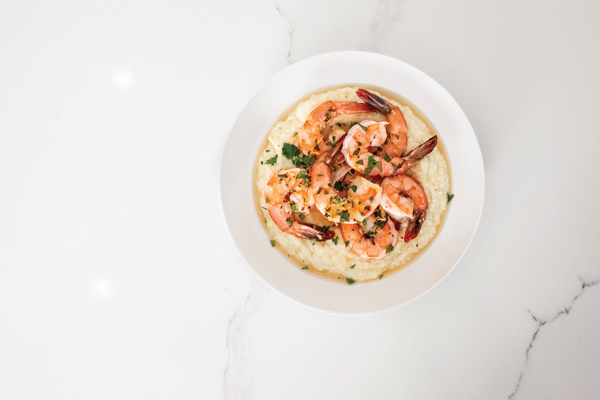
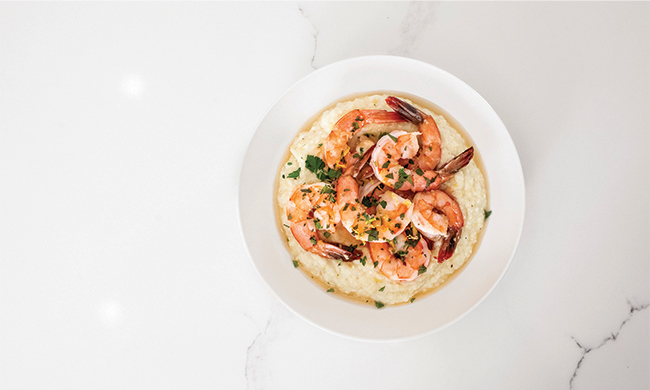
Shrimp Scampi and Cauliflower Grits
Recipe courtesy of Kardea Brown on behalf of Abbott
Prep time: 15 minutes
Cook time: 25 minutes
Servings: 4
Grits:
- 3 cups low-sodium chicken broth
- 1 cup light cream
- 1 cup stone-ground grits
- 1 cup cauliflower rice
- 2 tablespoons butter
- 1/2 cup shredded Parmesan cheese
- 1/4 teaspoon salt
- 1/4 teaspoon black pepper
Shrimp Scampi:
- 2 tablespoons butter
- 2 tablespoons olive oil
- 4 cloves garlic, minced
- 1/2 teaspoon red pepper flakes (optional)
- 1 pound large shrimp, peeled and deveined
- 1/2 cup low-sodium chicken broth
- 2 tablespoons dry white wine
- 1 lemon, juice only
- 1 teaspoon lemon zest
- salt, to taste
- pepper, to taste
- 2 tablespoons chopped parsley
- To make grits: Bring broth and cream to gentle boil; whisk in grits. Cook 10-15 minutes. Stir in cauliflower rice and cook 5-7 minutes. Add butter, cheese, salt and pepper.
- To make shrimp scampi: In pan, heat butter and oil; saute garlic and red pepper flakes, if desired, 30 seconds. Add shrimp, cook 1-2 minutes per side and remove.
- Add broth, wine, lemon juice and lemon zest; simmer 2-3 minutes. Return shrimp; toss; season with salt and pepper, to taste; and stir in parsley.
- Serve shrimp over creamy grits.

Macaroni and Cheese with Chickpea Pasta
Recipe courtesy of Kardea Brown on behalf of Abbott
Prep time: 20 minutes
Bake time: 30 minutes
Servings: 4-6
Pasta:
- 8 ounces chickpea-based, gluten-free pasta
Bechamel Sauce:
- 2 tablespoons butter
- 3 tablespoons almond flour
- 1 cup half-and-half
- 1/2 cup heavy cream
- 1/2 cup low-sodium chicken or vegetable broth
- 1 teaspoon Dijon mustard
- 1/4 teaspoon garlic powder
- 1/4 teaspoon smoked paprika
- salt, to taste
- black pepper, to taste
Cheese Blend:
- 1 cup medium cheddar cheese, shredded
- 1/2 cup Gruyere cheese, shredded
- 1/4 cup Parmesan cheese, grated
Topping:
- 1/2 cup shredded cheddar and Gruyere cheese
- 2 tablespoons almond flour (optional)
- chopped parsley
- Preheat oven to 375 F and grease baking dish.
- To make pasta: Cook pasta al dente.
- To make bechamel sauce: Melt butter and whisk in almond flour, 1-2 minutes. Slowly add half-and-half, heavy cream and broth. Stir until thickened. Season with mustard, garlic powder, smoked paprika and salt and pepper, to taste. Remove from heat.
- To make cheese blend: Mix cheddar, gruyere and Parmesan. Stir half the cheese blend into bechamel sauce until smooth. Stir in pasta.
- Layer pasta and cheese sauce in dish: half pasta, half cheese and repeat. Top with reserved cheese and almond flour, if desired.
- Cover with foil and bake 15-20 minutes. Remove foil and bake 10-15 minutes uncovered until golden.
- Rest 5 minutes, garnish with parsley and serve warm.
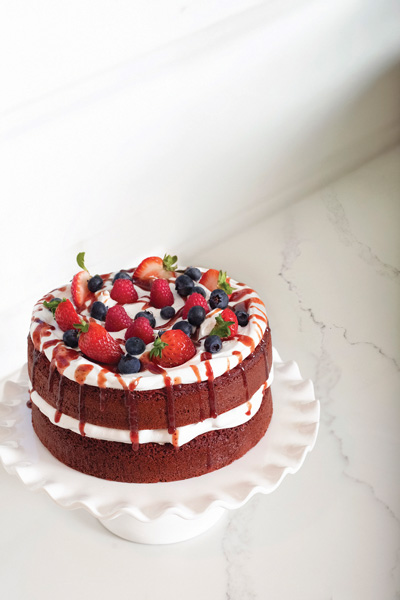
Red Velvet Layer Cake with Almond Flour
Recipe courtesy of Kardea Brown on behalf of Abbott
Prep time: 25 minutes
Bake time: 20 minutes
Chill time: 30-60 minutes
Servings: 12
Cake:
- 2 cups almond flour
- 1 cup whole-wheat pastry flour
- 1 tablespoon unsweetened cocoa powder
- 1 1/2 teaspoons baking powder
- 1/2 teaspoon baking soda
- 1/2 teaspoon salt
- 1 1/2 cups monk fruit-allulose blend
- 3 large eggs
- 1/2 cup plain unsweetened Greek yogurt
- 1/3 cup avocado oil
- 3/4 cup buttermilk
- 1 tablespoon distilled vinegar
- 2 teaspoons vanilla extract
- red food coloring (optional)
Whipped Cream:
- 6 ounces cream cheese, softened
- 1/3 cup powdered monk fruit
- 1 1/2 cups cold heavy whipping cream
Berry Drizzle:
- 1/2 cup no-sugar-added wild berry jam
- 1-2 tablespoons water
- 1 teaspoon lemon juice (optional)
Filling and Topping:
- 2 cups mixed berries (strawberries, blueberries, raspberries)
- Preheat oven to 350 F and grease or line three 8-inch pans.
- To make cake: In bowl, mix almond flour, pastry flour, cocoa powder, baking powder, baking soda, salt and monk fruit-allulose blend. In separate bowl, mix eggs, Greek yogurt, avocado oil, buttermilk, distilled vinegar, vanilla extract and red food coloring, if desired. Combine dry and wet ingredients until smooth. Divide evenly into pans and bake 18-22 minutes. Cool completely.
- To make whipped cream: Whip cream cheese and monk sugar until smooth. Add cream gradually and whip to medium-stiff peaks. Chill.
- To make berry drizzle: Warm berry jam with water and lemon juice, if desired, until pourable; cool slightly.
- To assemble cake: Layer cake, whipped cream, jam and berries; repeat for three layers. Top with berries and drizzle.
- Chill 30-60 minutes before slicing.
Photo courtesy of Abbott (Bryon Smith and Kardea Brown, a paid partner)
SOURCE:
Abbott
Health
When Vision Changes: 5 Ways to Navigate What Comes Next
Whether sight changes suddenly or gradually, a question often follows: “Now what?” There is no single way to adjust to vision loss, and the questions can change over time. These five starting points can help you identify what matters most now and where to find support.

(Feature Impact) A change in vision can turn ordinary routines into unfamiliar challenges. A favorite book becomes harder to read. Walking through a familiar neighborhood feels different. A family member offers help, but you may not know how to ask for what you need. Whether sight changes suddenly or gradually, a question often follows: “Now what?”
Medical care is essential, but many people encounter a Grand Canyon-sized gap between clinical care and everyday life with vision loss. Questions arise around getting around safely, continuing to do things you love, talking to family about what is changing and more. The answers take more than information; they require practical guidance, emotional support and connection with people who understand.
“The medical conversation rarely has room for what people are actually grappling with: fear, grief and the very practical question of how to keep living the lives they want,” said Johnjoe Farragher, CEO of Hadley, a nonprofit dedicated to helping adults with vision loss. “Those ‘now what?’ moments are where people need a clear place to begin.”
There is no single way to adjust to vision loss, and the questions can change over time. These five starting points can help you identify what matters most now and where to find support.
Take One Step at a Time
You don’t have to solve every challenge at once. Ask your vision care team about your diagnosis and treatment then think about what is most difficult in daily life right now. It could be reading email, moving safely through your home or using your phone. Choose one concern to address first. A small, useful change can make the next step feel more manageable.
 Make Room for the Emotional Side
Vision loss may bring grief, frustration, fear or a change in how you see yourself. Those feelings don’t have to be brushed aside before you can move forward. Share those feelings with someone you trust and seek professional support if you need it. Hearing how others navigated similar changes can help you feel less alone and identify possibilities you may not have imagined.
Find a Trusted Place to Begin
Ask your vision care team about support available in your community. If you’re unsure what to ask for, start with a specific daily challenge on your mind. Offering on-demand guidance, practical tools and opportunities to connect with others living with vision loss, Hadley focuses on life with vision loss beyond the doctor’s office. Its expert-informed guidance and community members address both practical problems and the emotions that come with them, shaped by lived experience. Support is available without cost or waitlists, whether you’re living with vision loss or helping someone you love.
Define Independence on Your Terms
Independence doesn’t have to mean doing everything alone. It may mean finding a new way to do something, choosing a tool that helps or telling family and friends exactly what assistance is useful. Think about a goal that matters to you, whether it’s getting around your home with more confidence or staying involved in a favorite activity, and build from there.
Keep Doing What Matters to You
A change in sight can change how you do things without ending your connection to the people and activities you love. The right adaptations depend on your vision, your interests and your goals.
For instance, when reading gets hard, magnifiers, enlarging fonts, access to free audiobooks and learning braille can make a difference. Passionate home chefs may use tactile or high-contrast labels, well-placed lighting, consistent organization or adaptive tools and techniques to keep cooking with confidence. Assistive technology, low-vision tools and simple adaptations can make everyday routines more accessible and help people stay connected to the activities and relationships that matter most.
When a new “now what?” question comes up, HadleyHelps.org offers a trusted place to start and a path forward.
Photos courtesy of Shutterstock
SOURCE:
home gardening
Cold-Season Container Gardening 101: Adding Color to Fall and Winter
With container gardening, you can create everything from cheerful porch flower displays to miniature winter herb gardens with the flexibility to rearrange your setup as needed. Consider these tips to create a cold-season container garden that’s ready to thrive.
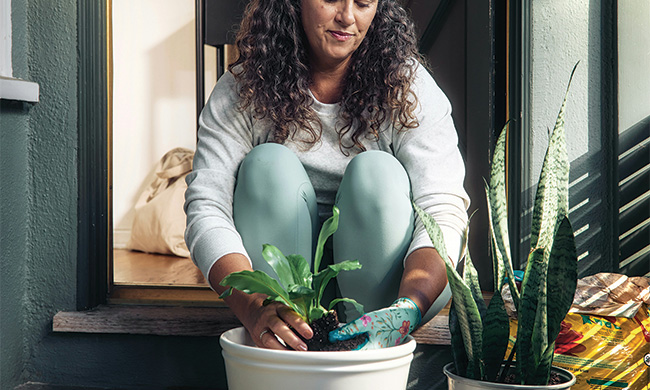
(Feature Impact) Although gardening is typically considered more of a spring or summer activity, fall and winter are excellent opportunities to add some color and freshness to your outdoor spaces. With container gardening, you can create everything from cheerful porch flower displays to miniature winter herb gardens with the flexibility to rearrange your setup as needed.
Consider these tips to create a cold-season container garden that’s ready to thrive.
Choose Hardy Plants and Flowers
Work with the cold, not against it, by looking for fall and winter plants suited to your local climate and hardiness zone. Cold-season flowers like pansies, violets and chrysanthemums can survive light frosts and give you cheerful pops of color to enjoy. Fill out the design by adding ornamental grasses or trailing evergreen foliage like ivy. If you’re hoping to grow vegetables and herbs during the fall and winter, choose tolerant varieties like kale, spinach, chives, rosemary, parsley or thyme.
Get the Right Kinds of Containers
Almost as important as the plants themselves are the pots you decide to plant them in. Look for containers large enough to accommodate growing plants, but small enough that you can move them if necessary. Proper drainage is another important factor, since soil that stays too wet during cold weather can freeze and thaw, which may damage the roots or pots. Choose sturdy materials that can stand up to changing temperatures, like thick plastic, resin or metal, and avoid more fragile materials like terracotta and ceramic.
Consider Location
Placement can determine whether your container garden thrives or struggles. When you’re deciding where to keep your containers, think about sunlight, wind protection and ease of access for watering and maintenance. A spot near a south- or west-facing wall may help keep the soil warmer and the plant more sheltered from gusty autumn and winter days.
Don’t Overwater
If you usually garden during warmer months, you might be accustomed to watering your plants frequently. However, plants generally use less water when temperatures are cool, so if you stick to a summer schedule you could wind up drowning them instead of nurturing them. Water your containers when the soil is dry enough to need it, preferably when temperatures are above freezing so it doesn’t turn to ice around the roots.
Protect Plants from Extreme Weather
A light layer of snow usually isn’t a death sentence, but even cold-resistant plants are bound to struggle during a howling blizzard or a deep freeze. Depending on what kinds of plants and containers you have, follow professional recommendations to move containers into sheltered locations or wrap the pots with insulating materials to keep the roots warmer.
Find more seasonal home and garden tips at eLivingtoday.com.
Photo courtesy of Unsplash
SOURCE:
elivingtoday.com




