

Lifestyle
Easy Easter Eats

Last Updated on July 6, 2024 by Daily News Staff
One-pan dishes to make hosting simple
(Family Features) Even if Easter hosting duties fell on your plate this year and added one more thing to your holiday to-do list, that doesn’t mean it has to be difficult. After all, Easter is a time meant for fun and fellowship with the food just one part of the celebration.
Building the menu around simple, one-pan dishes can keep the focus where it needs to be: spending time and creating memories with family and friends. These dishes call for short lists of ingredients, many of which you may already have in your pantry, and simple preparation to create a full spread perfect for sharing with loved ones. Plus, using only one pan makes cleanup a breeze, so you can get back to the festivities quickly.
A dish like this Easter Roast lets you check both the main course and side dishes off your list, relying on the oven to do most of the work for you after some quick prep work. Similarly easy to prepare, these Refrigerator Rolls can also be made up to six days in advance and stored in the fridge until ready to bake – a perfect complement to the savory roast and veggies.
Finish off your feast with an adaptable dessert like this Blueberry Crumble. Made using just five ingredients and ready in about an hour, you can swap the blueberry pie filling and yellow cake mix for any combination that suits your guests’ tastes like apple pie filling with spice cake or cherry pie filling with chocolate cake; the sky’s the limit when it comes to satisfying that sweet tooth.
For more Easter recipe inspiration, visit Culinary.net.
Easter Roast
Yield: 1 roast
- Salt
- pepper
- garlic powder
- 1 roast (3 pounds)
- 1 bag (1 pound) baby carrots
- 1 bag (1 1/2 pounds) trio potatoes or potato of choice
- 3 cups beef broth
- 1 can (10 ounces) cream of mushroom soup
- 1 tablespoon garlic pepper
- 3 tablespoons brown sugar
- 1 onion, roughly chopped
- 1 bundle asparagus
- Preheat oven to 350 F.
- Sprinkle salt, pepper and garlic powder over roast and rub into front, back and sides. Place seasoned roast in middle of large roasting pan.
- Place carrots on one side of roasting pan and potatoes on other side.
- In large bowl, mix beef broth and cream of mushroom soup with garlic pepper. Pour mixture over roast, potatoes and carrots. Sprinkle brown sugar over carrots and add chopped onion. Cover and cook 2 1/2 hours then remove from oven, add asparagus and cook uncovered 30 minutes.
- Serve from pan or place on platter for more formal presentation.

Refrigerator Rolls
Yield: 18 rolls
- 2 packages yeast
- 1/2 cup sugar
- 2 cups lukewarm water
- 6-7cups all-purpose flour, divided
- 2 teaspoons salt
- 2 eggs
- 1 stick softened butter
- oil, divided
- In large bowl, dissolve yeast and sugar in lukewarm water. When yeast is foamy, add 3 cups flour. Mix in salt, eggs and butter.
- Once mixed well, add remaining flour 1 cup at a time and knead dough into ball in bowl. Remove dough from bowl and place on clean surface.
- Wash and dry bowl then grease with drizzle of oil. Place dough in bowl and let rise 1 hour or store in refrigerator if making in advance.
- When ready to use, grease muffin pan with oil. Roll dough into hand-size balls and place in each muffin hole; cover 1 hour.
- Heat oven to 350 F. Bake rolls 30 minutes.
- Note: Dough can be made in advance and stored in refrigerator up to six days. If making ahead, punch down dough, cover and place in refrigerator. Punch down daily until ready to use.

Blueberry Crumble
Yield: 1 cake
- 1 can blueberry pie filling
- 1 box yellow cake mix
- 1 bag (4 ounces) chopped pecans
- 1 stick butter, melted
- 1/4 cup oil
- whipped cream, for serving (optional)
- vanilla ice cream, for serving (optional)
- Preheat oven to 350 F.
- Spread pie filling on bottom of 9-by-11-inch pan. Sprinkle cake mix and pecans on top. Do not mix.
- Drizzle melted butter and oil on top of cake mix and pecans. Do not mix. Lift pan and tilt from side to side until cake mix is completely covered in butter.
- Bake 1 hour until golden brown and bubbly.
- Serve with whipped cream or vanilla ice cream, if desired.
SOURCE:
Culinary.net
At our core, we at STM Daily News, strive to keep you informed and inspired with the freshest content on all things food and beverage. From mouthwatering recipes to intriguing articles, we’re here to satisfy your appetite for culinary knowledge.
Visit our Food & Drink section to get the latest on Foodie News and recipes, offering a delightful blend of culinary inspiration and gastronomic trends to elevate your dining experience.
https://stmdailynews.com/category/food-and-beverage
You can also find food and beverage-related videos on our YouTube channel, where we regularly post new content and share tips, recipes, and demonstrations. https://youtube.com/playlist?list=PLEhXBupt8tVynuUhpQZMxQt4lvPmOiAtQ&si=InDwc7YaB0KIwmxy


Lifestyle
California and Minnesota Face $1B Medicaid Funding Hold
The Trump administration is withholding more than $1 billion in Medicaid funding from California and Minnesota over disputed medical claims. A social-policy historian examines how concerns about fraud have historically been used to justify funding cuts and undermine public confidence in Medicaid.


Ben Zdencanovic, University of Cambridge
California and Minnesota Face $1B Medicaid Funding Hold
The Trump administration announced on July 21, 2026, that it’s withholding US$867 million in federal healthcare funding for California and $200 million for Minnesota – a total of more than $1 billion.
Federal officials said the two states had failed to provide sufficient evidence that a number of disputed medical claims were legitimate. These include bills for in-home care and other services covered by the two states’ Medicaid programs for low-income residents.
Medicaid administrators say the funds can be recovered if the states supply the requested documentation. But the action is highly unusual: Typically, Medicaid officials partner with states to conduct an audit when they suspect fraud, a careful process that often takes years.
It’s the second time in 2026 that the Trump administration has withheld or deferred federal Medicaid funds for several states, including California and Minnesota, because of alleged fraud and abuse. The Democratic governors of those states have called the decision a politically motivated attack on their constituents.
I’m a historian of social policy who led the first comprehensive historical overview of Medi-Cal, California’s statewide Medicaid system. I’ve found that U.S. leaders have long used the language of fraud and abuse to blur the line between correcting very real failures within Medicaid and – as I believe the Trump administration is currently doing – discrediting and defunding the program itself.
Slashing the safety net
The Medicaid restrictions are part of the Trump administration’s overall efforts to slash federal funding for the safety net.
The large tax-and-spending bill that Trump signed into law in July 2025 as the cornerstone of his second-term agenda pared eligibility for Medicaid by introducing work requirements for some adults. It is cutting close to $1 trillion in federal spending on the program over the next decade.
Researchers estimate that almost 12 million people, on top of the estimated 28 million without health insurance in 2025, could become uninsured by 2034 due to these changes. By mid-2026, more than 3 million people had already lost their insurance coverage due to Republican changes to the Affordable Care Act.
‘Padlocking’ the ‘cookie jar’
In February 2026, Vice President JD Vance, Health Secretary Robert F. Kennedy Jr. and Dr. Mehmet Oz, the administrator of the Centers for Medicare & Medicaid Services, or CMS, announced a new anti-fraud initiative called Comprehensive Regulations to Uncover Suspicious Healthcare.
Also known by its rather unsubtle acronym, CRUSH, this initiative is taking unprecedented steps to withhold and defer funds in response to suspected fraud. “CMS is done trying to catch fraudsters with their hands in the cookie jar,” Oz said in announcing CRUSH’s formation. “Instead, we’re padlocking the jar and letting them starve.”
To be sure, Medicaid fraud, waste and abuse – such as providers billing Medicaid for services that are unnecessary or never rendered – are very real problems that cost taxpayers billions of dollars annually. They do divert funds from the low-income and disabled Americans enrolled in the program.
But the Trump administration’s latest moves are part of a much broader history of weaponizing Medicaid fraud and abuse – both real and imagined. I see them as a politicized attempt to prove that Medicaid itself is wasteful, that state governments cannot be trusted to administer federal money, and that public benefits inevitably invite dishonesty.
Providing little oversight at the start
Medicaid was established, along with Medicare for older adults, in 1965 as part of President Lyndon B. Johnson’s “Great Society” reforms. Despite providing millions of Americans with health insurance coverage for the first time, these programs had few centralized mechanisms for the kind of federal oversight that could prevent and catch fraud and abuse.
And the sheer scale and complexity of the Medicaid system – joint federal-state funding, varying eligibility requirements, millions of enrollees and thousands of providers – created opportunities for questionable billing practices among providers.
The 1970s saw a number of highly publicized Medicaid scandals involving nursing homes, laboratories, pharmacies and so-called “Medicaid mills” – healthcare providers that sought to bill the government for large numbers of Medicaid patients for shoddy and often fraudulent care.
A series of high-profile congressional investigations spurred demand for stronger Medicaid oversight and enforcement. That led to the Medicare-Medicaid Anti-Fraud and Abuse Amendments of 1977, which established the national Medicaid Fraud Control Units program.
The state-run Medicaid Fraud Control Units received generous federal matching funds to investigate and prosecute fraud.
The most serious Medicaid fraud was generally committed by healthcare providers and contractors, not patients. Medicaid Fraud Control Units were principally responsible for investigating providers, while also prosecuting the abuse and neglect of patients whose care was billed to Medicaid.
At the same time, however, Medicaid was becoming entangled in a broader political debate over social spending, whether many Americans were becoming too dependent on government benefits, and the alleged use of benefits by people who should not have received them. In the 1980s and 1990s, widely circulated stories about Medicaid exposed fraud and malfeasance by providers.
But disproportionately, they also highlighted the comparatively few instances of fraud by people enrolled in the program, such as cases where they submitted false receipts for covered medically related travel or sold drugs they obtained through Medicaid for free or at low cost.
Using Medicare fraud to justify spending cuts
The distinction between Medicaid and cash assistance programs, such as the Aid to Families with Dependent Children “welfare” program, frequently disappeared in political rhetoric. False or exaggerated stories that portrayed African American single mothers living extravagantly while fraudulently claiming welfare benefits became potent symbols of supposed government failure.
While campaigning as a presidential candidate, Ronald Reagan seized on this trope of the “welfare queen” in his attacks on social spending.
By the mid-1990s, opposition to welfare programs had become increasingly bipartisan. Politicians in both parties often used tales of Medicaid fraud on the part of providers and recipients to justify tighter eligibility rules and spending cuts.
Federal oversight expanded further with the Deficit Reduction Act of 2005, which created the Medicaid Integrity Program and strengthened federal oversight of state programs. The Affordable Care Act, the landmark healthcare legislation Congress passed in 2010, added new measures to screen providers and verify billing.
Concerns about Medicaid’s “integrity” became highly politicized in the debates surrounding the ACA. Critics of Medicaid expansion argued that increasing the number of people who could get health insurance through the program would increase fraud and improper enrollment. Supporters of expanding Medicaid to help more Americans gain health insurance maintained that anti-fraud rhetoric often disguised ideological opposition to the program’s expansion.
Blurring distinctions then and now
For the six decades that this program has helped millions of low-income Americans get healthcare, politicians have blurred the distinction between protecting Medicaid from abuse and using abuse to discredit Medicaid itself.
In my view, the Trump administration’s campaigns against California and Minnesota continue that pattern. It is using real weaknesses within Medicaid to advance much broader political arguments: that Democratic states cannot be trusted, that public benefits naturally invite abuse, and that withholding funds is itself a form of reform.
The result will no doubt be that fewer low-income Americans will be able to get the healthcare they need.
Ben Zdencanovic, Assistant Professor of U.S. History, University of Cambridge
This article is republished from The Conversation under a Creative Commons license. Read the original article.
💪 Your health journey starts here! Explore the latest health news, fitness tips, wellness trends, and healthy living advice. Share your thoughts in the comments and subscribe to the STM Daily News newsletter to stay informed and inspired every day.
Women's Health
From Pregnancy to Parenthood: How Medicaid Supports Women Across the Maternal Health Journey
When women are planning, expanding or raising families, access to healthcare is a vital source of physical and mental support. For millions of women and families across the U.S., Medicaid provides that support, enabling parents and children to access the reproductive, maternal and pediatric healthcare they need to thrive.
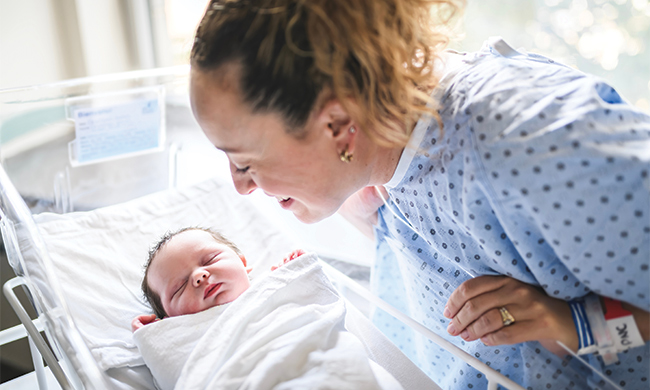
(Feature Impact) When women are planning, expanding or raising families, access to healthcare is a vital source of physical and mental support. For millions of women and families across the U.S., Medicaid provides that support, enabling parents and children to access the reproductive, maternal and pediatric healthcare they need to thrive. It’s there for anyone who needs it, from working adults to families navigating unemployment or disability.
To learn about how Medicaid supports growing families through every stage of the parenthood journey, consider this information from the maternal health experts at Community Catalyst.
Making Family Planning Possible
When people are able to plan and prepare to welcome children into the world, it can remove a lot of stress, uncertainty and complication from their journeys. Medicaid family-planning coverage may include reproductive health counseling, pre-pregnancy screenings, many forms of FDA-approved contraception and other preventive services. Comprehensive access to birth control allows women and couples to make their own decisions about pregnancy timing or spacing between siblings.
Supporting Healthy Pregnancies
Pregnancy is no small endeavor, and a woman with a healthcare team at her side is better prepared to face whatever challenges may arise. Pregnancy often requires frequent appointments for ultrasounds, laboratory testing and monitoring – all of which are made possible and affordable through Medicaid. Since 1 in 4 Medicaid recipients are women ages 15-49, this care can make a difference during their childbearing years.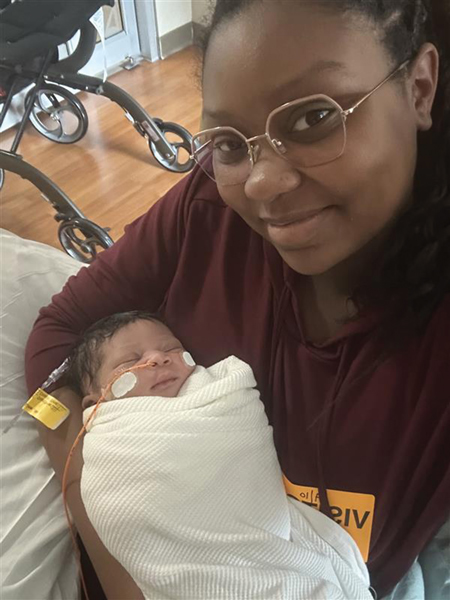
Covering Labor and Delivery Costs
Labor and birth can be unpredictable, but being able to afford them shouldn’t be. Without Medicaid, which finances approximately 41% of U.S. births, based on data from the National Center for Health Statistics, the cost of hospitalization and delivery could be financially devastating to young families. Coverage for labor, delivery and NICU care, if needed, gives parents the ability to focus on their new babies instead of overwhelming medical bills.
Providing Postpartum Care
The need for maternal healthcare doesn’t end when mother and child are discharged from the hospital. Physical recovery takes time, especially if there were any complications during the pregnancy or delivery. Beyond that, postpartum women may need mental health support, treatment for chronic conditions, contraception renewals and other health services that Medicaid can provide. Currently, 49 states plus Washington, D.C. have extended postpartum Medicaid coverage to 12 months, which helps new mothers get continuous care without worrying about insurance lapses.
Caring for Growing Kids
Nearly half of all Medicaid recipients in the U.S. are children ages 0-18 – and sometimes kids qualify for Medicaid even when their parents don’t. The program can help new parents stay up to date with well-child visits for infants, immunizations and ongoing preventive care throughout childhood.
To learn more about access to essential services at every stage of life, visit communitycatalyst.org/maternalhealth.
Filling Gaps in Pregnancy and Postpartum Care: Kayla and Tru’s Story
When Kayla found out she was pregnant at 24 years old, she had no idea how she was going to afford all the costs that were coming. Despite having part-time employment and primary insurance through her mother, she faced gaps in coverage for pregnancy care.
Qualifying for Medicaid changed everything. Not only did it cover Kayla’s prenatal visits, labs, ultrasounds and delivery, but once her son Tru was born, both mother and baby required an extended hospital stay. Medicaid made it possible for Tru to get the care he needed in the NICU while Kayla recovered from birth complications.
Afterward, the program continued to cover Kayla and Tru for follow-up appointments and well-child visits. She’s grateful it was there during her time of need and has one simple message to share: If you qualify for Medicaid, apply.
“You never know what’s going to happen,” she said. “I didn’t expect to be in the hospital as long. I didn’t expect for him to be where he was. But it was definitely needed and helpful.”
Photo courtesy of Shutterstock (mother leaning over hospital bassinet)

SOURCE:
💪 Your health journey starts here! Explore the latest health news, fitness tips, wellness trends, and healthy living advice. Share your thoughts in the comments and subscribe to the STM Daily News newsletter to stay informed and inspired every day.
Lifestyle
P.F. Chang’s Partners With Starlight Children’s Foundation for New “Spirit of the Zodiac” Giving Campaign
P.F. Chang’s launches Spirit of the Zodiac, a giving campaign supporting Starlight Children’s Foundation with Bao plush purchases and in-restaurant donations.

P.F. Chang’s Launches Spirit of the Zodiac Campaign to Support Starlight Children’s Foundation
P.F. Chang’s is launching a new annual charitable initiative designed to bring comfort to children during hospital stays. The Scottsdale-based restaurant brand announced Spirit of the Zodiac, a giving program inspired by the Chinese zodiac, with its inaugural campaign—Year of the Fire Horse: Spirit of Strength—benefiting Starlight Children’s Foundation.
What the campaign supports
Starlight Children’s Foundation serves more than 800 children’s hospitals nationwide, providing programs such as toy deliveries, hospital gowns, gaming stations, and other experiences intended to help kids feel more comfortable, connected, and supported during medical care.
How guests can participate (Sept. 2–Sept. 30)
From September 2 through September 30, 2026, guests can purchase Bao, a limited-edition horse plushie, for $10 through dine-in transactions at participating P.F. Chang’s restaurants (while supplies last). For each Bao purchased, P.F. Chang’s will donate an identical Bao plushie to Starlight for distribution through its hospital network—up to 20,000 donated plushies.
Guests can also support the campaign by rounding up their checks or making a direct donation in restaurant. The overall effort aims to raise $500,000 to support Starlight’s work with children and families.
Bonus offer for donors
P.F. Chang’s says guests who purchase Bao or make an in-restaurant donation of $10 or more to Starlight will receive an offer for a complimentary appetizer with the purchase of an entrée on a future dine-in visit, valid through October 31, 2026 (restrictions apply; participating locations only).
A story component for families
The campaign also includes a storytelling element: Bao’s journey will be featured in a digital story and an original children’s book by author Jenny Liao and illustrator Adriane Tsai, expected to publish later this month.
What to watch for
P.F. Chang’s and Starlight plan to continue the partnership beyond September, including in-hospital catering and plush deliveries in early October.
For more information, visit www.pfchangs.com/offers/spirit-of-the-zodiac. To learn more about the partnership, visit starlight.org/pfchangs.
💪 Your health journey starts here! Explore the latest health news, fitness tips, wellness trends, and healthy living advice. Share your thoughts in the comments and subscribe to the STM Daily News newsletter to stay informed and inspired every day.





