

health and wellness
Whole Foods Market Co-founder, John Mackey, Opens Flagship Holistic Health + Wellness Club in Los Angeles

AUSTIN, Texas. /PRNewswire/ — Love.Life, an integrated health and wellness company, announces the opening of its flagship holistic health and wellness club in Los Angeles at 740 S. Pacific Coast Highway in Plaza El Segundo. Co-created by Whole Foods Market visionary John Mackey, Love.Life offers a new approach to healthcare that empowers individuals to take ownership of their health potential and live longer, better and more vibrant lives.
Health and Wellness
Bridging the gaps in today’s fragmented healthcare system, Love.Life unites the power of functional medical care, nourishing food, cutting-edge fitness and precision wellness therapies under one roof to promote healing, optimization and community. At the new 45,000 square-foot wellness destination, Love.Life offers the testing, treatments and tracking to transform every dimension of an individual’s health. With expert practitioners spanning 20+ disciplines onsite, the offerings reflect the “best of” Eastern and Western modalities and emerging science. Love.Life offers three annual membership options and operates an onsite restaurant that is open to the public.


“With Love.Life, we think the new future of health is about highly personalized care that is focused on the mind, body and spirit. We want to transform the way people experience healthcare and provide an alternative to a fragmented system that is primarily focused on managing symptoms instead of improving health,” said John Mackey, CEO and co-creator, Love.Life. “Our goal is for people to look forward to seeing their doctor and to be active, informed participants in their personal health journey. Our members feel empowered because we’re providing the clarity, care team, and onsite resources they need to achieve health transformations and feel amazing.”
Love.Life’s annual medical membership, Optimize, is the new future of health. It reimagines the primary care experience and features five 1:1 physician meetings, individualized health coaching, access to experts in 20+ disciplines, a body composition assessment and bone mineral density test, repeated advanced bloodwork measuring 120+ biomarkers and access to Love.Life’s fitness and recovery services. Additional specialized testing tailored to support longevity, high performance and healing of chronic health conditions will be prescribed based on the individual’s goals and care program track. This can include VO2 max, continuous glucose monitoring, microbiome, musculoskeletal assessment and genetic testing.
A Fitness + Recovery membership is also available, which includes access to a state-of-the-art fitness facility, hot and cold recovery therapies, separate yoga and Pilates studios, a meditation area and three pickleball courts. For those seeking elite white-glove care, the Love.Life Concierge membership offers unlimited physician visits, full access to the company’s expansive range of 25+ precision tests, priority access to pickleball and the range of offerings available through fitness and recovery.
Members will also have access to Love.Life’s wellness offerings with evidence-based treatments to boost energy, improve sleep and calm the sympathetic nervous system. Offerings include hyperbaric oxygen therapy, IV treatments, cryotherapy, red light therapy and more.
“The beauty of Love.Life is we have taken the very best of medicine, nutrition, and wellness and created a truly holistic experience centered around the individual,” said Dr. Anna Emanuel, lead integrative physician, Love.Life. “And it’s all in one place. All of the doctors, wellness practitioners, and even fitness and nutrition teams work together to support the member in reaching their personal goals.”
Love.Life’s groundbreaking assessments are the most comprehensive in the market and the team dives deep with members to evaluate and optimize five core markers:
- Physical Health
- Cellular Health
- Gut + Nutrient Health
- Genetic Predisposition
- Social + Spiritual Health
Advanced lab panels measure more than 120+ biomarkers evaluating inflammation, micronutrients, and immune, metabolic, cardiovascular and hormone health to help establish a member’s true baseline health. Then, the Love.Life team provides a personalized and actionable treatment plan reviewed with the member’s multidisciplinary care team that arms individuals with the tools, resources and support necessary to thrive and reach personal goals. The plan is easy to access using the Love.Life app, which aggregates and tracks a member’s health data, including bloodwork, biomarkers and 20+ data points from wearables and physical assessments.
“Competitors offer components of the total Love.Life offering, but no one is offering the breadth of our services combined with the community support that’s designed for lasting change,” said Betsy Foster, co-creator and president, Love.Life. “Everyone’s health journey is different, and our goal is to meet people where they are on that journey. We’re here to be their trusted long-term partner in health.”
Love.Life was co-founded by former Whole Foods Market CEO and co-founder, John Mackey, Walter Robb, and Betsy Foster (also former execs of WFM), who believe in a new healthcare paradigm that empowers individuals to proactively improve their health by focusing on the root causes of chronic diseases and holistic solutions that optimize overall health and well-being.
On Saturday, August 10, from 10 a.m. – 2 p.m., Love.Life will host a welcoming ceremony and open house to commemorate its grand opening. Learn more or plan a visit at Love.Life.
Photos and video are available for download here and here.
About Love.Life
Love.Life is an integrated health and wellness company that makes lasting health and vitality attainable. The company unites the power of holistic medical care, precision wellness therapies and nourishing food to promote healing, optimization, vitality and community. The company was co-founded in 2020 by Whole Foods Market co-founder and former CEO, John Mackey; Walter Robb, former co-CEO of Whole Foods; and Betsy Foster, a former executive of the grocer.
For more information, visit www.love.life, @theofficiallove.life on Instagram and Facebook or plan a visit: 740 S Pacific Coast Highway, El Segundo, CA 90277 in Plaza El Segundo.
SOURCE Love.Life
Our Lifestyle section on STM Daily News is a hub of inspiration and practical information, offering a range of articles that touch on various aspects of daily life. From tips on family finances to guides for maintaining health and wellness, we strive to empower our readers with knowledge and resources to enhance their lifestyles. Whether you’re seeking outdoor activity ideas, fashion trends, or travel recommendations, our lifestyle section has got you covered. Visit us today at https://stmdailynews.com/category/lifestyle/ and embark on a journey of discovery and self-improvement.


Health
Type 2 Diabetes Doesn’t Have to Be Your Future: Medicare Has a Benefit That Can Help
Left unchecked, prediabetes can progress to type 2 diabetes. However, with the right support, prediabetes can often be managed or even reversed. If you have Medicare, you may qualify for a Medicare-covered program that can help you lower your chances of developing type 2 diabetes – at no cost to you.

(Feature Impact) Nearly 1 in 2 people age 65 and older has prediabetes – a condition where blood sugar (glucose) levels run higher than normal. Left unchecked, prediabetes can progress to type 2 diabetes. However, with the right support, prediabetes can often be managed or even reversed. If you have Medicare, you may qualify for a Medicare-covered program that can help you lower your chances of developing type 2 diabetes – at no cost to you.
The Medicare Diabetes Prevention Program is a covered Medicare benefit that gives you practical tools, personalized support, and proven strategies to make healthy lifestyle changes. Learn how to eat better, exercise more, and build healthy habits that stick while guided by a certified coach who helps you every step of the way.
Research shows the program works. People with prediabetes who complete the program result in weight loss, which ultimately leads to reduced risk of type 2 diabetes onset.
What can you expect?
Prevention does not mean you have to make big changes all at once. This program helps you take small, realistic steps that can add up to lasting results. It includes 16 core sessions where you can learn how to reduce your diabetes risk by making healthier meals, moving more, and building healthy habits.
The core sessions are followed by six months of monthly maintenance sessions to help you keep your momentum.

You can choose the class format that works for you
You can enroll in these services from approved Medicare Diabetes Prevention Program suppliers and participate in the way most convenient for you:
- In-Person: Attend sessions in a community location.
- Live-Distance Learning: Join interactive group sessions from home.
- Self-Paced Online: This new option allows you to access online content and learn on your own schedule.
Visit www.medicare.gov/PreventDiabetes to find a class that’s right for you.
Who is eligible?
You may qualify if you are enrolled in Medicare Part B and meet these criteria:
- Have had one of the following test results within the past 12 months:
- Hemoglobin A1c between 5.7% and 6.4%
- Fasting plasma glucose between 110 and 125 mg/dL
- Two-hour plasma glucose between 140 and 199 mg/dL after an oral glucose tolerance test
- Have a body mass index (BMI) of 25 or higher (or 23 or higher if you self-report as Asian descent).
- Have never been diagnosed with type 1 or type 2 diabetes or end-stage renal disease (ESRD).
What does it cost?
If you have Medicare Part B and qualify for the program, you pay nothing to participate. If you are in a Medicare Advantage Plan, you may have to go to an in-network provider to get these services. Contact your plan for more information.
Ready to get started on your healthier future?
Take control of your health on your own terms, schedule, and pace that fits into your life. Check with your doctor to find out if you have prediabetes or are at risk for developing type 2 diabetes. If you’re eligible for the Medicare Diabetes Prevention Program, your doctor can refer you, or you can enroll on your own.
If you’re ready to get started today, find the class that’s right for you at: www.medicare.gov/PreventDiabetes.
Information provided by the U.S. Department of Health and Human Services
Photos courtesy of Shutterstock
SOURCE:
Centers for Medicare & Medicaid Services

(Feature Impact) Dry eye is one of the most overlooked symptoms of perimenopause, the phase of fluctuating hormones leading up to a woman’s final period, and menopause, the point in a woman’s life when she’s gone a year without a period.
In fact, 79% of women1 recognize hot flashes as a symptom of menopause, but only 14% recognize dry eye as a menopause-related symptom, according to the 2026 Bausch + Lomb (Peri)Menopausal Survey. What’s more, 78% of women1 were surprised to learn that dry eye is a symptom of perimenopause or menopause.
“Dry eye is still widely overlooked as a symptom of menopause, and many women think it’s just a minor nuisance, but the truth is it can significantly affect your daily life,” said Neda Gioia, OD, CNS, IFMCP, FOWNS, founder, Integrative Vision. “Early symptoms are often misunderstood or self-treated but it’s very important for women who experience symptoms to see an eye doctor and get an accurate diagnosis and treatment.”
During perimenopause and menopause, declining hormone levels can impact tear production, tear quality and tear evaporation, contributing to dry eye symptoms including redness, fluctuating vision and a gritty or tired feeling in the eyes, all of which can impact day-to-day comfort and quality of life. If left untreated, dry eyes may worsen over time, potentially impacting eye health and vision. Among peri-, menopausal and post-menopausal women who experienced dry eye, 80% said the symptom came as a surprise.
Respondents reported their dry eye symptoms caused difficulty reading (58%), difficulty using screens (53%), difficulty driving (26%) and reduced productivity (17%), underscoring the often-overlooked impact dry eyes can have on everyday life.1
However, there are a variety of products and treatment approaches available to help manage dry eye symptoms. For example, Bausch + Lomb offers a range of options designed to address the main causes of dry eye.
A doctor-recommended, clinically proven once-daily soft gel supplement that targets the key root causes of dry eyes, Blink NutriTears supports healthy tear production and provides lasting, continuous relief.* § As part of a comprehensive approach to dry eye management, the supplement can be used with Blink Triple Care Preservative Free Lubricant Eye Drops, which are designed to directly address tear evaporation, one of the leading causes of dry eye, and provide instant and long-lasting symptom relief.
An eye care professional can help determine the approach that’s right for each individual. To learn more about dry eye and products to help combat it, visit JustBlink.com.*These statements have not been evaluated by the Food and Drug Administration. This product is not intended to diagnose, treat, cure or prevent any disease.
12026 Bausch & Lomb (Peri)Menopause Survey via Suzy, n=402; Women ages 30–80+ who are perimenopausal, menopausal, or post-menopausal
§Based on a clinical study
SOURCE:
Bausch + Lomn
health and wellness
The Oral and Cardiovascular Health Connection: 4 Tips to Protect Your Teeth, Gums and Heart
People often think of dentists and doctors as totally separate healthcare professionals: one cares for your teeth and mouth while the other handles the rest of the body. In reality, the different systems in the human body are closely interconnected and oral health is no exception, making dentists a vital part of your healthcare team. Care for your teeth, gums and heart all at once using these tips.
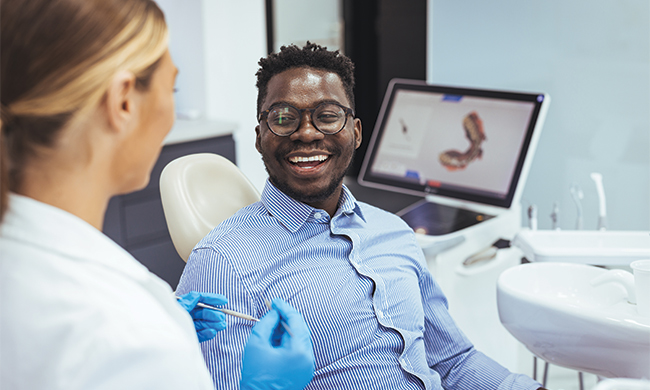
(Feature Impact) People often think of dentists and doctors as totally separate healthcare professionals: one cares for your teeth and mouth while the other handles the rest of the body. In reality, the different systems in the human body are closely interconnected and oral health is no exception, making dentists a vital part of your healthcare team.
Oral health and heart health have a particularly close connection, with inflammation at the core of it. When your gums are inflamed, the resulting bacteria can make their way from your mouth through your bloodstream, potentially contributing to your blood vessels constricting or becoming blocked. This, in turn, may force your heart to work harder and raise your blood pressure, putting you at risk of heart disease and stroke. More than 46% of adults in the U.S. have high blood pressure, and more than 40% of adults age 30 and older are affected by periodontal (gum) disease.
To help address these issues, the American Heart Association’s Healthy Smiles, Healthy Hearts initiative, in collaboration with Delta Dental of California, is encouraging dental teams to take a total-body perspective with their patients. Simple steps like blood pressure screenings during checkups can give a more complete picture of a person’s overall health. If a member of your dental care team pulls out a blood pressure cuff at your next appointment, it’s a good sign.
“The mouth is a gateway to the body and can often reveal more about your total body health than you may think,” said Daniel Croley, D.M.D., chief dental officer at Delta Dental of California and Affiliates. “Oral health professionals have a powerful opportunity to integrate more into their patients’ collective health care team beyond protecting their patients’ teeth By connecting oral health and heart health, this initiative helps dentists identify risks early and guide patients toward care that can improve and even save lives.”
Care for your teeth, gums and heart all at once using these tips from experts at the American Heart Association.
Follow a Brushing and Flossing Schedule
 Good dental health starts with a daily routine. If you don’t want to sheepishly cringe next time the dentist inquires about yours, brush at least twice a day and floss at least once a day to disrupt plaque-forming bacteria. Dentists recommend using toothpaste with fluoride and brushing your teeth and gums thoroughly yet gently, as applying too much pressure can wear away enamel and cause gum recession.
Eat a Healthy Diet and Limit Sugar
Most kids are used to hearing sugar will rot their teeth – and that’s not just a parental scare tactic to get their little hands out of the candy jar. Sugar feeds harmful bacteria in your mouth, producing acid that can cause cavities and gum disease. For a diet your heart and teeth will both appreciate, prioritize vegetables, lean proteins, complex carbohydrates and healthy fats, while limiting added sugars and refined carbohydrates.
Avoid Smoking and Tobacco Products
The connection between smoking and oral disease is well established: smokers face significantly higher risks of developing periodontal disease, losing teeth or being diagnosed with oral cancer. Cigarettes aren’t the only form of tobacco to worry about, either. Vaping, dipping and chewing tobacco can also harm your dental health by drying out your mouth and restricting blood flow to the gums. Since these products are also harmful to heart health, quitting or avoiding them offers plenty of worthwhile benefits. Seek support if you need help to kick the habit.
Communicate with Your Healthcare Team
Since your body’s systems are connected to each other, it’s helpful to talk to your dentist about your blood pressure and to your doctor about your oral health. Start thinking of your dentist as a key member of your integrated healthcare team. Don’t be afraid to share your medical history, discuss the side effects of any medications you’re taking and ask for personalized recommendations on caring for your teeth, gums and overall health.
To learn more about how to improve your oral and cardiovascular health, visit Heart.org/OralHealth.
Photos courtesy of Shutterstock

SOURCE:





