

health and wellness
5 Trends in Heart Health Among Younger Adults: Why Your CoQ10 Level Matters

Last Updated on April 6, 2026 by Daily News Staff
(Feature Impact) Heart disease is something many adults push to the back of their minds if they are not experiencing symptoms; a concern for “later” in life. However, that mindset may be changing. New research suggests younger generations are thinking about their cardiovascular health earlier and with greater urgency.
They’re right to be thinking about it, too. Data from the American Heart Association shows heart disease is still the No. 1 killer of Americans. In fact, someone dies from cardiovascular disease every 34 seconds in the United States.
Risk factors such as obesity, high blood pressure, diabetes, and kidney disease are on the rise, too. Nearly half of U.S. adults have high blood pressure (47%), and obesity (42%), and more than half (57%) have type 2 diabetes or prediabetes.
Despite growing concern about heart health, many adults remain unclear about their personal risk. In fact, a majority of respondents (62%) in a survey conducted by Atomik Research on behalf of Doctor’s Best said they don’t know their current risk for heart disease. To provide context on these findings and highlight emerging heart health trends, Dr. Tania Elliott, a dual board-certified physician in internal medicine, offers some insights.
Feeling Fatigue
In the study, only 50% of respondents reported feeling energetic on a daily basis. Among those who reported feeling fatigued, 46% listed stress as their top perceived contributor, followed by insufficient sleep (38%), both of which are closely tied to cardiovascular health.
Troubling Symptoms
Among Gen Z respondents, 25% reported having shortness of breath during activity or while lying down, compared to just 16% of Baby Boomers, which is commonly associated with compromised heart health.
 Statins and Youth
Statins, which help address cardiovascular risk factors such as high cholesterol, are among the most commonly prescribed drugs in America, with more than 92 million Americans currently taking them, according to the Cleveland Clinic. Although most survey respondents (76%) aren’t currently taking a statin, 17% of adults ages 25-34 reported using statin therapy, which is an unexpectedly high proportion given their age and the group’s low anticipated risk of cardiovascular disease.
Side Effects of Statins
Among those taking statins, which are considered a first-line treatment for treating high cholesterol and reducing heart disease risk, 54% reported experiencing side effects, particularly muscle pain (23%) and fatigue (31%). However, taking statins can also affect levels of Coenzyme Q10 (CoQ10), which supports cellular energy and cardiovascular function.
All About CoQ10
Cells use CoQ10 to produce energy and detoxify. Studies have shown people with heart failure who took CoQ10 had around a 50% reduction in mortality. Despite this, awareness is low. Nearly two-thirds (66%) of respondents had never heard of CoQ10 and that number jumps to 76% of adults ages 25-34. Additionally, only a small percentage of respondents (8%) who were on a statin reported having their CoQ10 level tested.
“We have a real opportunity to help younger adults take a more proactive approach to heart health,” Elliott said. “CoQ10 plays a critical role in cellular energy production and heart muscle function, and it can decline with age and statin use.”
If you’re among the 71% of survey respondents who expressed a willingness to learn more about improving your heart health, talk with your health care provider and visit DoctorsBest.com to learn more.
Strategies to Support Heart Health
While some risk factors for heart disease, like age and family history, are out of your control, you can make lifestyle changes to help lower your risk:
- Eat Whole Foods: A heart-healthy eating plan includes plenty of lean proteins as well as fruits, vegetables, beans, whole grains and foods high in omega-3s, such as salmon, nuts and plant oils.
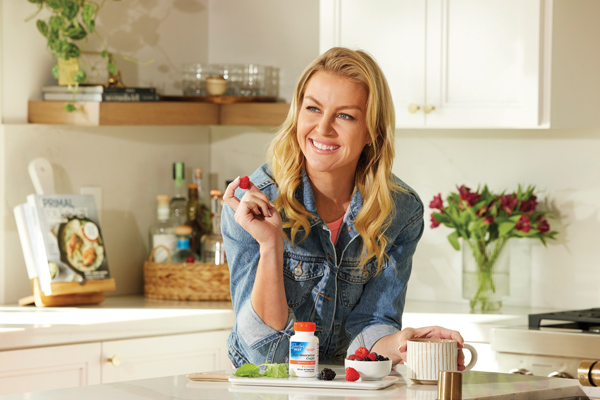
- Know Your CoQ10 Levels: If you’re low, look for a high-quality, bioavailable formula, like Doctor’s Best High Absorption CoQ10 with BioPerine, which supports energy production and muscle function.
- Get Moving: The American Heart Association recommends 150 minutes of moderate-intensity or 75 minutes of vigorous aerobic activity per week to help control weight and lower the risk for conditions that negatively impact the heart.
Photo courtesy of Shutterstock (woman with hand over chest)

SOURCE:
Our Lifestyle section on STM Daily News is a hub of inspiration and practical information, offering a range of articles that touch on various aspects of daily life. From tips on family finances to guides for maintaining health and wellness, we strive to empower our readers with knowledge and resources to enhance their lifestyles. Whether you’re seeking outdoor activity ideas, fashion trends, or travel recommendations, our lifestyle section has got you covered. Visit us today at https://stmdailynews.com/category/lifestyle/ and embark on a journey of discovery and self-improvement.


Food and Beverage
Beyond Protein: 2 Nutrients Your Plate Might Be Missing
Nutrients: Everyone is talking about protein these days whether watching their weight or managing a disease like type 2 diabetes. However, fiber and healthy fats are nutrients many people are overlooking. One food that makes it easier to invest in your health, according to nutrition experts: avocados.
Beyond Protein: 2 Nutrients Your Plate Might Be Missing
(Feature Impact) Everyone is talking about protein these days whether watching their weight or managing a disease like type 2 diabetes. However, fiber and healthy fats are nutrients many people are overlooking. The latest reports show most Americans already meet or exceed recommendations for protein while nearly all (about 95%) do not eat enough fiber, and many people consume too much saturated fat versus unsaturated fat, according to the 2025 Dietary Guidelines Advisory Committee. Prioritizing ways to get more fiber and healthy fats on your plate could be key to managing weight and type 2 diabetes goals this summer.
One food that makes it easier to invest in your health, according to nutrition experts: avocados.
A growing body of research and materials from Avocados – Love One Today, a science-based resource, suggests fresh avocados offer weight management benefits, help with type 2 diabetes management and are good for blood sugar management.
 According to a study* of more than 27,000 adults published in the journal “Internal Medicine Review,” people who ate just over half of an avocado per day weighed 7.5 pounds less, had smaller waist sizes and tended to have healthier overall eating habits, including higher intakes of fiber and healthy fats, compared to people who didn’t eat avocados. Among the list of benefits, this delicious and healthy fruit uniquely contains fiber and healthy fats in each nutrient-dense bite which slows digestion, helping you feel satisfied and fuller longer which can help you consume fewer calories overall. In fact, if you’re using a GLP-1, avocados are one of the foods to add to your menu to make small meals feel more filling and satisfying while supporting nutrient needs.
Scientists also recently took a second look at the largest study* about avocado consumption to-date involving close to 1,000 adults, per the journal “Current Developments in Nutrition,” and found that consistently eating one avocado every day for six months (no other diet changes required) significantly reduced dietary glycemic load (GL) by nearly 14 points, a metric that evaluates how what you are eating is affecting your blood sugar levels. GL may be an important consideration in the management of chronic diseases like type 2 diabetes. By slowing digestion, fiber and healthy fats also support stable blood sugar levels.
There are many ways to enjoy avocados, including chopped, sliced, mashed, blended, in baked goods or even frozen. Avocados add flavor, variety and nutrition across the day.
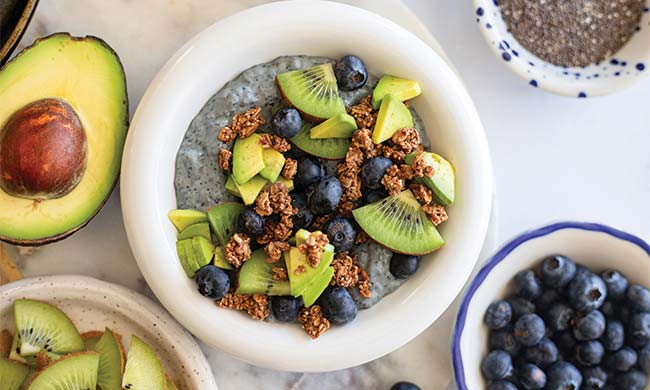
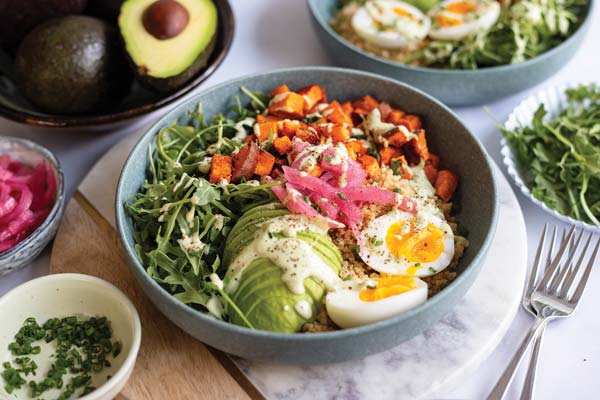
Try these recipes for Avocado and Blueberry Chia Pudding, Avocado Breakfast Bowl with Leafy Greens for your next breakfast or snack.
*Remember: Small, consistent food choices can add up over time. Research suggests regularly eating avocados may support weight management and blood sugar targets while providing the fiber and healthy fats that many Americans are overlooking. These studies were supported by the Avocado Nutrition Center. While these findings are encouraging, the studies highlighted show an association, not cause and effect, and thus more research is needed to confirm these findings in other populations.
To explore evidence-based avocado nutrition information, along with practical tips and easy recipes, visit Avocados – Love One Today, a leading resource for avocado nutrition information.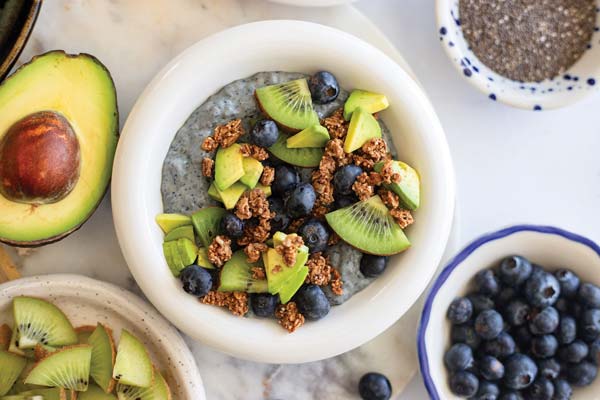
Avocado and Blueberry Chia Pudding
- 1 1/2 cups plain, unsweetened soy milk (or milk of choice)
- 1 ripe, fresh avocado, halved, pitted and peeled
- 3/4 cup frozen blueberries
- 1/2 cup unsweetened vanilla Greek yogurt
- 1 tablespoon maple syrup
- 1/3 cup chia seeds
To Serve:
- 1/3 cup granola
- 1/3 cup fresh blueberries
- 1 kiwi, chopped
- 1/2 fresh, ripe avocado, halved, pitted, peeled and chopped
- In blender, puree soy milk, avocado, blueberries, yogurt and maple syrup until smooth. Pour mixture into storage container or bowl and add chia seeds. Whisk well to combine. Cover with lid or plastic wrap and refrigerate 4 hours or overnight, until thickened.
- To serve, divide into bowls and top with granola, fresh blueberries, kiwi and avocado.
- Notes: Use any milk (dairy or non-dairy) that you prefer in pudding. Use fresh blueberries or conventional frozen blueberries. Other topping options include: nuts, seeds, hemp hearts, sliced banana or strawberries, or nut butter.
Avocado Breakfast Bowl with Leafy Greens
Bowl:
- 1 medium sweet potato, chopped (about 1 3/4 cup)
- nonstick cooking spray
- 1/4 teaspoon smoked paprika
- 1/4 teaspoon garlic powder
- 1/4 teaspoon salt
- 1/2 cup quinoa
- 1 cup water, plus additional for boiling eggs, divided
- 2 eggs
- 2 cups arugula
- 1 ripe, fresh avocado, halved, pitted, peeled and chopped
- 1/4 cup pickled red onions
Avocado Tahini Dressing:
- 1/2 large avocado
- 1/4 cup tahini
- 1 lemon, juice only (2 tablespoons)
- 3/4 cup water
- 1 tablespoon fresh chives
- salt, to taste
- pepper, to taste
- Preheat oven to 400 F. Add chopped sweet potato to baking sheet. Spray with cooking oil then add smoked paprika, garlic powder and salt. Toss to coat in spices. Bake 22-25 minutes, or until tender.
- In medium saucepan, add quinoa and water. Bring to simmer and cover, cooking 12-15 minutes, or until quinoa is tender and fluffy.
- Fill small saucepan with water and bring to boil. Use slotted spoon to lower eggs into water. Cook 8 minutes then transfer eggs to bowl of ice water to cool before peeling.
- To make dressing: In small blender, puree avocado, tahini, lemon juice, water and fresh chives until smooth. Add more water, 1 tablespoon at a time, if needed, to thin until pourable. Season with salt and pepper, to taste.
- Assemble bowls, each with 1/2 sweet potato, 1/2 cup quinoa, 1 egg, 1 cup arugula, 1/2 avocado, 2 tablespoons pickled red onion and 3 tablespoons dressing. Reserve remaining dressing in refrigerator.
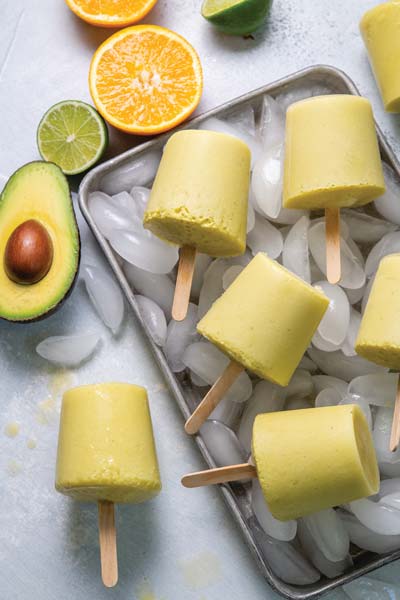
Heart-Healthy Frozen Avocado Banana Paleta
- 1 ripe, fresh avocado, halved, pitted, peeled and diced
- 4 cups orange juice
- 2 medium bananas, peeled and sliced
- 1 tablespoon lime juice
- 8 paper cups (5 ounces)
- 8 wooden craft sticks
- In blender, blend avocado, orange juice, bananas and lime juice on high until smooth. Divide into paper cups. Cover cups with aluminum foil. Insert one stick through center of each foil. Freeze 4 hours until firm.

SOURCE:
🍴 What’s your favorite food, recipe, or dining spot? Tell us in the comments! Then subscribe to the STM Daily News newsletter for fresh recipes, restaurant news, food trends, and delicious stories delivered straight to your inbox. Join our growing community of food lovers today!

health and wellness
Zepbound Linked to Lower Healthcare Costs in Adults 55+ With Obesity, Real-World Study Suggests

A new real-world study of adults over age 55 with overweight or obesity found that sustained use of Zepbound (tirzepatide) for weight management was associated with lower healthcare costs over time compared with similar adults who were not treated. Eli Lilly and Company said the findings were driven in part by lower rates of hospital admissions and emergency department visits, and were published in Diabetes, Obesity and Metabolism.
What the study found
According to Lilly, researchers estimated healthcare cost differences over time (excluding the cost of Zepbound itself) using two established analytic methods. Across both approaches, monthly healthcare costs were lower, on average, among older adults who stayed on Zepbound.
Key estimates reported in the release include:
- At six months: costs were up to 15% lower (up to $181 per patient, per month).
- At 12 months: the estimated difference widened to as much as $607 per patient, per month, reflecting up to 38% lower costs than those not treated (estimates varied by model).
In the primary analysis, adults over 55 treated with Zepbound had lower rates of hospital admissions and emergency department visits across every follow-up period, along with numerically higher rates of routine outpatient and office visitsa pattern the company said was consistent with greater engagement in routine care.
Why Medicare is part of the conversation
Lilly said the cost findings may be relevant for older adults, including those in Medicares GLP-1 Bridge program. The company noted that beginning at six months, estimated healthcare savings nearly covered the programs monthly treatment cost of $195 per patient, per month, and by 12 months the estimated savings exceeded the reported monthly treatment cost.
Its important to note the release also emphasizes a limitation: claims data do not capture Zepbounds net price, and the study excluded the cost of Zepbound from total treatment costs. That means the reported differences reflect potential savings elsewhere in care that could offset treatment costs, not the full net cost impact.
Who was included in the analysis
The retrospective observational cohort study used Komodos Healthcare Map, a database of de-identified claims data from more than 330 million individuals enrolled in U.S. healthcare plans. The analysis included 15,843 adults over age 55 (mean age 64.5) with obesity or overweight plus at least one obesity-related complication who initiated Zepbound between November 2023 and September 2025. Each Zepbound user was matched 1:1 with a control participant who met the same eligibility criteria but did not initiate GLP-1 or GIP/GLP-1 receptor agonist medication.
What Zepbound is
Zepbound (tirzepatide) is a dual GIP and GLP-1 receptor agonist indicated for adults with obesity, or some adults with overweight who also have at least one weight-related medical problem, to lose weight and keep it off. Lilly also noted Zepbound is FDA-approved to treat adults with moderate-to-severe obstructive sleep apnea and obesity, and should be used alongside a reduced-calorie diet and increased physical activity.
Safety summary (high level)
The release includes an indications and safety summary with warnings. Among other risks, Lilly notes Zepbound carries a warning about thyroid tumors, including thyroid cancer, and may cause serious side effects such as severe stomach problems, dehydration leading to kidney problems, gallbladder problems, pancreatitis, serious allergic reactions, and low blood sugar (especially when used with certain diabetes medicines). Patients should talk with a healthcare provider about risks and whether the medication is appropriate for them.
Related Links
- Zepbound (official product site): https://zepbound.lilly.com/
- Lilly newsroom: https://www.lilly.com/news
- Journal page (publisher hub): https://dom-pubs.onlinelibrary.wiley.com/journal/14631326
- Medicare (official): https://www.medicare.gov/
- FDA MedWatch (side effect reporting): https://www.fda.gov/medwatch
Source
- PRNewswire / Eli Lilly and Company press release (Aug. 26, 2026): Zepbound linked to lower healthcare costs in adults over age 55 with obesity according to a real-world study
💪 Your health journey starts here! Explore the latest health news, fitness tips, wellness trends, and healthy living advice. Share your thoughts in the comments and subscribe to the STM Daily News newsletter to stay informed and inspired every day.

(Feature Impact) When it comes to stroke, time matters. Recognizing the warning signs and calling 911 quickly can help with receiving time-sensitive, life-saving treatment. Recovery should begin early, too.
Having a stroke can divide life into a stark before and after, affecting many aspects of daily life. While it’s easy to focus on the things a stroke can take away, it’s important to remember there’s life after stroke. Recovery isn’t just about relearning skills. It’s about adapting to new challenges, finding purpose in a different reality and continuing to move forward.
Navigating the aftermath of a stroke means balancing short-term and long-term plans. Once medically stable, rehabilitation should ideally begin within 48 hours, according to the 2026 Guideline for Adult Stroke Rehabilitation and Recovery from the American Stroke Association. Recovery doesn’t have a fixed end. Meaningful progress can continue for months or years after survivors leave the hospital or complete formal therapy.
“Stroke rehabilitation is complicated,” said Lorie Gage Richards, Ph.D., FAHA, volunteer chair of the new guideline, associate professor at the University of Utah and an occupational therapist. “Each person faces a different set of challenges and care should be personalized to fit each person’s needs. The goal is to help individuals gain as much independence as possible to perform everyday activities while improving their overall quality of life.”
Approximately 800,000 people have a stroke each year in the U.S, according to the American Heart Association’s 2026 Heart Disease and Stroke Statistics. Whether you’re navigating recovery yourself or supporting someone you love, connecting with a coordinated healthcare team is an important first step. Ask about a comprehensive assessment, develop a rehabilitation plan based on what matters to you and set small, achievable goals throughout recovery.
 Building Skills and Independence
After a stroke, familiar parts of a daily routine may take more effort or require a new approach. A rehabilitation team can assess how stroke has affected movement, communication, thinking, vision, hearing and other abilities then develop a plan based on individual needs and goals.
Recovery doesn’t look the same for everyone. For one person, a meaningful goal may be dressing independently. For others, it could be returning to work, driving safely or participating in favorite activities. Start with manageable goals, evaluate progress and reassess the plan as needs change.
Understanding the Invisible Impacts
Some of the most challenging parts of recovery may be the ones others can’t see. For instance, you might lose confidence or sense of identity, have trouble concentrating or experience anxiety or depression. Along with mental and emotional changes, you may notice ongoing physical symptoms like pain, difficulty sleeping, changes in sexual function or difficulty with bladder control.
Invisible challenges don’t have to stay that way. Ask your healthcare team to assess your physical and emotional health, including depression and anxiety, during the hospital stay and throughout recovery. Speaking up about new or changing symptoms can help identify appropriate treatment and support.
Navigating Changing Relationships
When you have a stroke, your life isn’t the only one that changes. A partner, parent or friend may suddenly take on new responsibilities, making honest conversations about support especially important.
Family responsibilities may also look different. Parenting young children, supporting loved ones or balancing work and family can bring new challenges during recovery. Give yourself permission to slow down, accept care and connect with the people who matter most.
Finding Purpose and Redefining Success
Recreation, hobbies, social connections and other meaningful activities are an important part of recovery and can help people regain confidence, participate in their communities and improve quality of life. That may mean returning to music, art, exercise or time with friends. It could also mean modifying favorite activities, discovering new interests or connecting with a support group.
Life after stroke may look different, but different doesn’t mean less meaningful. Recovery isn’t measured by how closely someone returns to who they were before. It’s about finding new ways to pursue what matters most and continuing to move forward.
Learn more about recognizing stroke, preparing for rehabilitation and adjusting to life after stroke by visiting Stroke.org.
Photos courtesy of Shutterstock

SOURCE:
Please subscribe to the STM Morning News brief Newsletter!





