

Travel
What’s Trending in Travel in 2026
In 2026, travelers are prioritizing immersive experiences over quick vacations, with a strong demand for personalized, intentional trips. Despite economic concerns, a survey reveals nearly all respondents plan to travel, often seeking the guidance of travel advisors. Trends include spacious accommodations, cultural immersion, wellness experiences, and multi-generational travel.

Last Updated on April 10, 2026 by Daily News Staff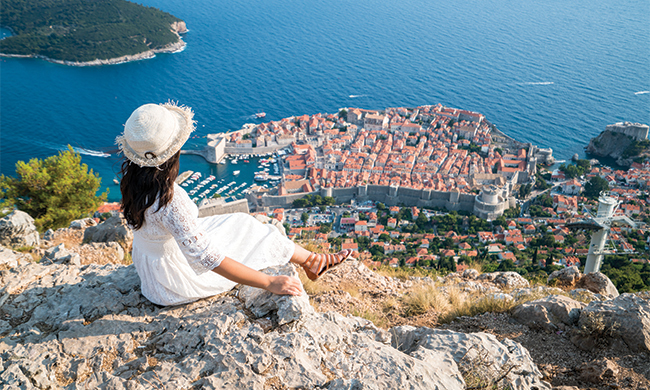
What’s Trending in Travel in 2026
(Feature Impact) After years of fast-paced itineraries and social media-inspired vacations, travelers are looking to slow down in 2026, instead focusing on more personal, immersive experiences.
That’s not to say Americans will be looking to travel any less – just more intentionally. Despite economic, political and cultural shifts, travel shows no signs of slowing down this year. In fact, according to a survey conducted on behalf of ALG Vacations, 100% of respondents plan to take a vacation in the next year, with 97% likely to travel for leisure in the next 6 months despite those concerns.
Even with tightened budgets, 95% of those surveyed would still travel – even if it meant scaling back. To help travelers zero in on what they’re looking to experience in 2026, working with a travel advisor when starting to plan that annual getaway can make the process easier.
Additional survey data shows 7 in 10 travelers are turning to professionals to plan their next trips with the younger generations leading the way; 83% of Gen Z and 78% of Millennials are likely to turn to a travel advisor for help with planning and booking.
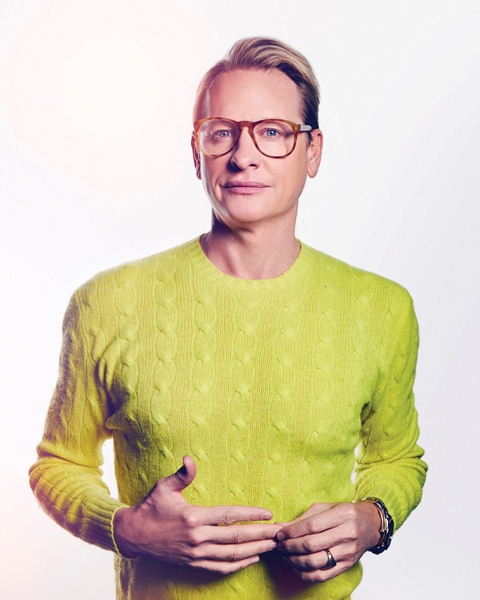 “What’s really interesting is that travel advisors are resonating with a new wave of travelers,” said ALG Vacations’ Travel Advisor Champion Carson Kressley, the renowned style expert and world traveler best known for his role on “Queer Eye for the Straight Guy” and his current Emmy Award-winning judge role on “RuPaul’s Drag Race.” “They want help uncovering hidden-gem destinations and great-value packages, and a new generation of advisors is meeting them exactly where they are.”
In addition to booking your next excursion with the assistance of a travel advisor, consider these trends Kressley identified for the year ahead.
Space and Privacy
In 2026, spaciousness is an expression of luxury – private villas, low-density boutique resorts and nature-framed hideaways where quiet feels curated and beauty isn’t shared with the masses. As travelers prioritize serenity over scene, this trend reflects an emotional need for clarity as they look for time to reset and environments that support genuine presence.
Immersion in Culture and Hyper-Local
Travelers desire authentic experiences shaped by local chefs, artisans and storytellers who bring a destination’s heritage to life. It’s no longer about observing culture from a distance; it’s about actively participating in it with the destination’s native citizens, reflecting a desire for meaning and perspective.
 Longer, More Intentional Vacations
Instead of rushing through multiple destinations, travelers are embracing itineraries that allow them to breathe through longer stays and experiences that unfold naturally. From a lingering lunch to an unstructured afternoon, this shift toward savoring prioritizes depth and connection.
Transformational Wellness
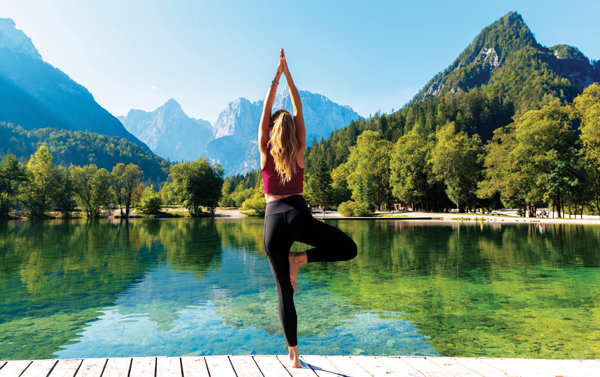
As wellness continues to evolve into deeply personal territory, travelers seek experiences that restore mind, body and perspective such as sunrise rituals, nature-led healing, cultural wellness traditions and programs designed for renewal.
Screen-Inspired Destinations
Pop culture continues to influence travel, but today’s travelers seek more than filming locations. In 2026, they’re searching for dramatic landscapes, atmospheric architecture, richly layered cultures and experiences that evoke emotion and capture the feeling of their favorite cinematic worlds. This evolution of set-jetting is about stepping into a story rather than tracing its steps.
Shared Multi-Generational Moments
Multi-generational travel is shifting toward more purpose-driven experiences – milestone celebrations, cultural reconnection trips and meaningful moments together. The emphasis is on togetherness, personalization and experiences that feel like legacy.
To learn more and start booking your next adventure, visit traveladvisorsgetyouthere.com.
Photos courtesy of Shutterstock

Source: ALG Vacations
Our Lifestyle section on STM Daily News is a hub of inspiration and practical information, offering a range of articles that touch on various aspects of daily life. From tips on family finances to guides for maintaining health and wellness, we strive to empower our readers with knowledge and resources to enhance their lifestyles. Whether you’re seeking outdoor activity ideas, fashion trends, or travel recommendations, our lifestyle section has got you covered. Visit us today at https://stmdailynews.com/category/lifestyle/ and embark on a journey of discovery and self-improvement.


Naturist Blog
Embrace Liberation: Celebrating National Nude Day
Celebrate freedom and body positivity on National Nude Day, an empowering reminder to embrace our natural beauty. #NationalNudeDay #BodyPositivity

Last Updated on July 12, 2026 by Daily News Staff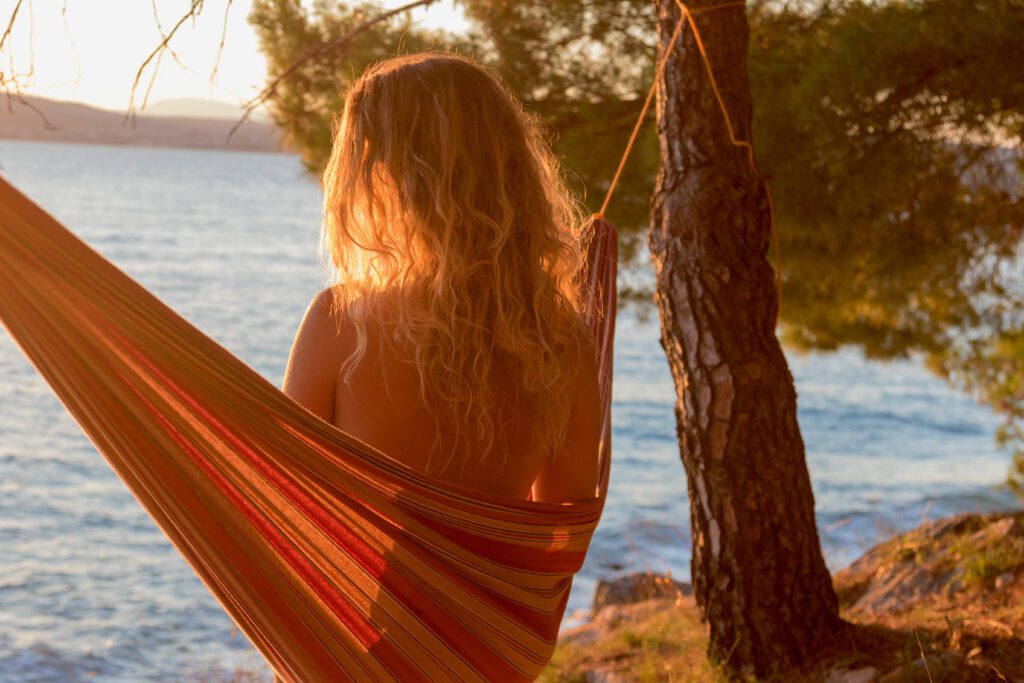
Embrace Liberation: Celebrating National Nude Day
In a world where societal norms often dictate how we present ourselves, National Nude Day offers a unique opportunity to break free from conventions and embrace our natural state of being. Observed on July 14th, this day encourages body positivity, self-acceptance, and the celebration of individuality. Join us as we explore the significance of National Nude Day and the empowering message it conveys.
What is Nude Day about?
- Embracing Body Positivity:
National Nude Day serves as a powerful reminder that our bodies are beautiful in their natural form. It challenges the unrealistic beauty standards perpetuated by media and encourages us to appreciate ourselves and others without judgment. It’s a day to celebrate the diversity of bodies and foster a culture of acceptance. - Empowerment and Self-Acceptance:
Shedding our clothes on this day can be liberating, symbolizing the acceptance of our bodies and embracing our flaws as part of our unique identity. By embracing our natural state, we break free from the pressures of conformity, nurturing a positive relationship with ourselves and boosting our self-esteem. - Connection with Nature:
National Nude Day also provides an opportunity to connect with nature in a profound way. By being in our natural state outdoors, we can experience a sense of freedom and harmony with the environment. It’s a chance to feel the sun’s warmth on our skin, the breeze caressing our bodies, and to appreciate the beauty of nature without barriers. - Breaking Taboos and Challenging Stigma:
National Nude Day challenges societal taboos surrounding nudity and fosters a more open and inclusive conversation about body image. It encourages discussions about body positivity, consent, and the importance of respecting personal boundaries. By engaging in these conversations, we can challenge the stigma associated with nudity and promote a healthier mindset.
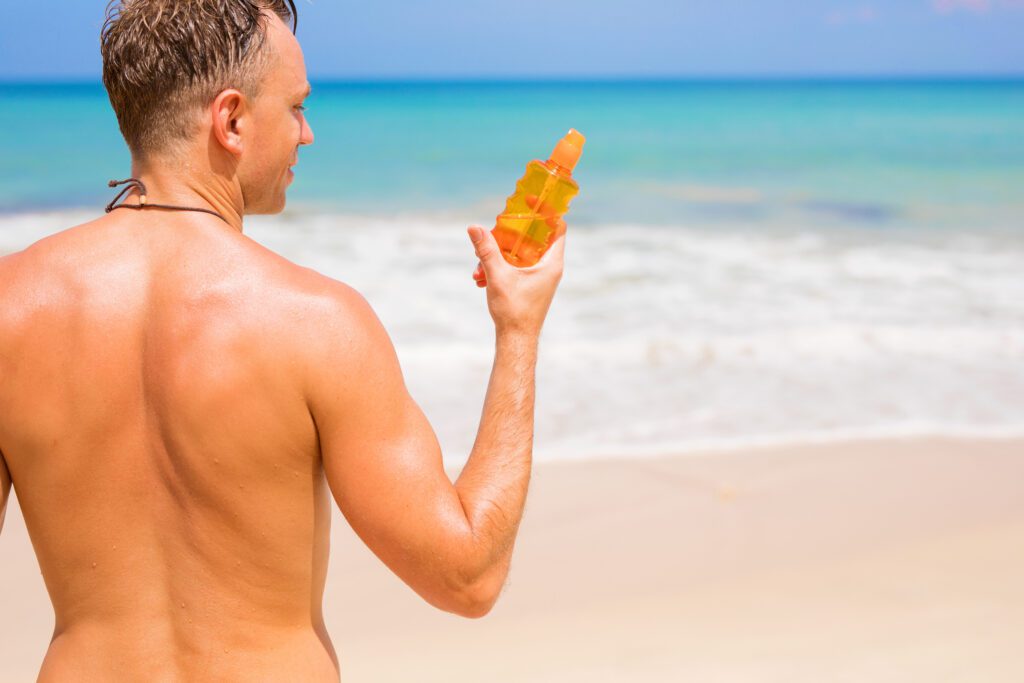
National Nude Day is not just about shedding our clothes; it’s about embracing our bodies, fostering self-acceptance, and challenging societal norms. It’s a day to celebrate diversity, promote body positivity, and encourage conversations that lead to greater understanding and acceptance. So, on this day, let us shed our inhibitions, embrace liberation, and celebrate the beauty of our natural selves. Happy National Nude Day! https://nationaldaycalendar.com/national-nude-day-july-14/
What is Nude Recreation Week?
Read the article: https://stmdailynews.com/what-is-nude-recreation-week-2/
A Footnote
National Nude Day, celebrated each year in July, is an informal observance embraced primarily by nudist and naturist communities around the world. While the event’s lighthearted name may invite misconceptions, its core purpose is far removed from sexuality or eroticism. Instead, National Nude Day promotes body positivity, personal freedom, and the celebration of the human form in its natural state. For many participants, the day serves as a reminder of the importance of accepting one’s own body and appreciating the diversity of shapes, sizes, and appearances that define humanity.
The practice of social nudity has a long and varied history, with roots in cultural, philosophical, and recreational traditions. Naturism, in particular, emphasizes living in harmony with nature, fostering a sense of equality and community by removing clothing—a social equalizer that diminishes visible markers of status, fashion, and material wealth. National Nude Day aligns with these principles by encouraging people to embrace comfort with their own bodies and reduce the stigma and shame that society often imposes regarding nudity.
Participants in National Nude Day may engage in various activities depending on their comfort level and local regulations. Some may visit designated naturist resorts or beaches, where social norms and legal protections allow for clothing-free recreation. Others might observe the day privately, enjoying solitude at home, practicing mindfulness, or meditating in the nude to connect with their body and surroundings. The observance is often framed as an opportunity to cultivate self-confidence and challenge internalized body insecurities, promoting mental and emotional well-being.
Importantly, National Nude Day is about consent, respect, and the normalization of nudity in appropriate contexts. Advocates stress that the celebration is non-sexual and not an invitation for voyeurism or sexual behavior. Its aim is educational and philosophical, emphasizing that nudity is a natural human state rather than a moral or social transgression. By recognizing and participating in this day, individuals can explore freedom from societal pressures, experience heightened self-acceptance, and foster a broader cultural understanding of the human body.
In essence, National Nude Day is a celebration of liberation, self-expression, and respect for human diversity. It encourages people to rethink preconceived notions of the body, embrace naturalism, and promote inclusivity. While it remains a niche observance, its message of body positivity, acceptance, and personal freedom resonates across cultural boundaries, reminding participants that the human body, in all its forms, deserves acknowledgment and respect.
For more information and related resources:

STM Blog
What is Nude Recreation Week?
Nude Recreation Week is a real event that promotes the idea of enjoying the outdoors without clothing.
Nude Recreation Week is a real event that promotes the idea of enjoying the outdoors without clothing. It is a week-long celebration of the human body and its natural state. The history of Nude Recreation Week is a fascinating one, with its origins dating back to the early 1970s.
The idea of Nude Recreation Week came from a group of naturists who wanted to promote the benefits of nudity in the outdoors. They believed that nudity was a natural and healthy way to enjoy the outdoors, and that it allowed people to connect with nature in a more meaningful way. The first Nude Recreation Week was held in 1976, and it has been celebrated every year since then.
There are many ways to celebrate Nude Recreation Week legally. Many naturist organizations offer events and activities that are open to the public, such as nude hikes, beach cleanups, and other outdoor activities. There are also many private resorts and campsites that cater to naturists, and they offer a variety of activities and amenities for those who want to enjoy the outdoors in the nude.
Nude Recreation Week – July 6–12
Nude Recreation Week celebrates naturism, body positivity, and the freedom to enjoy outdoor activities in a clothing-free environment. Observed at nudist resorts, beaches, and private spaces, it encourages self-acceptance and connection with nature. The week culminates in International Skinny Dip Day. Learn more about the history and celebration: National Today, National Day Calendar, American Association for Nude Recreation.
The opinions about Nude Recreation Week are divided. Some people believe that it is a healthy and natural way to enjoy the outdoors, and that it promotes body positivity and self-confidence. Others believe that it is inappropriate and offensive, and that it should not be allowed in public spaces.
On one hand, some people argue that nudity is a natural state for humans and that it should be celebrated. They believe that nudity is not inherently sexual or offensive, and that it is a healthy way to connect with nature and with other people. They also argue that nudity promotes body positivity and self-confidence, and that it can help people overcome body shame and negative self-image.
On the other hand, some people argue that nudity is inappropriate and offensive, especially in public spaces. They believe that nudity is a private matter and that it should not be displayed in public. They also argue that nudity can be sexualized and that it can lead to inappropriate behavior and harassment.

In conclusion, Nude Recreation Week is a real event that promotes the idea of enjoying the outdoors without clothing. It has a fascinating history, and it is celebrated by many people around the world. While opinions about nudity are divided, it is clear that there are many ways to celebrate Nude Recreation Week legally, and that it is a healthy and natural way to enjoy the outdoors.
https://nationaltoday.com/nude-recreation-week/
National Nude Day – July
National Nude Day celebrates body positivity, personal freedom, and self-acceptance—not sex. Observed by nudist and naturist communities, the day encourages people to embrace their natural form and challenge societal body shaming. Participants may visit naturist beaches or resorts or enjoy private time at home to connect with their body and nature. Learn more about the celebration and its history here: National Day Calendar, National Today, The Guardian on Naturism.
🌿 Enjoying Naturist News? Explore more stories celebrating naturism, body positivity, and the naturist lifestyle. Subscribe to the STM Daily News newsletter to stay informed with the latest articles, community news, and exclusive updates delivered right to your inbox.

Lifestyle
Loneliness affects 1 in 6 people globally. New research reveals the childhood experiences that help adults thrive
The World Health Organization (WHO) calls loneliness a global health threat, and the numbers explain why. With 1 in 6 people affected worldwide, loneliness hits the hardest among teens and young adults ages 13 to 29, where between 17% and 21% report feeling lonely.
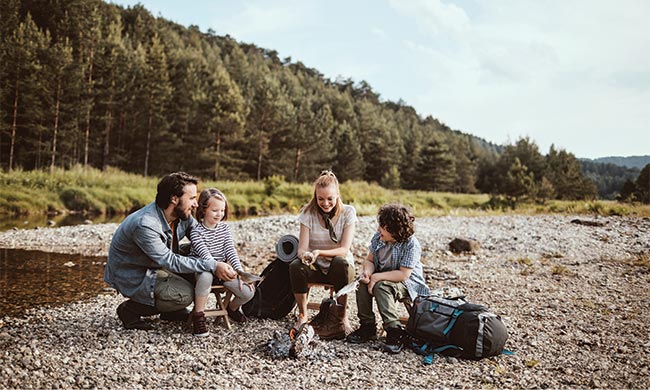
(Tiffany Miller) Kids have more ways to connect than ever. They can text, scroll, game, comment and chat all before they even leave the house. Yet for many young people, all that connection does not necessarily translate into feeling known, useful or part of something larger than themselves.
The World Health Organization (WHO) calls loneliness a global health threat, and the numbers explain why. With 1 in 6 people affected worldwide, loneliness hits the hardest among teens and young adults ages 13 to 29, where between 17% and 21% report feeling lonely. Young people experiencing chronic loneliness are twice as likely to develop depression and 22% more likely to earn lower grades, according to the WHO. If screens are now built into childhood, what actually helps kids build confidence, purpose and belonging?
New research from Harris Poll, commissioned by Scouting America, examined more than 3,000 U.S. adults, including those who earned the Eagle Scout rank, the program’s highest designation, and compared them with adults who never participated. Conducted for three months beginning October 10, 2025, the survey of 3,178 adults asked for feedback on well-being, civic engagement, leadership and character development. The findings reveal meaningful differences in how those groups describe their relationships, outlook, civic involvement, connection and sense of purpose.
The clearest difference may be loneliness. Just 11% of those who earned the Eagle Scout rank say they frequently feel lonely, compared with 23% of non-participants. Those who earned the rank are also more likely to report a strong sense of purpose, with 78% saying they feel one compared with 60% of those who were never in the program, and 95% describe themselves as happy versus 82% of adults who never took part.
The data does not reduce childhood connection to a single activity. It shows how structured, real-world experiences can give young people repeated chances to be active participants rather than passive ones, working alongside others, taking responsibility, solving problems, serving a community and building confidence over time.
That matters because belonging is not built in theory, it is built through repetition and lived experience. A young person shows up, learns a skill, helps with a project, gets trusted with responsibility and begins to see that their presence matters. From the outside these moments may look small, but over time, they can shape how a person sees themselves and how they relate to others.
Those patterns extend into adult life. The research does not establish that the program causes these outcomes, but the consistency across measures is striking. Some 74% of those who earned the Eagle Scout rank say they have held leadership positions at work, compared with 31% of non-participants. Another 57% say they have spoken up for a cause they believe in or on behalf of others, versus 33% of those who never took part.
The story inside the numbers is not that every child needs the same path. It is that young people need places where they are asked to show up, contribute and be counted on. They need adults who mentor them, peers to collaborate with them and real responsibilities that help them practice who they are becoming.
In a childhood increasingly shaped by digital life, those experiences can be easy to underestimate. But the research shows the long-term value of giving kids something to do, somewhere to belong and a reason to see themselves as capable. For families worried about loneliness, confidence or lack of meaningful connection alongside their digital lives, the takeaway is practical: Look for structured experiences that allow young people to participate, contribute and lead. Connection is not just something kids feel. It is something they get to practice.
Methodology
The research was conducted online in the United States by The Harris Poll on behalf of Scouting America among 3,178 U.S. adults ages 18-plus, including 1,549 who were never members of Scouting America (“non-Scouts”) and members of Scouting America (“Scouts”), including 1,067 who achieved the rank of Eagle Scout (“Eagle Scouts”) and 562 who did not achieve the rank of Eagle Scout (“non-Eagle Scouts”). The survey was conducted initially from Oct. 10 through Nov. 17, 2025, and relaunched from Dec. 16, 2025, through Jan. 9, 2026.
Photo courtesy of Shutterstock

SOURCE:
Looking for stories that inform, inspire, and keep you connected to what matters right now? Visit STM Daily News for breaking news, community stories, travel, food and drink, health and wellness, technology, transportation, and our popular Knowledge series. Discover fresh content updated daily, and stay informed with news you can use this moment. Don’t forget to subscribe to our newsletter and follow us on social media so you never miss a story.





