

laundry and cleaning
Room-by-Room Tips for Clutter-Free Spaces
Clutter-Free Spaces: A well-organized home isn’t about perfection. Experts often recommend tackling organization one room at a time, sorting items into categories like keep, donate or discard before finding the right storage solutions. If your home could use a refresh, start small and work your way through each space with these organization tips.

Last Updated on May 10, 2026 by Daily News Staff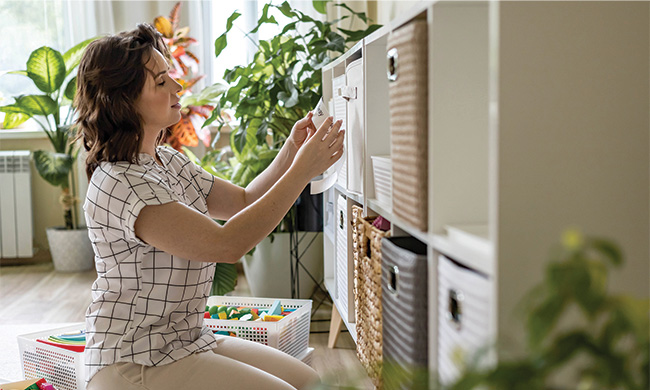
Room-by-Room Tips for Clutter-Free Spaces
(Feature Impact) A well-organized home isn’t about perfection. It’s about creating systems that make everyday life easier. When everything has a place, it’s simpler to maintain and keep clutter from creeping back in.
Experts often recommend tackling organization one room at a time, sorting items into categories like keep, donate or discard before finding the right storage solutions. If your home could use a refresh, start small and work your way through each space with these organization tips.
Entryway
A dedicated “drop zone” ensures items used daily don’t end up scattered throughout the house. However, the entryway is also one of the easiest places for clutter to pile up. To keep it tidy:
- Install wall hooks for coats, bags and backpacks
- Use a small bench or basket for shoes
- Add a tray or bowl for keys, sunglasses and everyday essentials
Kitchen
One of the most-used rooms in nearly every home, kitchen organization is key to making daily routines smoother. To stay organized:
- Clear unnecessary items off countertops
- Group pantry items by category, such as snacks, baking supplies and canned goods
- Store rarely used appliances in cabinets or a pantry
Living Room
Living rooms often serve many purposes, from relaxing and entertaining to working or studying. The key is creating storage that blends seamlessly with your decor:
- Use decorative baskets for blankets, magazines and toys
- Choose furniture with hidden storage like ottomans or coffee tables
- Keep remotes and small electronics in a designated tray or organizer
Bedroom
Your bedroom should feel like a sanctuary. Too much clutter can make it harder to relax and unwind. To maintain order:
- Keep only essential items on nightstands
- Rotate seasonal clothing to free up closet space
- Use under-bed storage bins for extra linens or off-season clothes
Bathroom
Bathrooms often have limited space, so smart storage solutions are essential:
- Keep countertops clear except for frequently used products
- Separate backup supplies from daily-use items, which should be stored for quick access
- Use over-the-door organizers for towels or extra storage
Home Office
Whether you work remotely or simply manage household tasks, an organized office helps you stay focused. To improve productivity and reduce distractions:
- Digitize or recycle unnecessary paperwork
- Use desk trays and organizers for supplies
- Create labeled folders or a filing system for important documents
Storage Areas
Garages, basements and storage rooms can quickly become catch-all spaces. A little planning can make them much easier to manage:
- Label bins for seasonal decorations, tools or sports equipment
- Use shelving and wall storage to maximize vertical space
- Keep an inventory list for larger storage areas
With a little planning and the right habits, a well-organized home becomes easier to maintain. Find more ideas at eLivingtoday.com.
Photo courtesy of Shutterstock


SOURCE:
Welcome to the Consumer Corner section of STM Daily News, your ultimate destination for savvy shopping and informed decision-making! Dive into a treasure trove of insights and reviews covering everything from the hottest toys that spark joy in your little ones to the latest electronic gadgets that simplify your life. Explore our comprehensive guides on stylish home furnishings, discover smart tips for buying a home or enhancing your living space with creative improvement ideas, and get the lowdown on the best cars through our detailed auto reviews. Whether you’re making a major purchase or simply seeking inspiration, the Consumer Corner is here to empower you every step of the way—unlock the keys to becoming a smarter consumer today!
https://stmdailynews.com/category/consumer-corner
Our Lifestyle section on STM Daily News is a hub of inspiration and practical information, offering a range of articles that touch on various aspects of daily life. From tips on family finances to guides for maintaining health and wellness, we strive to empower our readers with knowledge and resources to enhance their lifestyles. Whether you’re seeking outdoor activity ideas, fashion trends, or travel recommendations, our lifestyle section has got you covered. Visit us today at https://stmdailynews.com/category/lifestyle/ and embark on a journey of discovery and self-improvement.

How Invasive Pests Spread and How You Can Help Stop Them
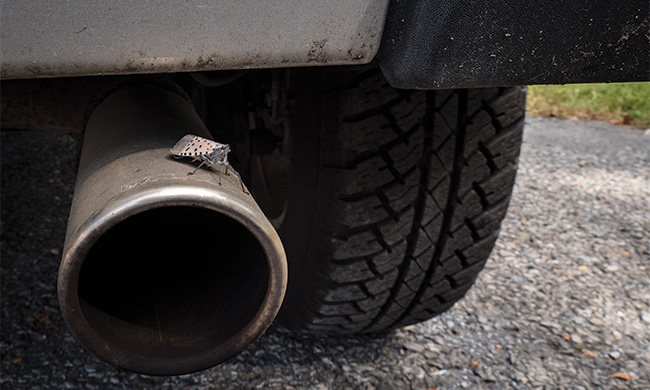
(Feature Impact) Invasive pests can hide in places you’d never expect, and once they spread, they can destroy the trees, plants and food people rely on every day. These pests pose a serious threat to agriculture, forests, ecosystems and the food supply. Many invasive species cannot travel far on their own; instead people unknowingly move them from place to place.
According to the U.S. Department of Agriculture’s Animal and Plant Health Inspection Service, invasive pests hitchhike on everyday items such as plants, produce, firewood, vehicles and outdoor equipment. That makes many common activities – from traveling and online shopping to camping and gardening – potential “pathways” for invasive pests to move and reach new areas. Understanding these pathways is the first step to stopping pests before they spread.
Traveling Abroad
When you travel abroad and return from another country, the agricultural items you bring back can introduce new invasive pests into the U.S. and threaten crops or trees that have no natural defenses against them. Even harmless-looking fruit, seed packets or souvenirs made with plant materials can carry pests such as fruit flies and diseases like citrus canker. That’s why it’s critical travelers declare food, plants and other agricultural products when entering the country from abroad.
Shopping Online
Just because you can order seeds and plants from sellers around the world, it doesn’t mean those items are legal or safe to import. In fact, some invasive snails and plant diseases have entered the U.S. this way. Many agricultural products from overseas require permits, inspections or special paperwork before they can enter the country. Buyers should check where an item ships from, learn the import requirements before purchasing and make sure sellers follow all labeling and shipping rules.
 Partaking in Outdoor Activities
When you spend time outdoors hiking, camping, hunting or fishing, you could inadvertently spread invasive species. For example, transporting firewood from one location to another can spread tree-killing insects, such as the emerald ash borer, which can live inside the wood and emerge later in a new area. The safest choice is to buy or use firewood where you burn it. Additionally, clean all outdoor clothing, gear, equipment and vehicles before leaving an area.
Moving Outdoor Equipment
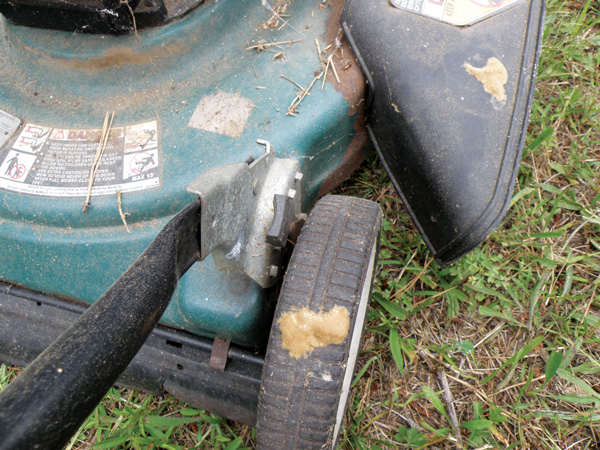
When you move to a new home, your move can create another opportunity for invasive insects to travel. Before relocating patio furniture, grills, trailers or lawn equipment, inspect and clean them carefully. Look for insects, plant debris and egg masses like spotted lanternfly egg masses, which can blend into outdoor surfaces and look like smears of mud or clumps of dirt. A few minutes of checking and cleaning before you move can help prevent pests from invading your new neighborhood.
Invasive pests cost the U.S. billions of dollars every year and damage forests, farms, parks and backyards. Stopping invasive pests starts with simple steps anyone can take: checking what you pack, clean, move and buy. When everyone does their part, fewer pests spread and communities stay healthier and more resilient.
Visit aphis.usda.gov/hungrypests to learn more about how invasive pests spread and the simple steps you can take to help stop them and protect America’s agriculture and natural resources.
Invasive Pest Protection Checklist
- Declare all food, plants and agricultural items when returning from another country.
- When ordering items online, check where the products ship from and verify U.S. import rules before buying.
- If you’re camping, buy firewood where you plan to burn it. Clean clothing, gear and vehicles before leaving.
- Before moving to a new home, inspect outdoor furniture and equipment, looking closely for egg masses or insects.
Content courtesy of USDA.

SOURCE:
United States Department of Agriculture
📰 Enjoying STM Daily News? Join the conversation!
💬 Leave a comment, share your thoughts, and subscribe to our newsletter for the latest stories, updates, and “News You Can Use This Moment!” delivered to your inbox.
Stay connected with STM Daily News!
(Feature Impact) Relationships and plumbing have something in common: they can both benefit from practicing smarter bathroom habits. Whether you’re sharing a household with your family, a partner or roommates, good etiquette in these frequently shared spaces can save everyone’s sanity – just like rethinking your flushing routines can save your pipes.
From simple annoyances like leaving the toilet seat up to potentially costly mistakes like clogging your plumbing by flushing the wrong items, a new survey from the Responsible Flushing Alliance (RFA) illuminated a variety of bad habits that cause the most tension in American homes.
In addition to shedding light on these problems, the alliance outlined solutions you can implement at home to restore peace in your restroom. Plus, you can gamify the habit changes to make them more entertaining.
“Our goal is to revolutionize public education by keeping it highly engaging, memorable and fun,” RFA President Lara Wyss said. “We are challenging the public to rethink their everyday habits.”
Get started with these seven tips:
 Replace the toilet roll properly
Don’t be the reason someone gets stranded with nothing but a cardboard tube in their moment of need. Keep extra rolls nearby, and when you’re down to the last square of toilet paper, make it a race against the clock to replace it.
Use the (flush) force
An unflushed toilet was listed as the biggest bathroom pet peeve by 37% of survey respondents. To make it fun for the family, introduce a new tradition: before you leave the bathroom, pretend there’s an invisible force field pushing you back to make sure you’ve flushed and are good to go.
Hunt for sink and shower hair
Leaving hair in the drain isn’t just a source of potential plumbing clogs – it’s also an irritant for 35% of respondents. After you shower or style your hair, make it a game to see how many stray strands you can capture and deliver to the trash can.
Clean it and close it
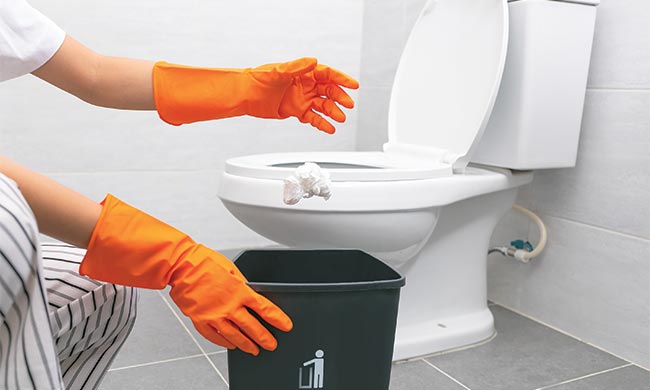
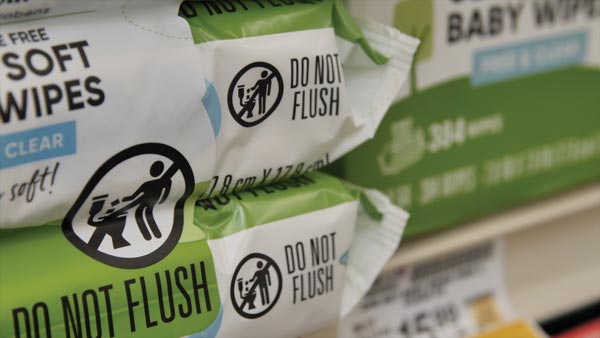
You’ve probably heard jokes about people who leave the toilet seat up, so don’t make yourself the punchline. For a completely un-mockable routine, grab the brush to give the bowl a quick swish after you flush, ensure the seat is down and use an anti-bacterial wipe to leave everything sparkling. You’ll notice cleaning wipes bear the Do Not Flush symbol, which means they go in the trash and never the toilet.
Conquer the counter
Toothpaste and water often splatter all over the place, so to be a polite bathroom roommate, wipe up the mess before it’s even had a chance to dry. Keep cleaning wipes or rags within easy reach and give yourself a 10-second deadline to leave surfaces spotless.
 Practice good towel etiquette
Wet towels don’t belong on bathroom floors. If they still have a use or two left in them, banish them back to your towel rack. Otherwise, challenge yourself to a game of laundry basketball, aiming for the hamper.
Don’t flush the un-flushable
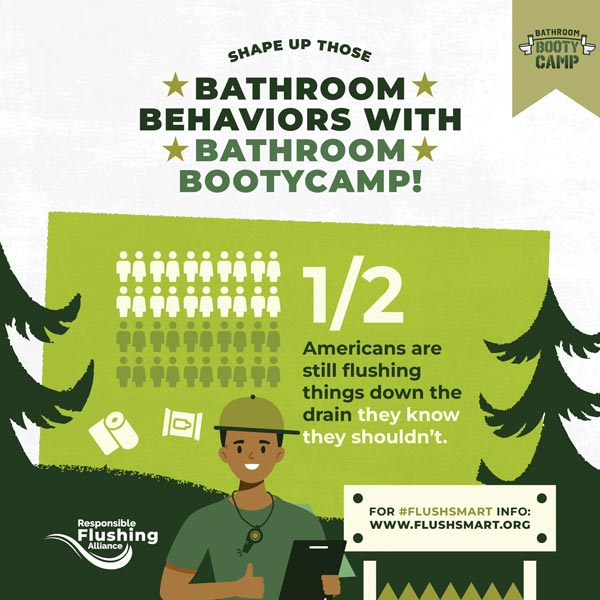
According to an RFA survey, half of Americans are still flushing things they know they shouldn’t, like paper towels, feminine hygiene products and non-flushable wipes. Since clearing a clog in your home can cost anywhere from $300-$15,000 or more, the only thing you’ll be draining with habits like these is your wallet.
“Always check wet wipes for the Do Not Flushsymbol and disposal instructions, which helps us protect not only the health of our homes and environment but our relationships, too,” Wyss said.
Visit FlushSmart.org to learn more about good bathroom etiquette, take an interactive quiz and put these tips into practice with a seven-day challenge.
Photo courtesy of Shutterstock (throwing away non-flushable wipe)

SOURCE:
💪 Your health journey starts here! Explore the latest health news, fitness tips, wellness trends, and healthy living advice. Share your thoughts in the comments and subscribe to the STM Daily News newsletter to stay informed and inspired every day.

home improvement
Sleep Better This Summer with Breathable Bedding
Breathable Bedding: If warm summer temperatures have you tossing and turning at night, you aren’t alone. Heat is a common culprit behind seasonal insomnia and can make it difficult to get a good night’s sleep. When the body struggles to cool down properly, it may lead to restlessness, night sweats, and disrupted sleep patterns.
Sleep Better This Summer with Breathable Bedding
(Feature Impact) If warm summer temperatures have you tossing and turning at night, you aren’t alone. Heat is a common culprit behind seasonal insomnia and can make it difficult to get a good night’s sleep. When the body struggles to cool down properly, it may lead to restlessness, night sweats, and disrupted sleep patterns.
Watch this video to learn more
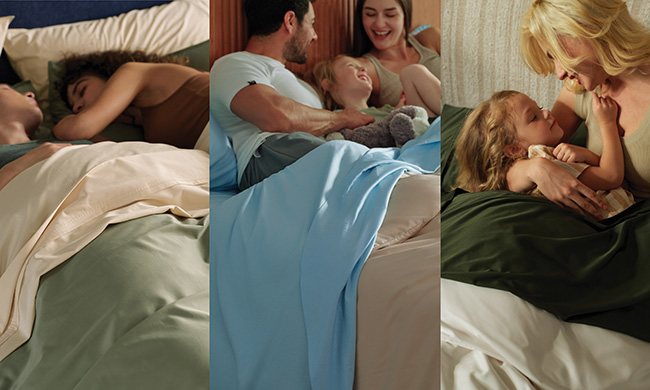
Before you reach for the thermostat, though, take some time to examine your bedroom setup. Switching to breathable bedding, like Bedsure PureWoven Bamboo Sheets, can help your body regulate its temperature better overnight. Made with bamboo-derived fibers, the sets include sheets, pillowcases, duvet covers, and comforters designed to keep you cool and comfortable while you sleep. The bamboo viscose material is moisture-wicking and smooth, and you can choose from a variety of colors to match your decor.
In addition to choosing bedding made with soft, breathable materials like viscose derived bamboo sheets bamboo, try using fans to promote better airflow in your bedroom. You can also improve your overall sleep quality by winding down with soft, dim lighting as you prepare for bed, and using blackout curtains to keep your space dark overnight.
Making simple swaps in your sleep environment can help you stay well-rested throughout the summer. Learn more at bedsurehome.com or search “Bedsure PureWoven Bamboo Sheets” on Amazon.

SOURCE:
📰 Enjoying STM Daily News? Join the conversation!
💬 Leave a comment, share your thoughts, and subscribe to our newsletter for the latest stories, updates, and “News You Can Use This Moment!” delivered to your inbox.
Stay connected with STM Daily News!





