

home improvement
Americans are proactive homeowners, but this country beats them in DIY home repairs

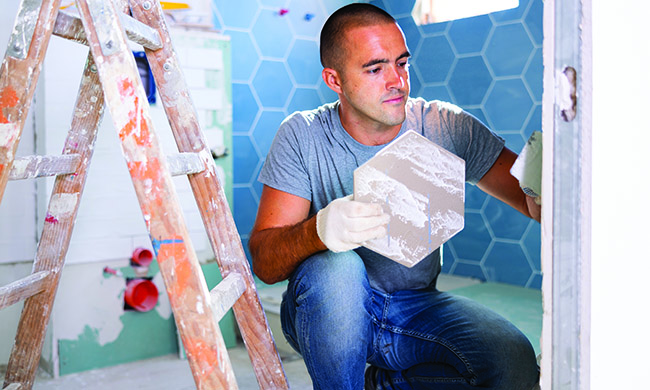
(Sheeka Sanahori) There is always something: a leaky faucet, chipping paint, gutters full of leaves or a room that no longer works the way it used to. Homeownership comes with a permanent background hum of maintenance, repairs and decisions that can only be ignored for so long.
What homeowners do next depends a lot on where they live.
A new international study from Angi, a home services marketplace, found that Americans are among the world’s more proactive homeowners, with nearly half (49%) taking a preventative approach to maintenance, scheduling regular checks and staying on top of concerns before something breaks. South Korea leads the study at 56%. Japan sits at the other end: 60% of Japanese homeowners address issues only when they arise.
When it comes to DIY home repairs, France leads the study. Sixty-five percent of French homeowners say they handle most repairs themselves, the highest rate among the surveyed countries.
Home care, it turns out, looks fundamentally different depending on where people live and what they believe home is for. Cultural differences are also at play for homeowner behavior beyond the toolbox. In France, 2 out of 5 homeowners enforce a no-phones rule at the dinner table, the highest rate in the study, while Canadians and Japanese are nearly twice as likely as Americans to require shoes off at the door (69% vs. 37%).
Opinions vary from country to country, even for keeping a tidy home. A majority of Germans and Americans prefer to keep a “lived-in and comfortable” appearance. Forty percent of Brazilians believe a home should always be clean and tidy, more than any other country. Of all the countries surveyed, the Dutch were the most likely to respond with “home is for living, not impressing others.”
In North America, homeownership tends to be tied to investment. Americans and Canadians are the most likely of any country to renovate specifically to increase property value, while many European homeowners prioritize comfort and quality of life over resale potential. When a home no longer fits, the instinct varies just as sharply: More than three-quarters of German homeowners would renovate rather than move, the highest rate across all countries surveyed, while 41% of British homeowners would rather relocate. Americans take a more pragmatic middle path—37% say they would stay and make do.
Unexpected and emergency repairs remain a universal source of stress regardless of the country. The most maintenance-minded Americans are also the youngest: Gen Z and Millennial homeowners lead on proactive upkeep, with 51% preferring to check home systems before problems start and 55% using smart security technology compared with 19% of Baby Boomers and the Silent Generation.
A home is never just the structure itself. It reflects the routines, priorities and tradeoffs people make, from the repairs they tackle to the rituals that shape daily life. Around the world, home care is less about one right way to do it and more about what people believe a home is supposed to be.
Methodology
Angi, along with its international family of home service marketplaces, commissioned an online survey of 4,492 homeowners across 10 countries, including the United States, Canada, the United Kingdom, France, Germany, the Netherlands, Australia, South Korea, Japan and Brazil. The U.S. sample included 1,237 homeowners. The margin of error for U.S. findings is plus or minus 2.8 percentage points at a 95% confidence level. Fieldwork was conducted between May 1 and May 19, 2026.
Photo courtesy of Shutterstock

SOURCE:
📰 Thanks for reading STM Daily News – your source for News You Can Use This Moment!
We love hearing from our readers. Share your thoughts in the comments section and join the conversation with our growing community. Your feedback helps us create the stories and features that matter most to you.
Don’t miss the latest news, inspiring stories, lifestyle tips, food and drink features, and exclusive updates. Subscribe to the STM Daily News newsletter and get our top stories delivered directly to your inbox.
💬 Leave a comment.
📧 Subscribe to our newsletter.
📢 Share your favorite stories with friends and family.
Stay informed, stay connected, and be part of the STM Daily News community at STMDailyNews.com.


Lifestyle
7 Fire Prevention Tips to Protect Your Home and Community
7 Fire Prevention Tips: Fires can be devastating, but many of them are preventable with simple precautions and smart everyday choices. Consider these tips to reduce the risk of fires and keep your household, family and community safe.
7 Fire Prevention Tips to Protect Your Home and Community
(Feature Impact) In observance of National Fire Prevention Month, it’s a good time to review your fire safety habits at home and in your neighborhood. Fires can be devastating, but many of them are preventable with simple precautions and smart everyday choices.
Consider these tips to reduce the risk of fires and keep your household, family and community safe.
Test Your Smoke Alarms
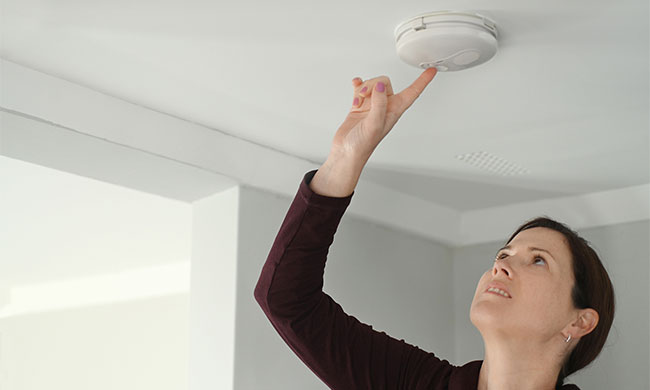
Smoke detectors are one of the simplest yet most important tools for protecting your home, loudly alerting you to potential danger at any time of the day or night. Test them monthly, follow manufacturer’s instructions for replacement and change batteries as needed.
Heat Your Home Safely
Depending on how you heat your home, there can be different hazards to remain aware of. Never leave fireplaces unattended when in use and have them inspected and maintained as recommended by a trained professional. If you use portable heaters, keep them at least three feet away from curtains, bedding, furniture and other flammable materials.
Prevent Electrical Fires
Frayed cords, damaged outlets or overloaded appliances can pose real danger to your home when they overheat or spark. Particularly if you live in an older home or have outdated appliances, keep an eye out for warning signs like tripped circuit breakers, malfunctioning devices or the smell of burning. If you’re concerned, have your system inspected by a qualified electrician.
Store Flammable Objects Carefully
Keeping matches and lighters out of reach of children is always a smart first step for household fire safety. Also follow safe storage practices for items like lighter fluid, propane, aerosol cans and other household products that could potentially ignite when exposed to heat or a stray spark.
Practice Smart Kitchen and Grill Habits
From sparks flying off the grill to hot oil forgotten in the frying pan, cooking is the leading cause of household fires. Stay attentive in the kitchen, never leave cooking food unattended and avoid setting combustible materials like paper plates or fabric towels too close to a stove or grill. Also keep your appliances cleaned and well-maintained.
Plan Your Escape Route
Fires can spread quickly, which is why it’s important for everyone in your household to know the plan (and backup plan) for safely exiting different areas of the house during an emergency. Decide on a specific meeting place outside and practice quick fire drills together to build muscle memory.
Observe Local Fire Safety Rules
Where you live determines what kinds of fire risks affect your community, so make sure you stay informed about local regulations. For instance, areas prone to drought or wildfire may have rules about outdoor burning, and local fire prevention ordinances may outline specific requirements for smoke alarms in your home.
Find more home safety tips at eLivingtoday.com.
Photo courtesy of Shutterstock
SOURCE:
eLivingtoday.com
home improvement
5 Simple Steps to Prepare Before Disaster Strikes
Disaster preparedness doesn’t have to be expensive or complicated. It’s all about the small, simple steps you can take to protect yourself, your family and your community.

(Feature Impact) Disaster preparedness doesn’t have to be expensive or complicated. It’s all about the small, simple steps you can take to protect yourself, your family and your community.
Yet, as severe weather becomes more frequent, many people aren’t prepared for the impact.
New research from United Way Worldwide and Verizon revealed that although 60% of U.S. adults are concerned a natural disaster could affect their household in the next year, only 15% would feel very prepared for one.
While many people understand the risks, they face real barriers to preparation. Cost remains the primary obstacle to disaster preparedness with 45% of those surveyed naming it as the top barrier. In addition to cost, lack of time (25%) and not knowing where to start (28%) prevented people from taking action.
That’s why preparedness should be practical and affordable.
For example, the United Way’s United We Prepare initiative, supported by Verizon, offers free disaster preparedness workshops, emergency kit distribution, information on local emergency services and practical guidance to help people plan and be ready to weather a storm.
When individuals and families are better prepared, communities are more resilient. Get started with these simple, zero-cost steps:
 Identify Key Emergency Contacts
Choose a relative or friend outside of your immediate community who can act as a central check-in point or offer shelter during an emergency. Also, take a few moments to create updated digital and physical emergency contact lists with names, phone numbers and addresses of loved ones as well as service and healthcare providers.
Enable Local Alerts
Identify trusted local emergency services and news that can provide weather and emergency information. Turn on wireless emergency alerts in your phone settings, bookmark local news weather pages and save other important website links to ensure you’re in-the-know when disasters strike.
Build a Support System
Before severe weather, touch base with at least two neighbors or family members to identify what help they may need (or what assistance they can provide) and create a plan for checking in with each other in the event of an emergency.
Plan for Special Needs
It’s easiest to make clear-headed decisions before you’re stressed and rushing in the heat of the moment, so sit down and sketch out basic plans for special needs related to transportation, prescriptions, caregiving and pets before severe weather arrives. Decide where you would meet if separated, how to get there if transportation is disrupted, who would pick up children or take care of pets, what health needs or medications need to be considered and more.
Save Key Information and Documents Digitally
During a crisis, you likely won’t have time to search filing cabinets, desks and glove compartments for important documentation. Take photos or make digital copies of identification documents, insurance information, medical cards, prescription details, important household records and other key documents to access if you need to leave home quickly. For insurance purposes, it may also be helpful to take a video of your property and valuable belongings in your home in case they’re damaged or ruined.
The goal isn’t to do everything at once; it’s to start. An hour spent making connections, gathering information and talking through a plan today can make it easier to act when time matters most.
For more simple preparedness tips and resources, visit UnitedWePrepare.org.
Test Your Disaster Preparedness Knowledge
Take the quiz at UnitedWePrepare.org to test your knowledge on 10 disaster preparedness questions customized to your area, such as:
- What should you include in a winter emergency supply kit for your car?
- What is the difference between a Tornado Watch and Tornado Warning?
- When should you evacuate during a wildfire?
- Why is it important to prepare for disasters?
Photo courtesy of Shutterstock (preparation supplies)
SOURCE:
Consumer Corner
Cold cities are the most ready for winter, with one exception. See where your city ranks
Cold cities? Every neighborhood has a mix of homeowners who approach seasonal home maintenance differently – there are the people who stay on schedule, and on the other end, the procrastinators. There are the dedicated DIYers, and those who have their favorite maintenance pro saved as a favorite contact in their phone. As it turns out, cities are no different. Some metropolitan areas keep their neighborhoods in tip-top shape, while others are a little more slow-going.
Cold cities are the most ready for winter, with one exception. See where your city ranks
(Sheeka Sanahori) Every neighborhood has a mix of homeowners who approach seasonal home maintenance differently – there are the people who stay on schedule, and on the other end, the procrastinators. There are the dedicated DIYers, and those who have their favorite maintenance pro saved as a favorite contact in their phone. As it turns out, cities are no different. Some metropolitan areas keep their neighborhoods in tip-top shape, while others are a little more slow-going.
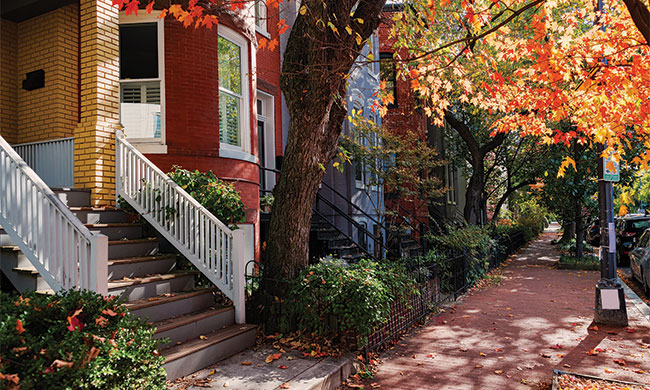
New data from home services company Angi, covering fall maintenance activity in August, reveals which U.S. metropolitan areas are the most proactive with fall maintenance. Washington, D.C., tops the ranking with the strongest demand for fall maintenance in the country, followed by Columbus, Ohio, and Milwaukee, Wisconsin. Northern cities dominate the rest of the list.
Cleveland, Ohio, and Albany-Schenectady-Troy, New York, round out the top five. Cold-weather markets dominate the ranking, accounting for eight of the 10 most-prepared metros. Rochester, New York; Charlotte, North Carolina; Chicago; Indianapolis; and Pittsburgh complete the top 10.
Least fall-ready metros
Fewer than 1 in 5 American cities is prepping for fall at an above-average rate. Among the 66 metros that recorded at least 100 fall maintenance service requests during the analysis period, Los Angeles had the lowest level of per-capita activity, followed by Oklahoma City and Riverside, California. California accounts for four of the bottom 10 markets, with Los Angeles, Riverside, San Diego and San Francisco all appearing on the list. These metros historically don’t experience the colder winter climates of the Northeast and Midwest, making fall maintenance less of an imperative.
Grand Rapids, Michigan, stands out as the only clearly cold-weather metro among the 10 least-prepared large metros. The New York City metro, which includes Newark and Jersey City, ranked just outside the 10 least-prepared large metros, coming in at number 11. Other New York state metros, including Syracuse, Rochester and the Albany metro area, were on the most prepared list.
Homeowners are choosing upkeep over upgrades
Sixty-three percent of homeowners who have recently hired a professional completed maintenance work, and 58% completed repairs. Although they may be waiting to do that dream kitchen or bath renovation, they’re focusing for now on the maintenance that keeps their homes in order.
The most common fall maintenance projects focus on outdoor upkeep. Nationally, tree trimming was the most popular, followed by lawn and yard waste cleanup and shrub care.
What homeowners should do now
When tackling a home maintenance list, start at the top of the home by inspecting the roof and gutters. Look for loose or damaged shingles, and make sure gutters are debris-free. It’s also a good idea to ensure downspouts direct water far away from the foundation. Homeowners should inspect these areas from the ground or hire a professional if the work requires climbing or feels unsafe.
Next, check for drafts around the windows and doors. Replacing worn weatherstripping and damaged caulk in the fall can prevent warm air from escaping once the heat comes back on. Homeowners should also inspect their HVAC filters and have the heating system checked before the temperatures drop.
Every home’s maintenance needs will vary, depending on the age and condition of the house and where it’s located. Whether homeowners hire a professional or safely address small issues, making the fixes can prevent larger and more expensive problems later.
The ranking: Metros from most to least prepared
America’s 10 Most Fall-Prepared Metros
1. Washington, D.C.
2. Columbus, Ohio
3. Milwaukee, Wisconsin
4. Cleveland, Ohio
5. Albany-Schenectady-Troy, New York
6. Rochester, New York
7. Charlotte, North Carolina
8. Chicago, Illinois
9. Indianapolis, Indiana
10. Pittsburgh, Pennsylvania
10 Metros With the Most Opportunity to Get Fall-Ready
1. Los Angeles, California
2. Oklahoma City, Oklahoma
3. Riverside, California
4. Miami, Florida
5. San Diego, California
6. Houston, Texas
7. Grand Rapids, Michigan
8. San Francisco, California
9. Austin, Texas
10. Memphis, Tennessee
Methodology
The rankings are based on fall maintenance activity recorded on Angi during August 2026. Projects included yard cleanup, winterization, roofing and gutters, heating systems, water and drainage, outdoor plumbing, fireplaces and chimneys, pest prevention, and snow and storm preparation. U.S. metropolitan areas were ranked by activity per 100,000 residents using 2020 U.S. Census population data. To qualify for the least-prepared ranking, metros were required to have at least five service requests or jobs during the analysis period. The rankings reflect activity on Angi’s platform and are not a complete measure of all home-maintenance activity within each metro. These rankings reflect activity observed on Angi’s platform and should not be interpreted as a complete measure of all home-maintenance behavior within a metro area.
Photo courtesy of Shutterstock
SOURCE:
Angi





