

home improvement
Building Your Dream Home Anytime, Anywhere

Last Updated on June 26, 2024 by Daily News Staff
5 tips to create a comfortable forever home
(Family Features) For most homebuyers, their dream homes are not something they’re likely to find already on the market. With a unique vision of your dream home’s look, location and features, building a custom home is generally the easiest way to make that dream a reality.
To keep things moving as smoothly as possible amid what can be a complicated process, consider these tips as you embark on the journey.
Set a Realistic Budget
You’ll need to start by determining how much you can spend on your house. Typically, the cost of building a home is around $100-$200 per square foot, according to research from HomeAdvisor. You’ll also need to account for the lot price as well as design fees, taxes, permits, materials and labor. Materials and labor should make up about 75% of the total amount spent, but it’s wise to build in a buffer for price changes and overages. While building your budget, consider what items and features are “must-haves” and things that should only be included if your budget allows.
Identify the Perfect Location
Think about where you’d like to live and research comparable lots and properties in those areas, which can give you a better idea of costs. Because the features of many dream homes require a wider footprint, you may need to build outside of city limits, which can make natural gas more difficult to access. Consider propane instead, which can do everything natural gas can and go where natural gas cannot or where it is cost prohibitive to run a natural gas line. Propane also reduces dependence on the electrical grid, and a propane standby generator can safeguard your family if there is a power outage.
“As a real estate agent and builder, I have the pleasure of helping families select their dream homes,” said Matt Blashaw, residential contractor, licensed real estate agent and host of HGTV’s “Build it Forward.” “The homes we design and build are frequently in propane country, or off the natural gas grid. Propane makes it possible to build an affordable and comfortable, high-performing indoor living spaces and dynamic outdoor entertaining areas.”
Keep Universal Design Principles in Mind
Many homebuyers want to ensure their space is accessible to family members and guests both now and for decades to come. As the housing market slows and mortgage rates rise, buyers may look to incorporate features that allow them to age in place. Incorporating principles of universal design – the ability of a space to be understood, accessed and used by people regardless of their age or ability – can make it possible to still enjoy your home even if mobility, vision or other challenges arise as you age.
For example, the entryway could have a ramp or sloped concrete walkway leading to a front door wide enough to accommodate a wheelchair with a barrier-free threshold. Inside, wider hallways and doorways, strategic lighting and appliances installed at lower heights are mainstays of universal design. Counters of varying heights, drop-down cabinet racks and roll-under sinks in kitchens and zero-entry showers, slip-resistant flooring and grab bars in bathrooms offer enhanced accessibility.
Consider Alternative Energy Sources
With today’s electric grid, more than two-thirds of the energy is wasted; it never reaches homes. Unlike electricity, propane is stored in a large tank either above or below ground on the property. A 500-gallon tank can hold enough propane to meet the annual energy needs of an average single-family home – enough to power major systems in a home.
Propane pairs well with other energy sources, including grid electricity and on-site solar, which makes it a viable option for dual-energy homes. Like natural gas, propane can power major appliances such as your furnace, water heater, clothes dryer, fireplace, range and standby generator. Often, propane works more efficiently with fewer greenhouse gas emissions than electricity, meaning your home is cleaner for the environment.
Propane can even power a whole-home standby generator, which is often a big selling point. When a homeowner purchases a standby generator, a licensed electrician installs the unit outside the home and wires it to the home’s circuit breaker. When a power outage occurs, the generator automatically senses the disruption of service and starts the generator’s engine, which then delivers power to the home. From the warm, comfortable heat of a propane furnace to the peace of mind offered by a propane standby generator, many homeowners trust propane to provide a safe, efficient, whole-home energy solution.
Build a Team of Experts
Hiring the right people can make the process of turning your dream into reality go much smoother. Start by researching reputable builders, paying special attention to the types of homes they build to find a style that matches what you’re looking for as well as price ranges for past homes they’ve built. Consider how long the builders have been in business and if they’re licensed and insured.
Depending on your builder’s capabilities, you may also need to hire an architect or designer. In addition to your real estate agent to assist with purchasing the lot and selling your previous home, you may need assistance from other professionals, such as a real estate attorney, landscape architect and propane supplier. A local propane supplier can work with the builder to install a properly sized propane storage tank either above or below ground and connect appliances.
Find more ideas for building your dream home at Propane.com.
Propane-Powered Appliances
You may be surprised to learn propane can power major appliances, which can increase the value of a home because of their high performance, efficiency and reduced dependence on the electrical grid.
Furnace
A propane-powered furnace has a 50% longer lifespan than an electric heat pump, reducing its overall lifetime costs. Propane-powered residential furnaces also emit up to 50% fewer greenhouse gas emissions than electric furnaces and 12% fewer greenhouse gas emissions than furnaces running on oil-based fuels.
Boiler
Propane boilers have an expected lifespan of up to 30 years, but many can last longer if serviced and maintained properly. High-efficiency propane boilers offer performance, space savings and versatility as well as a significant reduction in carbon dioxide emissions compared to those fueled by heating oil.
Standby Generator
Propane standby generators supply supplemental electricity in as little as 10 seconds after an outage. Plus, propane doesn’t degrade over time, unlike diesel or gasoline, making it an ideal standby power fuel.
Clothes Dryer
Propane-powered clothes dryers generate up to 42% fewer greenhouse gas emissions compared to electric dryers. They also dry clothes faster, which can reduce energy use and cost.
Range
With up to 15% fewer greenhouse gas emissions compared to electric ranges, propane-powered ranges also allow for greater control of heat levels. Plus, their instant flame turnoff capabilities help them cool faster.
Tankless Water Heater
Propane tankless water heaters have the lowest annual cost of ownership in mixed and cold United States climates when compared with electric water heaters, heat pump water heaters and oil-fueled water heaters. They also only heat water when it is needed, reducing standby losses that come with storage tank water heaters.
Photos courtesy of Laurey Glenn and Paragon Building Group (house exterior and kitchen)
SOURCE:
Propane Education & Research Council
https://stmdailynews.com/category/lifestyle/business
Author



Refresh Your Home: A Room-by-Room Spring Cleaning Checklist
(Feature Impact) After months of winter, spring cleaning isn’t just about dusting and vacuuming – it’s about inviting sunlight and fresh air into your space through the open windows and giving yourself a fresh start for the longer days ahead.
It’s also a perfect opportunity to clear out the old and make room for new experiences, memories and energy. Whether you’re tackling deep cleaning for the first time or you have seasonal rituals for tidying up your home, this room-by-room guide can help you plan and conquer seasonal chores.
Whole Home:
- Declutter spaces: Donate, recycle or discard what you don’t need
- Wash windows inside and out
- Dust baseboards, walls, vents and ceiling fans
- Wipe down doors, knobs and light switches
- Vacuum and clean under and behind furniture
- Clean curtains and blinds
- Store seasonal items like winter clothing and decor
- Replace air filters
- Shampoo carpet
Kitchen:
- Empty and wipe down refrigerator and freezer
- Clean oven, stovetop and microwave
- Scrub countertops and backsplashes
- Clean out the garbage disposal
- Sweep and mop floors
- Organize the pantry and throw away any expired items
Bathrooms:
- Scrub grout and tile
- Clean mirrors and glass surfaces
- Deep clean toilets
- Wipe down cabinets and bathroom fixtures
- Wash rugs, floor mats and the shower curtain and liner
- Empty trash and clean the bin
Bedrooms and Other Living Areas:
- Wash bedding, pillows and linens
- Organize closets and drawers
- Vacuum chair, couches and mattresses as well as under cushions
- Dust shelves and decor
- Clean light fixtures and lampshades
Outdoor Areas:
- Power wash patios, sidewalks and driveways
- Wipe down outdoor furniture and replace textiles like pillows, cushions and umbrellas
- Clear debris from garden beds
- Prune shrubs, plants and trees
- Organize garages and sheds
- Reconnect hoses and sprinklers
- Prep lawn equipment such as mowers, weed eaters and blowers
For more spring cleaning tips and tricks, visit eLivingtoday.com.
Photo courtesy of Shutterstock


SOURCE:
Welcome to the Consumer Corner section of STM Daily News, your ultimate destination for savvy shopping and informed decision-making! Dive into a treasure trove of insights and reviews covering everything from the hottest toys that spark joy in your little ones to the latest electronic gadgets that simplify your life. Explore our comprehensive guides on stylish home furnishings, discover smart tips for buying a home or enhancing your living space with creative improvement ideas, and get the lowdown on the best cars through our detailed auto reviews. Whether you’re making a major purchase or simply seeking inspiration, the Consumer Corner is here to empower you every step of the way—unlock the keys to becoming a smarter consumer today!
Consumer Corner
Avoid a Summer Breakdown: Why Now is a Smart Time to Replace an Old HVAC System
As summer approaches, homeowners are encouraged to replace outdated HVAC systems in spring for improved efficiency and cost savings. Many homeowners lack awareness of their system’s age and lifespan, leading to higher long-term costs. Investing in a modern system enhances air quality, reduces energy bills, and adds home value.


(Feature Impact) With summer heat just around the corner, homeowners may not be aware that spring can be a perfect time to prepare for rising temperatures. An outdated heating, ventilation and air conditioning (HVAC) system, for example, may not be up for the task of keeping a home cool.
In fact, it can end up costing homeowners more in the long term due to a gradual decline in efficiency and more frequent repairs. In addition to savings over time, there are multiple reasons to replace an aging system this spring.
In a recent survey, Carrier found more than one-quarter (26%) of homeowners don’t know the age of their HVAC system, and a slight majority (54%) don’t know the average lifespan of one. Those knowledge gaps can result in missed opportunities for long-term savings.
Aging Systems Can’t Take the Heat
Many homeowners postpone purchasing a new HVAC system until their existing system fails or they find their aging system is struggling to maintain a consistent temperature. Often, upfront costs deter homeowners from purchasing a new system; however, 8 in 10 homeowners would consider a new heating and cooling system if it paid for itself in energy savings within 5-10 years. With a new energy-efficient system, those savings are possible.
A New HVAC System is a Critical Home Investment
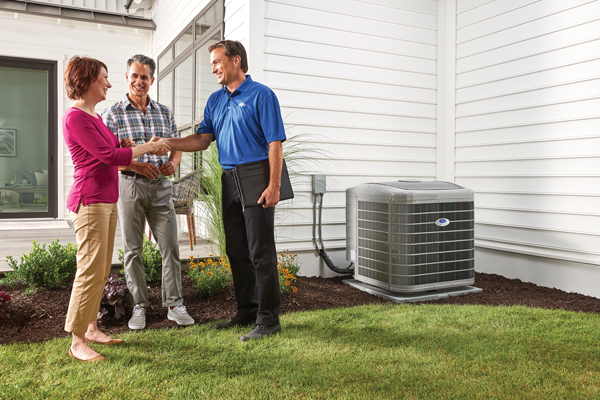 Modern heating and cooling systems have uses beyond heating and cooling. They can improve air quality in the home by balancing humidity levels, reducing drafts and keeping a consistent climate throughout multiple rooms and stories. They also use less energy and run more quietly than older systems, making a home quieter and more cost-effective.
HVAC Basics Many Homeowners Miss
HVAC units often go unseen, yet a home’s comfort depends on them running consistently. It’s critical that homeowners schedule annual maintenance appointments to ensure their system is running as it should and they’re aware of when it may be time to replace.
While it may seem more cost-effective to stick with an outdated system for one more season, an old system could end up prolonging issues and ultimately cost homeowners more in repairs.
Spring is an ideal time to invest in a new HVAC system, as contractors are generally more available to install a new system and homeowners can get ahead of the summer heat, ensuring they’ll be cool all season long.
Signs It’s Time to Replace
Red flags that indicate it’s time for a new HVAC system include: a system that’s more than 10-15 years old, a system that needs noticeably more repairs, energy bills going up despite usage remaining the same, inconsistent temperatures, a system struggling to maintain the desired temperature or a system that’s constantly running or seems less efficient than it used to.
Many companies offer specials during the spring and fall months, known as shoulder season. For example, until May 31, Carrier is offering 0% APR for 60 months and up to $2,100 in rebates so customers can get a jumpstart on a cool, comfortable home. A new HVAC system means more than just cool temps this summer; it means added home value, cleaner air and peace of mind.
Learn more about available rebates, tax credits and financing plans at Carrier.com or by contacting a local expert.


SOURCE:
Carrier
Welcome to the Consumer Corner section of STM Daily News, your ultimate destination for savvy shopping and informed decision-making! Dive into a treasure trove of insights and reviews covering everything from the hottest toys that spark joy in your little ones to the latest electronic gadgets that simplify your life. Explore our comprehensive guides on stylish home furnishings, discover smart tips for buying a home or enhancing your living space with creative improvement ideas, and get the lowdown on the best cars through our detailed auto reviews. Whether you’re making a major purchase or simply seeking inspiration, the Consumer Corner is here to empower you every step of the way—unlock the keys to becoming a smarter consumer today! https://stmdailynews.com/category/consumer-corner
Consumer Corner
Spruce Up Your Home for St. Patrick’s Day
Spruce Up Your Home: Spring is just around the corner, and there are few better ways to freshen up your home than with a wee bit of St. Patrick’s Day decor.
Last Updated on March 15, 2026 by Daily News Staff
(Feature Impact) Spring is just around the corner, and there are few better ways to freshen up your home than with a wee bit of St. Patrick’s Day decor.
Spruce Up Your Home for St. Patrick’s Day
A Splash of Green and a Sparkle of Gold
Whether you love emerald, lime, sage or leafy green shades, simply adding a pop of a new-to-you hue can infuse your home with some St. Paddy’s fever. Check craft stores for reusable greenery to place in a pot or vase, or get crafty and dot pinecones with glue before dusting them with green glitter and placing them in a glass bowl to make a festive display worthy of a leprechaun’s seal of approval. Get Ready for Spring and Shop New Arrivals to Refresh Your Space!
Scent of the Season
Lighting a candle not only creates a festive vibe, but the aroma from a scented candle can remove any staleness in the air and bring some ambiance to your home. Any earthy scent will do – from juniper to fir, pine, sandalwood or amber. Woodsy choices infuse a room with comfort and warmth. Decorative elements like metal charms, beads and crystals (in bright green or gold) add a pop of whimsy to your candle, too.
Shape a Shamrock
Holidays are ideal times to flex your creative muscles and give your home a little artsy edge. Scour the shelves at dollar stores or thrift shops for things like green clay or modeling dough, colored paper, wooden shamrocks, stickers and inexpensive paint sets. Set your artistic side free with paintings or drawings of shimmery rainbows, mischievous leprechauns and shamrocks in various sizes.
Coins, Clover and Centerpieces
One of the easiest ways to add a little Celtic cheer to your home is with joyful table decor. Add some gold shimmer to your dining room table with sparkly ribbons, a bright runner and gold-flecked napkin rings. A fancy glass filled with green baubles and pebbles can be both subtle and festive. A scattering of faux gold coins and rainbow napkins can make the space feel merry and magical.
Find more ideas to get your home ready for St. Patrick’s Day at eLivingtoday.com.
Photo courtesy of Shutterstock
SOURCE:
Welcome to the Consumer Corner section of STM Daily News, your ultimate destination for savvy shopping and informed decision-making! Dive into a treasure trove of insights and reviews covering everything from the hottest toys that spark joy in your little ones to the latest electronic gadgets that simplify your life. Explore our comprehensive guides on stylish home furnishings, discover smart tips for buying a home or enhancing your living space with creative improvement ideas, and get the lowdown on the best cars through our detailed auto reviews. Whether you’re making a major purchase or simply seeking inspiration, the Consumer Corner is here to empower you every step of the way—unlock the keys to becoming a smarter consumer today!
https://stmdailynews.com/category/consumer-corner





