

Business and Finance
Consumer Alert: AI-Powered Fake Businesses Are Fooling Online Shoppers
AI-generated storefronts, fake founders, and emotional marketing are being used to trick online shoppers. Learn how to spot the warning signs and protect yourself.

Last Updated on June 14, 2026 by Rod Washington
Consumers today are increasingly making purchasing decisions based on more than just price. Many actively seek out local businesses, family-owned companies, veteran-owned enterprises, and Black-owned businesses in an effort to support communities and entrepreneurs they believe in.
Unfortunately, scammers are exploiting that goodwill.
A growing number of fraudulent online stores are using artificial intelligence to create convincing business identities designed to gain consumer trust. These AI-powered storefronts often feature realistic founder photos, emotional backstories, glowing customer reviews, and professional-looking websites that appear legitimate at first glance.
In reality, some of these businesses may not exist at all.
The Rise of AI-Generated Storefronts
Artificial intelligence has made it easier than ever to create realistic images, videos, and written content. While these tools have many legitimate uses, bad actors are increasingly using them to create fake online businesses.
These websites often claim to be small businesses facing hardship, family-owned operations struggling to survive, or businesses representing specific communities. Their marketing is designed to connect emotionally with consumers who want their purchases to make a positive impact.
Social media advertisements frequently promote urgent “closing sales,” liquidation events, or limited-time discounts that encourage shoppers to act quickly before researching the company.
Why These Scams Work
Trust has become a powerful marketing tool.
Many consumers intentionally support businesses they believe align with their values. Scammers understand this and use carefully crafted stories to create an emotional connection before a purchase is made.
AI-generated founder photos and biographies can make a website appear authentic even when the people featured do not exist. Combined with fake testimonials and professional branding, these tactics can create the illusion of a thriving small business.
The Impact on Legitimate Businesses
The consequences extend beyond individual consumers who lose money.
Authentic small businesses work hard to earn customer trust through years of service, community involvement, and reputation building. When fraudulent websites falsely present themselves as community-focused businesses, they can damage confidence in legitimate entrepreneurs.
As consumers become more skeptical, genuine business owners may find it harder to convince customers that their stories, products, and missions are real.
Warning Signs to Watch For
Before making a purchase, consumers should look for potential red flags:
- Founder photos that appear overly polished or artificial.
- Business histories that cannot be independently verified.
- Recently created social media accounts with little engagement.
- Deep discounts and constant “going out of business” sales.
- Generic customer reviews lacking specific details.
- Limited contact information or nonexistent customer service.
- Return policies that require shipping products overseas despite claims of being U.S.-based.
Protect Yourself Before You Buy
A few minutes of research can prevent costly mistakes.
Consider searching for independent reviews, verifying business addresses, checking domain registration history, and conducting a reverse image search on founder photographs. Consumers should also be cautious when encountering emotional stories that create a sense of urgency or pressure immediate purchases.
Trust but Verify
Artificial intelligence is transforming commerce and communication, but it is also creating new opportunities for deception.
Supporting small businesses remains one of the most effective ways to strengthen local economies and communities. In the age of AI, however, consumers may need to take an extra step to ensure the businesses they support are truly who they claim to be.
The best defense against AI-powered scams is simple: trust, but verify.
Closing Footnote
As artificial intelligence continues to transform online commerce, consumers should remain vigilant when shopping online. A compelling backstory, professional website, or realistic founder photo is no longer proof that a business is legitimate. Taking a few minutes to verify a company’s identity can help protect your wallet and ensure your support goes to genuine entrepreneurs rather than scammers. https://apnews.com/article/2b83cb87d450f22ac0211bfa52ee7b7f?utm_source=chatgpt.com
Related External Links for Further Reading
You can include these resources in your research or share them with readers interested in learning more about AI-generated business scams, online shopping fraud, and consumer protection.
- FTC Consumer Alerts – Official consumer warnings and scam prevention resources from the Federal Trade Commission. “`
- FTC Shopping & Online Buying Advice – Guidance on safe online shopping, evaluating reviews, and avoiding deceptive sellers.
- Better Business Bureau Scam Tracker – Search reported scams and see examples of online shopping fraud reported by consumers.
- BBB Scam Tracker – Report a Scam – Report suspicious businesses and learn how scam investigations work.
- National Cyber Security Centre: Online Shopping Fraud – Advice on identifying suspicious online stores and protecting yourself from shopping fraud.
- AP News: Beware of Online Ads with Elaborate Backstories – Investigation into fake online boutiques that use emotional stories and misleading branding to gain consumer trust.
- FTC Cracks Down on Fake and AI-Generated Reviews – Overview of federal efforts to combat deceptive reviews and AI-generated testimonials. “`
Additional Research Resources
For a deeper dive into the growing problem of AI-assisted scams:
- ScamFerret: Detecting Scam Websites with Large Language Models – Research paper exploring how AI can be used to identify fraudulent websites. “`
- LOKI: Proactively Discovering Online Scam Websites – Research paper examining methods used to identify thousands of previously unknown scam websites. “`
Protect yourself from the latest online scams with STM Daily News. From AI-powered fraud schemes to consumer safety tips, our Consumer Corner delivers practical information to help you make informed decisions. Visit STM Daily News for more news you can use this moment, and don’t forget to subscribe to our newsletter for updates delivered straight to your inbox.







Lifestyle
7 Fire Prevention Tips to Protect Your Home and Community
7 Fire Prevention Tips: Fires can be devastating, but many of them are preventable with simple precautions and smart everyday choices. Consider these tips to reduce the risk of fires and keep your household, family and community safe.


7 Fire Prevention Tips to Protect Your Home and Community
(Feature Impact) In observance of National Fire Prevention Month, it’s a good time to review your fire safety habits at home and in your neighborhood. Fires can be devastating, but many of them are preventable with simple precautions and smart everyday choices.
Consider these tips to reduce the risk of fires and keep your household, family and community safe.
Test Your Smoke Alarms
Smoke detectors are one of the simplest yet most important tools for protecting your home, loudly alerting you to potential danger at any time of the day or night. Test them monthly, follow manufacturer’s instructions for replacement and change batteries as needed.
Heat Your Home Safely
Depending on how you heat your home, there can be different hazards to remain aware of. Never leave fireplaces unattended when in use and have them inspected and maintained as recommended by a trained professional. If you use portable heaters, keep them at least three feet away from curtains, bedding, furniture and other flammable materials.
Prevent Electrical Fires
Frayed cords, damaged outlets or overloaded appliances can pose real danger to your home when they overheat or spark. Particularly if you live in an older home or have outdated appliances, keep an eye out for warning signs like tripped circuit breakers, malfunctioning devices or the smell of burning. If you’re concerned, have your system inspected by a qualified electrician.
Store Flammable Objects Carefully
Keeping matches and lighters out of reach of children is always a smart first step for household fire safety. Also follow safe storage practices for items like lighter fluid, propane, aerosol cans and other household products that could potentially ignite when exposed to heat or a stray spark.
Practice Smart Kitchen and Grill Habits
From sparks flying off the grill to hot oil forgotten in the frying pan, cooking is the leading cause of household fires. Stay attentive in the kitchen, never leave cooking food unattended and avoid setting combustible materials like paper plates or fabric towels too close to a stove or grill. Also keep your appliances cleaned and well-maintained.
Plan Your Escape Route
Fires can spread quickly, which is why it’s important for everyone in your household to know the plan (and backup plan) for safely exiting different areas of the house during an emergency. Decide on a specific meeting place outside and practice quick fire drills together to build muscle memory.
Observe Local Fire Safety Rules
Where you live determines what kinds of fire risks affect your community, so make sure you stay informed about local regulations. For instance, areas prone to drought or wildfire may have rules about outdoor burning, and local fire prevention ordinances may outline specific requirements for smoke alarms in your home.
Find more home safety tips at eLivingtoday.com.
Photo courtesy of Shutterstock
SOURCE:
eLivingtoday.com

home improvement
5 Simple Steps to Prepare Before Disaster Strikes
Disaster preparedness doesn’t have to be expensive or complicated. It’s all about the small, simple steps you can take to protect yourself, your family and your community.

(Feature Impact) Disaster preparedness doesn’t have to be expensive or complicated. It’s all about the small, simple steps you can take to protect yourself, your family and your community.
Yet, as severe weather becomes more frequent, many people aren’t prepared for the impact.
New research from United Way Worldwide and Verizon revealed that although 60% of U.S. adults are concerned a natural disaster could affect their household in the next year, only 15% would feel very prepared for one.
While many people understand the risks, they face real barriers to preparation. Cost remains the primary obstacle to disaster preparedness with 45% of those surveyed naming it as the top barrier. In addition to cost, lack of time (25%) and not knowing where to start (28%) prevented people from taking action.
That’s why preparedness should be practical and affordable.
For example, the United Way’s United We Prepare initiative, supported by Verizon, offers free disaster preparedness workshops, emergency kit distribution, information on local emergency services and practical guidance to help people plan and be ready to weather a storm.
When individuals and families are better prepared, communities are more resilient. Get started with these simple, zero-cost steps:
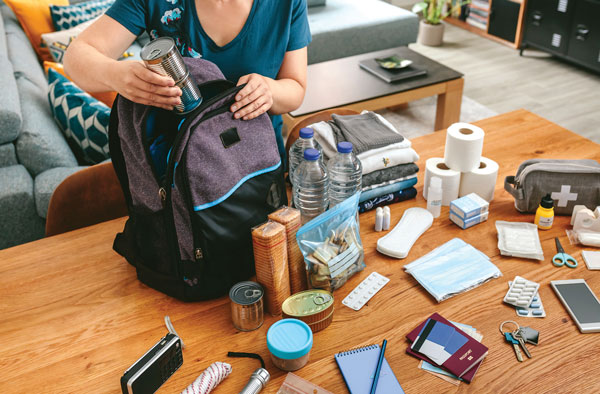 Identify Key Emergency Contacts
Choose a relative or friend outside of your immediate community who can act as a central check-in point or offer shelter during an emergency. Also, take a few moments to create updated digital and physical emergency contact lists with names, phone numbers and addresses of loved ones as well as service and healthcare providers.
Enable Local Alerts
Identify trusted local emergency services and news that can provide weather and emergency information. Turn on wireless emergency alerts in your phone settings, bookmark local news weather pages and save other important website links to ensure you’re in-the-know when disasters strike.
Build a Support System
Before severe weather, touch base with at least two neighbors or family members to identify what help they may need (or what assistance they can provide) and create a plan for checking in with each other in the event of an emergency.
Plan for Special Needs
It’s easiest to make clear-headed decisions before you’re stressed and rushing in the heat of the moment, so sit down and sketch out basic plans for special needs related to transportation, prescriptions, caregiving and pets before severe weather arrives. Decide where you would meet if separated, how to get there if transportation is disrupted, who would pick up children or take care of pets, what health needs or medications need to be considered and more.
Save Key Information and Documents Digitally
During a crisis, you likely won’t have time to search filing cabinets, desks and glove compartments for important documentation. Take photos or make digital copies of identification documents, insurance information, medical cards, prescription details, important household records and other key documents to access if you need to leave home quickly. For insurance purposes, it may also be helpful to take a video of your property and valuable belongings in your home in case they’re damaged or ruined.
The goal isn’t to do everything at once; it’s to start. An hour spent making connections, gathering information and talking through a plan today can make it easier to act when time matters most.
For more simple preparedness tips and resources, visit UnitedWePrepare.org.
Test Your Disaster Preparedness Knowledge
Take the quiz at UnitedWePrepare.org to test your knowledge on 10 disaster preparedness questions customized to your area, such as:
- What should you include in a winter emergency supply kit for your car?
- What is the difference between a Tornado Watch and Tornado Warning?
- When should you evacuate during a wildfire?
- Why is it important to prepare for disasters?
Photo courtesy of Shutterstock (preparation supplies)
SOURCE:
child education
Preparing the Next Generation for Economic Mobility in an AI-Driven World
AI-Driven World: Within only a few years, AI has already changed many things about the world and workforce. Entry-level jobs, particularly the ones relying on routine and predictable tasks, are increasingly disappearing to automation, leaving young people wondering how to launch their careers and futures. To learn what preparing students for the future may look like in practice, consider these tips.

Preparing the Next Generation for Economic Mobility in an AI-Driven World
(Feature Impact) Within only a few years, AI has already changed many things about the world and workforce. Entry-level jobs, particularly the ones relying on routine and predictable tasks, are increasingly disappearing to automation, leaving young people wondering how to launch their careers and futures.
Access to economic mobility – the ability to change your income or wealth – doesn’t just rely on technical knowledge and skills but on leaning into humanity. Being able to think outside the box, collaborate, solve problems and grow as a person can open doors in life and at work. AI may be changing the world, but in change lies opportunity. The students who can adapt quickly are more likely to prosper as the economy continues to reshape itself.
To learn what preparing students for the future may look like in practice, consider these tips from the economic and career experts at Junior Achievement.
Build the Kinds of Skills AI Can’t Replace
Young people facing AI as their competition can get a boost from cultivating the uniquely human skills technology can’t replicate. Educators, parents and other adults in kids’ lives can help them develop increasingly important soft skills like critical thinking, communication, teamwork and leadership, which can translate to many different careers. Hands-on skills can fit into this category as well, like the kinds required in entrepreneurship and the trades.
Provide Real-World Experiences
When young people have the chance to test themselves in a real-world setting, it lets them hone their interests, skills and confidence before the time comes to make major decisions about their futures. As early as elementary school, experiential learning activities like Junior Achievement’s Biztown allow students to operate businesses, work with others, manage finances and solve problems, combining in-class learning with hands-on simulations. As kids grow up, other options can include job shadowing, internships and entrepreneurship experiments – all ways to build durable social and professional skills that can help them succeed.
Teach Foundational Financial Literacy
Earning money is only part of the equation for a healthy financial future; equally important is understanding how to manage it. As kids prepare to earn their first sources of income, make sure they’re also equipped with practical financial skills like budgeting, saving, investing, using credit wisely and planning for future goals. Giving them these tools early helps them make informed decisions about their long-term economic advancement.
Connect Students with Employers and Opportunities
Sometimes, all a student needs to succeed is someone who’s willing to give them a chance. Young people in a position to meet business professionals in (and beyond) their communities may be able to turn those connections into future opportunities. This can happen naturally as they seek real-world experiences through apprenticeships, mentorship programs, career fairs and more.
Programs like Junior Achievement’s 3DE puts students in authentic business challenges, connecting them with educators, business partners and volunteers as they work in teams to complete case experiences. This not only gives young people the opportunity to meet potential employers or mentors, it also lets them demonstrate critical thinking, social skills and real-world competence.
Visit jausa.ja.org for more ideas to help young people gain the confidence and connections needed to achieve economic mobility in a changing world.
Photo courtesy of Shutterstock
SOURCE:





