

Food and Beverage
Little Bites® Brings Back S’mores Muffins for Summer Snacking

Last Updated on April 29, 2026 by Daily News Staff
Summer snacking just got a little sweeter. Little Bites® Snacks has announced the return of its limited-edition Little Bites® S’mores Muffins, giving families a simple way to enjoy the nostalgic flavor of a classic campfire dessert without needing a fire pit.
Inspired by the familiar combination of graham cracker and chocolate, these soft-baked mini muffins are designed to capture the cozy taste of s’mores in a portable, ready-to-eat format. Made with ingredients like graham flour and milk chocolate, the muffins offer a sweet, fluffy bite that fits perfectly into busy summer routines.
According to Rielly Whims, Brand Manager for Little Bites® Snacks, the product reflects the brand’s focus on bringing joy to everyday moments. With the return of S’mores Muffins, families can enjoy a fun, convenient snack that delivers the flavor of summer in an easy, grab-and-go pouch.
A Seasonal Treat Made for On-the-Go Moments
Little Bites® S’mores Muffins are positioned as an ideal snack for the season’s most memorable moments. Whether it’s a backyard hangout, a long road trip, a day at the beach, or a quick poolside break, the muffins are designed to bring a little extra sweetness to summer activities.
Their pre-portioned pouches also make them especially appealing for families looking for convenient snack options that are easy to pack, share, and enjoy anywhere.
Available for a Limited Time
The seasonal muffins are available now at major retailers nationwide while supplies last. As part of the broader Little Bites® lineup, the returning flavor adds a playful, nostalgic twist to the brand’s portfolio of baked snacks.
For Little Bites fans, the return of S’mores Muffins is a timely reminder that some of the best summer flavors do not need a campfire to be enjoyed. With familiar ingredients, portable packaging, and limited-time availability, this seasonal snack is set to be a fun addition to summer shopping lists.
About the Brand
Little Bites® is part of the Entenmann’s® family, a well-known name in baked goods with more than a century of baking heritage. Entenmann’s® operates under Bimbo Bakeries USA, one of the leading baking companies in the country, known for its wide portfolio of household brands and large-scale national distribution.
Together, that backing gives Little Bites® strong brand recognition and broad retail reach, helping seasonal launches like S’mores Muffins find their way into stores across the U.S. just in time for summer.
Related Links
Source
Visit the Food and Drink section on STM Daily News for the latest food news, beverage trends, restaurant stories, seasonal recipes, culinary events, and community-driven lifestyle coverage.


A poached egg may look fancy, but it is surprisingly easy to prepare. With a tender egg white and warm, runny yolk, it makes a delicious addition to toast, salads, breakfast bowls or avocado toast.
Ingredients
- 1 large fresh egg
- Water
- 1 teaspoon white vinegar, optional
- Salt and black pepper
- Toast or English muffin for serving, optional
Instructions
Fill a saucepan with about 2 to 3 inches of water and bring it to a gentle simmer. Avoid a rolling boil, which can break the egg apart.
Crack the egg into a small cup or bowl. Add the vinegar to the water if desired—it helps the egg white hold its shape.
Gently slide the egg into the simmering water. Cook for about 3 minutes for a runny yolk, or 4 to 5 minutes for a firmer center.
Remove the egg with a slotted spoon and place it briefly on a paper towel to absorb excess water. Season with salt and pepper, then serve immediately.
Quick Tip
Fresh, cold eggs usually produce the neatest poached eggs because their whites are thicker and stay closer to the yolk while cooking.
Simple, satisfying and ready in minutes, a poached egg is an easy way to make an everyday breakfast feel a little more special.
recipes
Fiber is Trending: Sorghum Makes it Simple
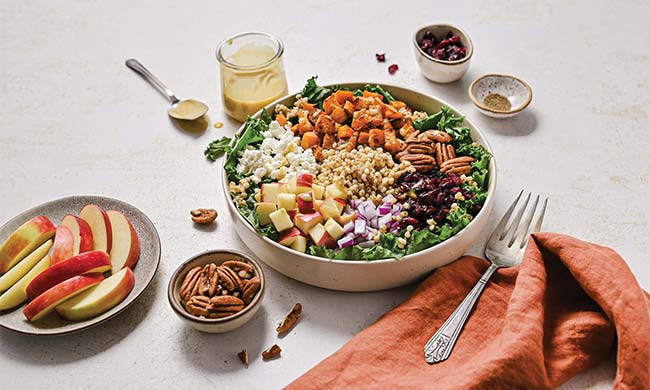
One whole grain quietly gaining recognition for its impressive nutritional profile and versatility in the kitchen is sorghum. This Sorghum Fall Harvest Salad makes it easy to add more fiber to your plate, pairing whole-grain sorghum with seasonal produce like kale, butternut squash and apples.

Fiber is Trending: Sorghum Makes it Simple
(Feature Impact) Protein has long dominated nutrition headlines. Now, dietitians encourage people to pay close attention to another important nutrient: fiber.
One whole grain quietly gaining recognition for its impressive nutritional profile and versatility in the kitchen is sorghum. It’s a naturally gluten-free whole grain that provides both fiber and protein, contains naturally occurring antioxidants and supplies essential nutrients including magnesium, iron and B vitamins.
One reason sorghum is attracting attention is its fiber content. Whole-grain sorghum contains a type of fiber called resistant starch, which research has shown can contribute to healthy body weight and improved insulin resistance.
Unlike many refined gluten-free products that are lower in fiber, sorghum delivers the benefits of a whole grain while remaining naturally gluten-free. Whether you have celiac disease, gluten sensitivity or simply want to enjoy a wider variety of whole grains, sorghum is an easy addition to your menu.
 Another reason nutrition experts are taking a closer look at sorghum is its antioxidant content, specifically its health-promoting polyphenols.
Perhaps the biggest surprise is how easy sorghum is to cook with. Whole-grain sorghum offers a mild, slightly nutty flavor and pleasantly chewy texture, making it a delicious alternative for brown rice, quinoa or farro in grain bowls, soups and salads.
Pearled sorghum cooks faster, making it ideal for busy weeknights. Sorghum flour can replace wheat flour in pancakes, muffins and quick breads, while popped sorghum creates bite-sized crunchy kernels for a fun snack or topping for yogurt, soups and salads. For example, this Sorghum Fall Harvest Salad makes it easy to add more fiber to your plate, pairing whole-grain sorghum with seasonal produce like kale, butternut squash and apples.
Healthy eating doesn’t have to mean following the latest trend. Sometimes it simply means rediscovering nutritious foods that have stood the test of time. With its combination of fiber, protein, antioxidants and naturally gluten-free, whole-grain goodness, sorghum is an ancient grain worth adding to your pantry.
You can find dozens of recipes, cooking tips and meal ideas at SorghumCheckoff.com/recipes.
Easy Sorghum Swaps for Everyday Dishes
If you’re looking for ways to add more sorghum to your meals, these easy swaps make it simple to enjoy this versatile grain in recipes you already love.
- Replace rice. Use cooked whole-grain or pearled sorghum instead of white or brown rice in grain bowls, stir fries, burrito bowls and side dishes.
- Swap for pasta. Stir cooked sorghum into pasta salads or use it in place of small pasta shapes in soups for a hearty twist.
- Mix into salads. Add cooked sorghum to green salads, grain salads or vegetable salads for extra texture and whole-grain nutrition.
- Boost your breakfast. Stir cooked sorghum into oatmeal, yogurt parfaits or breakfast bowls then top with fruit, nuts or cinnamon.
- Bake with sorghum flour. Replace wheat flour in pancakes, muffins, cookies, waffles or quick breads with sorghum flour for a mild, slightly sweet flavor.
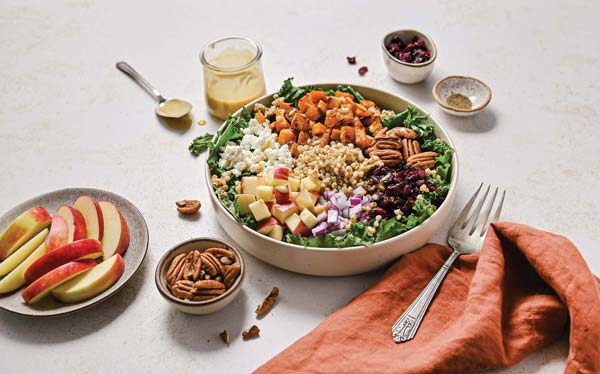
Sorghum Fall Harvest Salad
Recipe courtesy of Sorghum Checkoff
- 1 cup roasted butternut squash, cubed
- 1/4 cup olive oil, plus additional for drizzling, divided
- salt, to taste
- pepper, to taste
- 2 tablespoons apple cider vinegar
- 1 tablespoon sorghum syrup
- 1 teaspoon Dijon mustard
- 4 cups kale, chopped
- 1 cup cooked whole-grain sorghum
- 1 small apple, diced
- 1/2 cup pecan halves, toasted
- 1/4 cup dried cranberries
- 1/4 cup red onions, diced
- 1/3 cup feta cheese, crumbled
- Preheat oven to 400 F. Toss cubed butternut squash with a drizzle of olive oil and salt and pepper, to taste.
- Spread on a baking sheet and roast for 20-25 minutes, flipping halfway, until tender and golden.
- In a jar or small bowl, whisk 1/4 cup olive oil, apple cider vinegar, sorghum syrup, Dijon mustard and salt and pepper, to taste, until emulsified.
- Add chopped kale to a large bowl. Massage with a drizzle of olive oil 1-2 minutes until tender.
- Arrange precooked sorghum, roasted squash, apple, pecans, dried cranberries, red onion and feta cheese on top of kale.
- Drizzle with sorghum syrup dressing just before serving. Toss lightly to combine or serve dressing on the side.

SOURCE:
🍴 What’s your favorite food, recipe, or dining spot? Tell us in the comments! Then subscribe to the STM Daily News newsletter for fresh recipes, restaurant news, food trends, and delicious stories delivered straight to your inbox. Join our growing community of food lovers today!

5 Ways to Make a Difference in Your Community
(Feature Impact) Communities are strengthened every day by local organizations working to address challenges close to home, whether that’s helping families access food, supporting students, expanding opportunity or providing essential resources to those who need them most. Often operating with limited resources, these organizations are finding practical solutions that make a meaningful difference in neighborhoods and communities across the country.
Many of these efforts happen quietly, powered by people who volunteer their time, share their expertise, donate resources or simply help spread awareness of causes they care about.
For individuals looking to make a difference where they live, community involvement doesn’t have to start with a large commitment. Consider these five options to get involved.
Give Your Time
Giving your time is one of the most direct ways to support organizations serving your community. Whether it’s packing meals, mentoring young people or participating in neighborhood cleanups, volunteering allows people to contribute directly while gaining a deeper understanding of local needs.
 Share Your Skills
Nonprofits often need specialized skills in addition to hands-on volunteer support. Communications support, technology expertise, event planning, photography, financial guidance and other professional skills can help organizations expand their reach and strengthen their operations. Contributing the skills you’ve developed can often be just as valuable as donating time or resources.
Tap Into Your Workplace
Many employers offer opportunities to support causes that matter to their employees, such as volunteer programs, community grants or other charitable opportunities.
In communities across the country, local nonprofits can receive support through programs like the PepsiCo Foundation’s Community Impact Awards, where employees can nominate nonprofit organizations in their local communities for grant funding. Since 2022, the program has invested more than $3.7 million into organizations working on issues ranging from food access to education and community development.
“Across North America, there are organizations showing up every day for their communities, often without recognition and with limited resources,” said Monica Bauer, SVP of social impact, PepsiCo and president of the PepsiCo Foundation. “The Community Impact Awards help shine a light on organizations that are creating opportunities, solving local challenges and making a real difference in people’s lives. What makes this program special is that the recognition comes from PepsiCo associates who know these organizations firsthand and have seen their impact up close.”
This year, 100 organizations across the U.S. and Canada received $500,000 total in grants and teamed up with their respective nominating employees for volunteer activities supporting their missions, giving employees another opportunity to engage directly.
Give What You Can
Financial contributions are a valuable way to give back, but they aren’t the only option. Many organizations need non-monetary donations such as school supplies, canned goods, clothing, toys and technology. Before collecting items, check with organizations to learn what is most needed and how contributions can make the greatest impact.
Use Your Voice
One person can make a difference. When that person gets a friend or family member involved, more people can discover and support organizations doing important work. Sharing a nonprofit’s mission on social media, inviting others to volunteer or connecting people with causes you care about can help organizations reach new supporters and expand their impact.
Making a difference doesn’t require doing everything at once. Whether you contribute your time, skills, resources or advocacy, small actions can help make a big impact over time.
Across the U.S., nonprofit organizations are helping improve lives, create opportunities and respond to community needs every day. Their work is a reminder that meaningful change often starts locally with people willing to get involved.
Learn more about how individuals and organizations can help address some of the most pressing needs in their communities by visiting PepsiCo.com/about/social-impact.
SOURCE:
PepsiCo






