

health and wellness
Nutrition advice is rife with misinformation − a medical education specialist explains how to tell valid health information from pseudoscience

Last Updated on February 1, 2025 by Daily News Staff
Aimee Pugh Bernard, University of Colorado Anschutz Medical Campus
The COVID-19 pandemic illuminated a vast landscape of misinformation about many topics, science and health chief among them.
Since then, information overload continues unabated, and many people are rightfully confused by an onslaught of conflicting health information. Even expert advice is often contradictory.
On top of that, people sometimes deliberately distort research findings to promote a certain agenda. For example, trisodium phosphate is a common food additive in cakes and cookies that is used to improve texture and prevent spoilage, but wellness influencers exploit the fact that a similarly named substance is used in paint and cleaning products to suggest it’s dangerous to your health.
Such claims can proliferate quickly, creating widespread misconceptions and undermining trust in legitimate scientific research and medical advice. Social media’s rise as a news and information source further fuels the spread of pseudoscientific views.
Misinformation is rampant in the realm of health and nutrition. Findings from nutrition research is rarely clear-cut because diet is just one of many behaviors and lifestyle factors affecting health, but the simplicity of using food and supplements as a cure-all is especially seductive.
I am an assistant professor specializing in medical education and science communication. I also train scientists and future health care professionals how to communicate their science to the general public.
In my view, countering the voices of social media influencers and health activists promoting pseudoscientific health claims requires leaning into the science of disease prevention. Extensive research has produced a body of evidence-based practices and public health measures that have consistently been shown to improve the health of millions of people around the world. Evaluating popular health claims against the yardstick of this work can help distinguish which ones are based on sound science.
Navigating the terrain of tangled information
Conflicting information can be found on just about everything we eat and drink.
That’s because a food or beverage is rarely just good or bad. Instead, its health effects can depend on everything from the quantity a person consumes to their genetic makeup. Hundreds of scientific studies describe coffee’s health benefits and, on the flip side, its health risks. A bird’s-eye view can point in one direction or another, but news articles and social media posts often make claims based on a single study.
Things can get even more confusing with dietary supplements because people who promote them often make big claims about their health benefits. Take apple cider vinegar, for example – or ACV, if you’re in the know.
Apple cider vinegar has been touted as an all-natural remedy for a variety of ailments, including digestive issues, urinary health and weight management. Indeed, some studies have shown that it might help lower cholesterol, in addition to having other health benefits, but overall those studies have small sample sizes and are inconclusive.
Advocates of this substance often claim that one particular component of it – the cloudy sediment at the bottom of the bottle termed “the mother” – is especially beneficial because of the bacteria and yeast it contains. But there is no research that backs the claim that it offers any health benefits.
One good rule of thumb is that health hacks that promise quick fixes are almost always too good to be true. And even when supplements do offer some health benefits under specific circumstances, it’s important to remember that they are largely exempt from Food and Drug Administration regulations. That means the ingredients on their labels might contain more or less of the ingredients promised or other ingredients not listed, which can potentially cause harms such as liver toxicity.
It’s also important to keep in mind that the global dietary supplements industry is worth more than US$150 billion per year, so companies – and wellness influencers – selling supplements have a financial stake in convincing the public of their value. https://www.youtube.com/embed/VM1zCZLCClM?wmode=transparent&start=0 Misinformation about nutrition is nothing new, but that doesn’t make it any less confusing.
How nutrition science gets twisted
There’s no doubt that good nutrition is fundamental for your health. Studies consistently show that a balanced diet containing a variety of essential nutrients can help prevent chronic diseases and promote overall well-being.
For instance, minerals such as calcium and iron support bone health and oxygen circulation in the blood, respectively. Proteins are essential for muscle repair and growth, and healthy fats, like those found in avocados and nuts, are vital for brain health.
However, pseudoscientific claims often twist such basic facts to promote the idea that specific diets or supplements can prevent or treat illness. For example, vitamin C is known to play a role in supporting the immune system and can help reduce the duration and severity of colds.
But despite assertions to the contrary, consuming large quantities of vitamin C does not prevent colds. In fact, the body needs only a certain amount of vitamin C to function properly, and any excess is simply excreted.
Companies sometimes claim their supplement is “scientifically proven” to cure illness or boost brain function, with no credible research to back it up.
Some companies overstate the benefits while underplaying the hazards.
For example, wellness influencers have promoted raw milk over pasteurized milk as a more natural and nutritious choice, but consuming it is risky. Unpasteurized milk can contain harmful bacteria that leads to gastrointestinal illness and, in some cases, much more serious and potentially life-threatening diseases such as avian influenza, or bird flu.
Such dietary myths aren’t harmless. Reliance on nutrition alone can lead to neglecting other critical aspects of health, such as regular medical checkups and lifesaving vaccinations.
The lure of dietary myths has led people with cancer to replace proven science-backed treatments, such as chemotherapy or radiation, with unproven and misleading nutrition programs.
How to spot less-than-solid science
Pseudoscience exploits your insecurities and emotions, taking advantage of your desire to live the healthiest life possible.
While the world around you may be uncertain and out of your control, you want to believe that at the very least, you have control over your own health. This is where the wellness industry steps in.
What makes pseudoscientific claims so confusing is that they use just enough scientific jargon to sound believable. Supplements or powders that claim to “boost immunity” often list ingredients such as adaptogens and superfoods. While these words sound real and convincing, they actually don’t mean anything in science. They are terms created by the wellness industry to sell products.
I’ve researched and written about reliable ways to distinguish science facts from false health claims. To stay alert and find credible information, I’d suggest you follow a few key steps.
First, check your emotions – strong emotional reactions, such as fear and anger, can be a red flag.
Next, check that the author has experience or expertise in the field of the topic. If they’re not an expert, they might not know what they are talking about. It’s always a good idea to make sure the source is reputable – ask yourself, would this source be trusted by scientists?
Finally, search for references that back up the information. If very little or nothing else exists in the science world to back up the claims, you may want to put your trust in a different source.
Following these steps will separate the facts from fake news and empower you to make evidence-based decisions.
Aimee Pugh Bernard, Assistant Professor of Immunology and Microbiology, University of Colorado Anschutz Medical Campus
This article is republished from The Conversation under a Creative Commons license. Read the original article.


Community
Viewpoint Hosted by Dennis Quaid Brings Attention to a Little-Understood Condition Affecting Families Nationwide
A new Viewpoint hosted by Dennis Quaid segment with APFED raises awareness of eosinophilic esophagitis, its subtle symptoms, and its impact on families.
For more information, readers can visit viewpointproject.com and apfed.org.

For many families, health conditions do not always begin with a dramatic diagnosis. Sometimes they show up in small, everyday habits that seem easy to explain away. Cutting food into tiny bites. Drinking extra water with every meal. Quietly avoiding certain foods altogether. A new educational segment from Viewpoint hosted by Dennis Quaid is shining a light on those subtle warning signs through a collaboration with the American Partnership for Eosinophilic Disorders, helping more people recognize the realities of living with eosinophilic esophagitis, or EoE.
Viewpoint hosted by Dennis Quaid
The segment, distributed to Public Television stations across the country, focuses on making this chronic inflammatory condition easier for the public to understand. For viewers, that matters because EoE is often misunderstood or overlooked, even as it affects daily routines, family meals, and quality of life. By connecting medical information to real-life experiences, the program gives audiences a more human picture of what people with the condition may be facing.

When everyday habits tell a bigger story
Eosinophilic esophagitis occurs when eosinophils, a type of white blood cell, build up in the esophagus, causing inflammation that can lead to tissue damage and narrowing. But what stands out most in this story is not just the science. It is the way people often adapt without realizing it. Behaviors like chewing excessively, avoiding certain textures, or relying on liquids to help swallow can become so routine that they no longer feel unusual.
That is one reason the segment carries real community value. It encourages people to look more closely at symptoms that may have been normalized for years and to seek evaluation from specialists such as gastroenterologists or allergists. It also raises awareness among parents, caregivers, and primary care providers who may be the first to notice that something is not quite right.
More than awareness
The program also explores the emotional and social side of the condition, especially for people navigating dietary restrictions and the uncertainty of delayed diagnosis. In that sense, this is not only a story about medicine. It is also a story about advocacy, support, and the importance of helping people feel seen.
APFED Executive Director Mary Jo Strobel noted that many people with EoE do not realize they have adapted their lives around a medical condition. That message gives the segment its strongest human element: awareness can change lives, not only by leading to diagnosis, but by helping families better understand experiences that may have felt isolating or confusing.
Originally distributed in January 2025, the documentary will continue to be made available to stations through March 2027, extending its reach to more households nationwide.
Related Coverage
Read more from STM Daily News on community issues, public television, health awareness, and stories that connect national topics to everyday life.
For More Information
- Visit the official Viewpoint hosted by Dennis Quaid website
- Learn more about the American Partnership for Eosinophilic Disorders
STM Daily News is a vibrant news blog dedicated to sharing the brighter side of human experiences. Emphasizing positive, uplifting stories, the site focuses on delivering inspiring, informative, and well-researched content. With a commitment to accurate, fair, and responsible journalism, STM Daily News aims to foster a community of readers passionate about positive change and engaged in meaningful conversations. Join the movement and explore stories that celebrate the positive impacts shaping our world.
Authors


health and wellness
Progress, Not Perfection: How Healthy Habits Can Stack Up One Step at a Time
The article emphasizes that achieving better health relies on progress, not perfection. It advocates for realistic goals and highlights tools like My Life Check for personalized health assessments. Small, manageable changes in diet, exercise, sleep, and stress management can significantly impact overall well-being, making healthy habits more attainable and sustainable.

Last Updated on April 1, 2026 by Daily News Staff
Progress, Not Perfection: How Healthy Habits Can Stack Up One Step at a Time
(Feature Impact) Despite the best of intentions, it’s common for plans to build healthier habits to fall flat. Often, the culprit isn’t a lack of motivation or discipline; rather, it’s unrealistic expectations.
Overhauling your lifestyle requires a level of commitment that isn’t always practical. Understanding your personal health needs and the challenges you need to overcome can help give you a more realistic roadmap toward better health.
Tools to Guide You
Every plan needs a starting point and there are many reputable sources that can help guide you toward a plan that addresses your personal health needs.
For example, the American Heart Association introduced My Life Check, a simple, free tool to help individuals understand their heart health and what’s driving it. Users answer simple questions about their daily habits and health factors to get a personalized Heart Health Score in minutes.
The results are private and downloadable, giving you full control of your information. The tool turns big goals into small, specific actions you can start right away. Knowing your numbers relative to your heart health (and where you are in comparison to target ranges for optimal health) can help you decide how to build a better map to get you where you want to be.
While the report is customized to each individual, no personal data is stored and answers are only used to calculate health scores and provide personalized recommendations and practical steps to improve your health, so you can use your results to focus on what matters most to you. Every small step you take, such as moving more, eating smarter, sleeping better or managing stress, can add up over time.

Finding Your Path
Once you’re armed with data and know where you stand on your heart health numbers, small steps become clearer and more manageable. That knowledge makes it easier to choose one area to focus on, such as getting more sleep, taking daily walks or adding more color to your meals.
Healthy changes don’t need to be expensive or complicated. The best habits are ones that fit real life when every action you take moves you closer to your goals.
Staying motivated and on track is also easier when you can check back in, see your progress and realize the steps you’re taking are making an impact. Checking in every few months to see how you can grow gives you the chance to celebrate your progress, learn from challenges and keep building lasting habits that feel good.
To get started with personalized tips to set your own health goals, visit heart.org/mylifecheck.
Healthy Habits for Everyday Life
Eat Smart
Choose foods that help you feel your best, one meal at a time. Add more color to your plate and focus on balance, not restriction. Simple, affordable swaps can make a real difference.
Smart Tip: Aim for an overall healthy eating pattern that includes whole foods, fruits and vegetables, lean protein, nuts, seeds and cooking in non-tropical oils such as olive and canola.
Move More
Find movement that fits your life, such as a walk, a stretch or dancing while you cook. Every bit of activity counts and it all supports your heart and mind. Move for joy, not just for results.
Smart Tip:Adults should get 150 minutes of moderate physical activity (or 75 minutes of vigorous activity) per week. Kids should aim for 60 minutes every day, including play and structured activities.
Sleep Well
Rest is a foundation of good health, not a reward. Protect your bedtime routine and give your body the recovery it deserves. Notice how good sleep makes everything else easier.
Smart Tip: Most adults need 7-9 hours of sleep each night. Children require more. Adequate sleep promotes healing, improves brain function and reduces the risk for chronic diseases.
Manage Stress
Check in with yourself regularly, both mentally and emotionally. Create simple moments to pause, breathe, laugh or step outside. Connection, kindness and calm all support a healthy heart.
Smart Tip:The first step to stress management is awareness. Step “away from yourself” for a moment. Objectively ask yourself, “Is my stress level too high?” If so, look at what might be causing that stress.
Ideas for Incremental Changes
- Dedicate 15 minutes at the beginning or end of the day to focus on self-care, whether it’s unwinding with some music, writing down your goals or reflecting on the highlights of the day.
- Aim to add an extra serving of fruits or veggies each day, such as creating a savory veggie omelet or exploring new smoothie blends that let you pack in the produce on the go.
- Give your cabinets a quick update and put the smaller plates front and center. When you use a smaller plate, you can fill it while still sticking to recommended serving sizes.
- If you’re not a fan of the gym, think about how your hobbies can play a role in your physical activity. Even gardening counts as physical activity, so get creative to get moving with an activity you truly enjoy.
- Establish a bedtime routine that allows you to ease into sleep more easily. Once you feel the impact of better-quality rest, you may find yourself more motivated to make a regular bedtime a priority.
Photos courtesy of Shutterstock
https://erp.featureimpact.com/api/v1/tracking/17763/10235/track.js
(function () {
var image = new Image(1, 1);
image.src = ‘https://erp.featureimpact.com/api/v1/tracking/17763/10235/track.gif?referrer=’ + window.location.href;
image.id = ‘feature-impact-content-tracking-pixel’;
image.style.position = ‘absolute’;
image.style.top = 0;
image.style.left = 0;
document.body.appendChild(image);
})();
SOURCE:
Lifestyle
How to Practice Thoughtful Grief Etiquette Online
Grief experts advise caution in sharing condolences and loss-related information on social media, emphasizing the importance of prioritizing the grieving family’s needs. Thoughtful posting practices include waiting for family approval, reaching out privately first, and avoiding speculation about the cause of death. Compassionate communication is essential in these sensitive situations.
Last Updated on March 31, 2026 by Daily News Staff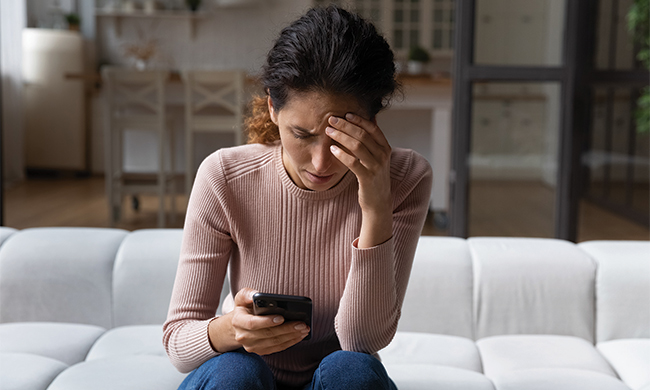
(Feature Impact) News of a death can spread online in seconds – often before families have notified close family members privately. That’s why grief experts urge people to rethink how they share condolences, tributes and loss-related information on social media, particularly during the winter months when grief can feel especially isolating.
“Grief etiquette is about putting the needs of the grieving family first, not our urge to say something publicly,” said Dr. Camelia L. Clarke, National Funeral Directors Association (NFDA) spokesperson, funeral director and grief educator with nearly 30 years of experience. “Just because information can be shared instantly doesn’t mean it should be.”
Social media has become a common place for sharing condolences, tributes and memories. However, grief experts caution that, without thoughtful consideration, online posts can unintentionally cause harm. Knowing when to post, what to say and when to remain silent can make a meaningful difference for families experiencing loss.
Consider this advice from the experts at the NFDA.
Grief Etiquette in the Digital Age
Grief etiquette refers to the unspoken guidelines for how individuals acknowledge death, loss and mourning, particularly online.
According to Clarke, one of the most important principles is restraint.
“When a death is shared online too quickly, families can feel exposed and overwhelmed at a moment when they’re still processing the loss themselves,” she said. “Waiting is an act of compassion.”
Best Practices for Posting About Loss Online
As social media continues to play a role in modern mourning, grief professionals encourage users to pause before posting and consider a few key guidelines:
- Let the family lead. Don’t post about a death until the immediate family has made it public.
- Ask permission. Obtain consent before sharing photos, stories or tributes.
- Reach out privately first. A direct message, call or handwritten note can be more meaningful than a public comment.
- Avoid speculation. Don’t ask about or share details regarding the cause of death.
- Offer ongoing support. Grief extends far beyond the first days or weeks after a loss.
What to Say (and Avoid)
When expressing condolences online, experts recommend simplicity, sincerity and sensitivity. Messages that acknowledge loss without attempting to explain or minimize it are often the most supportive.
Helpful phrases include:
- “I’m sorry for your loss.”
- “Thinking of you and your family.”
- “I’m here if you want to talk or need anything.”
By contrast, well-meaning cliches can unintentionally cause harm. Phrases such as “They’re in a better place” or “Everything happens for a reason” may reflect the speaker’s beliefs, but they can feel dismissive to someone grieving.
“Grieving people don’t need answers – they need presence,” Clarke said. “Listening matters more than saying the perfect thing.”
Resources for Families and Friends
As digital spaces continue to shape how people communicate during life’s most difficult moments, experts agree empathy, patience and respect remain timeless.
“Grief is deeply personal,” Clarke said. “When we slow down and lead with compassion, we honor both the person who has died and those who are left to grieve.”
To learn more about how to support a grieving person and access free, expert-reviewed resources for navigating grief, expressing condolences and supporting loved ones before, during and after a loss, visit RememberingALife.com, an initiative of the NFDA.
Photo courtesy of Shutterstock
<img src="https://ssl.google-analytics.com/collect?v=1&tid=UA-482330-7&cid=1955551e-1975-5e52-0cdb-8516071094cd&sc=start&t=pageview&dl=http%3A%2F%2Ftrack.familyfeatures.com%2F17832%2F10240&dt=HOW-TO-PRACTICE-THOUGHTFUL-GRIEF-ETIQUETTE-ONLINE" />
<img src="https://erp.featureimpact.com/api/v1/tracking/17832/10240/track.gif" />SOURCE:





