

health and wellness
Sunny with a chance of sneezing – I’m building a tool to forecast pollen levels that will help allergy sufferers know when it’s safe to go outside

Last Updated on October 26, 2025 by Daily News Staff
Fiona Lo, University of Washington
Do flowers blossoming in spring make you miserable? Are you sworn enemies with fall bloomers like ragweed? If you suffer from pollen allergies, imagine the usefulness of a reliable pollen forecast that could help you manage your symptoms by providing an early warning when pollen conditions are bad.
We’re working on it! As an atmospheric scientist, I study the weather, climate and anything in our Earth’s atmosphere, including pollen. One in three people in the U.S. suffer from allergic rhinitis, otherwise known as “allergies,” and pollen is the most common cause.
While allergic rhinitis is not curable, its symptoms can be successfully treated. Two main methods are medication and pollen avoidance. They both rely on knowing when, where and how much pollen is, and is expected to be, in the air. Many medications work best if taken before symptoms occur. Advance knowledge of pollen allows allergy sufferers to change plans in order to minimize their exposure to pollen.
My colleagues and I are pulling together what we know about how plant biology and meteorology affect the amount of pollen in the air, along with pollen count numbers, to build a reliable pollen forecast.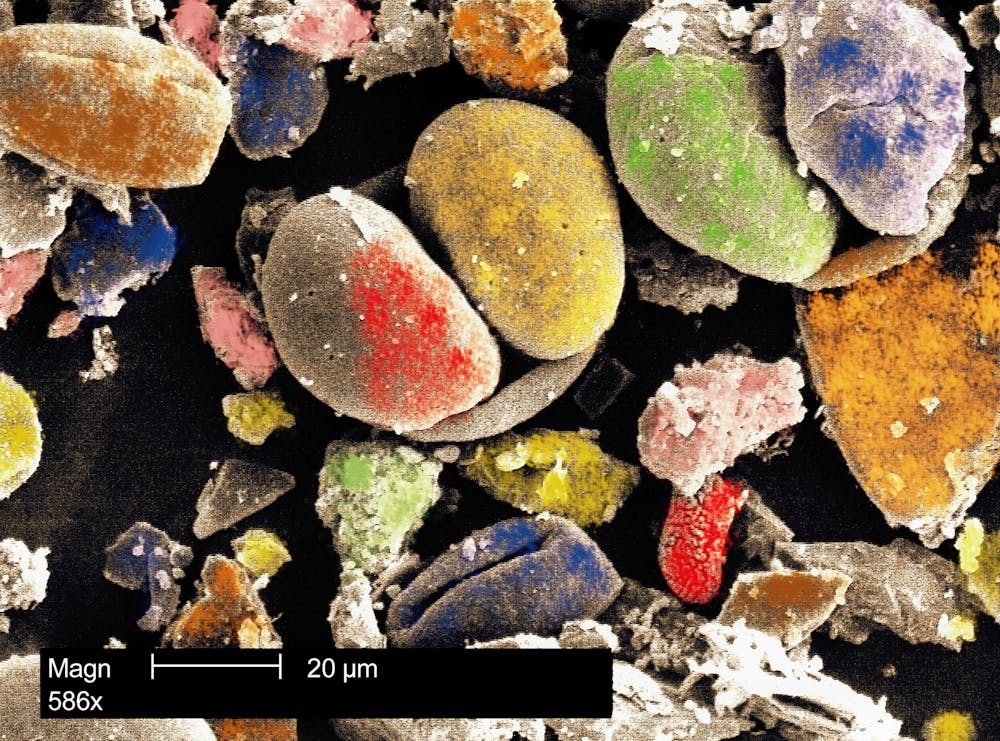
Counting pollen grain by grain
Allergic symptoms tend to be more severe the higher the concentration of airborne pollen. The amount of pollen in the air is constantly changing, so it would be ideal to monitor pollen in populated areas at regular frequent intervals. In the U.S., the National Allergy Bureau collects, processes and distributes daily pollen concentrations from stations around the country.
Unfortunately, there are fewer than 90 active stations. Of these, many do not count on weekends or outside of the main pollen season. Part of the reason is that these are volunteer-run stations, and pollen monitoring requires significant time and resources.
Pollen is collected using a machine that sucks in air and traps pollen on sticky tape. A trained technician then processes, identifies and counts the tiny pollen grains under a microscope. During the height of pollen season, it may take a few hours for a technician to count the day’s pollen. Automated pollen monitoring systems do exist and would greatly reduce the need for human resources. But for now, these systems are either extremely expensive or have not been evaluated for accuracy.
Building a forecasting model
Pollen that causes allergic reactions is from anemophilous or wind-pollinated plants. Pollen grains contain the male sperm from the plant, an essential component of plant reproduction. Anemophilous plants produce a lot of pollen because they rely on the whims of the wind to carry it to reach the female counterparts of their species to reproduce and grow new plants. The amount of pollen in the air has been rising because climate change is lengthening the pollen season and increasing how much pollen gets produced.
Since we have access to only a limited amount of pollen count data, my colleagues and I leverage what we know about the environment to estimate the amount of pollen in the air. Generally warm, sunny, dry and windy days are correlated with high airborne pollen concentrations, and rainy and humid days with low concentrations.
Plants depend on water and sunlight to grow. The timing of precipitation, temperature and solar radiation can affect a plant’s development and its readiness to flower. Once the plant is ready to flower, environmental variables can determine when pollen is released, how far it travels and how long it remains in the air.
The pollen model my colleagues and I have developed uses these known relationships between meteorology and pollen to estimate airborne pollen. We also include satellite images of vegetation in the model because satellites can detect greening and provide an estimate of the beginning of spring.
Our model can forecast pollen 1 to 14 days in advance for locations where there are pollen stations. But due to the sparsity of pollen stations, we are working on extending the model to forecast in locations with no pollen counts. In those places we use nearby pollen station data, along with localized meteorology, to estimate the pollen.
Although pollen reporting and forecasts do exist in the popular media, their pollen reports differ from observations, and their forecasts are limited only to categories of trees, grasses and weeds. Our forecast can predict for specific pollen types because our model includes information about how each plant type interacts differently with the environment.
A fine-tuned forecast in your pocket
We are collaborating with medical professionals and health scientists to understand the pollen levels associated with increasing severity of allergic symptoms. Our plan is to tailor the forecast to allow patients to better manage their symptoms.
So far, we can accurately forecast for four of the most abundant pollen types in the U.S. only in locations with pollen stations. We are seeking funding to expand to other pollen types and other locations, and we are working on creating a platform to automate the data processing and run the forecast.
Ultimately, we want to provide a forecast every day during pollen season to give allergy sufferers the information they need to manage their symptoms. Allergies are often undertreated and knowledge about self-care is limited, so a reliable pollen forecast that is easy to access – for example via an app on your phone – along with education on allergy management, could really help allergy sufferers.
[You’re smart and curious about the world. So are The Conversation’s authors and editors. You can read us daily by subscribing to our newsletter.]
Fiona Lo, Postdoctoral Researcher in Environmental and Occupational Health Sciences, University of Washington
This article is republished from The Conversation under a Creative Commons license. Read the original article.
Dive into “The Knowledge,” where curiosity meets clarity. This playlist, in collaboration with STMDailyNews.com, is designed for viewers who value historical accuracy and insightful learning. Our short videos, ranging from 30 seconds to a minute and a half, make complex subjects easy to grasp in no time. Covering everything from historical events to contemporary processes and entertainment, “The Knowledge” bridges the past with the present. In a world where information is abundant yet often misused, our series aims to guide you through the noise, preserving vital knowledge and truths that shape our lives today. Perfect for curious minds eager to discover the ‘why’ and ‘how’ of everything around us. Subscribe and join in as we explore the facts that matter. https://stmdailynews.com/the-knowledge/


MINNEAPOLIS — The powerful new documentary Come Talk to ME is set to make its big-screen debut at the Minneapolis–Saint Paul International Film Festival (MSPIFF), marking a significant milestone for the independently produced film centered on Parkinson’s disease, communication, and human connection.
The 2026 festival, running April 8–19, will feature more than 200 films from around the world. Come Talk to ME is scheduled for two screenings, including a meaningful premiere on April 11—World Parkinson’s Day—followed by a second showing on April 14. Both screenings will take place at the Main Cinema at Saint Anthony Main in Minneapolis.
A Story About Communication and Connection
Directed by Deacon Warner and produced by Jackie Hunt Christensen, the documentary follows Christensen, her husband Paul, and a close-knit group of friends living with Parkinson’s disease.
The film explores how communication evolves as the disease progresses, highlighting the creative and deeply human ways individuals maintain relationships—with family, friends, and healthcare providers—even as traditional speech becomes more challenging.
Christensen, diagnosed with Parkinson’s at just 34, emphasizes that the film is ultimately about preserving connection:
“Having Parkinson’s does not mean that you stop loving, caring, and feeling… communication is everything.”
Innovative Use of AI Voice Technology
One of the film’s most groundbreaking elements is its use of AI-generated narration powered by ElevenLabs.
The filmmakers recreated Christensen’s voice using archival audio recorded shortly after her diagnosis in 2000. This AI-generated voice—nicknamed “JHC2K”—serves as the primary narrator, allowing Christensen to “speak” throughout the film in a way that would otherwise be difficult due to the progression of Parkinson’s.
Director Warner called the experience both innovative and deeply personal:
“To be part of [MSPIFF’s] rich history… while also utilizing cutting-edge AI technology to set us apart from other films is incredible.”
Festival Screenings and Accessibility
Come Talk to ME will screen twice during the festival:
- Saturday, April 11 (World Parkinson’s Day) – Early afternoon (time TBD)
- Tuesday, April 14 – Late afternoon (time TBD)
Ticket pricing:
- MSP Film Society Members: $11
- General Admission: $17 (+ online fee)
- Students: $10 (with ID)
In a move aligned with the film’s mission, the April 11 screening will offer free admission (donation-based) for individuals affected by Parkinson’s disease.
The venue also provides limited wheelchair seating on a first-come, first-served basis.
A Film Seeking Broader Impact
Beyond its festival debut, Come Talk to ME is actively seeking sponsors to expand its reach and impact. The filmmakers hope to bring the documentary to wider audiences, particularly within communities affected by Parkinson’s disease.
At its core, the film delivers a powerful message: even as physical abilities change, the need for connection—and the human drive to communicate—remains constant.
Why This Film Matters
As awareness of Parkinson’s disease continues to grow, Come Talk to ME stands out as both an emotional narrative and a technological milestone. By combining personal storytelling with AI innovation, the film offers a new way to understand life with Parkinson’s—and the enduring importance of being heard.
Source and Related Links
- Minneapolis–Saint Paul International Film Festival (MSPIFF) Official Site
- MSP Film Society Official Website
- World Parkinson’s Day – Official Information
- Parkinson’s Foundation – Resources & Support
- The Michael J. Fox Foundation for Parkinson’s Research
- ElevenLabs – AI Voice Technology Platform
STM Daily News’ Entertainment section delivers the latest on movies, television, music, pop culture, events, and industry buzz. From breaking news and trending stories to feature coverage and community-centered entertainment reporting, it keeps readers connected to what’s happening on screen, on stage, and beyond.
health and wellness
Heart Risks Go Beyond the Heart: Don’t Forget to Check Blood Sugar and Kidney Health

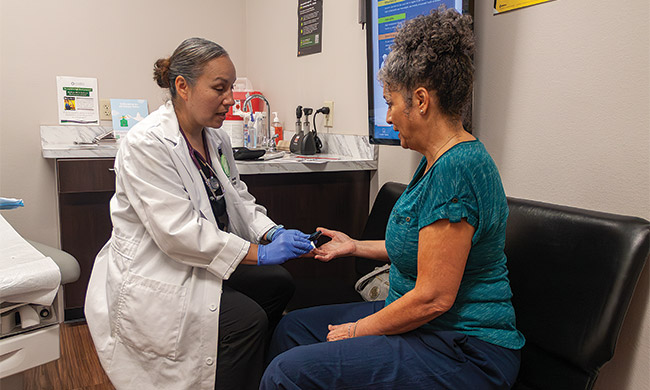
Heart Risks Go Beyond the Heart: Don’t Forget to Check Blood Sugar and Kidney Health
(Feature Impact) Diabetes and kidney disease are major risk factors for heart disease, yet many cases are undiagnosed. In fact, most people don’t realize their heart, kidney and metabolic health – how the body creates, uses and stores energy – are connected. Understanding these connections can help you take steps toward protecting your long-term health.
Cardiovascular-kidney-metabolic (CKM) syndrome is a health condition that includes heart disease, kidney disease, diabetes and obesity. Many people don’t realize they’re at risk, though, because they aren’t aware of health risks beyond the heart. Almost 1 in 4 U.S. adults with diabetes are unaware they have it, according to a 2026 statistics update from the American Heart Association. In addition, data from the Centers for Disease Control and Prevention shows that as many as 9 in 10 adults with chronic kidney disease don’t know they’re living with the condition.
Learning about CKM syndrome can be a helpful step in understanding your overall health picture.
How are CKM conditions connected?
Heart disease, kidney disease and diabetes have shared risk factors – including high blood pressure, cholesterol and blood sugar; excess weight; and reduced kidney function – and they’re closely linked. Having one condition often increases the likelihood of developing the others.
“We are encouraging people to become aware of the connection between conditions so they and their health care team can think about their overall health beyond individual conditions,” said Stacey E. Rosen, M.D., FAHA, volunteer president of the American Heart Association, executive director of the Katz Institute for Women’s Health and senior vice president of women’s health at Northwell Health. “Understanding the connection helps you better prevent complications through lifestyle changes and appropriate treatment.”
The biggest health threats from CKM syndrome are disability and death from heart disease and stroke, which make up the “cardiovascular” part of CKM. The “metabolic” part includes diabetes and obesity. Kidney disease is closely linked with both metabolic and cardiovascular diseases.
 How common is CKM syndrome?
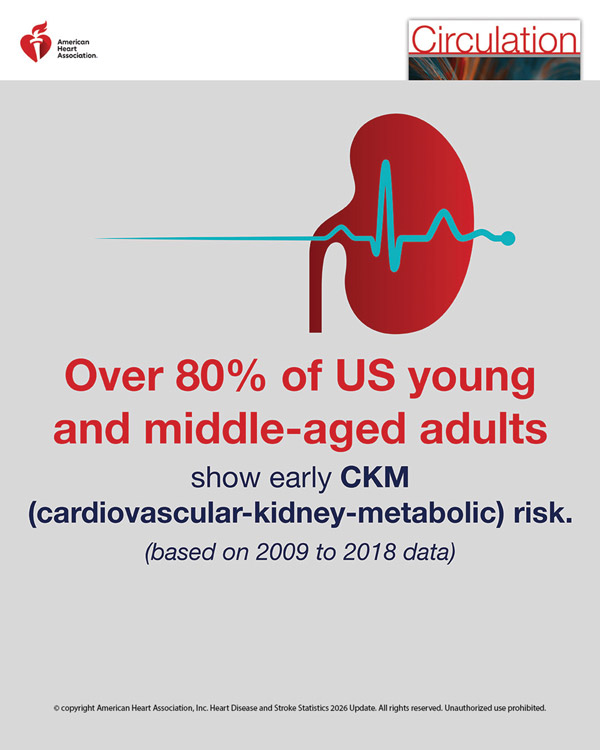
CKM-related risks are common. Nearly 90% of U.S. adults have at least one risk factor for CKM syndrome. The 2026 statistics report showed about half of all U.S. adults have high blood pressure, about 1 in 3 has high total cholesterol, more than half have prediabetes or diabetes, about 1 in 7 has kidney disease and more than half have a high waist circumference.
These risks often develop slowly, with few or no symptoms at first, but you can stay informed. Rosen emphasizes regular screening of your cardiovascular, kidney and metabolic health, which can catch problems early.
“Due to the current risk factor rates, everyone could benefit from being screened this way,” she said.
Regular check-ins with your health care team can offer a clearer picture of your CKM health. They can check your:
- Blood pressure
- Cholesterol panel (total cholesterol, LDL (bad) cholesterol, HDL (good) cholesterol and triglycerides)
- Blood glucose (blood sugar), measured in either the short term as fasting glucose or long term as A1C
- Body weight and size, measured by body mass index and waist circumference
- Kidney function, using both UACR and eGFR
These results can be used in the PREVENT online calculator to estimate your risk for cardiovascular disease over the next 10 or 30 years. CKM syndrome can often be prevented and improved with healthy daily habits like those in Life’s Essential 8 and science-based treatments.
The CKM Health Initiative was introduced by the American Heart Association to raise awareness of the connections between CKM syndrome conditions and improve diagnosis rates. It’s supported by founding sponsors Novo Nordisk and Boehringer Ingelheim, supporting sponsors Novartis Pharmaceuticals Corporation and Bayer, and champion sponsor DaVita.
Visit Heart.org/myCKMhealth to learn more about CKM health, including screening and treatment options.


SOURCE:
Our Lifestyle section on STM Daily News is a hub of inspiration and practical information, offering a range of articles that touch on various aspects of daily life. From tips on family finances to guides for maintaining health and wellness, we strive to empower our readers with knowledge and resources to enhance their lifestyles. Whether you’re seeking outdoor activity ideas, fashion trends, or travel recommendations, our lifestyle section has got you covered. Visit us today at https://stmdailynews.com/category/lifestyle/ and embark on a journey of discovery and self-improvement.
Last Updated on April 6, 2026 by Daily News Staff
(Feature Impact) Heart disease is something many adults push to the back of their minds if they are not experiencing symptoms; a concern for “later” in life. However, that mindset may be changing. New research suggests younger generations are thinking about their cardiovascular health earlier and with greater urgency.
They’re right to be thinking about it, too. Data from the American Heart Association shows heart disease is still the No. 1 killer of Americans. In fact, someone dies from cardiovascular disease every 34 seconds in the United States.
Risk factors such as obesity, high blood pressure, diabetes, and kidney disease are on the rise, too. Nearly half of U.S. adults have high blood pressure (47%), and obesity (42%), and more than half (57%) have type 2 diabetes or prediabetes.
Despite growing concern about heart health, many adults remain unclear about their personal risk. In fact, a majority of respondents (62%) in a survey conducted by Atomik Research on behalf of Doctor’s Best said they don’t know their current risk for heart disease. To provide context on these findings and highlight emerging heart health trends, Dr. Tania Elliott, a dual board-certified physician in internal medicine, offers some insights.
Feeling Fatigue
In the study, only 50% of respondents reported feeling energetic on a daily basis. Among those who reported feeling fatigued, 46% listed stress as their top perceived contributor, followed by insufficient sleep (38%), both of which are closely tied to cardiovascular health.
Troubling Symptoms
Among Gen Z respondents, 25% reported having shortness of breath during activity or while lying down, compared to just 16% of Baby Boomers, which is commonly associated with compromised heart health.
 Statins and Youth
Statins, which help address cardiovascular risk factors such as high cholesterol, are among the most commonly prescribed drugs in America, with more than 92 million Americans currently taking them, according to the Cleveland Clinic. Although most survey respondents (76%) aren’t currently taking a statin, 17% of adults ages 25-34 reported using statin therapy, which is an unexpectedly high proportion given their age and the group’s low anticipated risk of cardiovascular disease.
Side Effects of Statins
Among those taking statins, which are considered a first-line treatment for treating high cholesterol and reducing heart disease risk, 54% reported experiencing side effects, particularly muscle pain (23%) and fatigue (31%). However, taking statins can also affect levels of Coenzyme Q10 (CoQ10), which supports cellular energy and cardiovascular function.
All About CoQ10
Cells use CoQ10 to produce energy and detoxify. Studies have shown people with heart failure who took CoQ10 had around a 50% reduction in mortality. Despite this, awareness is low. Nearly two-thirds (66%) of respondents had never heard of CoQ10 and that number jumps to 76% of adults ages 25-34. Additionally, only a small percentage of respondents (8%) who were on a statin reported having their CoQ10 level tested.
“We have a real opportunity to help younger adults take a more proactive approach to heart health,” Elliott said. “CoQ10 plays a critical role in cellular energy production and heart muscle function, and it can decline with age and statin use.”
If you’re among the 71% of survey respondents who expressed a willingness to learn more about improving your heart health, talk with your health care provider and visit DoctorsBest.com to learn more.
Strategies to Support Heart Health
While some risk factors for heart disease, like age and family history, are out of your control, you can make lifestyle changes to help lower your risk:
- Eat Whole Foods: A heart-healthy eating plan includes plenty of lean proteins as well as fruits, vegetables, beans, whole grains and foods high in omega-3s, such as salmon, nuts and plant oils.
- Know Your CoQ10 Levels: If you’re low, look for a high-quality, bioavailable formula, like Doctor’s Best High Absorption CoQ10 with BioPerine, which supports energy production and muscle function.
- Get Moving: The American Heart Association recommends 150 minutes of moderate-intensity or 75 minutes of vigorous aerobic activity per week to help control weight and lower the risk for conditions that negatively impact the heart.
Photo courtesy of Shutterstock (woman with hand over chest)

SOURCE:
Our Lifestyle section on STM Daily News is a hub of inspiration and practical information, offering a range of articles that touch on various aspects of daily life. From tips on family finances to guides for maintaining health and wellness, we strive to empower our readers with knowledge and resources to enhance their lifestyles. Whether you’re seeking outdoor activity ideas, fashion trends, or travel recommendations, our lifestyle section has got you covered. Visit us today at https://stmdailynews.com/category/lifestyle/ and embark on a journey of discovery and self-improvement.





