

Automotive
2024 Nissan GT-R receives updated aerodynamics, T-spec special edition and heritage paint options

- Redesigned front and rear fascias, new rear wing designs enhance GT-R’s aerodynamic performance and appearance
- T-spec returns, joining GT-R Premium and NISMO models
- Exclusive Millennium Jade, Midnight Purple paint colors honor some of the rarest R34-generation GT-R models
- NISMO adds front limited-slip differential, available NISMO Appearance package debuts with unique wheels, carbon fiber elements
GT-R, the pinnacle of Nissan high-performance engineering, thrillingly combines a high horsepower engine with impressive handling and useful technology for everyday driving. For the 2024 model year, GT-R is even more exciting with in-depth enhancements to its aerodynamic performance, the return of a special trim and revised available packages.
The 2024 Nissan GT-R is offered in three grades, starting with GT-R Premium and T-spec® with 565 horsepower, providing a tantalizing option for those seeking a super sports car. The 600-horsepower1 GT-R NISMO offers an even more exceptional level of performance, with engineering drawn directly from motorsports applications.
The 2024 Nissan GT-R arrives at select U.S. Nissan dealers this spring (NISMO arrives in summer).
A relentless approach to performance
All 2024 Nissan GT-R grades are extensively revised to increase downforce and reduce drag, helping provide confident, responsive handling, representing Nissan’s continued iterative enhancements to GT-R. The enhancements include redesigned front and rear fascias, optimized bumper sides, revised grille shapes and reshaped rear wings, further increasing the car’s impressive aerodynamic performance.
Demonstrating the team’s attention to every detail, engineers even closely scrutinized the mesh used in the front grille and employed a thinner mesh to further enhance cooling and reduce drag. Impressively, GT-R’s drag coefficient is unchanged at 0.26 Cd despite the increase in downforce.
On GT-R NISMO, a new rear wing design sits atop dramatic, swan neck-style supports. With an almost 10% larger surface area, the wing’s curvature has been specifically designed to optimize drag and downforce. The team also revised GT-R NISMO’s front lip, rear diffuser and canards.
Special editions and heritage colors
The GT-R T-spec returns for the 2024 model year and builds upon the already capable Premium with many visual and mechanical enhancements, including GT-R NISMO carbon-ceramic brakes, a gold-painted version of the NISMO’s RAYS® 20-inch forged wheels, NISMO-tuned Vehicle Dynamic Control and wider front fenders. Visually, T-spec wears special badging inside and out, a dark Mori Green upholstery color and a combination of semi-aniline and suede upholstery for the front seats.
Most exciting of all, the T-spec is available in two exclusive colors that appeal to GT-R enthusiasts by resurrecting two of the nameplate’s most iconic paint colors. The first is Millennium Jade, which pays homage to one of the rarest GT-Rs ever, the R34 GT-R V-Spec II Nür. The second T-spec-exclusive paint is Midnight Purple, a modern interpretation of the Midnight Purple III color made famous on the R34 GT-R V-Spec.
Newly available on GT-R NISMO is a NISMO Appearance Package, which includes an exclusive, red-accented version of the car’s RAYS forged 20-inch wheels, a unique clear coat applied to the carbon fiber hood and an exclusive engine cover design. GT-R NISMO also offers a new NISMO-exclusive paint color: Stealth Gray.
Engineered for performance
The 2024 Nissan GT-R uses a 3.8-liter V6, 24-valve, twin-turbocharged engine that is hand-assembled by takumi technicians. The engine, which was refined for the 2020 model year, is rated at 565 horsepower and 467 lb-ft of torque, and features a standard titanium exhaust system.
GT-R channels its power through a standard ATTESA ET-S all-wheel-drive system that can vary its front-to-rear torque split, depending on driving scenario, for peak driving feel and performance. The standard 6-speed dual-clutch transaxle is rear-mounted to optimize vehicle weight distribution, and offers aggressive downshifts as well as steering wheel-mounted paddle shifters for manual control.
GT-R’s dynamic ride and handling is brought to life thanks to the expertly tuned independent double wishbone front and independent multi-link rear suspensions. Standard Bilstein® DampTronic shock absorbers offer three driver-selectable settings for GT-R’s suspension: Normal, Comfort and R. These three modes allow the driver to combine varying levels of driving comfort with the sport-like responsive handling that GT-R is known for. The engine, transmission and suspension’s settings are controlled by large, tactile switches located on the car’s center console.
In GT-R Premium, braking is provided by a Nissan and Brembo® jointly developed braking system with six-piston front calipers and four-piston rear calipers. Lightweight RAYS® 20-inch wheels shod with Dunlop high-performance summer tires connect GT-R with the road.
GT-R T-spec uses Brembo® brakes with enlarged, carbon-ceramic rotors from the GT-R NISMO, along with a gold-painted version of NISMO’s RAYS wheels wearing Dunlop® SP Sport Maxx GT600 ultra-high-performance run-flat tires with a NISMO-specific compound.
Refined interior appointments
The inside of GT-R welcomes occupants with a “horizontal-flow” dashboard design swathed in Nappa leather appointments, and seats designed to be lightweight.
GT-R T-spec elevates the car’s interior design with an exclusive dark Mori Green upholstery throughout, with a combination semi-aniline and suede treatment for the front seats. Unique logos on the console and kick plates further identify the T-spec. GT-R T-spec adds several unique visual touches to the car’s exterior, including T-spec emblems on the trunk.
The standard NissanConnect® infotainment system with 8-inch multi-touch display features Apple CarPlay®, Nissan navigation system, Bluetooth®, HD Radio, SiriusXM® Radio, SiriusXM® Traffic, and SiriusXM® Travel Link™ (weather, fuel prices, movie listings, stock info and sports).
The display also has GT-R-specific, customizable data pages showing key vehicle data, including details like coolant and oil temperature, transmission gear selection, g-forces, turbocharger boost and even a stopwatch for lap timing2.
GT-R further accommodates drivers with premium convenience features including a Bose® 11-speaker audio system, Active Noise Cancellation, dual-zone automatic climate control, heated front seats, and front and rear parking sensors.
NISMO: Elevated, motorsports-derived performance
For drivers seeking an even greater level of capability, the GT-R NISMO – its name derived from NISsan MOtorsports International Co. – is a more extreme version of the GT-R2.
In addition to aerodynamic revisions, the 2024 GT-R NISMO benefits from a front limited-slip differential for the first time. The differential helps improve the driving experience, ensuring GT-R faithfully follows the driver’s inputs and exemplifies the NISMO team’s approach to iterative enhancements that continually build upon GT-R’s capabilities.
The GT-R NISMO was extensively enhanced for the 2020 model year with new turbochargers taken from the GT3 racecar, enhanced transmission shift control, lighter components, enhanced body bonding to increase torsional rigidity, reduced overall mass, and upgrades to the brakes, wheels and tires. Compared to GT-R Premium, it also has an increased use of lightweight carbon fiber components and increased horsepower.
The GT-R NISMO is rated for 600 hp and 481 lb-ft of torque1, with significantly enhanced engine responsiveness.
Complementing NISMO’s improved power and grip are Brembo® brakes with enlarged, carbon-ceramic rotors measuring 16.1 inches in the front and 15.3 inches at the rear. The rotors themselves save 36 pounds of weight, while the high-strength calipers and high-friction brake pads contribute to a firmer brake pedal feeling.
NISMO-exclusive bodywork helps provide increased component cooling while also improving aerodynamic downforce. The roof is made from carbon fiber to reduce weight and lower the car’s center of gravity, paying dividends in terms of handling. Additional NISMO-exclusive carbon fiber body panels include front and rear fascias, trunk lid, race-inspired rear wing, side sill covers, hood and outside mirror housings.
Inside, GT-R NISMO includes interior enhancements include Recaro® seats with synthetic suede inserts, red stitching and an Alcantara-appointed steering wheel with a red top stripe.
For full details on the features included on each grade level of the 2024 Nissan GT-R, see the full specification sheet.
For more information about our products, services and commitment to sustainable mobility, visit nissanusa.com. You can also follow us on Facebook, Instagram, Twitter and LinkedIn and see all our latest videos on YouTube.
Source: Nissan
https://stmdailynews.com/category/consumer-corner/automotive/


Automotive
4 Tips for Efficient EV Charging at Home
Efficient EV Charging at Home: Your car has one job – to take you where you need to go. For electric vehicle (EV) owners, that means keeping it charged so it’s ready to hit the road when you are. Charging your car at home is convenient and cost-effective, especially if you have the right equipment and routines.
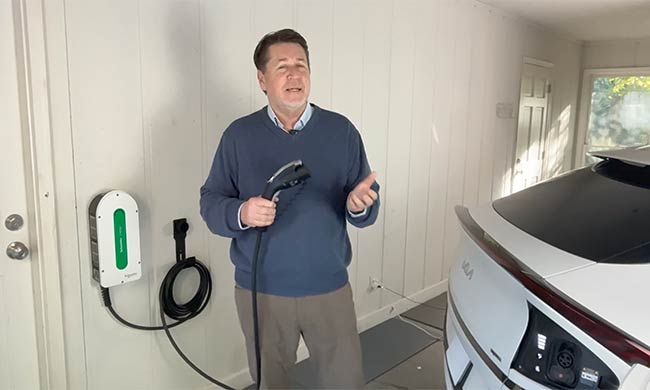
4 Tips for Efficient EV Charging at Home
(Feature Impact) Your car has one job – to take you where you need to go. For electric vehicle (EV) owners, that means keeping it charged so it’s ready to hit the road when you are.
Charging your car at home is convenient and cost-effective, especially if you have the right equipment and routines. Consider these quick tips from the EV experts at Schneider Electric.
Watch this video to learn more:
//www.youtube.com/embed/IELsXkSgOQQ
Install a Level 2 Home Charger
While many EV owners start with standard Level 1 charging using typical 120-volt household outlets, upgrading to a 240-volt Level 2 charger can offer extra efficiency and convenience. With significantly faster charging speeds, these units increase your driving range per charging hour and can replenish your battery in a fraction of the time.
Charge During Off-Peak Hours
If your electric company has variable pricing based on the time of day, you may be able to lower your utility bill by shifting your charging routines. This could mean doing most of your charging overnight and unplugging during peak daytime hours when rates are often more expensive.
Consider a Smart Charger
Since Level 2 chargers can add significant electrical load to your home, many EV owners are concerned they’ll need to make costly electrical upgrades to accommodate the higher power requirements. Instead, consider a smart Level 2 home charger with dynamic power management like the Schneider Charge.
With built-in technology called SmartAmp, this charger intelligently monitors the electrical demand in the home and adjusts the output to your EV accordingly. Whether you’re running a dryer full of laundry or turning on the air conditioning, the system can automatically dial back the charging power to your EV when necessary then ramp it back up when demand drops. This way, you won’t have to worry about overloading your electrical system or being forced to install pricey new panels so you can get everything done.
Since it works with all standard EV charging formats, it’s built to fit your current vehicle and whatever you buy next. Plus, through the connected app, you can conveniently schedule charging with a tap, giving you the ability to manage your EV routine remotely – or just set it and forget it.
Track Your Habits
Understanding your current charging habits can help you fine-tune your routines over time. Smart chargers can make tracking simple and automatic with apps that allow you to access information like how often you’re charging your vehicle, how long it takes and how much energy it consumes.
Learn more about smart EV charging at SE.com.
SOURCE:
Automotive
Slate Truck Gets Real: First Experience Center Opens Ahead of Planned Deliveries
Slate Auto’s first permanent Experience Center gives consumers an up-close look at its customizable electric truck ahead of planned customer deliveries.

Slate Auto’s new Chicago location gives prospective buyers a permanent place to see the minimalist electric pickup, explore customization options and learn about demo opportunities—but it is not yet proof that customer deliveries have begun.
CHICAGO — October 20, 2026 — The Slate Truck is moving out of computer renderings and temporary roadshow stops and into a permanent retail setting. Slate Auto opened its first Experience Center on October 15 at 1053 W. Grand Avenue in Chicago, giving consumers a year-round location to get an up-close look at the company’s highly anticipated electric pickup.
The Near West Side facility occupies a former Tesla location and includes showroom, retail and garage space, along with electric-vehicle charging infrastructure. For Slate, the opening represents an important step in turning strong online interest into a more tangible buying experience as the startup works toward launching its first vehicle.
Visitors can examine the truck’s compact dimensions, deliberately simple cabin and accessory-driven design in person. The center also showcases Slate’s personalization strategy, including exterior wraps, add-on accessories and digital design tools intended to let owners configure the truck around their needs.
Slate has also promoted demonstration opportunities connected with the location, although availability may be limited or appointment-based as the company continues to prepare its fleet. Early media access included passenger rides rather than unrestricted customer test drives, so prospective visitors should confirm current availability before making a special trip.
Why the Chicago opening matters
Until now, most consumers have encountered the Slate Truck through online reservations, media coverage or temporary appearances. A permanent showroom gives buyers a chance to judge details that are difficult to evaluate on a screen, including seating position, bed access, cabin materials and the overall size of the vehicle.
That is especially important for a product built around an unconventional value proposition. Slate is promoting a basic two-seat, two-door electric truck with manual crank windows and no factory-installed infotainment screen or stereo. The company’s strategy is to keep the starting price low and let buyers add features later through accessories and conversion kits.
The physical location also gives Slate a place to explain that approach directly. Rather than presenting the truck as an unfinished vehicle, the company can demonstrate how its modular accessories, wraps and planned SUV-style conversion components are meant to expand the vehicle’s usefulness over time.
Chicago is a logical first market for that effort. The city offers access to a large Midwestern customer base and is within the broader region of Slate’s planned manufacturing operation in Warsaw, Indiana. Reusing a former Tesla store also gives the startup a space already suited to displaying and servicing electric vehicles.
The roadshow continues beyond Chicago
The Experience Center is opening as Slate expands its public demonstration schedule. The company’s events calendar lists a Boston-area demo ride event from October 21 through October 25 at The Shops at Chestnut Hill, followed by an appearance at RADwood in Alameda, California, on October 24 and a New Jersey demo ride event in Freehold from October 28 through October 31.
Slate also lists future stops in Washington, D.C., Raleigh, Atlanta, Miami and Orlando. Together, the permanent Chicago center and the traveling events suggest the company is moving into a broader customer-education phase ahead of planned deliveries.
What has—and has not—changed
The showroom opening does not change Slate’s headline pricing or range claims. The truck is still advertised with a base price of $24,950 before taxes, registration and destination charges. With the currently listed $1,450 destination fee, the entry price would be approximately $26,400 before other costs or optional equipment.
Slate also continues to advertise an estimated range of up to 205 miles. That figure remains an estimate rather than a final EPA-certified rating.
Most importantly, Slate has not publicly confirmed that regular customer production has started or that the first retail deliveries have occurred. Limited deliveries have been reported as possible before the end of December 2026, while many reservation holders may receive later delivery windows in 2027. The Chicago opening is therefore a commercialization milestone, not a manufacturing milestone.
For customers and industry observers, the next major signals will be the start of production at the Warsaw factory, final specifications and EPA range ratings, and confirmed handoffs to paying buyers.
The bottom line
Slate Auto now has a permanent place where consumers can see and evaluate its unusually simple electric truck. That makes the product feel more real and gives the company a platform to explain a customization-heavy business model that may be unfamiliar to traditional truck buyers.
Still, the biggest questions remain unanswered. Opening a showroom demonstrates progress in marketing and customer engagement; producing vehicles at scale, holding the promised price and delivering a 205-mile truck to reservation holders will determine whether Slate can convert enthusiasm into a viable automotive business.
Sources and more information
- Slate Auto events and demo schedule
- Electrek: Slate opens its first Experience Center in Chicago
- Autoblog: Slate opens its first U.S. showroom
- Slate Auto
Category: Consumer Corner / Automotive

Automotive
The New Tire-Buying Playbook: AI Insights Meet Human Advice
New Tire-Buying Playbook: A tire purchase can start with a familiar moment: a dashboard warning light, a repair shop visit, worn tread or realizing the current set is nearing a mileage milestone. When it’s time to replace tires, drivers have more ways than ever to research options, including classic search engines and AI chatbots.

The New Tire-Buying Playbook: AI Insights Meet Human Advice
(Feature Impact) A tire purchase can start with a familiar moment: a dashboard warning light, a repair shop visit, worn tread or realizing the current set is nearing a mileage milestone. When it’s time to replace tires, drivers have more ways than ever to research options.
New research from Hankook Tire’s Gauge Index Survey found drivers are utilizing multiple methods for research, from search engines and AI assistants to asking someone they trust for advice. Two-thirds of respondents said they always or often research multiple sources before buying tires, suggesting many shoppers want to weigh several opinions before deciding to buy a new set, including turning to fellow drivers.
As tools like classic search engines and AI chatbots continue to evolve, the most useful strategy for tire shopping may be less about choosing between technology and human expertise, and more about knowing how each fits into the research process. Here are a few ways drivers can confidently conduct tire research.
Start broad then narrow the search.
For many drivers, the process begins online. One-quarter of respondents said they typically begin their tire research with a search engine, the most common starting point reported in the survey. Retailer or dealer websites are the next at 16%, followed by recommendations from a mechanic at 15%.
That range of starting points reflects how personal a tire purchase can be. A search engine can help a driver organize initial questions and identify the types of information they want to compare. Retailer and dealer sites offer another place to review available options – and reviews from other drivers. A mechanic can help put the vehicle and driver’s specific needs into context.
Drivers can also use their initial search to create a short list of requirements, such as tire size, type and available warranties.
Use AI as one research tool – but not the only one.
AI is a growing part of any research. About 4 in 10 drivers (42%) said they have used an AI tool to research or compare tires more than once. Another 11% said they have not used one yet but plan to the next time they buy tires.
Conversely, just 5% of respondents said an AI assistant or chatbot would be their typical first stop when researching tires, suggesting many drivers may add AI later in the process to help sort through information or frame comparisons.
AI can help turn a general concern into a clearer list of questions. A driver might use it to identify terms to research, compare categories of information or prepare for a conversation with a retailer, dealer or repair professional.
Keep trusted people in the research loop.
Despite drivers’ increased reliance on digital tools, trusted advice is still important. More than one-quarter of drivers said they would typically begin tire research with a recommendation from a mechanic (15%) or from friends or family (12%).
Friends and family may share firsthand experiences, while a mechanic may help a driver better understand the questions that matter for their vehicle. More than 1 in 5 respondents (21%) list advice from a repair shop among the top three reasons that would prompt them to buy new tires, showing the role professional guidance can play when a purchase becomes necessary.
Find the full survey and approach your next tire research process with clearer questions, more confidence and a better sense of what matters most for the road ahead at HankookTire.com.
Photo courtesy of Shutterstock
SOURCE:




