

home improvement
10 Tips to Make Your Air Conditioner More Energy Efficient and Sustainable

Last Updated on November 12, 2024 by Daily News Staff

(Family Features) Updating your HVAC (heating, ventilation and air conditioning) system to cool your home in a smart and sustainable way involves several steps that not only improve energy efficiency but also reduce environmental impact.
Consider these tips from the heating and cooling experts at Carrier to help make your cooling system more eco-friendly:
- Upgrade to an Energy-Efficient HVAC System. If your HVAC system is outdated, consider replacing it with a more energy-efficient model. Look for systems with an Energy Star or high SEER2 (seasonal energy efficiency ratio) rating, which indicates better energy efficiency. The higher the SEER2 rating, the more efficient the unit. Financial incentives for installing a higher-efficiency system are available through the Inflation Reduction Act of 2022. You can also shop for rebates from manufacturers and utility companies.
- Look for a Carbon-Free HVAC System. Heat pumps, ductless and VRF (variable refrigerant flow) systems that run on electricity and use low global-warming potential refrigerant, like Carrier’s Puron Advance, can help reduce your home’s negative impact on the environment.
- Install a Smart Thermostat. A smart thermostat can be programmed based on your preferences and adjust temperatures automatically. These devices can be controlled remotely through smartphones and help reduce energy consumption by cooling your home only when necessary.
- Conduct Regular Maintenance. Keep your HVAC system running efficiently with regular maintenance. This includes cleaning or replacing air filters every 1-3 months, checking refrigerant levels, cleaning outside condenser coils and ensuring the system’s components are in good, working condition and the airflow is not blocked.
- Seal and Insulate. Improve your home’s insulation to maintain a consistent temperature. Seal windows, doors and any gaps or cracks to prevent cool air from escaping. This can significantly reduce the workload on your HVAC system.
- Use Ceiling Fans. Ceiling fans can help circulate cool air throughout your home, allowing you to set the thermostat at a higher temperature without sacrificing comfort, thus saving energy.
- Add Window Treatments. Use blinds, shades or curtains to block out sunlight and reduce heat gain during the hottest parts of the day. This simple step can make a big difference in how much your air conditioner needs to work.
- Upgrade to a Variable-Speed Compressor. Traditional compressors operate at full power or not at all. However, a variable-speed compressor can adjust its output to match your cooling needs precisely, resulting in better efficiency, energy savings and improved indoor comfort.
- Ventilate Properly. Ensure proper ventilation in your home, especially in areas like the kitchen and bathroom, to remove excess heat and humidity, which can reduce the need for air conditioning.
- Update Roofing. If you’re replacing your roof, consider cool roofing materials that reflect more sunlight and absorb less heat than standard roofing materials, reducing the heat that enters your home.
By implementing these strategies, you can improve or update your HVAC system to cool your home more sustainably. Not only do these steps help the environment, they can also lead to lower energy bills and improved indoor comfort. Always consult with an HVAC professional to determine the best and most efficient options for your home and needs.
Find more information and tips to sustainably cool your home at Carrier.com.
SOURCE:
Carrier



6 Ways to Create a More Sustainable Bathroom
(Feature Impact) Conserving water, energy and resources is key to running an environmentally friendly household, and one of the best places to start is your bathroom. As one of the most frequently used rooms in the house, it’s a small space that makes a big difference. Every flush, shower, twist of the tap and restock of restroom essentials is an opportunity to manage your ecological footprint.
The good news is you don’t need a full-scale remodel to make your bathroom more efficient. Small changes to daily habits, routine maintenance and upgraded plumbing fixtures can all have a valuable impact. By making thoughtful choices at home now, you can protect your community’s freshwater supplies, consume less energy and help create a more sustainable future.
For useful ways to save water, conserve energy and reduce waste, consider these tips from the bathroom design and sustainability experts at TOTO.
Fix Leaks Before They Waste More Water
From dripping faucets to worn toilet flappers, small leaks can quickly add up. In fact, according to the EPA, the average household wastes approximately 9,400 gallons of water each year due to leaks. That can mean money going down the drain, too: If you notice your water bill is increasing and can’t figure out why, a hidden leak could be responsible.
To test whether your toilet has a silent leak, try adding a dye tablet or a few drops of food coloring to the tank. If color seeps into the bowl before you’ve flushed (usually within 10 minutes), it likely means an issue with the flapper. Many leaks are easy fixes, but a trained plumbing professional can give you more specific guidance.

Choose Water-Efficient Fixtures
Upgrading your plumbing fixtures can make an immediate difference, particularly when you choose EPA WaterSense-labeled models designed to save water without sacrificing performance. The water-efficiency specialists at TOTO helped shape the product-performance standards for the program, which turns 20 this year.
Its toilets pair elegant design with water-saving performance and no compromises on power. They are designed to use either 1.0 or 1.28 gallons per flush (GPF), representing water savings of 37.5% or 20%, respectively, compared with the federal standard of 1.6 GPF. Whether you’re looking for the Aurora’s elegant sculptural design, the Redington’s clean architectural lines or the Glaston’s timeless two-piece look, each model features powerful, gravity-driven flush performance and an ultrasmooth ceramic bowl glaze for easy cleaning, all while using less water.
Cut Paper and Single-Use Waste
Next time you’re ready to restock your bathroom cabinets, consider some simple eco-friendly product swaps. Look for toilet tissue made with recycled or sustainable materials or consider adding a bidet to reduce paper use – and never flush anything except toilet paper, even wipes labeled “flushable.” Instead of buying soap and personal care products in single-use packaging, you can lower your plastic consumption by choosing refillable containers. When possible, opt for a stash of washable cloths for cleaning rather than relying on disposable wipes and paper towels.
Take Shorter Showers and Make Every Gallon Count
Spending less time in the shower is one of the most impactful things one person can do to save water. Showering accounts for nearly 17% of residential indoor water use, according to the EPA, and if you prefer warm showers, that also means using energy to heat the water.
Make a habit of staying in the shower long enough to complete your routine but not lingering beyond that. To make each minute more water-efficient, consider upgrading to TOTO’s 2-Mode Showerhead, available in stylish round and square designs. Its efficient 1.75 GPM flow is paired with Comfort Wave for a stimulating experience and Warm Spa for soothing, enveloping warmth. You can also save water by turning off the tap while you lather with soap and shampoo, a technique sometimes referred to as a “Navy shower.”
Ventilate Efficiently to Control Moisture
Keeping your bathroom and the rest of your home in good condition relies in large part on controlling moisture and humidity. Use exhaust fans to vent moist air outside – not just into an attic or another enclosed space where it can cause damage, rot or mold. You can also use smart home features like humidity sensors and timers to control ventilation without running the fan longer than necessary.
Maintain Fixtures for a Longer Life
By taking good care of your bathroom fixtures, you can extend their longevity, thereby saving resources compared to replacing them more frequently. Follow manufacturers’ care instructions for cleaning and maintenance, avoiding abrasive cleaners that may wear away finishes. Aim to proactively remove any mineral buildup on faucets and showerheads, since it can reduce water flow and prematurely age your fixtures.
Keep an eye on serviceable components that tend to wear out – such as seals, faucet cartridges and toilet fill components – and see if you can fix or replace them individually first. When the time comes to upgrade toilets, sinks and showers, choose high-quality options you’ll be happy to have in your home for years to come.
Learn more about sustainable bathroom fixtures at TotoUSA.com.
SOURCE:
home gardening
Beyond the Leaf Pile: 4 Tips for Autumn Lawn Care
4 Tips for Autumn Lawn Care: Many people associate fall yardwork with raking up the crispy, colorful leaves that have drifted down from surrounding trees. Don’t let that be the only task on your outdoor agenda, however, because this season is also an opportunity to improve the overall health of your lawn so it’s ready to thrive once spring arrives.
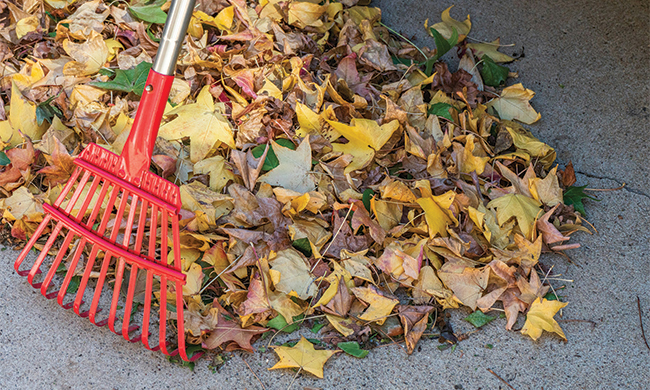
Beyond the Leaf Pile: 4 Tips for Autumn Lawn Care
(Feature Impact) Many people associate fall yardwork with raking up the crispy, colorful leaves that have drifted down from surrounding trees. Don’t let that be the only task on your outdoor agenda, however, because this season is also an opportunity to improve the overall health of your lawn so it’s ready to thrive once spring arrives.
Start with these autumn lawn care tips:
- Continue Mowing
As long as the grass keeps growing, homeowners should keep mowing – with a couple of smart seasonal adjustments. First, lower the mower height for your final two cuts so the grass isn’t too tall going into winter. Second, instead of raking all the leaves up beforehand, think about leaving a layer on the lawn so the mower can shred them and effectively turn them into mulch, returning their nutrients to the soil.
- Fertilize the Lawn
Especially if you grow cool-weather grass varieties like rye or fescue, feeding your lawn can actually be most effective in the fall. Fertilizer helps nourish the roots of your grass, strengthening it through the winter and preparing it to grow lush and green in the spring and summer. Aim to feed it once in the beginning of the season then again 6-8 weeks later or according to the recommended schedule for your region.
- Battle Stubborn Weeds
If you’ve been dealing with perennial weeds throughout the summer, fall could mean your chance to get rid of them once and for all. Weeds absorb herbicides readily on days with moderate temperatures and moist soil, so this task might be well-timed after some autumn rain has fallen.
- Add Grass Seed to Thin Spots
Whether you have bare patches on your lawn or areas of thinning grass, fall is the best time to seed cool-season lawns. (Skip this tip if you live in the South and have a warm-season lawn.) At least six weeks before the first hard frost in your area, spread grass seed over the areas you want to replenish or thicken then keep the lawn consistently watered until it germinates. Aerating the soil first can help the seed take root.
Find more seasonal home and garden tips by visiting eLivingtoday.com.
Photo courtesy of Unsplash
SOURCE:
Lifestyle
7 Fire Prevention Tips to Protect Your Home and Community
7 Fire Prevention Tips: Fires can be devastating, but many of them are preventable with simple precautions and smart everyday choices. Consider these tips to reduce the risk of fires and keep your household, family and community safe.
7 Fire Prevention Tips to Protect Your Home and Community
(Feature Impact) In observance of National Fire Prevention Month, it’s a good time to review your fire safety habits at home and in your neighborhood. Fires can be devastating, but many of them are preventable with simple precautions and smart everyday choices.
Consider these tips to reduce the risk of fires and keep your household, family and community safe.
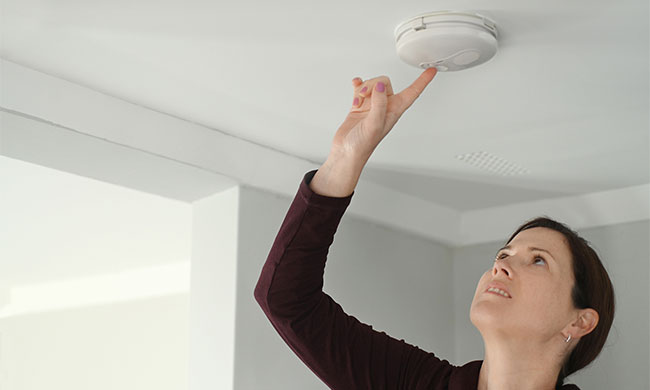
Test Your Smoke Alarms
Smoke detectors are one of the simplest yet most important tools for protecting your home, loudly alerting you to potential danger at any time of the day or night. Test them monthly, follow manufacturer’s instructions for replacement and change batteries as needed.
Heat Your Home Safely
Depending on how you heat your home, there can be different hazards to remain aware of. Never leave fireplaces unattended when in use and have them inspected and maintained as recommended by a trained professional. If you use portable heaters, keep them at least three feet away from curtains, bedding, furniture and other flammable materials.
Prevent Electrical Fires
Frayed cords, damaged outlets or overloaded appliances can pose real danger to your home when they overheat or spark. Particularly if you live in an older home or have outdated appliances, keep an eye out for warning signs like tripped circuit breakers, malfunctioning devices or the smell of burning. If you’re concerned, have your system inspected by a qualified electrician.
Store Flammable Objects Carefully
Keeping matches and lighters out of reach of children is always a smart first step for household fire safety. Also follow safe storage practices for items like lighter fluid, propane, aerosol cans and other household products that could potentially ignite when exposed to heat or a stray spark.
Practice Smart Kitchen and Grill Habits
From sparks flying off the grill to hot oil forgotten in the frying pan, cooking is the leading cause of household fires. Stay attentive in the kitchen, never leave cooking food unattended and avoid setting combustible materials like paper plates or fabric towels too close to a stove or grill. Also keep your appliances cleaned and well-maintained.
Plan Your Escape Route
Fires can spread quickly, which is why it’s important for everyone in your household to know the plan (and backup plan) for safely exiting different areas of the house during an emergency. Decide on a specific meeting place outside and practice quick fire drills together to build muscle memory.
Observe Local Fire Safety Rules
Where you live determines what kinds of fire risks affect your community, so make sure you stay informed about local regulations. For instance, areas prone to drought or wildfire may have rules about outdoor burning, and local fire prevention ordinances may outline specific requirements for smoke alarms in your home.
Find more home safety tips at eLivingtoday.com.
Photo courtesy of Shutterstock
SOURCE:
eLivingtoday.com





