
Naveen Asaithambi/iStock via Getty Images Plus
Adriana Espinosa, City College of New York and Lesia M. Ruglass, City College of New York
Tobacco use in a variety of forms is common in adolescent life today, with over 2.25 million youth using.
Huge progress has been made over the past few decades in reducing cigarette use among young people. But tobacco use – primarily through e-cigarettes, also known as vapes – remains a complex problem for public health and policy.
In 2024, just over 8% of U.S. middle and high school students reported having used a tobacco product. Among tobacco users, nearly 6% used e-cigarettes, more than a quarter of whom used an e-cigarette product daily.
We are behavioral health researchers. Our team’s ongoing research examines the factors associated with adolescent tobacco product use in the U.S.
According to our research, many adolescents who smoke and use vapes are aware of the health risks associated with tobacco use, which demonstrates the effectiveness of public health education campaigns.
But our research has also found that some adolescents also view tobacco use as helpful in relieving emotional distress. These perceived benefits increase the likelihood of initiating and continuing tobacco use.
When combined with factors such as easy access to tobacco products or living with someone who uses them, the risk of adolescent use more than doubles, which sets the stage for harmful physical and mental health effects.
Parental awareness and adolescents’ motivations to use tobacco
As a mother of a teenager, one of us, Adriana, has experienced this firsthand. For months, my 14-year-old son was vaping in his room, and I had no idea. When he finally told me that he turned to vaping whenever he felt upset, it was like coming face-to-face with the very issues we study.
This scenario illustrates both the compelling reasons why adolescents may use tobacco and nicotine products and the reality that many parents don’t realize their kids are smoking or vaping.
Since 2022, our team has been examining the factors associated with tobacco use among more than 8,000 adolescents ages 12 to 17 from the Population Assessment of Tobacco and Health, or PATH, study – the largest multiyear, nationally representative study of tobacco use in the U.S. We looked at the use of cigarettes, electronic products, traditional or filtered cigars, cigarillos, pipes, hookahs, smokeless or dissolvable tobacco and more.
We found that emotional distress, along with the belief that tobacco products help manage negative emotions, are significant factors driving adolescent tobacco use.
This highlights the complexity of the issue – that even when teens recognize the health risks of tobacco use, vaping and other forms of tobacco use may function as a coping strategy, albeit an unhealthy one, for the wide range of emotional challenges that come with adolescence.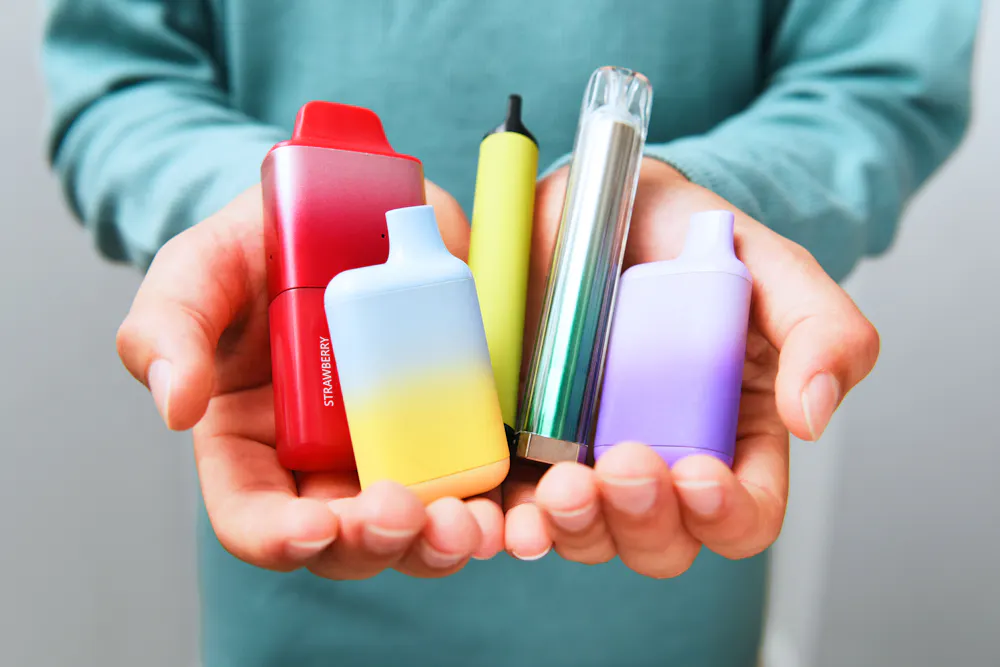
Peter Dazeley/Photodisc via Getty Images
Harmful effects of adolescent tobacco use
Research has shown that adolescents may perceive e-cigarettes as a more appealing and less harmful alternative to traditional cigarettes.
The availability of flavored options further increases the appeal of these products and can contribute to the progression from occasional to regular use and ultimately the development of nicotine dependence.
A growing body of research continues to reveal the harmful effects of tobacco use, including vaping, on developing brains and lungs. Exposure to nicotine during adolescence can interfere with brain development, impair attention and learning, and increase the risk of use and dependence on other substances later in life.
What makes vaping especially difficult to manage is its stealth. Unlike combustible products, many vaping devices are small, odorless and very easy to conceal. As a result, parents, teachers and school administrators are struggling to detect and curb vaping among teens.
Strategies for addressing why teens use tobacco
In our view, policy efforts that focus primarily on raising awareness about health risks, restricting access to tobacco products or reducing the appeal of e-cigarettes or vapes will reach only a subset of youth who use them, and not those who may use for emotional reasons.
And while such bans may limit access to tobacco products in formal settings, the availability of these products from friends and social networks, online platforms or unregulated markets will not likely be reduced solely through that type of health messaging.
As our findings show, these efforts may miss a stronger, even more enduring driver of youth tobacco use: the pervasive belief that tobacco use helps manage stress, anger and other difficult emotions. Our research highlights that emotional distress and the perception that tobacco use can help them cope with stress are central to why many adolescents begin and continue using these products, even when they are aware of the health risks.
In this context, simply limiting access to tobacco products or repeating well-known health warnings will do little to address the underlying emotional motivations to use.
We believe that to make meaningful progress, policy and prevention interventions will need to address the underlying motives for use, and not just focus on the harmful health effects of nicotine or means of access.
This includes integrating emotional and behavioral health support into tobacco prevention strategies and expanding school-based and community mental health services. And while public health education campaigns such as The Real Cost have been successful in reducing the number of adolescents who begin using e-cigarettes, our findings suggest more emphasis on the emotional drivers of tobacco use is warranted.
Adriana Espinosa, Associate Professor of Psychology, City College of New York and Lesia M. Ruglass, Associate Professor of Psychology, City College of New York
This article is republished from The Conversation under a Creative Commons license. Read the original article.



 Brunching with Bunnies
 SOURCE: