Connect with us

Lifestyle

Adolescents who smoke or vape may believe tobacco’s perceived coping benefits outweigh accepted health risks

Published

on

Last Updated on July 5, 2025 by Daily News Staff

Adolescents who smoke or vape may believe tobacco’s perceived coping benefits outweigh accepted health risks

file 20250610 62 bvekdy.jpg?ixlib=rb 4.1
Many parents are unaware of their adolescents’ tobacco use.
Naveen Asaithambi/iStock via Getty Images Plus

Adriana Espinosa, City College of New York and Lesia M. Ruglass, City College of New York

Tobacco use in a variety of forms is common in adolescent life today, with over 2.25 million youth using.

Huge progress has been made over the past few decades in reducing cigarette use among young people. But tobacco use – primarily through e-cigarettes, also known as vapesremains a complex problem for public health and policy.

In 2024, just over 8% of U.S. middle and high school students reported having used a tobacco product. Among tobacco users, nearly 6% used e-cigarettes, more than a quarter of whom used an e-cigarette product daily.

We are behavioral health researchers. Our team’s ongoing research examines the factors associated with adolescent tobacco product use in the U.S.

According to our research, many adolescents who smoke and use vapes are aware of the health risks associated with tobacco use, which demonstrates the effectiveness of public health education campaigns.

But our research has also found that some adolescents also view tobacco use as helpful in relieving emotional distress. These perceived benefits increase the likelihood of initiating and continuing tobacco use.

When combined with factors such as easy access to tobacco products or living with someone who uses them, the risk of adolescent use more than doubles, which sets the stage for harmful physical and mental health effects.

Parental awareness and adolescents’ motivations to use tobacco

As a mother of a teenager, one of us, Adriana, has experienced this firsthand. For months, my 14-year-old son was vaping in his room, and I had no idea. When he finally told me that he turned to vaping whenever he felt upset, it was like coming face-to-face with the very issues we study.

This scenario illustrates both the compelling reasons why adolescents may use tobacco and nicotine products and the reality that many parents don’t realize their kids are smoking or vaping.

Advertisement
Get More From A Face Cleanser And Spa-like Massage

Since 2022, our team has been examining the factors associated with tobacco use among more than 8,000 adolescents ages 12 to 17 from the Population Assessment of Tobacco and Health, or PATH, study – the largest multiyear, nationally representative study of tobacco use in the U.S. We looked at the use of cigarettes, electronic products, traditional or filtered cigars, cigarillos, pipes, hookahs, smokeless or dissolvable tobacco and more.

We found that emotional distress, along with the belief that tobacco products help manage negative emotions, are significant factors driving adolescent tobacco use.

This highlights the complexity of the issue – that even when teens recognize the health risks of tobacco use, vaping and other forms of tobacco use may function as a coping strategy, albeit an unhealthy one, for the wide range of emotional challenges that come with adolescence.
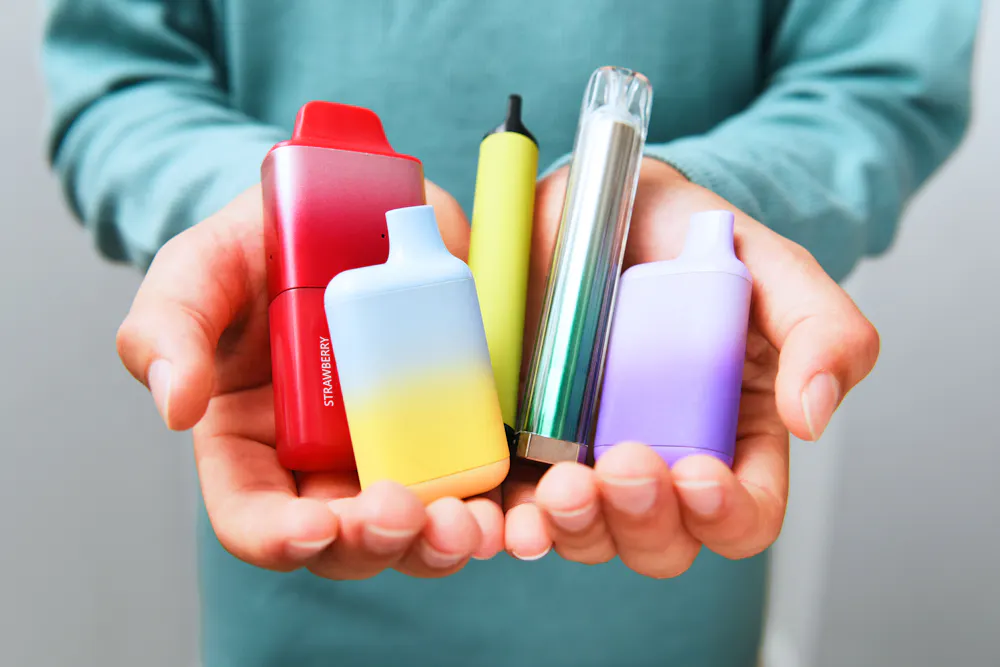
School-aged kid displaying a variety of vape cartridges.
Teachers and school administrators are struggling to control vaping among students because many devices are small, odorless and easy to conceal.
Peter Dazeley/Photodisc via Getty Images

Harmful effects of adolescent tobacco use

Research has shown that adolescents may perceive e-cigarettes as a more appealing and less harmful alternative to traditional cigarettes.

The availability of flavored options further increases the appeal of these products and can contribute to the progression from occasional to regular use and ultimately the development of nicotine dependence.

A growing body of research continues to reveal the harmful effects of tobacco use, including vaping, on developing brains and lungs. Exposure to nicotine during adolescence can interfere with brain development, impair attention and learning, and increase the risk of use and dependence on other substances later in life.

What makes vaping especially difficult to manage is its stealth. Unlike combustible products, many vaping devices are small, odorless and very easy to conceal. As a result, parents, teachers and school administrators are struggling to detect and curb vaping among teens.

Strategies for addressing why teens use tobacco

In our view, policy efforts that focus primarily on raising awareness about health risks, restricting access to tobacco products or reducing the appeal of e-cigarettes or vapes will reach only a subset of youth who use them, and not those who may use for emotional reasons.

And while such bans may limit access to tobacco products in formal settings, the availability of these products from friends and social networks, online platforms or unregulated markets will not likely be reduced solely through that type of health messaging.

As our findings show, these efforts may miss a stronger, even more enduring driver of youth tobacco use: the pervasive belief that tobacco use helps manage stress, anger and other difficult emotions. Our research highlights that emotional distress and the perception that tobacco use can help them cope with stress are central to why many adolescents begin and continue using these products, even when they are aware of the health risks.

In this context, simply limiting access to tobacco products or repeating well-known health warnings will do little to address the underlying emotional motivations to use.

Advertisement
Get More From A Face Cleanser And Spa-like Massage

We believe that to make meaningful progress, policy and prevention interventions will need to address the underlying motives for use, and not just focus on the harmful health effects of nicotine or means of access.

This includes integrating emotional and behavioral health support into tobacco prevention strategies and expanding school-based and community mental health services. And while public health education campaigns such as The Real Cost have been successful in reducing the number of adolescents who begin using e-cigarettes, our findings suggest more emphasis on the emotional drivers of tobacco use is warranted.

Adriana Espinosa, Associate Professor of Psychology, City College of New York and Lesia M. Ruglass, Associate Professor of Psychology, City College of New York

This article is republished from The Conversation under a Creative Commons license. Read the original article.

Continue Reading
Advertisement SodaStream USA, inc

home improvement

A Healthier, Greener Home: Eco-Friendly Cleaning Hacks

Published

on

Last Updated on May 13, 2026 by Daily News Staff

Eco-Friendly Cleaning Hacks

A Healthier, Greener Home: Eco-Friendly Cleaning Hacks

(Feature Impact) Keeping your home clean doesn’t have to mean filling your cabinets with harsh chemicals or single-use cleaning products. In fact, some of the most effective solutions may already be in your pantry.

By swapping a few everyday products for simple, eco-friendly solutions, you can clean effectively, save money and make your home a little greener. If you’re looking to reduce waste, cut back on toxins and simplify your cleaning routine, natural ingredients like vinegar, baking soda and lemon can deliver results while also being safer for your home – and the environment.

Make Your Own All-Purpose Cleaner

Instead of buying multiple cleaners for different surfaces, try a DIY solution that works in many areas of the home. In a spray bottle, combine 1 cup white vinegar, 1 cup water and 10 drops of the essential oil of your choice – such as lemon, lavender or tea tree – then use it on countertops, sinks, glass and other surfaces to curb grease and grime. Avoid using vinegar-based cleaners on natural stone like granite or marble, however, as its acidity can cause damage.

Let Baking Soda Do the Scrubbing

One of the most versatile eco-friendly cleaners around, baking soda acts as a gentle abrasive that helps lift stains without scratching surfaces. Simply sprinkle baking soda onto sinks, bathtubs, cookware, stovetops or tile grout then scrub with a damp sponge or cloth for a sparkling clean finish.

Freshen Carpets Naturally

Carpets and rugs can trap odors, but a DIY deodorizer made of 1 cup baking soda and 10-15 drops of the essential oil of your choice can replace chemical sprays and keep floor surfaces smelling fresh. Just sprinkle across the carpet, let sit for 15-20 minutes then vacuum.

Use Lemon to Cut Grease and Stains

Lemon juice is a powerful natural cleaner due to its acidity and antibacterial properties. It can leave behind a fresh scent when used to clean cutting boards, remove soap scum and water spots or deodorize garbage disposals. For stubborn grime, mix lemon juice with baking soda to create a paste that can tackle tough surface stains.

Naturally Deodorize Drains

If your kitchen sink smells unpleasant, skip the harsh chemical drain cleaners. Pour 1/2 cup baking soda down the drain then add 1/2 cup white vinegar. Let the mixture fizz a few minutes then flush with hot water to help loosen buildup while neutralizing odors.

Polish Stainless Steel with Pantry Staples

Remove grimy fingerprints and give stainless steel appliances a streak-free shine with a simple mixture of 1 tablespoon white vinegar and 1 tablespoon olive oil.

Find more DIY, eco-friendly cleaning tips and tricks at eLivingtoday.com.

Photo courtesy of Shutterstock

Advertisement
Get More From A Face Cleanser And Spa-like Massage
    collect?v=1&tid=UA 482330 7&cid=1955551e 1975 5e52 0cdb 8516071094cd&sc=start&t=pageview&dl=http%3A%2F%2Ftrack.familyfeatures
track

SOURCE:

eLivingtoday.com

Our Lifestyle section on STM Daily News is a hub of inspiration and practical information, offering a range of articles that touch on various aspects of daily life. From tips on family finances to guides for maintaining health and wellness, we strive to empower our readers with knowledge and resources to enhance their lifestyles. Whether you’re seeking outdoor activity ideas, fashion trends, or travel recommendations, our lifestyle section has got you covered. Visit us today at https://stmdailynews.com/category/lifestyle/ and embark on a journey of discovery and self-improvement.

Continue Reading

Food and Beverage

Balance Your Plate with Produce, Protein and Whole Grains

Making health-conscious decisions with your at-home menu doesn’t have to be complicated, but it does require commitment and a little more foresight at the grocery store. Simple adjustments to overall eating patterns, like building your plate around produce, powerful proteins and whole grains, can encourage better health.

Published

on

(Feature Impact) Making health-conscious decisions with your at-home menu doesn’t have to be complicated, but it does require commitment and a little more foresight at the grocery store. Simple adjustments to overall eating patterns, like building your plate around produce, powerful proteins and whole grains, can encourage better health.

Nutritious meal-planning can be easy, affordable and delicious – and it all starts with a little balance. Consider this advice from the American Heart Association’s Healthy for Good initiative, nationally sponsored by the Egg Nutrition Center, to adequately round out a healthy plate.

Fill Half Your Plate with Fruits and Veggies

Loaded with nutrients, fresh produce is a perfect place to start each plate. Fill about half your plate with combinations of bananas, strawberries, blueberries, sweet potatoes, peas, carrots and more of your favorites. To boost variety with each meal, look for fruit and veggie blends or step out of your usual routine and try something new.

Grocery tip: Frozen fruits and veggies are often cheaper and just as delicious as their fresh counterparts. It’s frozen right after it’s picked, locking in freshness for a longer shelf life. Just be sure to avoid products with added salt or sugar.

Carve Out a Quarter of the Plate for Powerful Proteins

Healthy food isn’t just fuel. It should be easy and nourish you, too. Look for versatile solutions that provide a protein power-up like skinless chicken breast, no-salt-added beans, low-sodium tuna, tofu or eggs.

High-quality protein from foods, along with a balanced diet and regular exercise, can help support the muscles in your body. Eggs are an example, along with lean animal protein and some plant-based proteins. According to the American Heart Association’s guidelines, healthy people can include up to one whole egg daily, and up to seven per week, as part of a heart-healthy diet. For older adults with normal cholesterol, two eggs per day is acceptable.

Eggs deliver both protein and choline, nutrients that help support growing brains and bodies, especially early in life. In fact, many Americans don’t get enough choline, a critical nutrient for supporting brain development, memory and mood.

Grocery tip: Stock up on proteins that offer both versatility and affordability, helping you cook multiple meals per week without putting a dent in your wallet. Eggs are a perfect example as they can be used at any meal, not just breakfast – try them in wraps or omelets in the morning, hard-boil them to go with a lunchtime salad or add to a frittata at dinner.

17787 B detail embed2Save a Corner for Whole Grains

Finally, fill that last quarter of the plate with ready-to-go whole grains, many of which provide dietary fiber that can support a healthy heart and healthy digestion. Conversely, most refined grains contain little or no fiber.

Examples of whole grains include barley, brown rice, corn, oatmeal, rolled or steel-cut oats, popcorn, quinoa, sorghum and wild rice, along with products labeled “whole grain” or “whole wheat” like bread or pasta.

Grocery tip: Look for whole grains that can make mealtime a cinch. Corn tortillas, instant oats and even popcorn can help you create nutritious plates and better-for-you snacks with the snap of your fingers. Try keeping packets of pre-cooked brown rice on hand to bulk up favorite dishes or toss with leftovers to round out a healthy plate.

Advertisement
Get More From A Face Cleanser And Spa-like Massage

Visit Heart.org to discover more nutrition guidance for heart-healthy meals.

3 Tips to Complement a Healthy, Balanced Plate

Nutrition isn’t just about what’s on your plate – it’s also about what’s next to it and how much is on it. Pair a balanced meal with this advice to help take healthy eating to the next level.

Stay Hydrated
If it’s not already a habit, add a glass of water to each meal. Staying hydrated helps your heart pump blood throughout the body, get rid of waste and regulate body temperature. While water is the best source of hydration, water-rich foods like fruits and vegetables can also play a role.

Watch Portion Sizes
Pay attention to suggested servings from your favorite food groups. For example, one slice of whole-grain bread, 1/2 cup of cooked pasta and two ounces of cheese (about the size of a domino) are the suggested serving sizes for these popular foods.

You can serve and eat smaller portions by:

  • When cooking at home, offer the proper serving size to each family member then put extra food away for leftovers.
  • When dining out, skip appetizers and split your meal with a friend or partner.
  • Avoid eating while watching TV or at your computer. It may be harder to control how much you’re eating if you’re not paying full attention.
  • Mindfully measure out your snacks – even fruits and veggies – into appropriate portions before serving instead of helping yourself directly from the bag or box.

Limit Salt
While sodium supports vital functions like controlling your body’s fluid balance, excess sodium in your bloodstream pulls water into the blood vessels, increasing the amount of blood inside them and thus increasing blood pressure. More than 70% of the sodium people eat comes from packaged, prepared and restaurant foods due to salt added for flavoring, stabilizing, preserving and reducing bacterial risk, according to the American Heart Association. 

Cutting back on sodium can help reduce the rise in blood pressure that occurs as you age, even if you don’t have high blood pressure now. It may also help reduce the risk of heart attack, heart failure, kidney disease and more.

Try cooking more meals at home where you can control sodium intake, flavoring foods with herbs and spices instead of table salt and rinsing canned beans and vegetables to wash away excess sodium.

Photo courtesy of Shutterstock (family preparing meal)

collect?v=1&tid=UA 482330 7&cid=1955551e 1975 5e52 0cdb 8516071094cd&sc=start&t=pageview&dl=http%3A%2F%2Ftrack.familyfeatures
track

SOURCE:

American Heart Association

Our Lifestyle section on STM Daily News is a hub of inspiration and practical information, offering a range of articles that touch on various aspects of daily life. From tips on family finances to guides for maintaining health and wellness, we strive to empower our readers with knowledge and resources to enhance their lifestyles. Whether you’re seeking outdoor activity ideas, fashion trends, or travel recommendations, our lifestyle section has got you covered. Visit us today at https://stmdailynews.com/category/lifestyle/ and embark on a journey of discovery and self-improvement.

Advertisement
Get More From A Face Cleanser And Spa-like Massage

HUNGRY FOR MORE?

Discover a feast for your senses with our Food & Drink Blog, a tantalizing part of STM Daily News. Get the latest articles, recipes, and foodie news delivered straight to your inbox. Satisfaction guaranteed!

SIGN UP TO RECEIVE THE LATEST RECIPES & FOODIE NEWS, PLUS SOME EXCLUSIVE GOODIES!

We don’t spam! Read our privacy policy for more info.

Food and Drink
Continue Reading

pets

National Parvo Awareness Day: Recognizing and Treating Canine Parvovirus

Published

on

National Parvo Awareness Day

National Parvo Awareness Day

(Feature Impact) April 28, 2026, marks the third annual National Parvo Awareness Day, aimed at bringing awareness to this devastating and often-fatal virus. Canine parvovirus (parvo) is a highly contagious and potentially fatal disease that can affect dogs of all ages, though it is particularly dangerous for unvaccinated puppies.

Early detection is the key to survival. As pet owners, recognizing the signs can save a life. Common symptoms include severe lethargy, loss of appetite, abdominal pain, and persistent vomiting. One of the most critical warning signs is severe, often bloody, diarrhea. If your dog exhibits any of these symptoms, it is imperative to act immediately – every minute counts.

Ask your veterinarian about Trutect™ if your dog is diagnosed with parvovirus. Trutect™, formerly Canine Parvovirus Monoclonal Antibody, is the only USDA-approved treatment for parvo.

While vaccination remains the cornerstone of prevention, knowing the symptoms and seeking rapid veterinary care is essential. This National Parvo Awareness Day, let’s work together to protect our pets.

Learn more at StopParvo.com.

 Watch the video below:

PM-US-26-0651

collect?v=1&tid=UA 482330 7&cid=1955551e 1975 5e52 0cdb 8516071094cd&sc=start&t=pageview&dl=http%3A%2F%2Ftrack.familyfeatures
track

SOURCE:

Elanco Animal Health

Our Lifestyle section on STM Daily News is a hub of inspiration and practical information, offering a range of articles that touch on various aspects of daily life. From tips on family finances to guides for maintaining health and wellness, we strive to empower our readers with knowledge and resources to enhance their lifestyles. Whether you’re seeking outdoor activity ideas, fashion trends, or travel recommendations, our lifestyle section has got you covered. Visit us today at https://stmdailynews.com/category/lifestyle/ and embark on a journey of discovery and self-improvement. Extra 25% Off All NexGard Products - Chews, Spectra & Combo + Free Shipping*

Advertisement
Get More From A Face Cleanser And Spa-like Massage
Continue Reading

Trending