

Consumer Corner
MasterClass Announces New Class with Renowned Interior Designer Shea McGee: Design a Space You Love

Last Updated on May 18, 2023 by Rod Washington

The cofounder and chief creative officer of Studio McGee unveils her full design process, teaching how to transform the look and feel of any space
SAN FRANCISCO /PRNewswire/ — MasterClass, the streaming platform where anyone can learn from the world’s best across a wide range of subjects, today announced that Shea McGee, cofounder and chief creative officer of Studio McGee and host of the Emmy-nominated home improvement show Dream Home Makeover, is joining Sessions by MasterClass, a program offering a structured curriculum where members can roll up their sleeves, get hands-on and learn meaningful skills through step-by-step guidance from world-class instructors and an active community of peers. In the session, McGee will walk through her signature design process to teach members how they can design, furnish and decorate any room in their house to fit their personal aesthetic and spending strategy. McGee’s session is available starting today.
“Shea has revolutionized the home renovation world, inspiring millions to create timeless homes they love living in,” said David Rogier, founder and CEO of MasterClass. “In her session, she’ll break down her approachable design and decoration process, which has never been shared this extensively before, to show members how to create the space of their dreams on any budget.”
Throughout the session, members will learn how to breathe new life into their homes and transform any living space into a warm and cozy oasis by applying McGee’s nature-inspired design principles. In showcasing the full design process from mood board to floor plan to accents, McGee shares her tips and tricks for transforming the look and feel of any room in a home, whether for a quick home refresh or full renovation. The session is broken down into eight sections, including:
- Creating a Mood Board and Design Plan: McGee helps members develop a mood board and color palette to stay organized throughout the process. Members will be able to share their mood board with the community for feedback and ideas.
- Making a Floor Plan: McGee helps members turn abstract ideas into clear and concise interior design plans, showing them how to use a design board, make a floor plan and ensure they’re purchasing furniture that perfectly fits their space.
- Picking and Placing Furniture: McGee walks members through her strategy for placing furniture in a room to achieve a cohesive look that exudes flow and function, no matter the style or budget.
- Crafting Your Personalized Lighting Design: McGee teaches members her signature approach to layering lighting utilizing lamps, bulbs, shades and drapes to achieve the perfect balance in any room.
- Adding Interior Accents: McGee shows members how to add final, personalized touches, such as artwork, pillows and other accessories to bring their dream space to life with personality, charm and character.
“Design changes lives. We can influence our surroundings, frame of mind, the way we live in our homes and how we spend time with the people we love,” McGee said. “After taking my session on MasterClass, members will walk away with one newly designed and decorated room in their home, alongside the knowledge they need to design, furnish and decorate spaces that reflect their personality and style.”
McGee is an interior designer, author and host of Netflix’s Dream Home Makeover, which she cohosts with her partner and husband, Syd McGee. Together, the dynamic duo founded their interior design firm, Studio McGee, in 2014 with a mission to “Make Life Beautiful.” Staying true to that mission, the McGees released their New York Times bestselling book, Make Life Beautiful, in 2020. The McGees reside in Utah with their three daughters.
ABOUT MASTERCLASS:
MasterClass is the streaming platform where the world’s best come together so anyone, anywhere, can access and be inspired by their knowledge and stories. With an annual membership, members get unprecedented access to 180+ instructors and classes across a wide variety of fields, including Arts & Entertainment, Business, Design & Style, Sports & Gaming, Writing and more. Step into Nas’ recording studio, Gordon Ramsay’s kitchen and go behind the big screen with James Cameron. Design your career with Elaine Welteroth, get ready to win with Lewis Hamilton, perfect your pitch with Shonda Rhimes and discover your inner negotiator with Chris Voss. Each class features about 20 video lessons, at an average of 10 minutes per lesson. You can learn and discover at a pace that best serves your lifestyle—in bite-size pieces or in a single binge, on mobile, tablet, desktop, Android™ TV, Amazon Fire TV and Roku® players and devices. Cinematic visuals and close-up demonstrations make you feel like you’re one-on-one with the instructors, while the downloadable Class Guides help reinforce your learning. For those looking to learn by doing, Sessions by MasterClass offers a structured curriculum where members can roll up their sleeves, get hands-on and learn meaningful skills through step-by-step guidance from world-class instructors and an active community of peers. With MasterClass at Work, companies can keep their employees engaged and boost morale and motivation with immersive, short-form lessons from the world’s best.
Follow MasterClass:
Twitter @masterclass
Instagram @masterclass
Facebook @masterclassofficial
TikTok @masterclass
LinkedIn @masterclass
Follow Shea McGee:
Instagram @studiomcgee
Twitter @studiomcgee
Facebook @studiomcgee
SOURCE MasterClass


Consumer Corner
Reduce Home Fire Risks: 5 Items to Avoid Plugging into Power Strips
Reduce Home Fire: Power strips make it easy to add outlets where families need them, but they aren’t designed to handle every appliance in the home. Plugging certain high-powered appliances into a power strip can overload it, potentially causing overheating and increasing the risk of an electrical fire.

Reduce Home Fire Risks: 5 Items to Avoid Plugging into Power Strips
(Feature Impact) Power strips make it easy to add outlets where families need them, but they aren’t designed to handle every appliance in the home. Plugging certain high-powered appliances into a power strip can overload it, potentially causing overheating and increasing the risk of an electrical fire.
“Power strips are so common that it’s easy to assume anything with a plug can safely go into one, but that’s not the case,” said Bonnie Lee, vice president of property claims at Mercury Insurance. “Appliances that draw significant power can generate more heat than a power strip is designed to handle. A simple change in where you plug something in can help eliminate an unnecessary fire risk.”
The National Fire Protection Association (NFPA) recommends plugging portable space heaters directly into wall outlets and warns that extension cords can be too small for electrical loads such as space heaters and air conditioners. Additionally, the U.S. Consumer Product Safety Commission warns that power strips can pose a fire hazard when overloaded.
Take a closer look at these five household items, as recommended by the home safety experts at Mercury Insurance:
1. Space Heaters
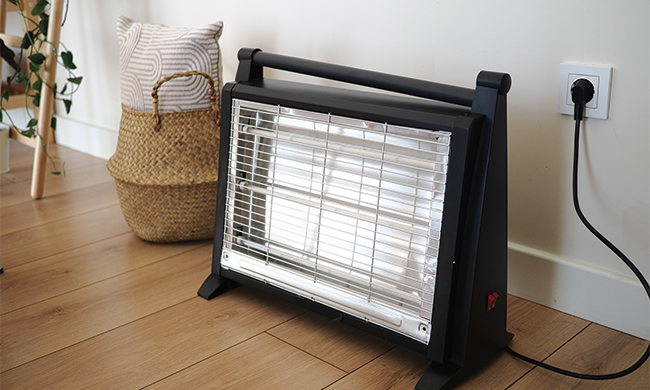
Portable electric space heaters can draw substantial power and should be plugged directly into a wall outlet rather than a power strip or extension cord. The NFPA also recommends keeping space heaters at least 3 feet away from anything that can burn and turning them off when leaving the room or going to bed.
2. Air Fryers
Air fryers pack a powerful heating element. Depending on the model, that can mean a significant electrical load while the appliance is operating. Follow the manufacturer’s instructions and, when directed, plug the appliance directly into an appropriate wall outlet rather than a power strip already serving other kitchen devices.
 3. Microwaves
Microwaves require significant power during operation and generally should have a dedicated or properly rated outlet consistent with the manufacturer’s instructions. Avoid treating an available spot on a countertop power strip as an extra kitchen outlet. If there aren’t enough outlets to safely accommodate appliances, consider having a qualified electrician evaluate the setup.
4. Refrigerators and Freezers
Refrigerators and freezers operate around the clock, and their compressors can create additional electrical demand when cycling on. These appliances should be connected according to manufacturer’s instructions and applicable electrical requirements rather than relying on a power strip as a permanent wiring solution.
5. Portable Air Conditioners
Like space heaters, portable air conditioners can place a heavy load on an electrical circuit. NFPA guidance notes extension cords may be too small for loads including air conditioners. Follow the manufacturer’s instructions and use an appropriate wall outlet rather than assuming a power strip can safely handle the appliance.
For information about in-home fire safety, visit MercuryInsurance.com/resources.
Give Your Power Strips a Home Safety Check
The appliances plugged into a power strip aren’t the only things homeowners should consider. The condition and use of the strip itself matter, too.
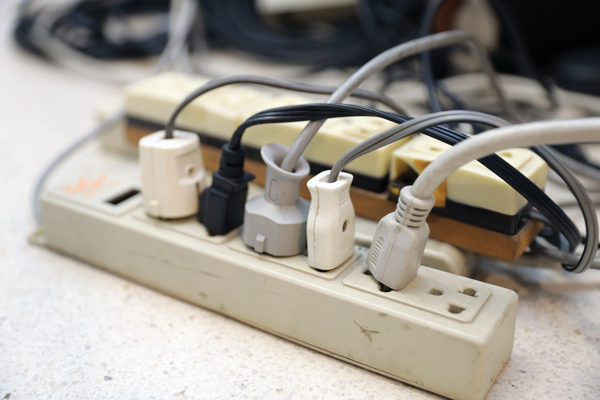
Homeowners should avoid plugging one power strip into another, commonly known as “daisy chaining,” and should never use a power strip as a substitute for permanent household wiring. Damaged, discolored or unusually warm power strips should be taken out of service. Also check that power strips are appropriate for their intended use and follow all manufacturer’s instructions and electrical ratings.
“If you need power strips throughout a room just to operate everyday appliances, the bigger issue may be that your home electrical system isn’t meeting your needs,” Lee said. “Adding outlets or having an electrician evaluate the circuit may take a little more effort, but it’s a much better solution than creating a potential fire hazard.”
Homeowners should also pay attention to warning signs including frequently tripped circuit breakers, outlets or plugs that feel unusually warm, flickering lights, burning odors, buzzing or crackling sounds and discoloration around outlets. A qualified electrician should evaluate electrical problems rather than relying on additional power strips or extension cords as a workaround.
Photos courtesy of Shutterstock
SOURCE:

Automotive
4 Tips for Efficient EV Charging at Home
Efficient EV Charging at Home: Your car has one job – to take you where you need to go. For electric vehicle (EV) owners, that means keeping it charged so it’s ready to hit the road when you are. Charging your car at home is convenient and cost-effective, especially if you have the right equipment and routines.
4 Tips for Efficient EV Charging at Home
(Feature Impact) Your car has one job – to take you where you need to go. For electric vehicle (EV) owners, that means keeping it charged so it’s ready to hit the road when you are.
Charging your car at home is convenient and cost-effective, especially if you have the right equipment and routines. Consider these quick tips from the EV experts at Schneider Electric.
Watch this video to learn more:
//www.youtube.com/embed/IELsXkSgOQQ
Install a Level 2 Home Charger
While many EV owners start with standard Level 1 charging using typical 120-volt household outlets, upgrading to a 240-volt Level 2 charger can offer extra efficiency and convenience. With significantly faster charging speeds, these units increase your driving range per charging hour and can replenish your battery in a fraction of the time.
Charge During Off-Peak Hours
If your electric company has variable pricing based on the time of day, you may be able to lower your utility bill by shifting your charging routines. This could mean doing most of your charging overnight and unplugging during peak daytime hours when rates are often more expensive.
Consider a Smart Charger
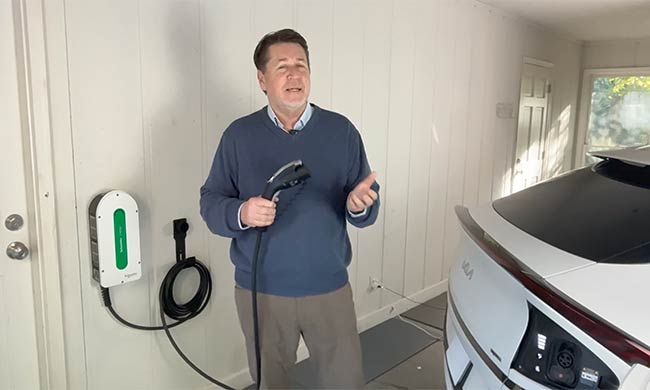
Since Level 2 chargers can add significant electrical load to your home, many EV owners are concerned they’ll need to make costly electrical upgrades to accommodate the higher power requirements. Instead, consider a smart Level 2 home charger with dynamic power management like the Schneider Charge.
With built-in technology called SmartAmp, this charger intelligently monitors the electrical demand in the home and adjusts the output to your EV accordingly. Whether you’re running a dryer full of laundry or turning on the air conditioning, the system can automatically dial back the charging power to your EV when necessary then ramp it back up when demand drops. This way, you won’t have to worry about overloading your electrical system or being forced to install pricey new panels so you can get everything done.
Since it works with all standard EV charging formats, it’s built to fit your current vehicle and whatever you buy next. Plus, through the connected app, you can conveniently schedule charging with a tap, giving you the ability to manage your EV routine remotely – or just set it and forget it.
Track Your Habits
Understanding your current charging habits can help you fine-tune your routines over time. Smart chargers can make tracking simple and automatic with apps that allow you to access information like how often you’re charging your vehicle, how long it takes and how much energy it consumes.
Learn more about smart EV charging at SE.com.
SOURCE:
Consumer Corner
Getting Your Wood-Burning Fireplace Ready for Winter
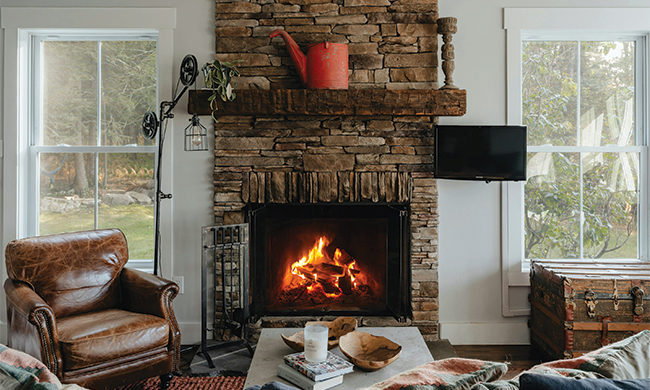
As cold temperatures creep in, you might be dreaming about cozy fall and winter evenings in front of a glowing, crackling fireplace. Before you (literally) fire it up for the first time, consider these steps to make sure your wood-burning fireplace is ready to heat your home cleanly, safely and efficiently.
Getting Your Wood-Burning Fireplace Ready for Winter
(Feature Impact) As cold temperatures creep in, you might be dreaming about cozy fall and winter evenings in front of a glowing, crackling fireplace. Before you (literally) fire it up for the first time, consider these steps to make sure your wood-burning fireplace is ready to heat your home cleanly, safely and efficiently.
Clear Out Old Ash and Debris
When you haven’t used your fireplace for a while, it can build up dust, soot and debris. As the first step of your annual checkup, clean out last season’s leftovers but leave about a 1-inch layer of ash at the bottom of the firebox to provide insulation and make it easier to get wood burning.
Schedule Professional Maintenance
Chimney sweeps still exist, although they don’t look like the soot-smudged lads from old movies anymore – and these days they come with a collection of high-powered modern tools to remove buildup from chimneys and flue systems. Experts can also look for ventilation issues, cracks in the masonry and other potential hazards. The National Fire Protection Association recommends getting your chimney inspected once a year and cleaned or maintained as needed.
Consider Efficiency Upgrades
To keep your fireplace working better for longer or improve its energy efficiency, explore your options for upgrades suited to your fireplace type. Glass fireplace doors, new dampers or a high-efficiency fireplace insert can all help reduce energy loss and improve heating performance. Adding or replacing a chimney cap and applying waterproof sealant to the bricks every five years can help protect your chimney from moisture damage over time.
Burn the Right Kind of Wood
Not all wood burns alike, so you can improve the warmth and efficiency of your fires simply by choosing the right kinds of logs. Stock up on seasoned hardwood dried for 6-12 months and store it in a dry, well-ventilated area away from your home so it doesn’t attract pests like mice who may want to take up residence. Avoid burning painted or treated lumber, wet wood or household trash, which can produce excess smoke and harmful pollutants.
Use Safe Fireplace Equipment
Beyond the fireplace itself, check your setup and tools to make sure you have everything you need to safely start and maintain your fires. If you have an open fireplace, make sure to use a sturdy fireplace screen to contain any stray sparks. A good-quality poker, tongs, shovel and brush can also help you control logs and embers, manage ash and keep your fireplace clean throughout the season.
Discover more home maintenance and upgrade ideas at eLivingtoday.com.
Photo courtesy of Unsplash
SOURCE:




