

Food and Beverage
Natural Grocers® Releases Limited-Edition Pecan Caramel Pie Gourmet Coffee to Commemorate Company’s 69th Anniversary
Natural Grocers celebrates its 69th anniversary with the limited-edition Pecan Caramel Pie coffee, organic and Fair Trade Certified, available from August 9 to September 7, 2024.

Last Updated on August 24, 2024 by Daily News Staff
LAKEWOOD, Colo. /PRNewswire/ — August is a month that inspires everyone to gobble up the last, tastiest bits of summer. Summer nostalgia seems to burn the brightest in August. From the sounds of kids splashing in a pool, to peaceful nights with starry skies and the calming buzz of insects, to backyard get-togethers with family and friends and sweet summer treats…like pie! To commemorate its 69th anniversary, Natural Grocers® proudly introduces a limited-edition Pecan Caramel Pie coffee to its collection of Natural Grocers® Brand Products. Fair Trade Certified™ and organic, this Always Affordable℠ ground gourmet coffee is on sale ($6.99/10 oz) August 9 – September 7, 2024, while supplies last.[i] Customers can stock up now and enjoy this toasty addition long after summer has passed.
HAVE YOUR PIE & DRINK IT TOO
Sustainability, quality and community are behind every Natural Grocers Brand Product, including this limited-edition variety of Pecan Caramel Pie flavored coffee. The company is committed to source 100% organic and Fair Trade Certified coffee for its private label brand and was the first national private label grocery line to execute to this high standard challenge since 2018.[ii]
Pecan Caramel Pie
“Our 2024 Anniversary Coffee is from the same trusted supplier that has provided our entire selection of Natural Grocers Brand Organic Coffee,” said Raquel Isely, Vice President of Marketing at Natural Grocers. “It comes in BPA-free bags, and is certified organic and fair trade, from an employee-owned company which has demonstrated the same enthusiasm for taking care of their neighbors as they do for making great coffee since 1935.”
PRODUCT ATTRIBUTES
The 2024 Anniversary coffee blend is one of twelve variations of the company’s decadent, yet affordably-priced house brand coffees, each supporting the effort to expand the Natural Grocers Brand Products line.
- Roasted in the USA from Globally Sourced Coffee Beans
- Made from 100 % Arabica Beans
- Organic and Fair Trade Certified
- Made with Natural Flavors
- No Artificial Flavorings, Colors, Additives or Preservatives Added
- Available in 10 oz.
- Packaged in BPA-Free Bags
RECENT ADDITIONS AND COMING SOON
Established in 2016, the house brand presently includes over 800 high-quality products, exclusively available at Natural Grocers stores. Learn more about Natural Grocers’ product standards by clicking here. Recent additions to the Natural Grocers Brand Product Line include items such as three new flavors of Baked Organic Dog Treats, an entire collection of vegan, gluten-free and Fair Trade Certified Castile Soaps and eight scrumptious varieties of Organic Cereal. Customers can expect to see more premium-quality additions at Always Affordable Prices℠ to the house brand line, including three new varieties of frozen pizzas and additional seasonal flavored coffees, expected in stores this fall.
- Click here for a media kit featuring the new 2024 Anniversary Coffee, courtesy of Natural Grocers.
- To request media samples, or for any press-related questions, please contact Katie Macarelli: kmacarelli@naturalgrocers.com.
ABOUT NATURAL GROCERS BY VITAMIN COTTAGE
Founded in 1955, Natural Grocers by Vitamin Cottage, Inc. (NYSE: NGVC) is an expanding specialty retailer of natural and organic groceries, body care products, and dietary supplements. The products sold by Natural Grocers must meet strict quality guidelines and may not contain artificial colors, flavors, preservatives or sweeteners, or partially hydrogenated or hydrogenated oils. The Company sells only USDA-certified organic produce and exclusively pasture-raised, non-confinement dairy products, and free-range eggs. Natural Grocers’ flexible smaller-store format allows it to offer affordable prices in a shopper-friendly, clean, and convenient retail environment. The Company also provides extensive free science-based Nutrition Education programs to help customers and Crew make informed health and nutrition choices. Natural Grocers is committed to its 5 Founding Principles—including its “Commitment to Community” and “Commitment to Crew”. In fiscal year 2023, the Company invested $15 million in incremental compensation and discretionary payments for Crew. Headquartered in the Union Square neighborhood of Lakewood, CO, Natural Grocers has 169 stores in 21 states. Visit www.naturalgrocers.com for more information and store locations.
[i] Offer available from 8/09/2024 to 9/7/2024 and is redeemable only for in-store customer purchases at participating stores. Quantity limited to stock on hand, no rainchecks. Unless otherwise noted, all discounts are on regular prices, cannot be redeemed for store credit or cash and cannot be combined with other offers. Pricing excludes taxes and is subject to change without notice. Natural Grocers reserves the right correct errors. Void where prohibited by law.
[ii] For more information on the Fair Trade™ Certified Sustainable Coffee Challenge, visit https://www.fairtradecertified.org/news/sustainable-coffee-challenge/.
SOURCE Natural Grocers by Vitamin Cottage, Inc.
At our core, we at STM Daily News, strive to keep you informed and inspired with the freshest content on all things food and beverage. From mouthwatering recipes to intriguing articles, we’re here to satisfy your appetite for culinary knowledge.
Visit our Food & Drink section to get the latest on Foodie News and recipes, offering a delightful blend of culinary inspiration and gastronomic trends to elevate your dining experience.
https://stmdailynews.com/category/food-and-beverage


Food and Beverage
Sip Festive Fall Flavors with a Post-Apple-Picking Mocktail
As the air turns crisp and the leaves start to turn, it’s time to return to favorite fall traditions. Once you’ve returned from the apple orchard, raise a glass to autumn with this fizzy, fruity Apple Cider Mocktail.
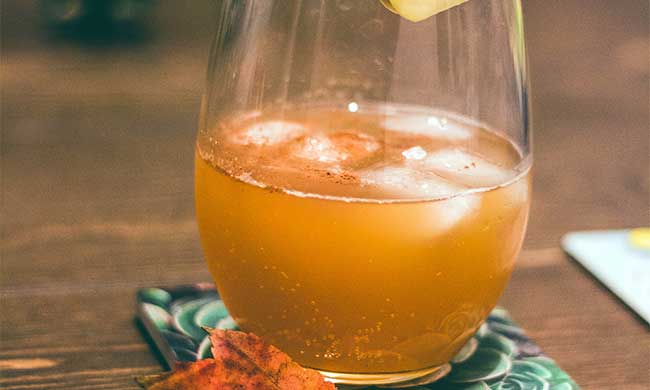
(Feature Impact) As the air turns crisp and the leaves start to turn, it’s time to return to favorite fall traditions like leaf peeping, bonfires and, of course, apple picking. Once you’ve returned from the orchard, raise a glass to autumn with this fizzy, fruity Apple Cider Mocktail.
With smooth apple cider, warm cinnamon, bright citrus, gentle spice from ginger and sweetness from maple syrup and brown sugar, this mocktail tastes complex but is simple to make. If you’d like to turn it into a cocktail, all it takes is a splash of bourbon, rum or vodka – making this drink equally adaptable for a quiet evening at home or a celebratory weekend with friends.
Put on your favorite cozy sweater, grab a jug of apple cider and discover more seasonal recipes at Culinary.net.
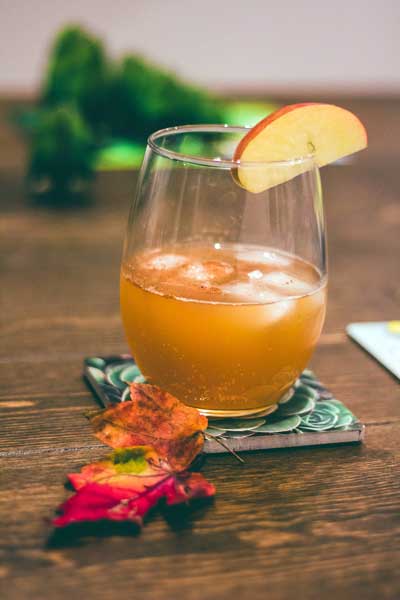
Apple Cider Mocktail
Recipe adapted from Mindful Mocktail
Total time: 5 minutes
Servings: 1
- 1/2 teaspoon brown sugar
- 1/2 teaspoon powdered cinnamon
- 1/2 lemon, divided, for rim then squeezed for juice
- 3 ounces apple cider
- 1 teaspoon maple syrup
- 1/4 teaspoon apple cider vinegar
- ice
- 4 ounces ginger beer, ginger ale or non-alcoholic sparkling wine
- 1 cinnamon stick
- 1/2 small apple, sliced
- On shallow plate, mix brown sugar and cinnamon. Moisten rim of cup with lemon wedge and roll in cinnamon mixture until it sticks.
- In cocktail shaker or jar with lid, add squeezed lemon juice, apple cider, maple syrup, apple cider vinegar and ice. Shake 10-15 seconds to combine.
- Fill glass with ice and strain in mixture from shaker or jar. Top with ginger beer, ginger ale or sparkling wine. Garnish with cinnamon stick and sliced apple.
Note: Sweetness can be customized to taste by using more or less maple syrup, if desired.
Photo courtesy of Unsplash

SOURCE:
Food and Beverage
Philly-Style Chicken Cheesesteak Sandwiches: An Easy, Cheesy Dinner
Bring sandwich night home with these Philly-style chicken cheesesteaks. Thinly sliced chicken, sautéed onions and peppers, and melted cheese fill toasted hoagie rolls for a satisfying meal in about 35 minutes.
Food & Drink
Easy Philly Chicken Cheesesteak Recipe
Tender chicken, golden onions, sautéed peppers, and melted cheese tucked into a toasted hoagie roll—this Philly-style chicken cheesesteak brings plenty of comfort to the dinner table without a complicated ingredient list.
Inspired by the beef cheesesteak, this chicken version makes a satisfying lunch, a casual weekend meal, or an easy dinner when you want something warm and filling. The trick is to slice the chicken thin, give it room to brown, and melt the cheese right over the filling before scooping everything into the rolls.
This home-style recipe includes bell peppers, with mushrooms as an optional addition. Make it your own with creamy white American cheese, mild provolone, or a slice of each.
Recipe at a Glance
● Servings: 4 sandwiches
● Prep time: Approximately 15 minutes
● Cook time: Approximately 20 minutes
● Total time: Approximately 35 minutes
● Equipment: Large skillet with a lid, cutting board, sharp knife, and a separate skillet or oven for toasting rolls
Ingredients
For the filling
● 1½ pounds boneless, skinless chicken breasts or thighs, very thinly sliced across the grain
● 1 medium yellow onion, thinly sliced
● 1 large green bell pepper, seeded and thinly sliced
● 2 tablespoons olive oil or neutral cooking oil, divided
● 1 teaspoon garlic powder
● ½ teaspoon paprika
● ½ teaspoon salt, or to taste
● ½ teaspoon freshly ground black pepper
● 8 slices provolone or white American cheese, or a combination
For the sandwiches
● 4 hoagie rolls
● 2 tablespoons softened butter
● Mayonnaise, optional
● Hot sauce or sliced pickled peppers, optional
Optional addition: 8 ounces sliced mushrooms. Cook them with the vegetables, working in batches if needed so they brown instead of steam.
How to Make Philly-Style Chicken Cheesesteaks
1. Slice and season the chicken
Slice the chicken as thinly as you comfortably can, cutting across the grain. Toss with the garlic powder, paprika, salt, and black pepper.
Kitchen tip: If the chicken is difficult to slice, place it in the freezer for 15–20 minutes to firm it slightly first. This optional chilling time is additional to the recipe’s listed prep time.
2. Sauté the onions and peppers
Heat 1 tablespoon of oil in a large skillet over medium-high heat. Add the onion and bell pepper. Cook for approximately 6–8 minutes, stirring occasionally, until softened and lightly browned.
Transfer the vegetables to a plate.
3. Cook the chicken
Add the remaining tablespoon of oil to the skillet. Add the chicken in an even layer, cooking in batches if necessary.
Cook for approximately 5–7 minutes, turning and separating the pieces as they cook. Timing will vary with the thickness of the chicken and the heat of your pan. Cook until the chicken reaches 165°F, checking the thickest pieces with a food thermometer.
Use a spatula to break the cooked chicken into smaller, sandwich-friendly pieces.
4. Toast the rolls
While the chicken cooks, split the hoagie rolls without cutting all the way through. Spread the cut sides with softened butter.
Toast them butter-side down in a separate skillet over medium heat until lightly golden. Alternatively, toast them cut-side up under the broiler, watching closely.
5. Combine the filling and melt the cheese
Return the cooked vegetables to the skillet with the chicken and toss together. Reduce the heat to low.
Arrange the filling into four portions and place two slices of cheese over each portion. Cover the skillet briefly, just until the cheese melts. If your skillet is too small, melt the cheese over two portions at a time.
6. Fill and serve
Spread a little mayonnaise inside the rolls if desired. Scoop a portion of cheesy chicken and vegetables into each roll.
Finish with hot sauce or pickled peppers if you like a little heat, and serve immediately.
Tips for a Better Sandwich
Keep the chicken thin. Thin slices cook quickly and make the sandwich easier to bite into.
Give the pan some space. Crowding traps moisture. Cooking in batches helps the chicken develop a browned surface.
Choose a sturdy roll. A roll with a soft interior and enough structure to hold the filling works well. Light toasting helps it stand up to the juices.
Pick your cheese. White American gives the filling a creamy texture. Provolone adds a mild, slightly tangy flavor. Combining them gives you a little of both.
Adjust the vegetables. Try red bell pepper for a sweeter filling, add mushrooms, or keep it simple with onions and cheese.
What to Serve With Chicken Cheesesteaks
French fries, potato wedges, coleslaw, or a crisp green salad all make easy sides. For a simple lunch, add a dill pickle and a handful of potato chips.
Can You Make the Filling Ahead?
Yes. Cook the chicken and vegetables ahead, then keep the filling separate from the rolls. Reheat it until hot throughout before adding cheese and assembling the sandwiches. Toast the rolls just before serving for the best texture.
A Comfort-Food Favorite for Your Dinner Rotation
These Philly-style chicken cheesesteaks turn a handful of everyday ingredients into a hearty meal. With tender chicken, sautéed vegetables, and cheese melted into every serving, they’re an easy option for sandwich night.
What goes on your chicken cheesesteak—provolone, white American, mushrooms, or extra peppers? Tell us in the comments.
Find more recipes and meal inspiration in the STM Daily News Food & Drink section.
Related reading from STM Daily News
- Easy Homemade Chicken Alfredo Recipe Another comforting chicken dinner to try.
- Fried Chicken from the Comfort of Home More inspiration for homemade chicken meals.
- How to Make Country Style Lemonade A refreshing drink to serve with your sandwiches.
- STM Daily News Food & Drink Explore more recipes, food news, and meal ideas.
Helpful cooking reference
Safe Minimum Internal Temperatures — FoodSafety.gov Supports the recipe’s instruction to cook chicken to 165°F.
- Philadelphia Cheesesteaks — Visit Philadelphia — Explore Philadelphia’s signature sandwich and cheesesteak culture. Visit Philadelphia
- A Guide to the Best Cheesesteaks in Philadelphia — Includes shops serving traditional and chicken variations. Visit Philadelphia
- Chicken From Farm to Table — USDA — Guidance on handling, thawing, cooking, and storing chicken. Food Safety and Inspection Service
- Leftovers and Food Safety — USDA — Helpful storage and reheating guidance for leftover sandwich filling. Food Safety and Inspection Service
Food and Beverage
Jack-o’-Lantern Stuffed Peppers Prove Fun Isn’t Just for Pumpkins
These Jack-o’-Lantern Stuffed Peppers give you a Halloween-themed, kid-approved way to put vegetables on the dinner table.
Recipes:
Jack-o’-Lantern Stuffed Peppers
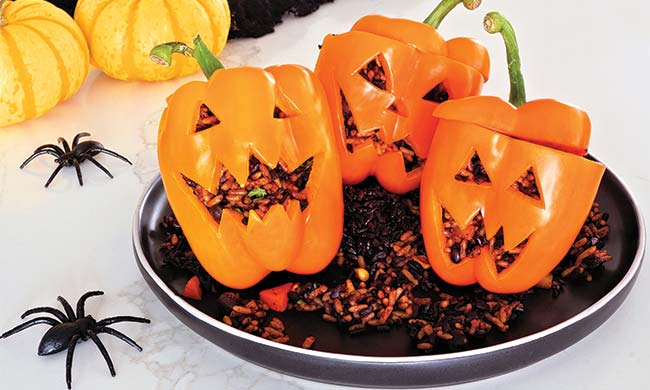
Jack-o’-Lantern Stuffed Peppers Prove Fun Isn’t Just for Pumpkins
(Feature Impact) Jack-o’-lantern carving is a cherished fall tradition – but pumpkins aren’t the only vegetables you can decorate with fun, spooky or scary faces. These Jack-o’-Lantern Stuffed Peppers give you a Halloween-themed, kid-approved way to put vegetables on the dinner table.
Filled with savory ground turkey, brown rice, melty cheese and warm, savory spices, these peppers taste as autumnal as they look. It’s simple to customize the filling to your family’s tastes, and you can even make the meal interactive by inviting kids to choose their own pepper colors and carve their own expressions.
Find more Halloween and seasonal recipes at Culinary.net.
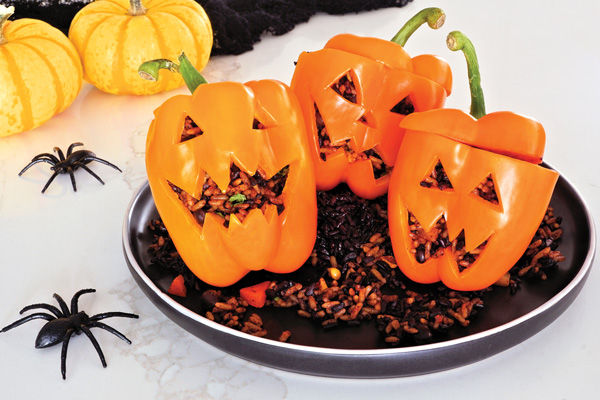
Jack-o’-Lantern Stuffed Peppers
Recipe adapted from AllRecipes
Prep time: 15 minutes
Cook time: 45 minutes
Servings: 4
- 1 teaspoon olive oil
- 1 pound ground turkey
- 3 cloves garlic, minced
- 1/2 medium onion, diced
- 1 teaspoon garlic powder
- 1 teaspoon cumin
- 4 large orange bell peppers
- 1 cup cooked brown rice
- 1 cup grated sharp cheddar cheese
- 2 teaspoons kosher salt
- 1/2 teaspoon ground black pepper
- cayenne pepper, to taste
- cups seasoned tomato sauce, warmed
- Preheat oven to 400 F and coat 9-by-13-inch baking dish with olive oil.
- In skillet, brown ground turkey with minced garlic, onion, garlic powder and cumin until meat is cooked, 4-5 minutes.
- With small knife, cut eyes, nose and mouth into flattest side of each pepper to resemble jack-o’-lantern. Cut around seed pods and remove pepper tops, trimming and discarding any seeds from under stems then setting tops aside. Trim white membranes from inside each pepper and shake out seeds. Place peppers in prepared baking dish.
- In bowl, combine turkey mixture with cooked rice, cheddar cheese, salt, black pepper and cayenne pepper, to taste.
- Divide and stuff mixture into peppers; cover with reserved pepper tops.
- Wrap baking dish loosely with aluminum foil and bake until peppers are tender, about 45 minutes.
- Spoon about 3 tablespoons warm tomato sauce onto each plate; place stuffed peppers on top. Serve remaining sauce on side.
Photo courtesy of Shutterstock

SOURCE:




