

Food and Beverage
Quick, Easy Recipes to Add to Your Dinner Rotation: Simple, nutritious meals to make more time for family
Making time for meals together can have a positive impact on the well-being of families, including children and adolescents.

Last Updated on July 12, 2024 by Daily News Staff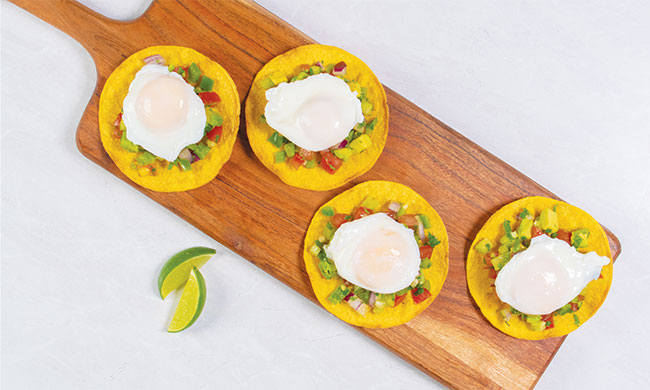
(Family Features) Making time for meals together can have a positive impact on the well-being of families, including children and adolescents. In fact, regular meals at home can help reduce stress and boost self-esteem, according to research published in “Canadian Family Physician.”
Mealtime conversations are also a perfect opportunity to connect with your loved ones. A study published in “New Directions for Child and Adolescent Development” showed these conversations help improve children’s vocabularies more than being read aloud to.
Making time for meals together shouldn’t require spending all night in the kitchen, however. A simple-to-prepare ingredient like eggs can help you spend less time cooking and more time with family.
For example, these heart-healthy recipes for Poached Egg Tostadas with Avocado-Tomatillo Salsa, Sweet Potato Hash with Eggs and Poblano Frittata from the Healthy for Good Eat Smart initiative, nationally supported by Eggland’s Best, are ready in 15 minutes or less. They include a wide variety of vegetables, fruit, whole grains and healthy protein sources, which are recommended by the American Heart Association to help prevent heart disease and stroke.
To find more tips for family mealtimes and recipe inspiration, visit heart.org/eatsmart.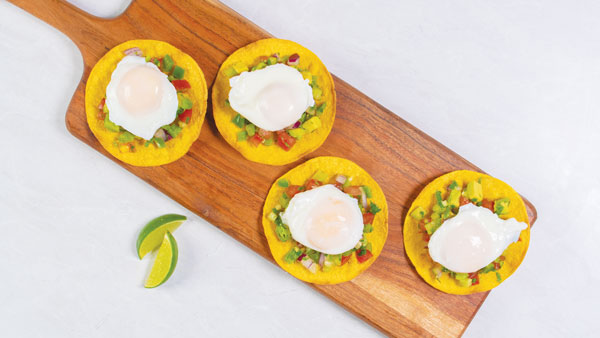
Poached Egg Tostadas with Avocado-Tomatillo Salsa
Servings: 4 (1 egg and 1/2 cup salsa per serving)
- Nonstick cooking spray
- 4 corn tortillas (6 inches each)
- 4 cups water
- 1 tablespoon white vinegar
- 4 large eggs
Salsa:
- 1 medium avocado, diced
- 1 medium Anaheim or poblano pepper, seeds and ribs discarded, diced
- 1 medium tomatillo, papery husk discarded, washed and diced
- 1/2 medium tomato, diced
- 1/4 cup diced red onion
- 1/4 cup chopped fresh cilantro
- 2 tablespoons fresh lime juice
- 1 medium garlic clove, minced
- 1/8 teaspoon salt
- Preheat oven to 400 F. Line baking sheet with aluminum foil. Lightly spray foil with nonstick cooking spray.
- Arrange tortillas in single layer on foil. Lightly spray tortillas with nonstick cooking spray. Using fork, pierce tortillas to prevent from filling with air. Bake 5-6 minutes on each side, or until golden brown. Transfer to serving plates.
- In large skillet over high heat, bring water and vinegar to boil.
- Once water is boiling, reduce heat and simmer. Break egg into cup then carefully slip egg into simmering water. Repeat with remaining eggs, avoiding eggs touching in water. Simmer 3-5 minutes, or until egg whites are completely set and yolks are beginning to set but aren’t hard. Using slotted spoon, drain eggs. Place each egg on tostada.
- To make salsa: In medium bowl, gently stir together avocado, pepper, tomatillo, tomato, red onion, cilantro, lime juice, garlic and salt. Serve with tostadas.
Nutritional information per serving: 185 calories; 11 g total fat; 2.5 g saturated fat; 3 g polyunsaturated fat; 5 g monounsaturated fat; 186 mg cholesterol; 169 mg sodium; 15 g carbohydrates; 3 g fiber; 2 g total sugars; 9 g protein.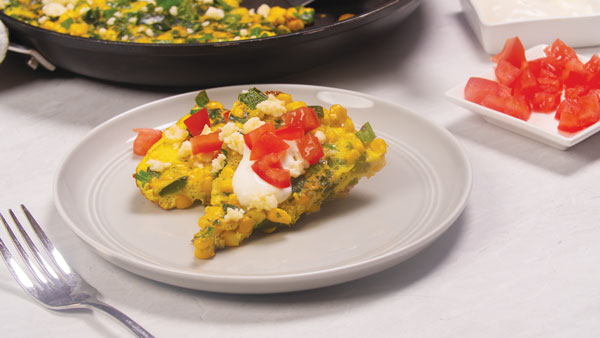
Poblano Frittata
Servings: 4 (2 wedges per serving)
- 4 large eggs
- 1/4 cup fat-free milk
- 2 tablespoons chopped fresh cilantro
- 1 teaspoon olive oil
- 2 medium poblano peppers, seeds and ribs discarded, chopped
- 2 cups frozen whole-kernel corn, thawed
- 2 medium green onions, chopped
- 1/4 cup finely shredded Cotija cheese or crumbled queso fresco
- 1 medium tomato, chopped
- 1/4 cup fat-free sour cream
- In medium bowl, whisk eggs, milk and cilantro.
- In medium skillet over medium heat, heat oil, swirling to coat bottom of skillet. Cook poblano peppers 3 minutes, or until browning on edges, stirring frequently.
- Stir in corn and green onion. Reduce heat to medium-low and carefully pour in egg mixture. Cook, covered, 10 minutes, or until mixture is just set on edges and still soft in center. Avoid overcooking. Remove from heat.
- Sprinkle with cheese. Cut into eight wedges. Place two wedges on each plate. Top with tomatoes and sour cream.
Nutritional information per serving: 244 calories; 8.5 g total fat; 2.5 g saturated fat; 1.5 g polyunsaturated fat; 3 g monounsaturated fat; 192 mg cholesterol; 177 mg sodium; 27 g carbohydrates; 4 g fiber; 8 g total sugars; 13 g protein.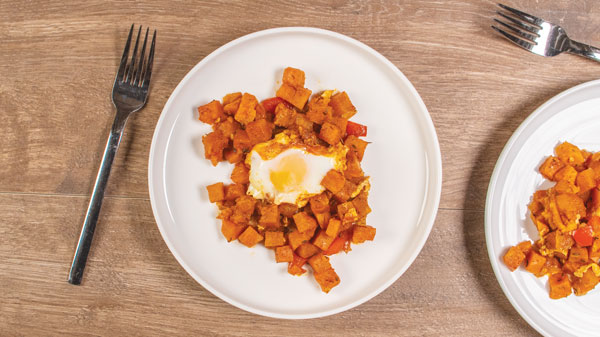
Sweet Potato Hash with Eggs
Servings: 4 (1 cup per serving)
- 2 teaspoons canola or corn oil
- 1/2 medium onion, chopped
- 4 medium sweet potatoes, peeled and cut into 1/2-inch cubes
- 1/2 medium red or green bell pepper, chopped
- 2/3 cup fat-free, low-sodium vegetable broth
- 2 teaspoons minced garlic
- 2 teaspoons smoked paprika
- 1 teaspoon ground cumin
- 1/2 teaspoon dried thyme, crumbled
- 1/2 teaspoon coarsely ground pepper
- 1/8 teaspoon salt
- 4 large eggs
- hot pepper sauce (optional)
- In pressure cooker set on saute, heat oil. Cook onion 3 minutes, or until soft, stirring frequently. Turn off pressure cooker.
- Stir in potatoes, bell pepper, broth, garlic, paprika, cumin, thyme, pepper and salt. Secure lid. Cook on high pressure 3 minutes. Quickly release pressure. Turn off pressure cooker.
- Remove pressure cooker lid. Crack one egg into small bowl. Using back of spoon, make small well in potatoes. Slip egg into well. Repeat with remaining eggs, making separate well for each egg. Secure lid with pressure vent open. Saute 2 minutes. Let stand on “keep warm” setting 2 minutes, or until eggs are cooked to desired consistency.
- Serve hash sprinkled with dash of hot pepper sauce, if desired.
Nutritional information per serving: 258 calories; 7.5 g total fat; 2 g saturated fat; 1.5 g polyunsaturated fat; 3 g monounsaturated fat; 186 mg cholesterol; 244 mg sodium; 39 g carbohydrates; 6 g fiber; 9 g total sugars; 10 g protein.
SOURCE:
American Heart Association
At our core, we at STM Daily News, strive to keep you informed and inspired with the freshest content on all things food and beverage. From mouthwatering recipes to intriguing articles, we’re here to satisfy your appetite for culinary knowledge.
Visit our Food & Drink section to get the latest on Foodie News and recipes, offering a delightful blend of culinary inspiration and gastronomic trends to elevate your dining experience.
https://stmdailynews.com/category/food-and-beverage
You can also find food and beverage-related videos on our YouTube channel, where we regularly post new content and share tips, recipes, and demonstrations. https://youtube.com/playlist?list=PLEhXBupt8tVynuUhpQZMxQt4lvPmOiAtQ&si=InDwc7YaB0KIwmxy


STM Blog
Golden Bird in Compton: When Mom Took a Night Off
Golden Bird in Compton was an occasional Friday or Saturday treat when Mom wanted a break from cooking. A personal look back at its Alondra Boulevard location and the memories that linger.


Some childhood meals stay with you for decades. For me, Golden Bird fried chicken in Compton is one of them.
Growing up in the Los Angeles area, an occasional Friday or Saturday meant my mom wanted a break from cooking. Those were the nights when takeout became a treat, and Golden Bird was one of the places I remember enjoying most.
The location on East Alondra Boulevard sounds like the one we visited. Researching it brought me to 2600 East Alondra Boulevard, Compton—an address listed in Los Angeles County records under Golden Bird #1.
An address can help place a memory on a map. But what I remember most is much simpler: the chicken was delicious, and getting it was a welcome weekend treat.
Part of Our Family’s Takeout Rotation
Golden Bird wasn’t our only chicken stop. Over the years, there was Pioneer, KFC, Church’s, Louisiana Fried Chicken, and later Popeyes. I also remember Jim Dandy from when I was very young, especially its crinkle-cut fries.
Each name brings back a different memory. Golden Bird brings me back to Compton and those evenings when my mother could take some time off from preparing dinner.
As a kid, I thought about enjoying the food. Looking back, I also appreciate what those meals meant for her: one less dinner to cook and a chance to take a break.
The History Behind the Address
Golden Bird’s own history describes a family recipe associated with Zelma and a wet batter designed to give the chicken a crisp outside while keeping the meat moist. My own memory is simply that I loved eating it.
The Alondra Boulevard location also connects to another chapter in Southern California’s fried-chicken history. Vincent Williams opened a Compton Golden Bird franchise in 1983, according to the Los Angeles Times.
A later profile described Williams developing his Honey’s Kettle concept in his former Compton franchise location. Honey’s Kettle dates its beginnings on Alondra Boulevard to 2000, and a 2012 restaurant visit documented its original location at 2600 East Alondra Boulevard. Those accounts point to a connection between the two businesses at that address.
I haven’t established who operated the restaurant during every year my family visited. But learning about its history adds another layer to a place I remember through its food.
A Weekend Memory Worth Keeping
For me, Golden Bird’s place in the story starts with family. It was an occasional treat, a meal I enjoyed, and a Friday or Saturday when Mom could let someone else handle the cooking.
Decades later, that is still a good reason to remember a neighborhood restaurant.
Editor’s note: Golden Bird is still serving fried chicken in South Los Angeles at 8300 South Western Avenue, at West 83rd Street. For those of us who remember it as a weekend family treat, it’s good to know the Golden Bird name remains part of LA’s food scene. Order pickup and delivery
Did you eat at the Golden Bird on Alondra Boulevard—or another Golden Bird location? Share your memories and favorite orders in the comments.
Explore more food stories in STM Daily News’ Food & Drink section.

Food and Beverage
Sip Festive Fall Flavors with a Post-Apple-Picking Mocktail
As the air turns crisp and the leaves start to turn, it’s time to return to favorite fall traditions. Once you’ve returned from the apple orchard, raise a glass to autumn with this fizzy, fruity Apple Cider Mocktail.
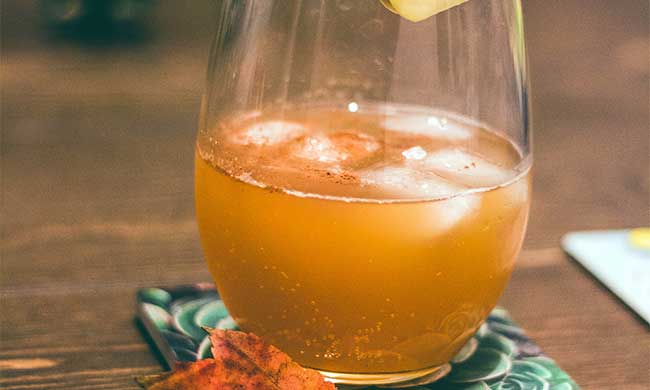
(Feature Impact) As the air turns crisp and the leaves start to turn, it’s time to return to favorite fall traditions like leaf peeping, bonfires and, of course, apple picking. Once you’ve returned from the orchard, raise a glass to autumn with this fizzy, fruity Apple Cider Mocktail.
With smooth apple cider, warm cinnamon, bright citrus, gentle spice from ginger and sweetness from maple syrup and brown sugar, this mocktail tastes complex but is simple to make. If you’d like to turn it into a cocktail, all it takes is a splash of bourbon, rum or vodka – making this drink equally adaptable for a quiet evening at home or a celebratory weekend with friends.
Put on your favorite cozy sweater, grab a jug of apple cider and discover more seasonal recipes at Culinary.net.
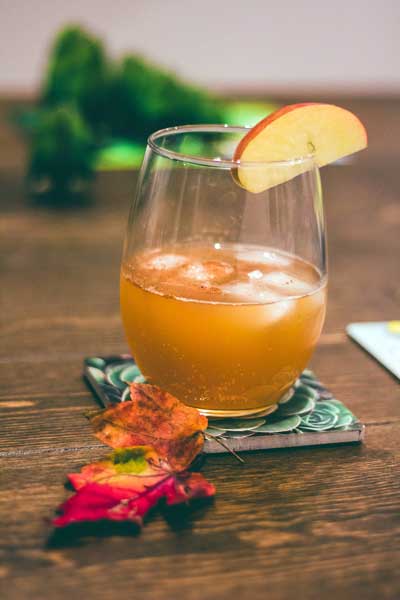
Apple Cider Mocktail
Recipe adapted from Mindful Mocktail
Total time: 5 minutes
Servings: 1
- 1/2 teaspoon brown sugar
- 1/2 teaspoon powdered cinnamon
- 1/2 lemon, divided, for rim then squeezed for juice
- 3 ounces apple cider
- 1 teaspoon maple syrup
- 1/4 teaspoon apple cider vinegar
- ice
- 4 ounces ginger beer, ginger ale or non-alcoholic sparkling wine
- 1 cinnamon stick
- 1/2 small apple, sliced
- On shallow plate, mix brown sugar and cinnamon. Moisten rim of cup with lemon wedge and roll in cinnamon mixture until it sticks.
- In cocktail shaker or jar with lid, add squeezed lemon juice, apple cider, maple syrup, apple cider vinegar and ice. Shake 10-15 seconds to combine.
- Fill glass with ice and strain in mixture from shaker or jar. Top with ginger beer, ginger ale or sparkling wine. Garnish with cinnamon stick and sliced apple.
Note: Sweetness can be customized to taste by using more or less maple syrup, if desired.
Photo courtesy of Unsplash

SOURCE:
Food and Beverage
Philly-Style Chicken Cheesesteak Sandwiches: An Easy, Cheesy Dinner
Bring sandwich night home with these Philly-style chicken cheesesteaks. Thinly sliced chicken, sautéed onions and peppers, and melted cheese fill toasted hoagie rolls for a satisfying meal in about 35 minutes.
Food & Drink
Easy Philly Chicken Cheesesteak Recipe
Tender chicken, golden onions, sautéed peppers, and melted cheese tucked into a toasted hoagie roll—this Philly-style chicken cheesesteak brings plenty of comfort to the dinner table without a complicated ingredient list.
Inspired by the beef cheesesteak, this chicken version makes a satisfying lunch, a casual weekend meal, or an easy dinner when you want something warm and filling. The trick is to slice the chicken thin, give it room to brown, and melt the cheese right over the filling before scooping everything into the rolls.
This home-style recipe includes bell peppers, with mushrooms as an optional addition. Make it your own with creamy white American cheese, mild provolone, or a slice of each.
Recipe at a Glance
● Servings: 4 sandwiches
● Prep time: Approximately 15 minutes
● Cook time: Approximately 20 minutes
● Total time: Approximately 35 minutes
● Equipment: Large skillet with a lid, cutting board, sharp knife, and a separate skillet or oven for toasting rolls
Ingredients
For the filling
● 1½ pounds boneless, skinless chicken breasts or thighs, very thinly sliced across the grain
● 1 medium yellow onion, thinly sliced
● 1 large green bell pepper, seeded and thinly sliced
● 2 tablespoons olive oil or neutral cooking oil, divided
● 1 teaspoon garlic powder
● ½ teaspoon paprika
● ½ teaspoon salt, or to taste
● ½ teaspoon freshly ground black pepper
● 8 slices provolone or white American cheese, or a combination
For the sandwiches
● 4 hoagie rolls
● 2 tablespoons softened butter
● Mayonnaise, optional
● Hot sauce or sliced pickled peppers, optional
Optional addition: 8 ounces sliced mushrooms. Cook them with the vegetables, working in batches if needed so they brown instead of steam.
How to Make Philly-Style Chicken Cheesesteaks
1. Slice and season the chicken
Slice the chicken as thinly as you comfortably can, cutting across the grain. Toss with the garlic powder, paprika, salt, and black pepper.
Kitchen tip: If the chicken is difficult to slice, place it in the freezer for 15–20 minutes to firm it slightly first. This optional chilling time is additional to the recipe’s listed prep time.
2. Sauté the onions and peppers
Heat 1 tablespoon of oil in a large skillet over medium-high heat. Add the onion and bell pepper. Cook for approximately 6–8 minutes, stirring occasionally, until softened and lightly browned.
Transfer the vegetables to a plate.
3. Cook the chicken
Add the remaining tablespoon of oil to the skillet. Add the chicken in an even layer, cooking in batches if necessary.
Cook for approximately 5–7 minutes, turning and separating the pieces as they cook. Timing will vary with the thickness of the chicken and the heat of your pan. Cook until the chicken reaches 165°F, checking the thickest pieces with a food thermometer.
Use a spatula to break the cooked chicken into smaller, sandwich-friendly pieces.
4. Toast the rolls
While the chicken cooks, split the hoagie rolls without cutting all the way through. Spread the cut sides with softened butter.
Toast them butter-side down in a separate skillet over medium heat until lightly golden. Alternatively, toast them cut-side up under the broiler, watching closely.
5. Combine the filling and melt the cheese
Return the cooked vegetables to the skillet with the chicken and toss together. Reduce the heat to low.
Arrange the filling into four portions and place two slices of cheese over each portion. Cover the skillet briefly, just until the cheese melts. If your skillet is too small, melt the cheese over two portions at a time.
6. Fill and serve
Spread a little mayonnaise inside the rolls if desired. Scoop a portion of cheesy chicken and vegetables into each roll.
Finish with hot sauce or pickled peppers if you like a little heat, and serve immediately.
Tips for a Better Sandwich
Keep the chicken thin. Thin slices cook quickly and make the sandwich easier to bite into.
Give the pan some space. Crowding traps moisture. Cooking in batches helps the chicken develop a browned surface.
Choose a sturdy roll. A roll with a soft interior and enough structure to hold the filling works well. Light toasting helps it stand up to the juices.
Pick your cheese. White American gives the filling a creamy texture. Provolone adds a mild, slightly tangy flavor. Combining them gives you a little of both.
Adjust the vegetables. Try red bell pepper for a sweeter filling, add mushrooms, or keep it simple with onions and cheese.
What to Serve With Chicken Cheesesteaks
French fries, potato wedges, coleslaw, or a crisp green salad all make easy sides. For a simple lunch, add a dill pickle and a handful of potato chips.
Can You Make the Filling Ahead?
Yes. Cook the chicken and vegetables ahead, then keep the filling separate from the rolls. Reheat it until hot throughout before adding cheese and assembling the sandwiches. Toast the rolls just before serving for the best texture.
A Comfort-Food Favorite for Your Dinner Rotation
These Philly-style chicken cheesesteaks turn a handful of everyday ingredients into a hearty meal. With tender chicken, sautéed vegetables, and cheese melted into every serving, they’re an easy option for sandwich night.
What goes on your chicken cheesesteak—provolone, white American, mushrooms, or extra peppers? Tell us in the comments.
Find more recipes and meal inspiration in the STM Daily News Food & Drink section.
Related reading from STM Daily News
- Easy Homemade Chicken Alfredo Recipe Another comforting chicken dinner to try.
- Fried Chicken from the Comfort of Home More inspiration for homemade chicken meals.
- How to Make Country Style Lemonade A refreshing drink to serve with your sandwiches.
- STM Daily News Food & Drink Explore more recipes, food news, and meal ideas.
Helpful cooking reference
Safe Minimum Internal Temperatures — FoodSafety.gov Supports the recipe’s instruction to cook chicken to 165°F.
- Philadelphia Cheesesteaks — Visit Philadelphia — Explore Philadelphia’s signature sandwich and cheesesteak culture. Visit Philadelphia
- A Guide to the Best Cheesesteaks in Philadelphia — Includes shops serving traditional and chicken variations. Visit Philadelphia
- Chicken From Farm to Table — USDA — Guidance on handling, thawing, cooking, and storing chicken. Food Safety and Inspection Service
- Leftovers and Food Safety — USDA — Helpful storage and reheating guidance for leftover sandwich filling. Food Safety and Inspection Service




