

Food and Beverage
Recetas rápidas y fáciles para tu plan semanal de comidas: Comidas sencillas y nutritivas para dedicar más tiempo a la familia
Dedicar tiempo a comer juntos puede tener un impacto positivo en el bienestar de las familias, incluidos los niños y adolescentes.

Last Updated on July 12, 2024 by Daily News Staff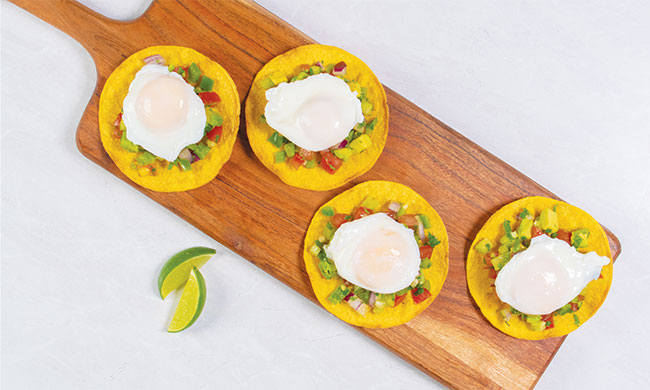
(Family Features) Dedicar tiempo a comer juntos puede tener un impacto positivo en el bienestar de las familias, incluidos los niños y adolescentes. De hecho, las comidas regulares en casa pueden ayudar a reducir el estrés y aumentar la autoestima, según una investigación publicada en “Canadian Family Physician”.
Las conversaciones a la hora de comer también son una oportunidad perfecta para conectarse con sus seres queridos. Un estudio publicado en “New Directions for Child and Adolescent Development” demostró que estas conversaciones ayudan a mejorar el vocabulario de los niños más que leerles en voz alta.
Sin embargo, hacer tiempo para comer juntos no debería requerir pasar toda la noche en la cocina. Un ingrediente fácil de preparar como los huevos puede ayudarle a pasar menos tiempo cocinando y más tiempo con la familia.
Por ejemplo, estas recetas saludables para el corazón de tostadas de huevo escalfado con salsa de aguacate y tomate, picadillo de camote con huevos y frittata poblana de la iniciativa Healthy for Good Eat Smart, respaldada a nivel nacional por Eggland’s Best, están listas en 15 minutos o menos. Incluyen una amplia variedad de verduras, frutas, cereales integrales y fuentes de proteínas saludables, recomendadas por la American Heart Association para ayudar a prevenir enfermedades cardíacas y accidentes cerebrovasculares.
Para encontrar más consejos para las comidas familiares e inspiración para recetas, visite heart.org/eatsmart.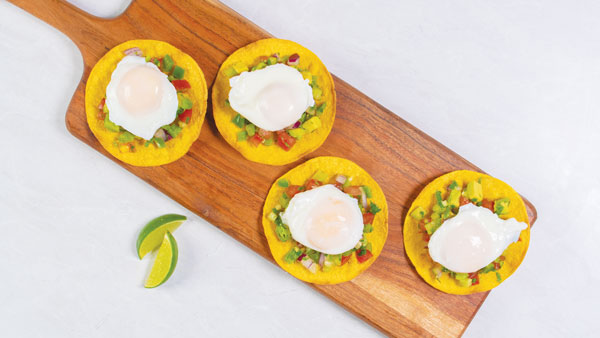
Tostadas de huevo escalfado con salsa de aguacate y tomatillo
Porciones: 4 (1 huevo y 1/2 taza de salsa por porción)
- aceite antiadherente en aerosol
- 4 tortillas de maíz (6 pulgadas cada una)
- 4 tazas de agua
- 1 cucharada de vinagre de vino blanco
- 4 huevos grandes
Salsa:
- 1 aguacate mediano, cortado en cubitos
- 1 Chile Anaheim o poblano mediano, sin semillas ni venas, cortado en cubitos
- 1 tomatillo mediano, sin la cáscara, lavado y cortado en cubos
- 1/2 tomate mediano, cortado en cubitos
- 1/4 taza de cebolla morada, en cubos
- 1/4 taza de cilantro fresco picado
- 2 cucharadas de jugo de lima fresco
- 1 diente de ajo mediano, picado
- 1/8 cucharadita de sal
- Precaliente el horno a 400 F. Cubra una bandeja para hornear con papel de aluminio. Rocíe ligeramente el papel de aluminio con aceite en aerosol antiadherente.
- Coloque las tortillas en una sola capa sobre papel de aluminio. Rocíe ligeramente las tortillas con aceite en aerosol antiadherente. Con un tenedor, pinche las tortillas para evitar que se llenen de aire. Hornee de 5 a 6 minutos por cada lado o hasta que estén doradas. Transfiera a platos para servir.
- En una sartén grande a fuego alto, hierva el agua y el vinagre.
- Una vez que el agua esté hirviendo, reduzca el fuego y cocine a fuego lento. Rompa el huevo en una taza y luego deslícelo con cuidado al agua hirviendo. Repita con los huevos restantes, evitando que los huevos se toquen en el agua. Cocine a fuego lento de 3 a 5 minutos, o hasta que las claras de huevo estén completamente cuajadas y las yemas comiencen a cuajar pero no estén duras. Con una espumadera, escurra los huevos. Coloque cada huevo sobre una tostada.
- Para hacer la salsa: En un tazón mediano, mezcle suavemente el aguacate, el pimiento, el tomatillo, el tomate, la cebolla morada, el cilantro, el jugo de limón, el ajo y la sal. Servir con las tostadas.
Información nutricional por porción: 185 calorías; 11 g de grasa total; 2.5 g de grasa saturada; 3 g de grasa poliinsaturada; 5 g de grasa monoinsaturada; 186 mg de colesterol; 169 mg de sodio; 15 g de carbohidratos; 3 g de fibra; 2 g de azúcares totales; 9 g de proteína.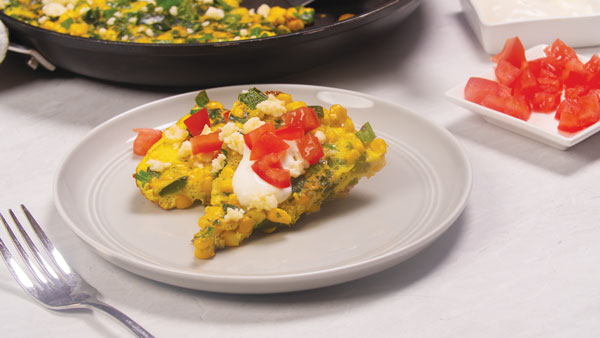
Frittata Poblana
Porciones: 4 (2 porciones por ración)
- 4 huevos grandes
- 1/4 taza de leche descremada
- 2 cucharadas de cilantro fresco picado
- 1 cucharadita de aceite de oliva
- 2 chiles poblanos medianos, sin semillas y venas, picados
- 2 tazas de maíz entero congelado, descongelado
- 2 cebollas verdes medianas, picadas
- 1/4 taza de queso Cotija finamente rallado o queso fresco desmenuzado
- 1 tomate mediano, picado
- 1/4 taza de crema agria sin grasa
- En un tazón mediano, bata los huevos, la leche y el cilantro.
- En una sartén mediana a fuego medio, caliente el aceite, revolviendo para cubrir el fondo de la sartén. Cocine los chiles poblanos durante 3 minutos o hasta que se doren en los bordes, revolviendo con frecuencia.
- Agregue el maíz y la cebolla verde. Reduzca el fuego a medio-bajo y vierta con cuidado la mezcla de huevo. Cocine, tapado, durante 10 minutos o hasta que la mezcla esté firme en los bordes y aún blanda en el centro. Evite cocinarlo demasiado. Retire del fuego.
- Espolvoree con queso. Cortar en ocho porciones. Coloque dos porciones en cada plato. Cubra con tomates y crema agria.
Información nutricional por porción: 244 calorías; 8.5 g de grasa total; 2.5 g de grasa saturada; 1.5 g de grasa poliinsaturada; 3 g de grasa monoinsaturada; 192 mg de colesterol; 177 mg de sodio; 27 g de carbohidratos; 4 g de fibra; 8 g de azúcares totales; 13 g de proteína.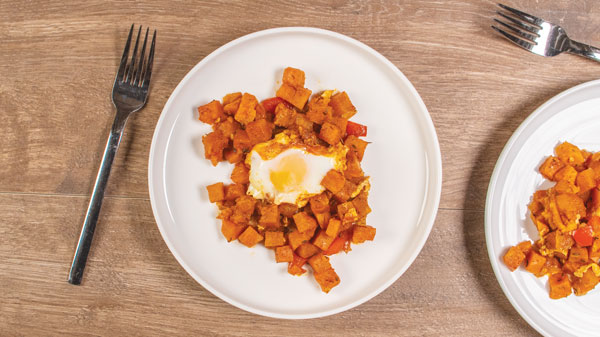
Picadillo de camote con huevos
Porciones: 4 (1 taza por porción)
- 2 cucharaditas de aceite de canola o maíz
- 1/2 cebolla mediana, picada
- 4 camotes medianos, pelados y cortados en cubos de 1/2 pulgada
- 1/2 pimiento morrón rojo o verde mediano, picado
- 2/3 taza de caldo de verduras sin grasa y bajo en sodio
- 2 cucharadita de ajo picado
- 2 cucharadita de pimentón ahumado
- 1 cucharadita de comino molido
- 1/2 cucharadita de tomillo seco, desmenuzado
- 1/2 cucharadita de pimienta molida gruesa
- 1/8 cucharadita de sal
- 4 huevos grandes
- salsa de pimiento picante (opcional)
- En una olla a presión puesta para saltear, caliente el aceite. Cocine la cebolla durante 3 minutos o hasta que esté suave, revolviendo con frecuencia. Apague la olla a presión.
- Agregue los camotes, el pimiento morrón, el caldo, el ajo, el pimentón, el comino, el tomillo, la pimienta y la sal. Cierre la tapa. Cocine a alta presión durante 3 minutos. Libere rápidamente la presión. Apague la olla a presión.
- Retire la tapa de la olla a presión. Rompa un huevo en un tazón pequeño. Con el dorso de una cuchara, haga pequeños huecos en los camotes. Deslice el huevo en el hueco. Repita la acción con los huevos restantes, haciendo un hueco para cada huevo. Cierre la tapa con la ventilación de presión abierta. Saltee 2 minutos. Deje reposar en “mantener caliente” durante 2 minutos, o hasta que los huevos estén cocidos con la consistencia deseada.
- Si lo desea, puede servir el hash rociado con un chorrito de salsa picante.
Información nutricional por porción: 258 calorías; 7.5 g de grasa total; 2 g de grasa saturada; 1.5 g de grasa poliinsaturada; 3 g de grasa monoinsaturada; 186 mg de colesterol; 244 mg de sodio; 39 g de carbohidratos; 6 g de fibra; 9 g de azúcares totales; 10 g de proteína.
SOURCE:
American Heart Association
At our core, we at STM Daily News, strive to keep you informed and inspired with the freshest content on all things food and beverage. From mouthwatering recipes to intriguing articles, we’re here to satisfy your appetite for culinary knowledge.
Visit our Food & Drink section to get the latest on Foodie News and recipes, offering a delightful blend of culinary inspiration and gastronomic trends to elevate your dining experience.
https://stmdailynews.com/category/food-and-beverage
You can also find food and beverage-related videos on our YouTube channel, where we regularly post new content and share tips, recipes, and demonstrations. https://youtube.com/playlist?list=PLEhXBupt8tVynuUhpQZMxQt4lvPmOiAtQ&si=InDwc7YaB0KIwmxy


Food and Beverage
Serve Up Smiles with Favorite Holiday Sides
Turkey and ham may sit centerstage, but classic holiday sides can make the season truly special. You can bring smiles to your loved ones’ faces by dishing out those favorite recipes everyone asks for year after year.
(Family Features) Turkey and ham may sit centerstage, but classic holiday sides can make the season truly special. You can bring smiles to your loved ones’ faces by dishing out those favorite recipes everyone asks for year after year.
Made with a delicious combination of rice, cheddar cheese, cream of mushroom soup and broccoli florets, this quick and easy version of Broccoli and Cheese Rice Casserole is an ideal one-pot dish to keep the holidays simple. With three easy steps and everyday ingredients, it comes together with minimal effort for traditional casserole taste.
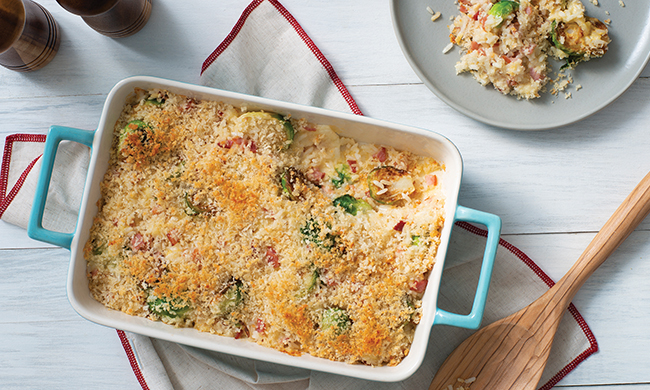
When it comes to feeding a crowd, it’s often best to let your oven do the work. This Brussels Sprouts and Ham Rice Gratin recipe allows you to serve up a filling favorite with little effort using pantry staples. Plus, it’s a kid-friendly way to encourage veggies at this year’s holiday meal with gooey cheese providing tempting taste bud motivation.
These seasonal classics and more are made quick and easy with an option like Success Boil-in-Bag Rice, a pre-measured, mess-free way to make fluffy, high-quality rice. It’s cooked by simply dropping a bag of rice in a pot of water or broth then boiling it for 10 minutes. BPA-free and FDA-approved, the bags are safe to use and made to withstand high temperatures.
An added bonus: If you’re aiming to achieve a particular flavor, just season the rice by cooking in water infused with herbs, spices, broth, coconut milk or other liquids like juice for sweeter recipes.
Visit SuccessRice.com to find more holiday recipe inspiration.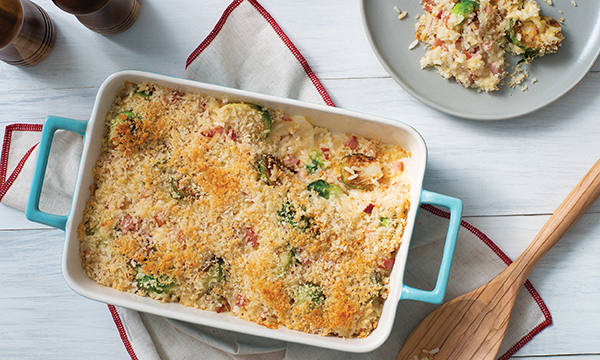
Brussels Sprouts and Ham Rice Gratin
Prep time: 20 minutes
Cook time: 25 minutes
Servings: 4
- 1 bag Success White Rice
- 1/2 pound Brussels sprouts, trimmed and halved
- 1/3 cup diced ham
- 1 clove garlic, minced
- 1 tablespoon olive oil
- 3/4 teaspoon salt, divided
- 3/4 teaspoon black pepper, divided
- 1 cup heavy cream
- 2 tablespoons finely chopped fresh chives
- 2 tablespoons Dijon mustard
- 1 cup shredded sharp cheddar cheese
- 1/2 cup grated Parmesan cheese, divided
- 1/3 cup breadcrumbs
- 2 tablespoons butter, melted
- Preheat oven to 450 F. Prepare rice according to package directions.
- In large bowl, toss Brussels sprouts, ham, garlic, olive oil, 1/4 teaspoon salt and 1/4 teaspoon pepper. Place on parchment paper-lined baking tray and roast 12-15 minutes, or until caramelized. Decrease oven temperature to 425 F.
- In large bowl, toss rice, Brussels sprouts mixture, cream, chives, Dijon mustard, remaining salt and remaining pepper. Stir in cheddar and 1/3 cup Parmesan cheese. Transfer mixture to greased, 2-quart baking dish.
- In small bowl, stir breadcrumbs, remaining Parmesan and melted butter. Sprinkle over rice mixture.
- Bake 12-15 minutes, or until golden brown and bubbling.
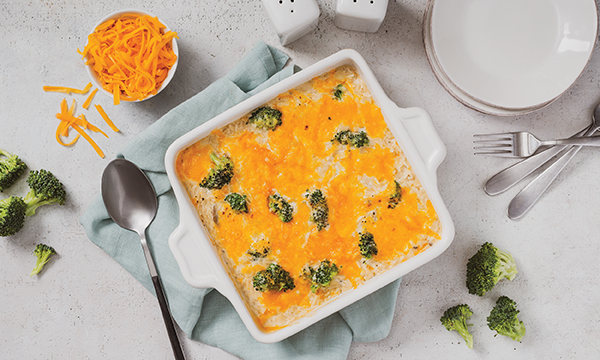
Broccoli and Cheese Rice Casserole
Prep time: 5 minutes
Cook time: 30 minutes
Servings: 4-6
- 1 bag Success White Rice or Brown Rice
- nonstick cooking spray
- 1 can (10 3/4 ounces) condensed cream of mushroom soup
- 2 cups frozen broccoli florets, thawed and drained
- 1 1/2 cups shredded cheddar cheese, divided
- 1/2 cup evaporated milk
- 3 tablespoons butter, melted
- 1 tablespoon grated onion
- 1/2 teaspoon salt
- 1/2 teaspoon black pepper
- Prepare rice according to package directions. Preheat oven to 350 F.
- Coat 2-quart casserole dish with nonstick cooking spray. In medium bowl, combine soup, broccoli, 1 cup cheddar cheese, evaporated milk, butter, onion, salt and pepper. Fold in rice.
- Pour mixture into prepared dish and top with remaining cheddar cheese. Bake 20 minutes.
SOURCE:
Success Rice
At our core, we at STM Daily News, strive to keep you informed and inspired with the freshest content on all things food and beverage. From mouthwatering recipes to intriguing articles, we’re here to satisfy your appetite for culinary knowledge.
Visit our Food & Drink section to get the latest on Foodie News and recipes, offering a delightful blend of culinary inspiration and gastronomic trends to elevate your dining experience.
https://stmdailynews.com/category/food-and-beverage
You can also find food and beverage-related videos on our YouTube channel, where we regularly post new content and share tips, recipes, and demonstrations. https://youtube.com/playlist?list=PLEhXBupt8tVynuUhpQZMxQt4lvPmOiAtQ&si=InDwc7YaB0KIwmxy
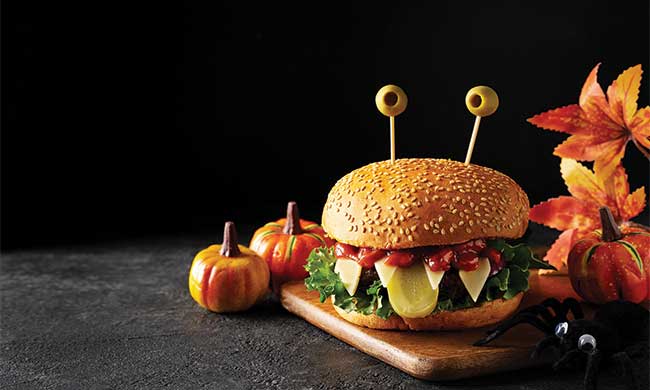
(Feature Impact) Out with the ordinary, in with the weird – that’s what the Halloween season is all about. These Halloween Monster Burgers give a ghoulishly fun twist on burger night, featuring all your favorite toppings transformed into olive eyes, cheese fangs and a pickle tongue.
Whether you reach for a traditional hamburger patty or switch it up with chicken, turkey, bean or veggie options, the effect is the same: a dinner that looks like it escaped from a mad scientist’s lab. It’s a good way to get some protein and veggies into kids before the trick-or-treating sugar rush, and you can even make it interactive by inviting them to decorate their own monsters and come up with creative variations.
Alternatively, if you’re looking for some spooky hors d’oeuvres to impress at this year’s Halloween party, these burgers are easy to size down into slider form. Serve a whole tray of mini monsters ready to devour – or be devoured by – hungry guests.
Find more Halloween recipe inspiration at Culinary.net.
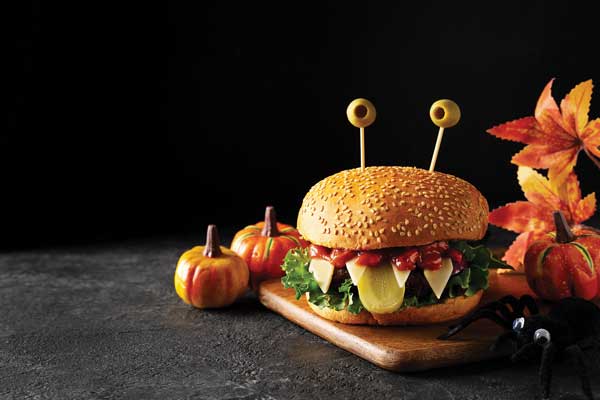
Halloween Monster Burgers
Recipe adapted from Happy Foods Tube
Prep time: 10 minutes
Total time: 18 minutes
Servings: 4
- 4 hamburger, chicken or veggie patties
- 4 tablespoons mayonnaise
- 4 teaspoons ketchup, plus additional, to taste, divided
- 4 hamburger buns
- 8 leaves baby romaine lettuce
- 4 slices dill pickles, sliced lengthwise
- 4 cheese slices
- 8 large green olives, pits removed
- Cook burger patties until they reach desired doneness.
- In small bowl, combine mayonnaise and 4 teaspoons ketchup. Spread each bun base with about 1 tablespoon mayo sauce then add two lettuce leaves and cooked burger patty.
- Add pickle slice as monster “tongue.” Take each cheese slice and cut triangles into one side to resemble teeth; add to burger then cover with ketchup “blood,” to taste.
- Stick olives on toothpicks and add two to each top bun as “eyeballs.”
Photo courtesy of Shutterstock

SOURCE:
Food and Beverage
4 Ways to Enjoy Fresher Foods at Home
Fresher Foods at Home: Knowing your food was grown from the earth and nurtured by the sun and rain can add a whole new dimension of enjoyment to your meals, which processed foods often can’t replicate. Recipes like these Chicken and Avocado Rollups can be an easy solution for putting fresh foods like avocados on the menu.
4 Ways to Enjoy Fresher Foods at Home
(Feature Impact) Fresh fruits and vegetables add color, nourishment and satisfaction to life. Knowing your food was grown from the earth and nurtured by the sun and rain can add a whole new dimension of enjoyment to your meals, which processed foods often can’t replicate.
However, if you’ve ever bought a cart full of produce with the best intentions – only to watch as half of it goes bad before you’ve managed to use it – you aren’t alone. Eating fresh foods is often easier in your healthy-eating dreams than in reality. With small habit changes, though, you can transform your household into a place where fresh, whole-food ingredients are at the center of your daily routines.
Consider these suggestions from the fresh produce experts at Avocados from Colombia.
Shop with a Plan
Meal-planning before you shop can help ensure every ingredient you buy has a purpose within its shelf life. Instead of picking out fruits and vegetables with vague aspirations of figuring out something to do with them later, you can simply consult your list and remember you need peppers, onions and avocados for that breakfast burrito recipe you want to try.
Pay Attention to Where Food Comes From
The source of your food can make a big difference in its freshness. When produce is grown and harvested with care then shipped quickly to its destination, it preserves quality and simplifies the journey from the farm to your table.
Consider fresh fruits like Avocados from Colombia, which aren’t just grown but raised at high altitude in rich volcanic soil, nourished by mountain rain and harvested by the hands of growers who care about their land and their craft. The fruit reaches U.S. shipping ports in as little as 3-5 days, so you can confidently choose flavorful produce that arrives as fresh as possible from beautiful Colombian orchards.
With two harvest seasons across nine growing regions, fresh Colombian avocados can be enjoyed throughout the entire year, whether you want to serve bright guacamole or dice an avocado as a cool, creamy topping for a warm winter chili.
Use Fresh Ingredients in a Variety of Ways
It’s always easier to use fresh ingredients when you’re brimming with ideas of things to do with them. For instance, avocados can be transformed into guacamole, creamy salad dressing or flavorful sauces; sliced for use in grain bowls, salads or avocado toast; or frozen to blend into smoothies. This also makes it easier to buy produce in bulk or take advantage of sales.
Find Inspiration Online
Recipes like these Chicken and Avocado Rollups can be an easy solution for putting fresh avocados on the menu, offering the type of everyday joy the growers behind Avocados from Colombia hope you taste. Their new “Raised by Colombia” short film puts faces to that idea, following Don Hernando, a grower of 40 harvests, and his granddaughter Camila, who brought the science of growing home. It ends where your avocado does: at a family table, where the grandmother of the house serves it in a kitchen like yours.
To watch the film and discover more recipe ideas, visit AvocadosColombia.com/RaisedByColombia.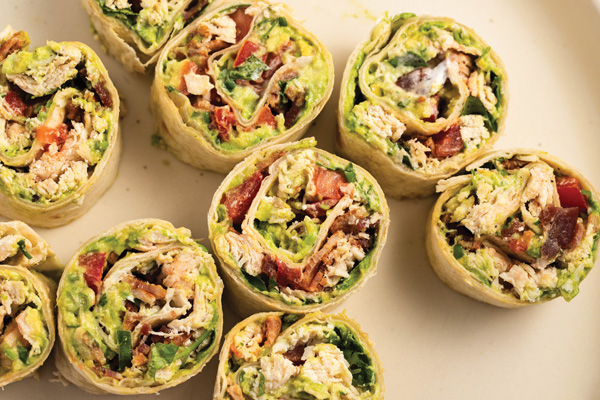
Chicken and Avocado Rollups
Recipe courtesy of Avocados from Colombia
Total time: 20 minutes
Servings: 5-6
- 2 tablespoons mayo
- 2 tablespoons sour cream
- 1 tablespoon lime juice
- 3 large flour tortillas, warmed
- 1 large avocado, smashed
- 2 Roma tomatoes, diced
- 1/4 cup red onion, diced
- 3 tablespoons cilantro, chopped
- 1 cup cooked chicken breast
- 6 slices bacon, cooked and crumbled
- salt, to taste
- pepper, to taste
- In small bowl, mix mayo, sour cream and lime juice.
- Place tortilla on flat service and spread with lime crema followed by smashed avocado.
- Layer with tomatoes, red onion, cilantro, chicken and bacon. Season with salt and pepper, to taste.
- Roll tortilla into tube shape and cut into pieces. Repeat with remaining tortillas and fillings.
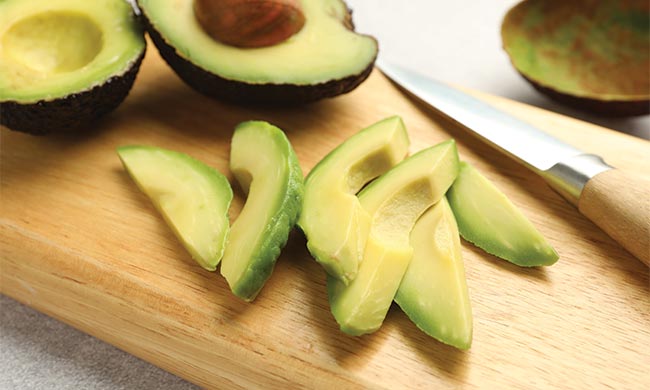
Photo courtesy of Shutterstock (avocado on cutting board)
SOURCE:




