

Food and Beverage
Seed oils are toxic, says Robert F. Kennedy Jr. – but it’s not so simple


Mary J. Scourboutakos, University of Toronto
Robert F. Kennedy Jr., who is expected to clear the final hurdles in his confirmation as President Donald Trump’s health secretary, and a host of health influencers have proclaimed that widely used cooking oils such as canola oil and soybean oil are toxic.
T-shirts sold by his “Make America Healthy Again” campaign now include the slogan, “make frying oil tallow again” – a reference to the traditional use of rendered beef fat for cooking.
Seed oils have become a mainstay of the American diet because unlike beef tallow, which is comprised of saturated fats that increase cholesterol levels, seed oils contain unsaturated fats that can decrease cholesterol levels. In theory, that means they should reduce the risk of heart disease.
But research shows that different seed oils have varying effects on risk for heart disease. Furthermore, seed oils have also been shown to increase risk for migraines. This is likely due to their high levels of omega-6 fatty acids. These fats can increase inflammation, a heightened and potentially harmful state of immune system activation.
As a family physician with a Ph.D. in nutrition, I translate the latest nutrition science into dietary recommendations for my patients. When it comes to seed oils, the research shows that their health effects are more nuanced than headlines and social media posts suggest.
How seed oils infiltrated the American diet
Seed oils — often confusingly referred to as “vegetable oils” — are, as the name implies, oils extracted from the seeds of plants. This is unlike olive oil and coconut oil, which are derived from fruits. People decrying their widespread use often refer to the “hateful eight” top seed oil offenders: canola, corn, soybean, cottonseed, grapeseed, sunflower, safflower and rice bran oil.
These oils entered the human diet at unprecedented levels after the invention of the mechanical screw press in 1888 enabled the extraction of oil from seeds in quantities that were never before possible.
Between 1909 and 1999, U.S. consumption of soybean oil increased 1,000 times. This shift fundamentally changed our biological makeup. Due to increased seed oil intake, in the past 50 years the concentration of omega-6 fatty acids that Americans carry around in their fatty tissue has increased by 136%
https://datawrapper.dwcdn.net/rFwW9/1
Evaluating the omega-6 to omega-3 fatty acid ratio
Omega-6 and omega-3 fatty acids are essential nutrients that control inflammation. While omega-6s tend to produce molecules that boost it, omega-3s tend to produce molecules that tone it down. Until recently, people generally ate equal amounts of omega-6 and omega-3 fatty acids. However, over the past century, this ratio has changed. Today, people consume 15 times more omega-6s than omega-3s, partly due to increased consumption of seed oils.
In theory, seed oils can cause health problems because they contain a high absolute amount of omega-6 fatty acids, as well as a high omega-6 to omega-3 ratio. Studies have linked an increased omega-6 to omega-3 ratio to a wide range of conditions, including mood disorders, knee pain, back pain, menstrual pain and even preterm birth. Omega-6 fatty acids have also been implicated in the processes that drive colon cancer.
However, the absolute omega-6 level and the omega-6 to omega-3 ratio in different seed oils vary tremendously. For example, safflower oil and sunflower oil have ratios of 125:1 and 91:1. Corn oil’s ratio is 50:1. Meanwhile, soybean oil and canola oil have lower ratios, at 8:1 and 2:1, respectively.
Scientists have used genetic modification to create seed oils like high oleic acid canola oil that have a lower omega-6 to 3 ratio. However, the health benefit of these bioengineered oils is still being studied.
The upshot on inflammation and health risks
Part of the controversy surrounding seed oils is that studies investigating their inflammatory effect have yielded mixed results. One meta-analysis synthesizing the effects of seed oils on 11 inflammatory markers largely showed no effects – with the exception of one inflammatory signal, which was significantly elevated in people with the highest omega-6 intakes.
To complicate things further, genetics also plays a role in seed oils’ inflammatory potential. People of African, Indigenous and Latino descent tend to metabolize omega-6 fatty acids faster, which can increase the inflammatory effect of consuming seed oils. Scientists still don’t fully understand how genetics and other factors may influence the health effects of these oils.
The effect of different seed oils on cardiovascular risk
A review of seven randomized controlled trials showed that the effect of seed oils on risk of heart attacks varies depending on the type of seed oil.
This was corroborated by data resurrected from tapes dug up in the basement of a researcher who in the 1970s conducted the largest and most rigorously executed dietary trial to date investigating the replacement of saturated fat with seed oils. In that work, replacing saturated fats such as beef tallow with seed oils always lowers cholesterol, but it does not always lower risk of death from heart disease.
Taken together, these studies show that when saturated fats such as beef tallow are replaced with seed oils that have lower omega-6 to omega-3 ratios, such as soybean oil, the risk of heart attacks and death from heart disease falls. However, when saturated fats are replaced with seed oils with a higher omega-6 to omega-3 ratio, such as corn oil, risk of death from heart disease rises.
Interestingly, the most highly purchased seed oil in the United States is soybean oil, which has a more favorable omega-6 to 3 ratio of 8:1 – and studies show that it does lower the risk of heart disease.
However, seed oils with less favorable ratios, such as corn oil and safflower oil, can be found in countless processed foods, including potato chips, frozen dinners and packaged desserts. Nevertheless, other aspects of these foods, in addition to their seed oil content, also make them unhealthy.
The case for migraines – and beyond
A rigorous randomized controlled trial – the gold standard for clinical evidence – showed that diets high in omega-3 fatty acids and low in omega-6 fatty acids, hence low in seed oils, significantly reduced the risk of migraines
In the study, people who stepped up their consumption of omega-3 fatty acids by eating fatty fish such as salmon experienced an average of two fewer migraines per month than usual, even if they did not change their omega-6 consumption. However, if they reduced their omega-6 intake by switching out corn oil for olive oil, while simultaneously increasing their omega-3 intake, they experienced four fewer migraines per month.
That’s a noteworthy difference, considering that the latest migraine medications reduce migraine frequency by approximately two days per month, compared to a placebo. Thus, for migraine sufferers — 1 in 6 Americans — decreasing seed oils, along with increasing omega-3 intake, may be even more effective than currently available medications.
Overall, the drastic way in which omega-6 fatty acids have entered the food supply and fundamentally changed our biological composition makes this an important area of study. But the question of whether seed oils are good or bad is not black and white. There is no basis to conclude that Americans would be healthier if we started frying everything in beef tallow again, but there is an argument for a more careful consideration of the nuance surrounding these oils and their potential effects.
Mary J. Scourboutakos, Adjunct Lecturer in Family and Community Medicine, University of Toronto
This article is republished from The Conversation under a Creative Commons license. Read the original article.


Food and Beverage
Serve Up Smiles with Favorite Holiday Sides
Turkey and ham may sit centerstage, but classic holiday sides can make the season truly special. You can bring smiles to your loved ones’ faces by dishing out those favorite recipes everyone asks for year after year.

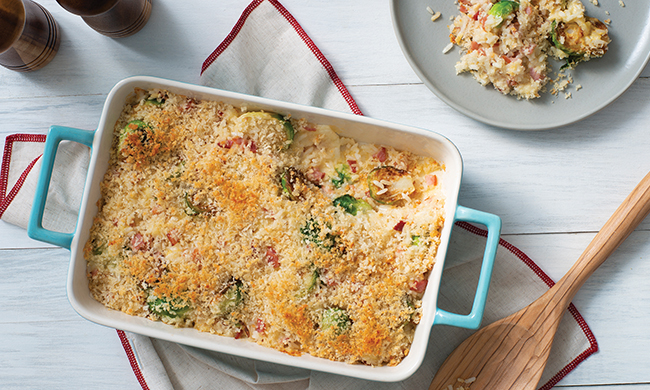
(Family Features) Turkey and ham may sit centerstage, but classic holiday sides can make the season truly special. You can bring smiles to your loved ones’ faces by dishing out those favorite recipes everyone asks for year after year.
Made with a delicious combination of rice, cheddar cheese, cream of mushroom soup and broccoli florets, this quick and easy version of Broccoli and Cheese Rice Casserole is an ideal one-pot dish to keep the holidays simple. With three easy steps and everyday ingredients, it comes together with minimal effort for traditional casserole taste.
When it comes to feeding a crowd, it’s often best to let your oven do the work. This Brussels Sprouts and Ham Rice Gratin recipe allows you to serve up a filling favorite with little effort using pantry staples. Plus, it’s a kid-friendly way to encourage veggies at this year’s holiday meal with gooey cheese providing tempting taste bud motivation.
These seasonal classics and more are made quick and easy with an option like Success Boil-in-Bag Rice, a pre-measured, mess-free way to make fluffy, high-quality rice. It’s cooked by simply dropping a bag of rice in a pot of water or broth then boiling it for 10 minutes. BPA-free and FDA-approved, the bags are safe to use and made to withstand high temperatures.
An added bonus: If you’re aiming to achieve a particular flavor, just season the rice by cooking in water infused with herbs, spices, broth, coconut milk or other liquids like juice for sweeter recipes.
Visit SuccessRice.com to find more holiday recipe inspiration.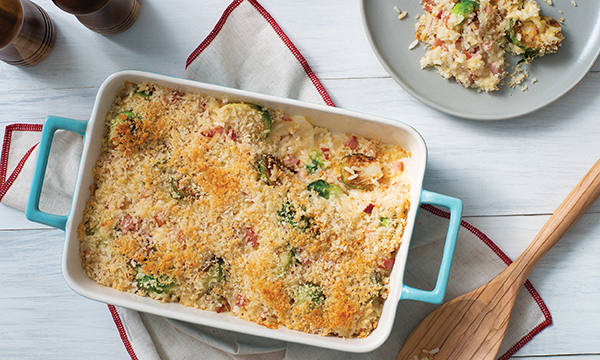
Brussels Sprouts and Ham Rice Gratin
Prep time: 20 minutes
Cook time: 25 minutes
Servings: 4
- 1 bag Success White Rice
- 1/2 pound Brussels sprouts, trimmed and halved
- 1/3 cup diced ham
- 1 clove garlic, minced
- 1 tablespoon olive oil
- 3/4 teaspoon salt, divided
- 3/4 teaspoon black pepper, divided
- 1 cup heavy cream
- 2 tablespoons finely chopped fresh chives
- 2 tablespoons Dijon mustard
- 1 cup shredded sharp cheddar cheese
- 1/2 cup grated Parmesan cheese, divided
- 1/3 cup breadcrumbs
- 2 tablespoons butter, melted
- Preheat oven to 450 F. Prepare rice according to package directions.
- In large bowl, toss Brussels sprouts, ham, garlic, olive oil, 1/4 teaspoon salt and 1/4 teaspoon pepper. Place on parchment paper-lined baking tray and roast 12-15 minutes, or until caramelized. Decrease oven temperature to 425 F.
- In large bowl, toss rice, Brussels sprouts mixture, cream, chives, Dijon mustard, remaining salt and remaining pepper. Stir in cheddar and 1/3 cup Parmesan cheese. Transfer mixture to greased, 2-quart baking dish.
- In small bowl, stir breadcrumbs, remaining Parmesan and melted butter. Sprinkle over rice mixture.
- Bake 12-15 minutes, or until golden brown and bubbling.
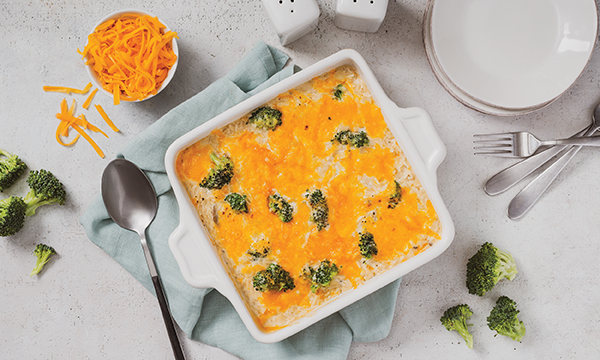
Broccoli and Cheese Rice Casserole
Prep time: 5 minutes
Cook time: 30 minutes
Servings: 4-6
- 1 bag Success White Rice or Brown Rice
- nonstick cooking spray
- 1 can (10 3/4 ounces) condensed cream of mushroom soup
- 2 cups frozen broccoli florets, thawed and drained
- 1 1/2 cups shredded cheddar cheese, divided
- 1/2 cup evaporated milk
- 3 tablespoons butter, melted
- 1 tablespoon grated onion
- 1/2 teaspoon salt
- 1/2 teaspoon black pepper
- Prepare rice according to package directions. Preheat oven to 350 F.
- Coat 2-quart casserole dish with nonstick cooking spray. In medium bowl, combine soup, broccoli, 1 cup cheddar cheese, evaporated milk, butter, onion, salt and pepper. Fold in rice.
- Pour mixture into prepared dish and top with remaining cheddar cheese. Bake 20 minutes.
SOURCE:
Success Rice
At our core, we at STM Daily News, strive to keep you informed and inspired with the freshest content on all things food and beverage. From mouthwatering recipes to intriguing articles, we’re here to satisfy your appetite for culinary knowledge.
Visit our Food & Drink section to get the latest on Foodie News and recipes, offering a delightful blend of culinary inspiration and gastronomic trends to elevate your dining experience.
https://stmdailynews.com/category/food-and-beverage
You can also find food and beverage-related videos on our YouTube channel, where we regularly post new content and share tips, recipes, and demonstrations. https://youtube.com/playlist?list=PLEhXBupt8tVynuUhpQZMxQt4lvPmOiAtQ&si=InDwc7YaB0KIwmxy

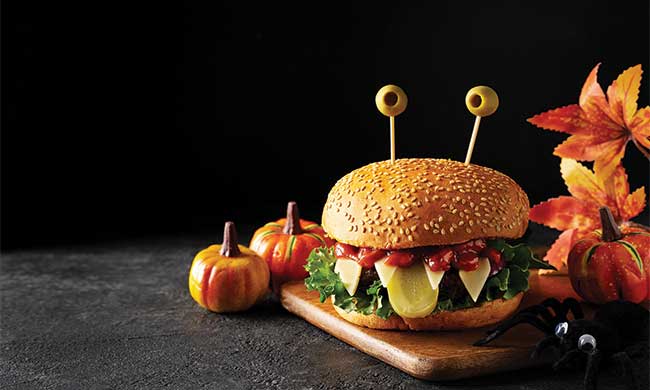
(Feature Impact) Out with the ordinary, in with the weird – that’s what the Halloween season is all about. These Halloween Monster Burgers give a ghoulishly fun twist on burger night, featuring all your favorite toppings transformed into olive eyes, cheese fangs and a pickle tongue.
Whether you reach for a traditional hamburger patty or switch it up with chicken, turkey, bean or veggie options, the effect is the same: a dinner that looks like it escaped from a mad scientist’s lab. It’s a good way to get some protein and veggies into kids before the trick-or-treating sugar rush, and you can even make it interactive by inviting them to decorate their own monsters and come up with creative variations.
Alternatively, if you’re looking for some spooky hors d’oeuvres to impress at this year’s Halloween party, these burgers are easy to size down into slider form. Serve a whole tray of mini monsters ready to devour – or be devoured by – hungry guests.
Find more Halloween recipe inspiration at Culinary.net.
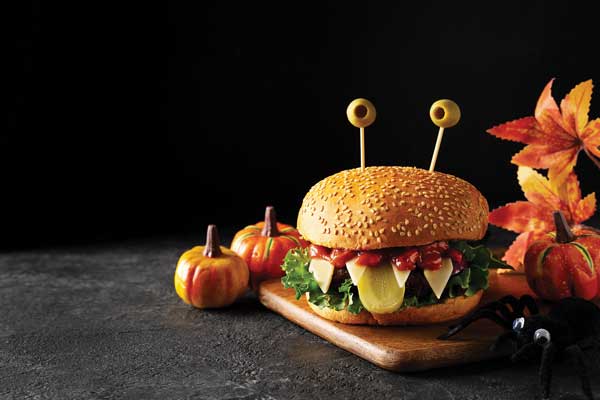
Halloween Monster Burgers
Recipe adapted from Happy Foods Tube
Prep time: 10 minutes
Total time: 18 minutes
Servings: 4
- 4 hamburger, chicken or veggie patties
- 4 tablespoons mayonnaise
- 4 teaspoons ketchup, plus additional, to taste, divided
- 4 hamburger buns
- 8 leaves baby romaine lettuce
- 4 slices dill pickles, sliced lengthwise
- 4 cheese slices
- 8 large green olives, pits removed
- Cook burger patties until they reach desired doneness.
- In small bowl, combine mayonnaise and 4 teaspoons ketchup. Spread each bun base with about 1 tablespoon mayo sauce then add two lettuce leaves and cooked burger patty.
- Add pickle slice as monster “tongue.” Take each cheese slice and cut triangles into one side to resemble teeth; add to burger then cover with ketchup “blood,” to taste.
- Stick olives on toothpicks and add two to each top bun as “eyeballs.”
Photo courtesy of Shutterstock

SOURCE:
Food and Beverage
4 Ways to Enjoy Fresher Foods at Home
Fresher Foods at Home: Knowing your food was grown from the earth and nurtured by the sun and rain can add a whole new dimension of enjoyment to your meals, which processed foods often can’t replicate. Recipes like these Chicken and Avocado Rollups can be an easy solution for putting fresh foods like avocados on the menu.
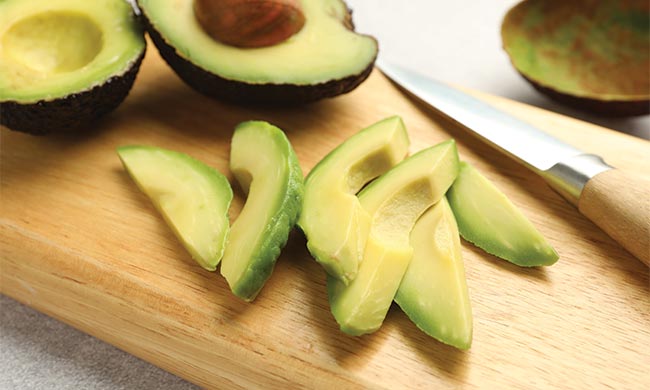
4 Ways to Enjoy Fresher Foods at Home
(Feature Impact) Fresh fruits and vegetables add color, nourishment and satisfaction to life. Knowing your food was grown from the earth and nurtured by the sun and rain can add a whole new dimension of enjoyment to your meals, which processed foods often can’t replicate.
However, if you’ve ever bought a cart full of produce with the best intentions – only to watch as half of it goes bad before you’ve managed to use it – you aren’t alone. Eating fresh foods is often easier in your healthy-eating dreams than in reality. With small habit changes, though, you can transform your household into a place where fresh, whole-food ingredients are at the center of your daily routines.
Consider these suggestions from the fresh produce experts at Avocados from Colombia.
Shop with a Plan
Meal-planning before you shop can help ensure every ingredient you buy has a purpose within its shelf life. Instead of picking out fruits and vegetables with vague aspirations of figuring out something to do with them later, you can simply consult your list and remember you need peppers, onions and avocados for that breakfast burrito recipe you want to try.
Pay Attention to Where Food Comes From
The source of your food can make a big difference in its freshness. When produce is grown and harvested with care then shipped quickly to its destination, it preserves quality and simplifies the journey from the farm to your table.
Consider fresh fruits like Avocados from Colombia, which aren’t just grown but raised at high altitude in rich volcanic soil, nourished by mountain rain and harvested by the hands of growers who care about their land and their craft. The fruit reaches U.S. shipping ports in as little as 3-5 days, so you can confidently choose flavorful produce that arrives as fresh as possible from beautiful Colombian orchards.
With two harvest seasons across nine growing regions, fresh Colombian avocados can be enjoyed throughout the entire year, whether you want to serve bright guacamole or dice an avocado as a cool, creamy topping for a warm winter chili.
Use Fresh Ingredients in a Variety of Ways
It’s always easier to use fresh ingredients when you’re brimming with ideas of things to do with them. For instance, avocados can be transformed into guacamole, creamy salad dressing or flavorful sauces; sliced for use in grain bowls, salads or avocado toast; or frozen to blend into smoothies. This also makes it easier to buy produce in bulk or take advantage of sales.
Find Inspiration Online
Recipes like these Chicken and Avocado Rollups can be an easy solution for putting fresh avocados on the menu, offering the type of everyday joy the growers behind Avocados from Colombia hope you taste. Their new “Raised by Colombia” short film puts faces to that idea, following Don Hernando, a grower of 40 harvests, and his granddaughter Camila, who brought the science of growing home. It ends where your avocado does: at a family table, where the grandmother of the house serves it in a kitchen like yours.
To watch the film and discover more recipe ideas, visit AvocadosColombia.com/RaisedByColombia.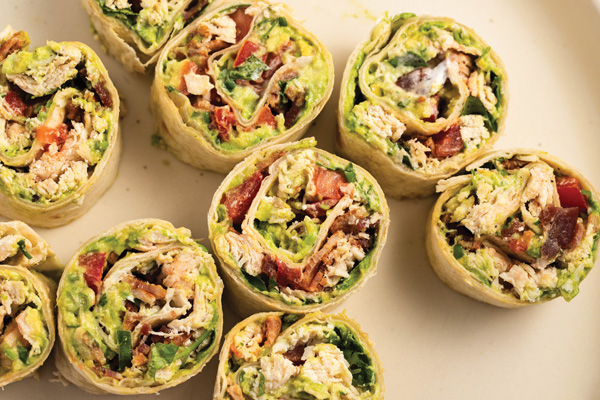
Chicken and Avocado Rollups
Recipe courtesy of Avocados from Colombia
Total time: 20 minutes
Servings: 5-6
- 2 tablespoons mayo
- 2 tablespoons sour cream
- 1 tablespoon lime juice
- 3 large flour tortillas, warmed
- 1 large avocado, smashed
- 2 Roma tomatoes, diced
- 1/4 cup red onion, diced
- 3 tablespoons cilantro, chopped
- 1 cup cooked chicken breast
- 6 slices bacon, cooked and crumbled
- salt, to taste
- pepper, to taste
- In small bowl, mix mayo, sour cream and lime juice.
- Place tortilla on flat service and spread with lime crema followed by smashed avocado.
- Layer with tomatoes, red onion, cilantro, chicken and bacon. Season with salt and pepper, to taste.
- Roll tortilla into tube shape and cut into pieces. Repeat with remaining tortillas and fillings.
Photo courtesy of Shutterstock (avocado on cutting board)
SOURCE:




