Revealing disparities that drive preterm birth rates
The March of Dimes report scored the U.S. overall a D+ grade on preterm birth rate at 10.4%, but states differ dramatically in their scores. New Hampshire, for example, scored an A- with 7.9% of infants born prematurely, while Mississippi, where 15% of infants are born prematurely, scored an F. Texas’ rates aren’t the worst in the country, but it scores notably worse than the national rate of 10.4%, with 11.1% of babies – 43,344 in total – born prematurely in 2024. And Texas has an especially large effect on the low national score because 10 of the 46 cities that receive a D or F grade – defined in the report as a rate higher than the national rate of 10.4% – are located there. In 2023, Texas had the highest number of such cities in the U.S. That may be in part because access to maternal care in Texas is so limited. Close to half of all counties across the state completely lack access to maternity care providers and birthing facilities, compared with one-third of counties across the U.S. Moreover, more counties in Texas are designated as health professional shortage areas, meaning they lack enough doctors for the number of people living in these areas. Shortages exist in 257 areas in Texas for primary care doctors, 149 for dentists and 251 for mental health providers. But even against the backdrop of geographic differences in health care access, the starkest contribution to the state’s preterm birth rates comes from ethnic and racial disparities. Mothers of non-Hispanic Black (14.7%), American Indian/Alaskan Native (12.5%), Pacific Islander (12.3%) and Hispanic (10.1%) descent have babies prematurely much more often than do mothers who are non-Hispanic white (9.5%) or Asian (9.1%). These numbers reflect the broader landscape of maternal health in the U.S. Although nationwide maternal mortality rates decreased from 22.3 to 18.6 deaths per 100,000 live births from 2022 to 2023, Black women died during pregnancy or within one year after childbirth at almost three times the rate (50.3%) of white (14.5%), Hispanic (12.4%) and Asian (10.7%) women.Adequate prenatal birth care in the U.S. is critical to reversing preterm birth trends.Ratchat/iStock via Getty Images Plus
Preterm birth in context
Having a baby early is not the normal or expected outcome during pregnancy. It occurs due to complex genetic and environmental factors, which are exacerbated by inadequate prenatal care. According to the World Health Organization, women should have eight or more doctor visits during their pregnancy. Without adequate and quality prenatal care, the chances of reversing the preterm birth trends are slim. Yet in Texas, unequal access to prenatal care remains a huge cause for concern. As the March of Dimes report documents, women of color in Texas receive adequate prenatal care at vastly lower rates than do white women – a fact that holds true in several other states as well. In addition, Texas has the highest uninsured rate in the nation, with 17% of women uninsured for health coverage, compared with a national average of 8%. Nationwide, public health experts, community advocates and families are calling for comprehensive health insurance to help cover the costs of prenatal care, particularly for low-income families that primarily rely on Medicaid for childbirth. Cuts to funding for the Affordable Care Act and Medicaid outlined in the 2025 Budget Reconciliation Act make it likely that more Americans will lose access to care or see their health care costs balloon. But state-level action may help reduce access barriers. In Texas, for example, a set of laws passed in 2025 may help improve access to care before, during and after pregnancy. Texas legislators funded initiatives targeted at workforce development in rural areas – particularly for obstetrician-gynecologists, emergency physicians and nurses, women’s preventive safety net programs, and maternal safety and quality improvement initiatives. Rising rates of chronic diseases, such as hypertension, obesity and diabetes, also contribute to women giving birth prematurely. While working with the state maternal mortality and morbidity review committee, my team and I found that cardiovascular conditions contributed to the 85 pregnancy-related deaths that occurred in 2020. An upward trend in obesity, diabetes and hypertension before pregnancy are pressing issues in the state, posing a serious threat to fetal and maternal health.
Understanding and Treating Rosacea: What You Need to Know
Rosacea is a chronic skin condition affecting over 16 million Americans, causing facial redness, swelling, and discomfort. Its exact cause is unclear, but triggers include sun exposure and stress. Treatment involves tailored skincare, lifestyle management, and medication. Crescel’s Skin Renewal Cream offers a scientifically-backed solution to manage symptoms effectively.
(Feature Impact) Rosacea is a chronic skin condition, mainly affecting the face, that causes redness, swelling, pain and changes in appearance. It is estimated that more than 16 million people in the United States have rosacea, according to the National Rosacea Society (NRS), but only about 1 million are under active treatment.
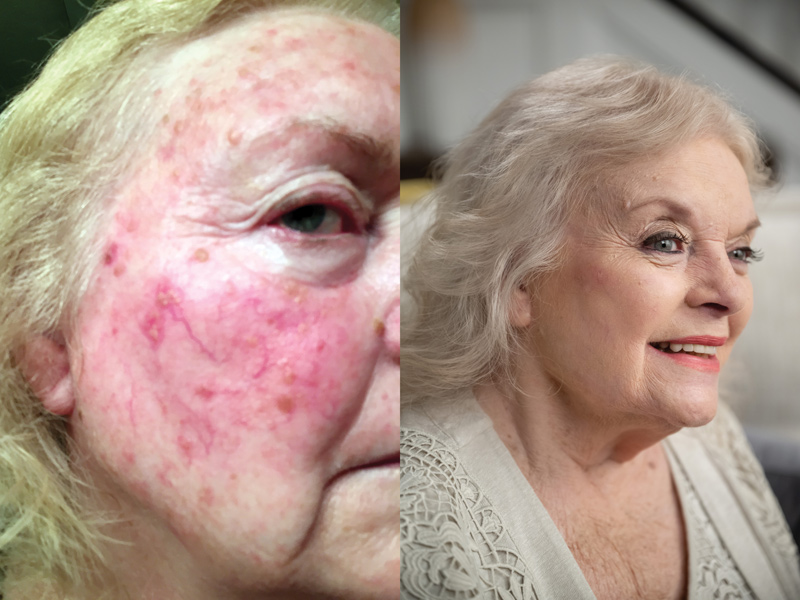
Physical impacts include prominent redness, acne-like bumps and pimples, highly visible enlarged blood vessels, pronounced dryness and unpleasant sensations like stinging, burning, itching and tingling. As many as half of sufferers also experience eye symptoms. Rosacea also affects emotional and social well-being. From lower confidence and self-esteem to avoidance of public contact and social engagements and missed work, the impacts are far-reaching. However, rosacea can be treated and managed.
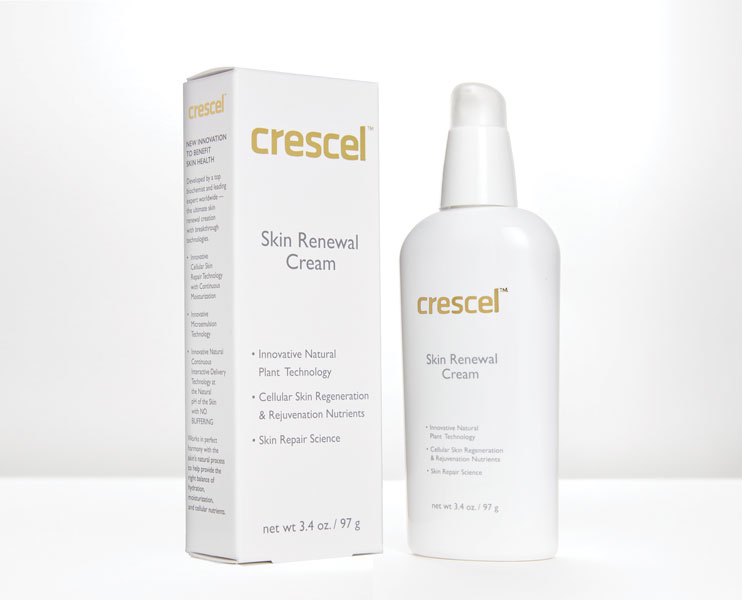
Learn more about the condition with this information from the NRS and the experts at Crescel, who are transforming rosacea care by harnessing nature and science to heal skin with their Skin Renewal Cream. It holds the NRS’s Seal of Acceptance, and its therapeutic benefits and tolerance have been confirmed in multiple clinical studies.
“Sensitive and easily irritated skin is a common issue for people with rosacea, and harsh products can aggravate the condition,” said Andrew Huff, executive director of the NRS. “That’s why the NRS expertly evaluates skin care and cosmetic products to ensure they are gentle, clinically tested and found to be unlikely to irritate sensitive rosacea skin.”
What causes rosacea?
The exact cause of rosacea is not fully understood. However, research suggests facial redness is often the first step in a chain of skin inflammation. This process may begin when the nerves, blood vessels and immune system don’t work together as they should.
Researchers have also found a microscopic skin mite called Demodex may play a role. These tiny arachnids normally live within hair follicles and oil glands on everyone’s skin, but people with rosacea tend to have higher numbers on the face, which may contribute to irritation and inflammation.
Some studies have found links between rosacea and other health conditions, such as heart disease, digestive disorders, neurological or autoimmune conditions and certain cancers. These findings suggest rosacea may be related to inflammation throughout the body.
What are the most common symptoms?
The most common symptoms of rosacea include:
Easy or severe blushing or flushing
Persistent redness
Bumps and pimples on the skin without blackheads
Burning or itching sensation
Swelling
Symptoms are different for each person and can change over time. There may be times when symptoms are worse and instances when they become milder.
What triggers a flare up?
Rosacea patients can improve their chances of maintaining remission by identifying and avoiding lifestyle and environmental factors that trigger flare-ups or aggravate the condition.
Common triggers include sun exposure, stress, extreme temperatures, heavy exercise, alcohol consumption, spicy foods and some skin, hair and makeup products.
What causes a flare-up in one person may have no effect on another, making this a highly individualized process. Knowing what triggers your flare-ups can help reduce discomfort, improve treatment results and prevent the condition from getting worse.
How do you treat rosacea?
Because the signs and symptoms of rosacea vary from one patient to another, treatment is tailored by a physician for each individual case. It typically involves three key elements:
Skin care: Committing to a gentle routine using mild, non-irritating products.
Lifestyle management: Identifying and reducing exposure to triggers.
Medication and other therapies: Combining topical and oral treatments along with laser therapy to target various symptoms.
As the world’s first intelligent therapeutic, Crescel’s Skin Renewal Cream harnesses nature and science to heal skin. The cream contains:
Pioneering microemulsion technology that enables continuous delivery of critical cellular nutrients that are essential for skin healing.
A unique absorption system, whichallows healing nutrients to easily enter the cell.
Mitochondria reboot technologythat restores the mitochondria’s ability to repair dysfunctional skin cells while reinforcing the skin’s natural barrier, reducing the risk of future irritation and flare-ups.
Talk with your dermatologist about your treatment routine and visit crescel.com to learn more about rosacea care.
Recognizing the Signs of Pediatric Growth Hormone Deficiency: How Early Recognition and Advocacy Helped One Family Find Answers
Diane Benke noticed her son Alex’s height concerns starting at age 7, despite his pediatrician’s reassurances. After persistent worries, they consulted an endocrinologist, leading to a diagnosis of Pediatric Growth Hormone Deficiency (PGHD). Following treatment changes, including a switch to weekly hormone injections, Alex’s growth improved, allowing the family to focus on their well-being.
(Family Features) “Our concerns about Alex’s growth began around the age of 7,” said his mother, Diane Benke.
Though Alex measured around the 50th percentile for weight, his height consistently hovered around the 20th percentile. Benke’s instincts told her something wasn’t quite right.
“I kept asking our pediatrician if this could mean something more,” she said. “Each time, I was reassured that everything was fine. After all, I’m only 5 feet tall myself.”
At first, Benke tried setting her worries aside. Alex was one of the youngest in his class, and she wondered if he could simply be a “late bloomer.”
However, as Alex progressed through elementary school, particularly in the 4th and 6th grades, his height percentile dropped into the single digits. The height difference between Alex and his peers became impossible to ignore.
Despite Benke’s growing concerns, their pediatrician continued to assure them Alex was fine.
“We were told as long as he was making some progress on the growth chart, there was no need to worry,” she said, “but we were never actually shown the charts.”
It wasn’t until one of Benke’s friends confided that her own daughter had recently been diagnosed with Pediatric Growth Hormone Deficiency (PGHD) that she decided to seek an endocrinologist.
“Although it took several months to get an appointment,” Benke said, “we were determined to get more answers.”
Navigating the Diagnosis Process Getting a diagnosis for many medical conditions can be a long journey. However, early detection and diagnosis of PGHD is important. It can help minimize the impact on overall health and support optimal growth.
Advertisement
Once Alex was seen by a pediatric endocrinologist, he underwent a series of evaluations, including bloodwork, a bone age X-ray to compare his chronological age with his skeletal age and a growth hormone stimulation test, which measures the body’s ability to produce growth hormone. He also had a brain MRI to rule out the potential of any pituitary abnormalities.
The results of these tests confirmed the diagnosis of PGHD, a rare condition that occurs when the pituitary gland does not produce enough growth hormone. PGHD affects an estimated 1 in 4,000-10,000 children.
Some common signs parents might notice include: their child being significantly shorter than other kids their age, slower growth rate over time, delayed puberty, reduced muscle strength or lower energy levels, slower bone development and delayed physical milestones.
“Receiving Alex’s diagnosis was a relief,” Benke said. “It provided clarity and a path forward.”
Moving Forward with Treatment “While the diagnosis process was exhausting, starting treatment made the process worthwhile,” Benke said.
For decades, daily injections of a drug called somatropin, which is similar to the growth hormone your body produces, have been the standard of care for PGHD. It wasn’t until 2015 that the Growth Hormone Research Society recognized the need for a long-acting growth hormone (LAGH), offering once-weekly dosing as an alternative to daily injections.
Benke explained navigating the insurance approval process was another challenge.
“Our insurance required us to try a daily medication before approving a weekly option,” she said.
Alex spent three months on daily medication, often missing doses, before he was approved to switch to a weekly treatment option.
“The weekly option made such a positive impact,” Benke said. “We now have minimal disruptions to our daily routine and Alex hasn’t missed a single dose since.”
Beyond a more convenient dosing option, the change gave Benke peace of mind.
Advertisement
“We could focus more on being a family again, without the daily worries of his next dose,” she said.
If you’re concerned about your child’s growth, talk to their doctor as soon as possible. Early diagnosis is important, as treatment becomes less effective once a child’s bones stop growing.
Benke’s advice to other parents: “Trust your instincts. If something feels wrong, seek out a specialist and push for answers and don’t give up, even when faced with hurdles… Stay hopeful and persistent – it’s a journey worth fighting for.”
Visit GHDinKids.com to download a doctor discussion guide to help prepare for your next appointment.
How to avoid seeing disturbing video on social media and protect your peace of mind
When graphic videos like those of the recent shooting of a protester by federal agents in Minneapolis go viral, it can feel impossible to protect yourself from seeing things you did not consent to see. But there are steps you can take.
Social media platforms are designed to maximize engagement, not protect your peace of mind. The major platforms have also reduced their content moderation efforts over the past year or so. That means upsetting content can reach you even when you never chose to watch it.
You do not have to watch every piece of content that crosses your screen, however. Protecting your own mental state is not avoidance or denial. As a researcher who studies ways to counteract the negative effects of social media on mental health and well-being, I believe it’s a way of safeguarding the bandwidth you need to stay engaged, compassionate and effective.
Why this matters
Research shows that repeated exposure to violent or disturbing media can increase stress, heighten anxiety and contribute to feelings of helplessness. These effects are not just short-term. Over time, they erode the emotional resources you rely on to care for yourself and others.
Protecting your attention is a form of care. Liberating your attention from harmful content is not withdrawal. It is reclaiming your most powerful creative force: your consciousness.
Just as with food, not everything on the table is meant to be eaten. You wouldn’t eat something spoiled or toxic simply because it was served to you. In the same way, not every piece of media laid out in your feed deserves your attention. Choosing what to consume is a matter of health.
And while you can choose what you keep in your own kitchen cabinets, you often have less control over what shows up in your feeds. That is why it helps to take intentional steps to filter, block and set boundaries.
Practical steps you can take
Fortunately, there are straightforward ways to reduce your chances of being confronted with violent or disturbing videos. Here are four that I recommend:
Advertisement
Turn off autoplay or limit sensitive content. Note that these settings can vary depending on device, operating system and app version, and can change.
Use keyword filters. Most platforms allow you to mute or block specific words, phrases or hashtags. This reduces the chance that graphic or violent content slips into your feed.
Curate your feed. Unfollow accounts that regularly share disturbing images. Follow accounts that bring you knowledge, connection or joy instead.
Set boundaries. Reserve phone-free time during meals or before bed. Research shows that intentional breaks reduce stress and improve well-being.
Where to turn off autoplay in your account on Facebook’s website. Screen capture by The Conversation, CC BY-ND
Reclaim your agency
Social media is not neutral. Its algorithms are engineered to hold your attention, even when that means amplifying harmful or sensational material. Watching passively only serves the interests of the social media companies. Choosing to protect your attention is a way to reclaim your agency.
The urge to follow along in real time can be strong, especially during crises. But choosing not to watch every disturbing image is not neglect; it is self-preservation. Looking away protects your ability to act with purpose. When your attention is hijacked, your energy goes into shock and outrage. When your attention is steady, you can choose where to invest it.
You are not powerless. Every boundary you set – whether it is turning off autoplay, filtering content or curating your feed – is a way of taking control over what enters your mind. These actions are the foundation for being able to connect with others, help people and work for meaningful change.
More resources
I’m the executive director of the Post-Internet Project, a nonprofit dedicated to helping people navigate the psychological and social challenges of life online. With my team, I designed the evidence-backedPRISM intervention to help people manage their social media use.
Our research-based program emphasizes agency, intention and values alignment as the keys to developing healthier patterns of media consumption. You can try the PRISM process for yourself with an online class I launched through Coursera in October 2025. You can find the course, Values Aligned Media Consumption, on Coursera. The course is aimed at anyone 18 and over, and the videos are free to watch.
This story was updated on Jan. 25, 2026 to include reference to the recent shooting in Minneapolis.






 Learn more about the condition with this information from the NRS and the experts at Crescel, who are transforming rosacea care by harnessing nature and science to heal skin with their Skin Renewal Cream. It holds the
  How do you treat rosacea?