

home gardening
5 Steps to Spruce Up Outdoor Spaces

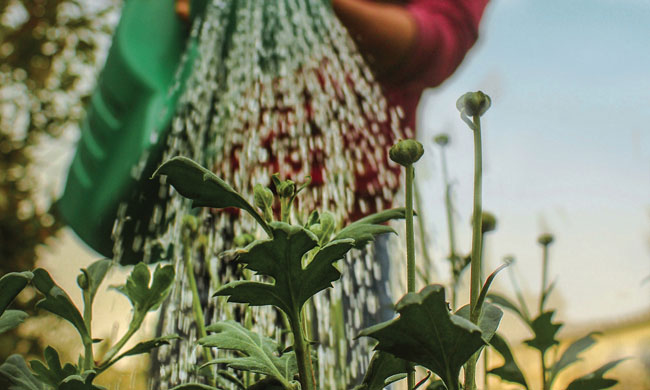
(Family Features) When spring arrives, days of enjoying your outdoor living space aren’t far away. Getting your yard ready for months of outdoor enjoyment will take a little work, but you’ll quickly see and appreciate the results.
These five steps can have you on your way to a lush, healthy lawn and outdoor area in no time.
- Dethatch
Throughout the winter, dead grass and other debris accumulate on your lawn. This waste, known as thatch, can be quite a hindrance to your spring lawn. It promotes fungi, encourages pests and keeps new grass seed from sprouting. You can use a special dethatching rake or any rake with sturdy tines.
- Aerate
Before spreading grass seed, you’ll want to give the new roots room to spread and grow. Aerating the lawn helps make your soil more welcoming to new growth by allowing moisture, nutrients and air to sink deeper into the soil. Depending on the size of area you need to aerate, two of the easiest options are doing the job by hand or using an attachment on a riding lawn mower.
- Prune
The lawn isn’t the only place debris can pile up. Your flower beds and any other vegetation can become a holding ground for twigs, branches, leaves and other yard waste. Give your plants, shrubs and trees a close look to find broken, damaged or dead material and remove it to make way for new growth.
- Weed
Even the healthiest lawns are susceptible to weeds, but getting a jump start on weeding early in the season can help you keep control. You can manage weeds by treating with an herbicide before the sprout or, if you prefer, there are chemical-free alternatives like vinegar, salt or cornmeal. Be aware that many alternative products don’t distinguish between the vegetation you want (like grass) and weeds, so these remedies are best used along borders and within beds to discourage weed growth.
- Seed
Winter weather and wear can cause uneven patches in the lawn. Seeding in the spring requires more work than the fall (especially if you tend to have hot, dry summers), but with enough nurturing and regular water, you can fill those spots in for a more uniform lawn.
Visit eLivingtoday.com for more advice to make your outdoor living space spectacular.
Photo courtesy of Unsplash
SOURCE:
Family Features
https://stmdailynews.com/category/lifestyle



home gardening
Cold-Season Container Gardening 101: Adding Color to Fall and Winter
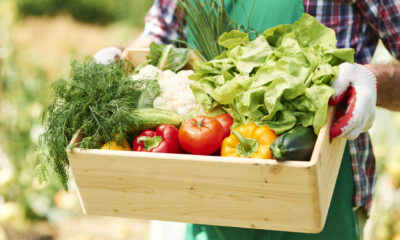
With container gardening, you can create everything from cheerful porch flower displays to miniature winter herb gardens with the flexibility to rearrange your setup as needed. Consider these tips to create a cold-season container garden that’s ready to thrive.

(Feature Impact) Although gardening is typically considered more of a spring or summer activity, fall and winter are excellent opportunities to add some color and freshness to your outdoor spaces. With container gardening, you can create everything from cheerful porch flower displays to miniature winter herb gardens with the flexibility to rearrange your setup as needed.
Consider these tips to create a cold-season container garden that’s ready to thrive.
Choose Hardy Plants and Flowers
Work with the cold, not against it, by looking for fall and winter plants suited to your local climate and hardiness zone. Cold-season flowers like pansies, violets and chrysanthemums can survive light frosts and give you cheerful pops of color to enjoy. Fill out the design by adding ornamental grasses or trailing evergreen foliage like ivy. If you’re hoping to grow vegetables and herbs during the fall and winter, choose tolerant varieties like kale, spinach, chives, rosemary, parsley or thyme.
Get the Right Kinds of Containers
Almost as important as the plants themselves are the pots you decide to plant them in. Look for containers large enough to accommodate growing plants, but small enough that you can move them if necessary. Proper drainage is another important factor, since soil that stays too wet during cold weather can freeze and thaw, which may damage the roots or pots. Choose sturdy materials that can stand up to changing temperatures, like thick plastic, resin or metal, and avoid more fragile materials like terracotta and ceramic.
Consider Location
Placement can determine whether your container garden thrives or struggles. When you’re deciding where to keep your containers, think about sunlight, wind protection and ease of access for watering and maintenance. A spot near a south- or west-facing wall may help keep the soil warmer and the plant more sheltered from gusty autumn and winter days.
Don’t Overwater
If you usually garden during warmer months, you might be accustomed to watering your plants frequently. However, plants generally use less water when temperatures are cool, so if you stick to a summer schedule you could wind up drowning them instead of nurturing them. Water your containers when the soil is dry enough to need it, preferably when temperatures are above freezing so it doesn’t turn to ice around the roots.
Protect Plants from Extreme Weather
A light layer of snow usually isn’t a death sentence, but even cold-resistant plants are bound to struggle during a howling blizzard or a deep freeze. Depending on what kinds of plants and containers you have, follow professional recommendations to move containers into sheltered locations or wrap the pots with insulating materials to keep the roots warmer.
Find more seasonal home and garden tips at eLivingtoday.com.
Photo courtesy of Unsplash
SOURCE:
elivingtoday.com
home gardening
Beyond the Leaf Pile: 4 Tips for Autumn Lawn Care
4 Tips for Autumn Lawn Care: Many people associate fall yardwork with raking up the crispy, colorful leaves that have drifted down from surrounding trees. Don’t let that be the only task on your outdoor agenda, however, because this season is also an opportunity to improve the overall health of your lawn so it’s ready to thrive once spring arrives.
Beyond the Leaf Pile: 4 Tips for Autumn Lawn Care
(Feature Impact) Many people associate fall yardwork with raking up the crispy, colorful leaves that have drifted down from surrounding trees. Don’t let that be the only task on your outdoor agenda, however, because this season is also an opportunity to improve the overall health of your lawn so it’s ready to thrive once spring arrives.
Start with these autumn lawn care tips:
- Continue Mowing
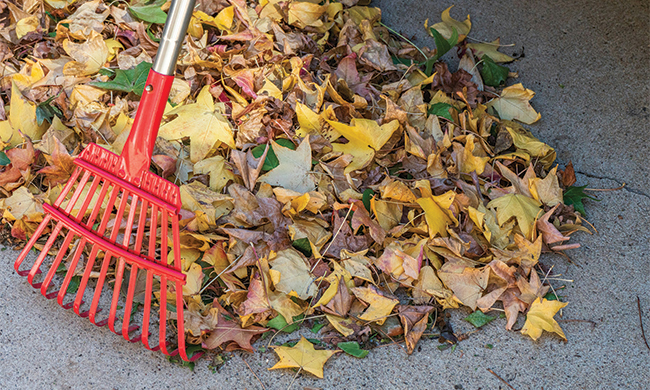
As long as the grass keeps growing, homeowners should keep mowing – with a couple of smart seasonal adjustments. First, lower the mower height for your final two cuts so the grass isn’t too tall going into winter. Second, instead of raking all the leaves up beforehand, think about leaving a layer on the lawn so the mower can shred them and effectively turn them into mulch, returning their nutrients to the soil.
- Fertilize the Lawn
Especially if you grow cool-weather grass varieties like rye or fescue, feeding your lawn can actually be most effective in the fall. Fertilizer helps nourish the roots of your grass, strengthening it through the winter and preparing it to grow lush and green in the spring and summer. Aim to feed it once in the beginning of the season then again 6-8 weeks later or according to the recommended schedule for your region.
- Battle Stubborn Weeds
If you’ve been dealing with perennial weeds throughout the summer, fall could mean your chance to get rid of them once and for all. Weeds absorb herbicides readily on days with moderate temperatures and moist soil, so this task might be well-timed after some autumn rain has fallen.
- Add Grass Seed to Thin Spots
Whether you have bare patches on your lawn or areas of thinning grass, fall is the best time to seed cool-season lawns. (Skip this tip if you live in the South and have a warm-season lawn.) At least six weeks before the first hard frost in your area, spread grass seed over the areas you want to replenish or thicken then keep the lawn consistently watered until it germinates. Aerating the soil first can help the seed take root.
Find more seasonal home and garden tips by visiting eLivingtoday.com.
Photo courtesy of Unsplash
SOURCE:
home gardening
Fall Tree Planting: Expert Guidance for Optimal Growth
Fall Tree Planting: Fall is the perfect season to celebrate trees as they transform the world into vibrant shades of red, orange, green and gold. You can do more than just admire existing trees – because in many areas, fall is also an ideal time to plant new ones.
Fall Tree Planting: Expert Guidance for Optimal Growth
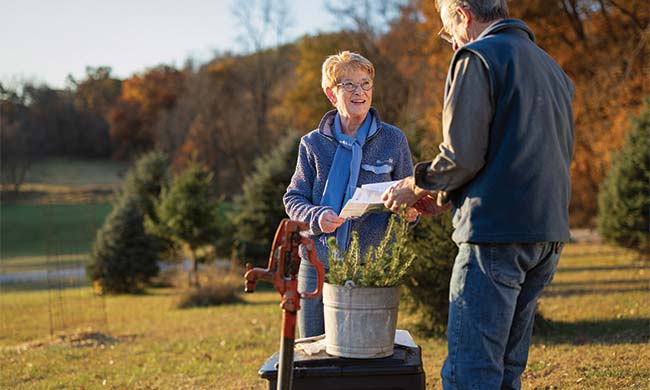
(Feature Impact) Fall is the perfect season to celebrate trees as they transform the world into vibrant shades of red, orange, green and gold. You can do more than just admire existing trees – because in many areas, fall is also an ideal time to plant new ones.
While spring is often seen as peak planting season, experts say cooler weather and autumn rains provide ideal conditions for seedlings to retain moisture and establish their root systems gradually before winter dormancy, improving their future ability to adjust to summer heat and drier conditions.
According to the Arbor Day Foundation, planting trees offers many benefits for the planet, wildlife and humans alike. From an environmental perspective, they help filter air and water, remove pollutants from the soil, slow storm surge and nurture biodiversity. Plus, access to nature can reduce stress and increase opportunities for outdoor recreation, improving overall health and well-being in your community.
This autumn, use these expert tips from Eric North, program manager of urban forestry and ISA-certified arborist at the Arbor Day Foundation, to plan your fall tree planting and add a few new hues to your local landscapes.
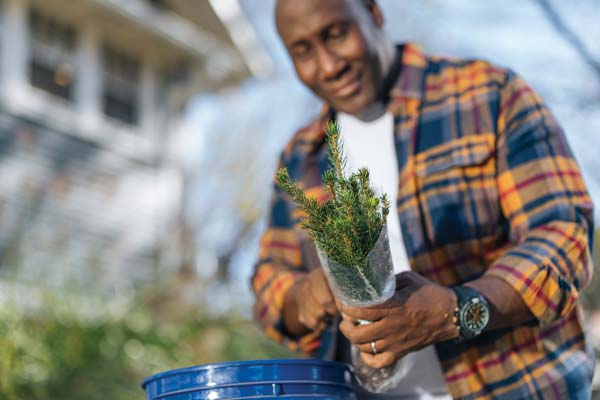
Choose the Right Tree
Setting your trees up for success starts with choosing the right species. Before ordering seedlings, take time to identify species that are well-suited to your local climate, soil conditions and planting site. Also consider the tree’s mature height and how far the canopy will spread – it won’t stay small forever, so make sure you can give it space to grow.
Think About Timing
Although you can technically plant trees until the soil is too frozen to dig a hole, it’s best to schedule your fall tree planting at least six weeks before the ground freezes so the seedlings have time to adapt before winter. If you’re unable to plant your trees immediately after getting them, you can store them in a cool, dry place, making sure the roots stay damp, for up to five days before putting them in the ground.
Don’t Dig Too Deep
A tree planted too deep may develop root and trunk problems that can affect its long-term health. Instead of digging deep, go wide to encourage roots to spread outward. Dig a hole roughly 3-4 times wider than the root system but no deeper than the root itself. When you put the tree in the hole, the root flare (where the trunk meets the roots) should sit level with the soil or slightly above it.
Mulch with Care
Adding 2-3 inches of mulch in a layer around the base of the tree can help insulate the soil and roots, retain moisture and suppress weeds. However, be careful to keep the mulch a few inches away from the trunk itself so you don’t create a “mulch volcano” that traps moisture against the bark.
Water Frequently
Cozy autumn rainstorms might share some of the workload here, but when the forecast looks clear, it’s up to you to water your newly planted seedlings. Keeping the soil consistently moist allows a young tree’s roots to stay hydrated and continue growing. Precise care instructions will depend on the type of tree and your location but expect to thoroughly water your trees about once a week until the ground freezes.
Protect Against Wildlife
Small trees are vulnerable to damage from local wildlife like deer and rabbits, who may chew on bark or snap fragile branches. Installing a protective fence or breathable tree guard can help safeguard trees until they’re older and more capable of withstanding scavenging from hungry critters.
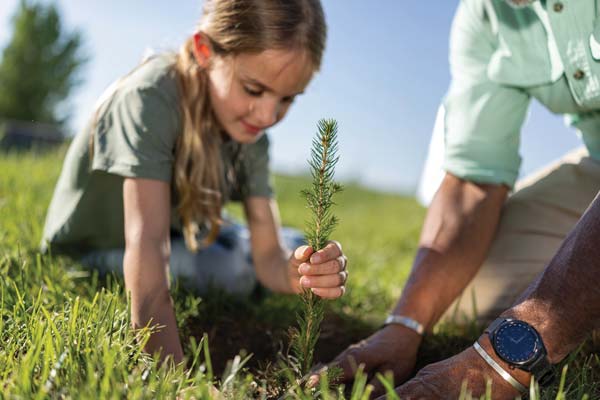
Join the Cause with Trees
Research from the Arbor Day Foundation’s Canopy Report shows most Americans want to live in neighborhoods with more trees, but only a minority report having planted a tree in the past year. However, if you’re feeling inspired to plant trees in your yard this fall, the organization is ready to help.
New members who join during the nonprofit organization’s fall membership drive will receive 10 free trees suitable for their region, along with clear instructions on how to plant and care for them. Whether you’re a first-time planter or a seasoned friend of the forest, you’ll receive ongoing support to ensure success in your efforts to grow a greener world.
“People understand how important trees are for their communities, their health and the environment,” said Dan Lambe, chief executive of the Arbor Day Foundation. “Many just need a simple way to get started. Our fall membership drive puts trees directly into people’s hands and gives them the confidence to plant trees successfully.”
The foundation has engaged tree planters in more than 90% of all American neighborhoods, thanks in large part to the organization’s membership drives each planting season. This fall, more than 2 million new trees are expected to be distributed.
To sign up and choose your 10 free trees, visit Arborday.org/GetTrees, where you can also find additional advice on tree planting, care and more.

SOURCE:
🏡 Planning your next home project? Explore expert tips, DIY ideas, product reviews, and the latest home improvement news in Consumer Corner. Share your experiences in the comments and subscribe to the STM Daily News newsletter for practical advice and fresh inspiration delivered straight to your inbox.




