

Recipe of the Week
5 Nutrition-Boosting Tips to Spread Protein Throughout the Day
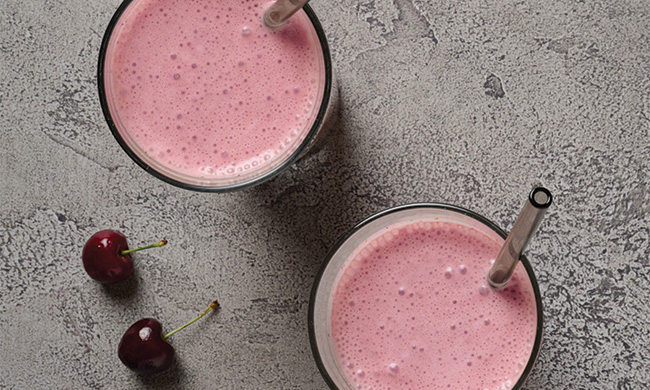
5 Nutrition-Boosting Tips: Most Americans are eating enough protein. They’re just eating it wrong. Build your morning meal around protein, such as a Tart Cherry Cottage Cheese Smoothie, or make snack time count with Air Fryer Cottage Cheese Toast with a delicious drizzle of hot honey.

5 Nutrition-Boosting Tips to Spread Protein Throughout the Day
(Feature Impact) Most Americans are eating enough protein. They’re just eating it wrong. Protein is the macronutrient of the moment – for muscle building, losing weight and staying strong – but nutrition researchers say two things are missing from the conversation: timing and quality.
Spreading protein intake across the day produced about 25% greater muscle protein synthesis, even when the total daily intake was identical, according to research published in the “Journal of Nutrition.”
“Your muscles don’t have a bank account,” said Chris Mohr, PhD, RD, performance nutritionist. “You can’t deposit all your protein at one meal and expect your body to save it for later.”
Most researchers point to a target of about 30 grams of high-quality protein per meal to maximize muscle protein synthesis in most adults.
However, grams aren’t everything. The source matters just as much.
“Aim to get most of your protein from whole, nutrient-dense foods rather than relying on powders, bars and snacks that don’t have much else to offer,” Mohr said. “Supplements have their place but they should build on a real-food foundation, not replace it.”
Quality comes down to amino acids – specifically, whether a source contains all nine essential ones the body can’t produce on its own. Animal proteins (dairy, eggs, meat, fish) check that box. Many plant proteins don’t and tend to be lower in leucine, the amino acid most critical for triggering muscle growth. Dairy is especially rich in leucine.
Mohr recommends a source of dairy at every meal, including milk, Greek yogurt or cottage cheese. He suggests cottage cheese with the highest levels of protein, such as MULU cottage cheese that contains 18 grams of protein per serving – one-third more than the leading brand.
Additionally, Mohr offers these tips to spread protein intake throughout the day:
- Start with a protein anchor. Build your morning meal around protein, such as scrambled eggs with cottage cheese or a Tart Cherry Cottage Cheese Smoothie with nut butter.
- Layer in protein at lunch. A salad with grilled chicken, a turkey and cheese wrap or a grain bowl with edamame and hard-boiled eggs can hit the 30-gram target.
- Make snacks count. Use cottage cheeseas a base for dips or keep hard-boiled eggs on hand for quick, protein-rich options. Or, in just 7 minutes when time is of the essence, you can prepare Air Fryer Cottage Cheese Toast with a delicious drizzle of hot honey.
- Treat dinner as a cap, not a catchup. By evening, protein intake should already be well distributed. Try a moderate portion of fish, lean meat or legumes alongside vegetables.
- Eat slow-digesting protein before bed. Studies show consuming casein protein before sleep – the slow-digesting protein found naturally in dairy – supports overnight muscle repair. One-half cup of cottage cheese or a glass of milk before bed is a practical, evidence-backed way to put science to work.
To find more protein-rich solutions to power your day, visit MULUProtein.com.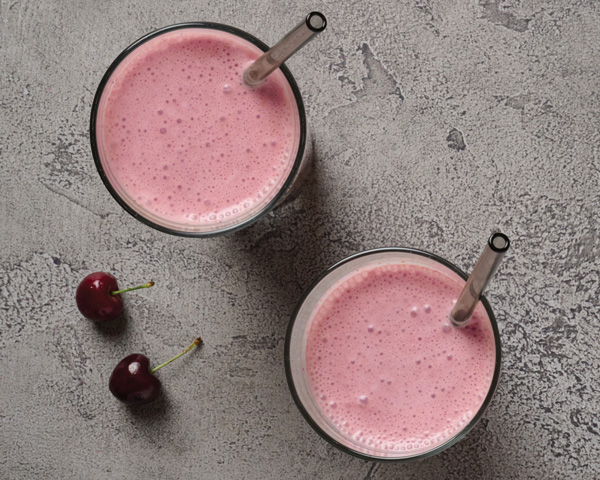
Tart Cherry Cottage Cheese Smoothie
Servings: 2
- 1 cup MULU low-fat cottage cheese
- 1 frozen banana, peeled
- 3/4 cup frozen tart cherries
- 1 tablespoon ground flaxseed
- 1 cup low-fat milk
- 1 tablespoon nut butter
- water
- In blender, blend cottage cheese, banana, cherries, ground flaxseed, milk and nut butter on high speed until completely smooth, 45-60 seconds.
- If smoothie is too thick, add water, 2 tablespoons at a time, and blend to preferred texture.
- Pour into two glasses and serve or pour into sealed jar or container and refrigerate overnight; stir or shake well before drinking.
Nutritional information per serving: 310 calories; 35 g carbohydrates; 22 g protein; 10 g fat.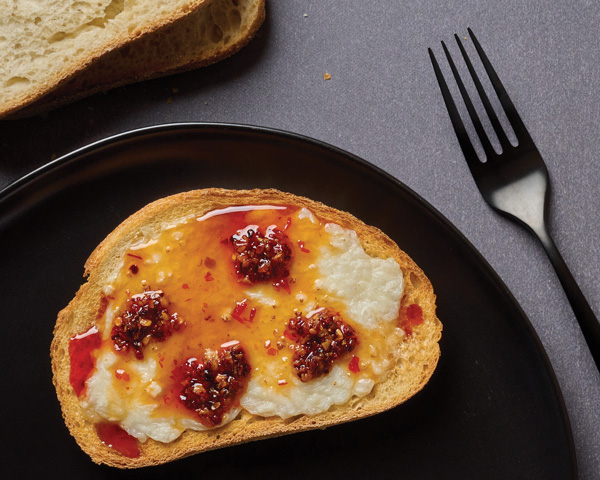
Air Fryer Cottage Cheese Toast
Servings: 2
- 1 cup MULU low-fat cottage cheese
- 2 slices sourdough bread
- 2 teaspoons hot honey
- 2 teaspoons chili crunch
- Preheat air fryer to 400 F.
- Spread 1/2 cup cottage cheese onto each slice of sourdough bread.
- Transfer slices into fryer basket. Cook about 7 minutes, or until cottage cheese is golden, bubbly and lightly set.
- Remove toast from air fryer. Drizzle 1 teaspoon hot honey and 1 teaspoon chili crunch over each slice and serve.
Nutritional information per serving: 295 calories; 38 g carbohydrates; 19 g protein; 6 g fat.


SOURCE:
MULU Cottage Cheese
At our core, we at STM Daily News, strive to keep you informed and inspired with the freshest content on all things food and beverage. From mouthwatering recipes to intriguing articles, we’re here to satisfy your appetite for culinary knowledge.
Visit our Food & Drink section to get the latest on Foodie News and recipes, offering a delightful blend of culinary inspiration and gastronomic trends to elevate your dining experience. https://stmdailynews.com/food-and-drink/


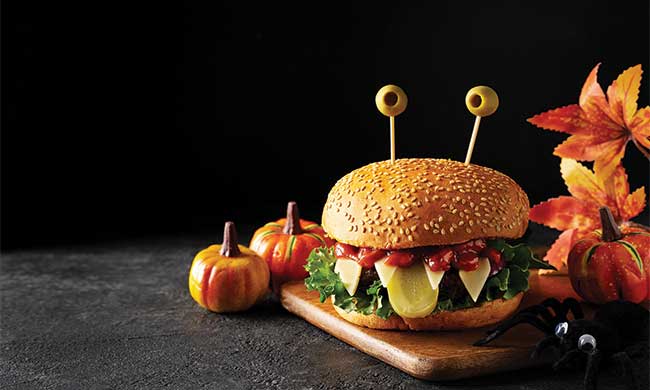
(Feature Impact) Out with the ordinary, in with the weird – that’s what the Halloween season is all about. These Halloween Monster Burgers give a ghoulishly fun twist on burger night, featuring all your favorite toppings transformed into olive eyes, cheese fangs and a pickle tongue.
Whether you reach for a traditional hamburger patty or switch it up with chicken, turkey, bean or veggie options, the effect is the same: a dinner that looks like it escaped from a mad scientist’s lab. It’s a good way to get some protein and veggies into kids before the trick-or-treating sugar rush, and you can even make it interactive by inviting them to decorate their own monsters and come up with creative variations.
Alternatively, if you’re looking for some spooky hors d’oeuvres to impress at this year’s Halloween party, these burgers are easy to size down into slider form. Serve a whole tray of mini monsters ready to devour – or be devoured by – hungry guests.
Find more Halloween recipe inspiration at Culinary.net.
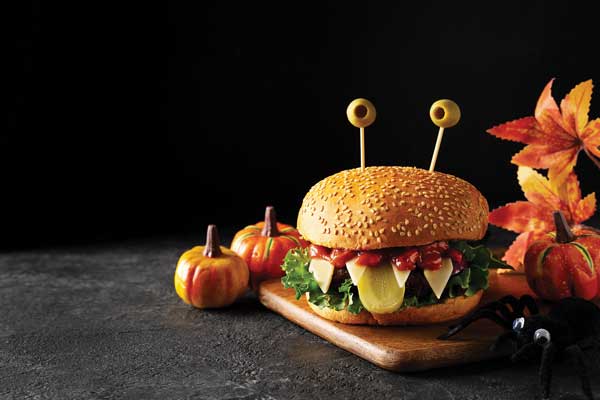
Halloween Monster Burgers
Recipe adapted from Happy Foods Tube
Prep time: 10 minutes
Total time: 18 minutes
Servings: 4
- 4 hamburger, chicken or veggie patties
- 4 tablespoons mayonnaise
- 4 teaspoons ketchup, plus additional, to taste, divided
- 4 hamburger buns
- 8 leaves baby romaine lettuce
- 4 slices dill pickles, sliced lengthwise
- 4 cheese slices
- 8 large green olives, pits removed
- Cook burger patties until they reach desired doneness.
- In small bowl, combine mayonnaise and 4 teaspoons ketchup. Spread each bun base with about 1 tablespoon mayo sauce then add two lettuce leaves and cooked burger patty.
- Add pickle slice as monster “tongue.” Take each cheese slice and cut triangles into one side to resemble teeth; add to burger then cover with ketchup “blood,” to taste.
- Stick olives on toothpicks and add two to each top bun as “eyeballs.”
Photo courtesy of Shutterstock

SOURCE:
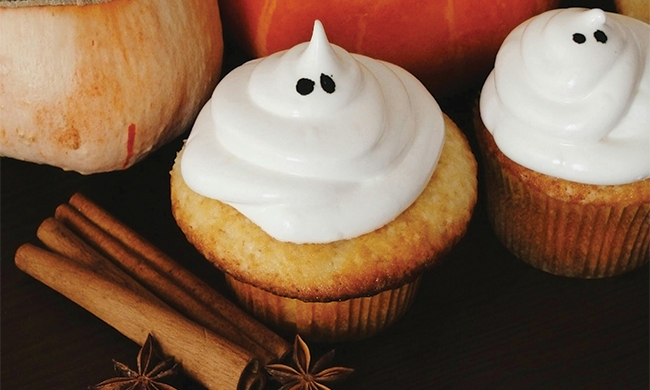
(Feature Impact) Fall flavors and Halloween decorations make an ideal seasonal combination. These Cinnamon Spiced Ghost Cupcakes are the perfect example, with the warmth and sweetness of the cake offering a tasty base for piles of frightful frosting. All it takes to transform a swirl of white buttercream into a spooky ghost is a couple dots of food coloring, chocolate chips or another candy of choice.
They’re simple to make, easy to personalize and fun for all ages, whether you’re baking a tray for kids to decorate or bringing them to a Halloween party. Add sprinkles, a dusting of cinnamon or decorations that fit your theme.
Find more seasonal recipes to enjoy at Culinary.net.

Cinnamon Spiced Ghost Cupcakes
Recipe adapted from The Marble Kitchen
Prep time: 20 minutes
Cook time: 16 minutes
Servings: 12
- 1 1/4 cups all-purpose flour
- 3/4 teaspoon baking powder
- 2 teaspoons ground cinnamon
- 1/2 teaspoon kosher salt
- 6 tablespoons unsalted butter, at room temperature
- 1/2 cup granulated sugar
- 1/4 cup brown sugar
- 1 egg, at room temperature
- 3/4 cup milk
- 1 teaspoon vanilla extract
Vanilla Buttercream Frosting:
- 1 cup unsalted butter, at room temperature
- 1/2 teaspoon salt
- 4 cups powdered sugar, sifted
- 3-5 tablespoons heavy cream, at room temperature
- 1 tablespoon vanilla extract
- black food dye or chocolate chips
- Preheat oven to 350 F and line cupcake pan with paper liners.
- In medium bowl, combine flour, baking powder, cinnamon and salt.
- Using electric or stand mixer, cream butter, sugar and brown sugar about 4 minutes on medium or medium-high speed until light and fluffy. Add egg, mixing well and scraping down bowl.
- In small bowl or measuring cup, whisk milk and vanilla. Set aside.
- Add 1/3 dry ingredient mixture to butter mixture and beat until combined. Add 1/2 milk mixture and mix well. Continue alternating dry and wet ingredients.
- Bake about 16 minutes, or until toothpick inserted in middle of cupcake comes out clean. Cool in pan 5 minutes then transfer to wire rack to cool completely before frosting.
- To make frosting: Using electric or stand mixer, beat butter and salt on medium-high speed 5 minutes, scraping down bowl halfway through.
- Reduce speed to low and add sugar 1/2 cup at a time, alternating with heavy cream until 3 tablespoons have been added. Stop occasionally to scrape down bowl. Once all sugar is in, add vanilla and beat on medium-low 1 minute until light and fluffy. If desired, add additional cream 1 teaspoon at a time until frosting reaches preferred consistency.
- Place buttercream in piping bag with large round tip. Pipe tall mounds of frosting on each cupcake in ghost shapes (wider on bottom, narrower on top). Add dots of black food dye or chocolate chips for eyes.
Photo courtesy of Unsplash

SOURCE:
(Feature Impact) Game day is about more than the big plays, touchdown-saving tackles and final score. Whether you’re gathering in the stadium parking lot or hosting friends for an at-home watch party, a memorable experience begins long before kickoff.
Start your pregame festivities with an MVP-worthy spread that’s simple to serve, easy to eat and keeps fans full through the final whistle. For example, the flavor of Buffalo is a game-day staple, but wings aren’t the only way to enjoy it.
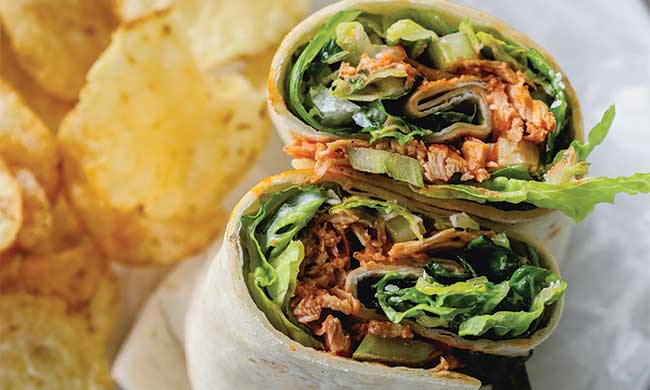
For less mess, Buffalo Chicken Caesar and Celery Wraps pair convenience with the cool crunch of Dandy Celery, a year-round superstar ingredient for many of your favorite football-inspired dishes. It’s packed with flavor and low in calories, making it a smart choice for snacking.
The contrasting tastes and textures offer a satisfying bite, whether you slice the wraps into smaller portions for appetizer-style serving or leave them whole for fans with hearty appetites.
Nervous nibblers during the game’s most tense moments may prefer a lighter bite, and that’s where a dependable dip can come through in the clutch. This Buffalo Hummus recipe puts a tailgate-spin on the familiar favorite, combining creamy texture with a little heat.
Serve it alongside crackers, chips or crisp vegetables like Dandy celery dippers, fresh-cut celery sticks that are pre-washed and ready to eat at your convenience – a true time-saver when the clock is ticking.
Design your own winning game plan by finding more tailgating recipes at DudaFresh.com.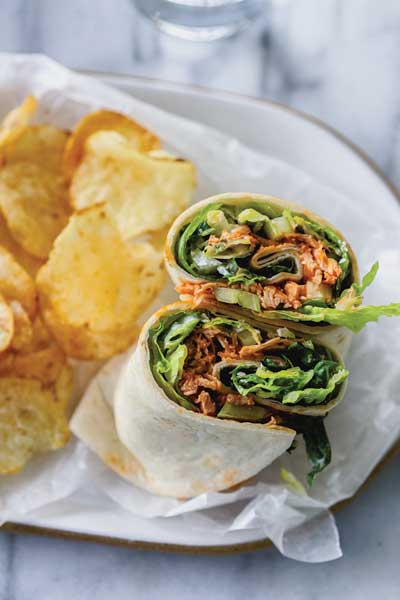
Buffalo Chicken Caesar and Celery Wraps
Servings: 4
- 2 cups shredded rotisserie chicken
- 1/4 cup Buffalo sauce
- 2 cups Dandy romaine hearts, chopped
- 1 cup Dandy celery, chopped (about 4 ribs)
- 1/3 cup Caesar dressing
- 1/4 cup grated Parmesan cheese
- 1/2 teaspoon black pepper
- 4 large flour tortillas (10 inches)
- In bowl, toss shredded chicken with Buffalo sauce. Set aside.
- To make salad: In separate bowl, combine romaine, celery, Caesar dressing, Parmesan cheese and black pepper. Mix well.
- To assemble wraps: Spoon about 1/4 cup Buffalo chicken along center of each tortilla, leaving small border at each end; top with Caesar salad. Fold up bottom of tortilla over filling then fold in sides and roll up tightly. Slice in half diagonally.
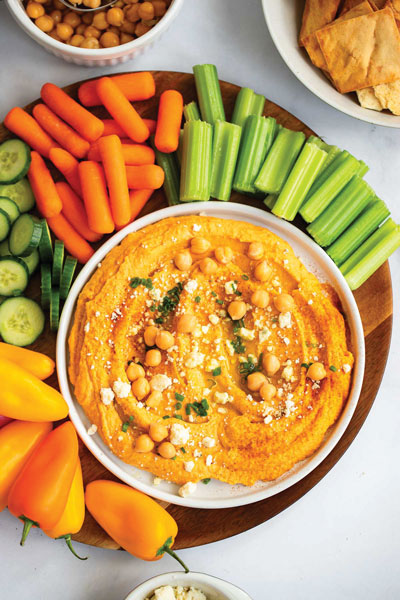
Buffalo Hummus
Prep time: 5 minutes
Servings: 8
- 1 can (15 ounces) chickpeas, drained and rinsed
- 1/4 cup tahini
- 1/4 cup Buffalo sauce
- 2 tablespoons olive oil
- 1/2 lemon, juice only
- 2 cloves garlic
- 2-3 tablespoons ice water
- dairy-free blue cheese, for garnish (optional)
- chopped chives, for garnish (optional)
- paprika, for garnish (optional)
- olive oil, for garnish (optional)
- Dandy Celery Dippers
- pita chips
- In food processor, puree drained chickpeas, tahini, Buffalo sauce, olive oil, lemon juice and garlic until smooth, stopping to scrape down sides as needed. Add water through lid until desired consistency is achieved.
- Spread hummus onto serving plate or bowl. Garnish, if desired, with dairy-free blue cheese, chopped chives, paprika and drizzle of olive oil. Serve with celery dippers and pita chips.

SOURCE:




