

health and wellness
5 Trends in Heart Health Among Younger Adults: Why Your CoQ10 Level Matters

Last Updated on April 6, 2026 by Daily News Staff
(Feature Impact) Heart disease is something many adults push to the back of their minds if they are not experiencing symptoms; a concern for “later” in life. However, that mindset may be changing. New research suggests younger generations are thinking about their cardiovascular health earlier and with greater urgency.
They’re right to be thinking about it, too. Data from the American Heart Association shows heart disease is still the No. 1 killer of Americans. In fact, someone dies from cardiovascular disease every 34 seconds in the United States.
Risk factors such as obesity, high blood pressure, diabetes, and kidney disease are on the rise, too. Nearly half of U.S. adults have high blood pressure (47%), and obesity (42%), and more than half (57%) have type 2 diabetes or prediabetes.
Despite growing concern about heart health, many adults remain unclear about their personal risk. In fact, a majority of respondents (62%) in a survey conducted by Atomik Research on behalf of Doctor’s Best said they don’t know their current risk for heart disease. To provide context on these findings and highlight emerging heart health trends, Dr. Tania Elliott, a dual board-certified physician in internal medicine, offers some insights.
Feeling Fatigue
In the study, only 50% of respondents reported feeling energetic on a daily basis. Among those who reported feeling fatigued, 46% listed stress as their top perceived contributor, followed by insufficient sleep (38%), both of which are closely tied to cardiovascular health.
Troubling Symptoms
Among Gen Z respondents, 25% reported having shortness of breath during activity or while lying down, compared to just 16% of Baby Boomers, which is commonly associated with compromised heart health.
 Statins and Youth
Statins, which help address cardiovascular risk factors such as high cholesterol, are among the most commonly prescribed drugs in America, with more than 92 million Americans currently taking them, according to the Cleveland Clinic. Although most survey respondents (76%) aren’t currently taking a statin, 17% of adults ages 25-34 reported using statin therapy, which is an unexpectedly high proportion given their age and the group’s low anticipated risk of cardiovascular disease.
Side Effects of Statins
Among those taking statins, which are considered a first-line treatment for treating high cholesterol and reducing heart disease risk, 54% reported experiencing side effects, particularly muscle pain (23%) and fatigue (31%). However, taking statins can also affect levels of Coenzyme Q10 (CoQ10), which supports cellular energy and cardiovascular function.
All About CoQ10
Cells use CoQ10 to produce energy and detoxify. Studies have shown people with heart failure who took CoQ10 had around a 50% reduction in mortality. Despite this, awareness is low. Nearly two-thirds (66%) of respondents had never heard of CoQ10 and that number jumps to 76% of adults ages 25-34. Additionally, only a small percentage of respondents (8%) who were on a statin reported having their CoQ10 level tested.
“We have a real opportunity to help younger adults take a more proactive approach to heart health,” Elliott said. “CoQ10 plays a critical role in cellular energy production and heart muscle function, and it can decline with age and statin use.”
If you’re among the 71% of survey respondents who expressed a willingness to learn more about improving your heart health, talk with your health care provider and visit DoctorsBest.com to learn more.
Strategies to Support Heart Health
While some risk factors for heart disease, like age and family history, are out of your control, you can make lifestyle changes to help lower your risk:
- Eat Whole Foods: A heart-healthy eating plan includes plenty of lean proteins as well as fruits, vegetables, beans, whole grains and foods high in omega-3s, such as salmon, nuts and plant oils.
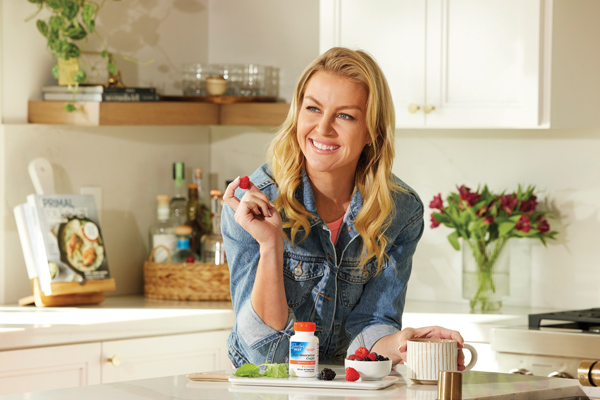
- Know Your CoQ10 Levels: If you’re low, look for a high-quality, bioavailable formula, like Doctor’s Best High Absorption CoQ10 with BioPerine, which supports energy production and muscle function.
- Get Moving: The American Heart Association recommends 150 minutes of moderate-intensity or 75 minutes of vigorous aerobic activity per week to help control weight and lower the risk for conditions that negatively impact the heart.
Photo courtesy of Shutterstock (woman with hand over chest)

SOURCE:
Our Lifestyle section on STM Daily News is a hub of inspiration and practical information, offering a range of articles that touch on various aspects of daily life. From tips on family finances to guides for maintaining health and wellness, we strive to empower our readers with knowledge and resources to enhance their lifestyles. Whether you’re seeking outdoor activity ideas, fashion trends, or travel recommendations, our lifestyle section has got you covered. Visit us today at https://stmdailynews.com/category/lifestyle/ and embark on a journey of discovery and self-improvement.


recipes
Say ‘Yes, Please’ to The Grilled Cheese of the Year: Gooey Goodness with a Protein Punch
Tne Grilled Cheese of the Year: A grilled cheese sandwich isn’t just a lunchtime staple; it’s a beloved cultural icon. There is a universal magic in the combination of ooey-gooey cheese, golden bread and a little butter – but in 2026, this comfort food classic is getting a functional upgrade in recipes like The Protein Powerhouse and The Classic.

Say ‘Yes, Please’ to The Grilled Cheese of the Year: Gooey Goodness with a Protein Punch
(Feature Impact) A grilled cheese sandwich isn’t just a lunchtime staple; it’s a beloved cultural icon. There is a universal magic in the combination of ooey-gooey cheese, golden bread and a little butter – but in 2026, this comfort food classic is getting a functional upgrade.
It’s also safe to say nostalgia is delicious and addicting, which is why Borden Cheese is sharing not one, but two, prize-worthy recipes, one of which packs a protein punch and another that’s a pure classic, perfect for spreading smiles and happy bellies.
Protein, Please: The Protein Powerhouse is the Grilled Cheese of the Year, and it’s easy to see why. It’s a protein-packed masterpiece designed for the modern appetite. Featuring a creamy, dual-cheese combo of mild cheddar and Borden Mozzarella Cheese Melts, the sandwich is melted over 5 ounces of tender sliced chicken breast and delivers more than 40 grams of protein and about 8 grams of fiber when paired with the right bread. Served with a tangy Greek yogurt and Dijon mustard “powerhouse sauce” and pressed between golden, crispy bread, this grilled cheese isn’t your ordinary melt. It has been transformed into a massive protein boost.
Tried n’ True: While modern flavors and trends are delicious, nostalgia is too. In fact, a whopping 20,000 fans cast their votes for America’s Favorite Grilled Cheese, asserting a fervor that’s unmatched when it comes to their perfect melt, and awarded The Classic the title of “America’s Favorite.” This comforting recipe pairs extra sharp melts with American singles on sliced white bread for a perfect, ooey-gooey bite that reminds you the cheese truly “makes” the sandwich.
VisitBordenCheese.com/grilled-cheese-day for other ooey-gooey grilled cheese recipes created for 2026.
The Protein Powerhouse
- 1 tablespoon butter, softened
- 2 slices bread fortified with protein and fiber
- 2 Borden Mild Cheddar Slices
- 1 slice Borden Mozzarella Melts
- 5 ounces sliced chicken breast (deli-shaved or thinly carved)
“Powerhouse” Sauce:
- 2 tablespoons non-fat Greek yogurt
- 1 teaspoon Dijon mustard
- 1/2 teaspoon garlic powder
- 1/2 teaspoon smoked paprika
- Heat griddle to medium heat. Butter bread. Layer cheeses and chicken on top of bread.
- Place bread on griddle and cook until lightly toasted. Flip and cook other side.
- Remove sandwich from skillet or griddle.
- To make powerhouse sauce: Mix Greek yogurt, Dijon mustard, garlic powder and smoked paprika until well blended. Slice sandwich in half and drizzle with Powerhouse sauce.

The Classic
- 1 tablespoon butter, softened
- 2 slices white bread
- 2 slices Borden Extra Sharp Melts
- 2 slices Borden American Singles
- Heat skillet or griddle over medium heat.
- Spread butter on one side of each slice bread.
- Place cheese slices on unbuttered side of bread. Top with other slice of bread with butter facing upward.
- Place sandwich on skillet or griddle and cook 3-4 minutes on each side. Using spatula, lightly press sandwich down gently while cooking to melt cheese better.
- Remove from skillet or griddle and slice in half.

SOURCE:
Borden
At our core, we at STM Daily News, strive to keep you informed and inspired with the freshest content on all things food and beverage. From mouthwatering recipes to intriguing articles, we’re here to satisfy your appetite for culinary knowledge.
Visit our Food & Drink section to get the latest on Foodie News and recipes, offering a delightful blend of culinary inspiration and gastronomic trends to elevate your dining experience. https://stmdailynews.com/food-and-drink/
health and wellness
Stacking Healthy Habits for Progress, Not Perfection
Healthy Habits: Many struggle with building healthier habits due to unrealistic expectations rather than lack of motivation. The American Heart Association’s My Life Check tool offers personalized heart health insights, helping to set attainable goals. Simple lifestyle changes—focused on nutrition, movement, sleep, and stress management—can gradually lead to significant health improvements.
Last Updated on April 10, 2026 by Daily News Staff
(Feature Impact) Despite the best of intentions, it’s common for plans to build healthier habits to fall flat. Often, the culprit isn’t a lack of motivation or discipline; rather, it’s unrealistic expectations.
Overhauling your lifestyle requires a level of commitment that isn’t always practical. Understanding your personal health needs and the challenges you need to overcome can help give you a more realistic roadmap toward better health.
Tools to Guide You
Every plan needs a starting point and there are many reputable sources that can help guide you toward a plan that addresses your personal health needs.
For example, the American Heart Association introduced My Life Check, a simple, free tool to help individuals understand their heart health and what’s driving it. Users answer simple questions about their daily habits and health factors to get a personalized Heart Health Score in minutes.
The results are private and downloadable, giving you full control of your information. The tool turns big goals into small, specific actions you can start right away. Knowing your numbers relative to your heart health (and where you are in comparison to target ranges for optimal health) can help you decide how to build a better map to get you where you want to be.
While the report is customized to each individual, no personal data is stored and answers are only used to calculate health scores and provide personalized recommendations and practical steps to improve your health, so you can use your results to focus on what matters most to you. Every small step you take, such as moving more, eating smarter, sleeping better or managing stress, can add up over time.
Finding Your Path
Once you’re armed with data and know where you stand on your heart health numbers, small steps become clearer and more manageable. That knowledge makes it easier to choose one area to focus on, such as getting more sleep, taking daily walks or adding more color to your meals.
Healthy changes don’t need to be expensive or complicated. The best habits are ones that fit real life when every action you take moves you closer to your goals.
Eat Smart
Choose foods that help you feel your best, one meal at a time. Add more color to your plate and focus on balance, not restriction. Simple, affordable swaps can make a real difference.
Move More
Find movement that fits your life, such as a walk, a stretch or dancing while you cook. Every bit of activity counts and it all supports your heart and mind. Move for joy, not just for results.
Sleep Well
Rest is a foundation of good health, not a reward. Protect your bedtime routine and give your body the recovery it deserves. Notice how good sleep makes everything else easier.
Manage Stress
Check in with yourself regularly, both mentally and emotionally. Create simple moments to pause, breathe, laugh or step outside. Connection, kindness and calm all support a healthy heart.
Staying motivated and on track is also easier when you can check back in, see your progress and realize the steps you’re taking are making an impact. Checking in every few months to see how you can grow gives you the chance to celebrate your progress, learn from challenges and keep building lasting habits that feel good.
To get started with personalized tips to set your own health goals, visit heart.org/mylifecheck.
Photos courtesy of Shutterstock
<img src="https://ssl.google-analytics.com/collect?v=1&tid=UA-482330-7&cid=1955551e-1975-5e52-0cdb-8516071094cd&sc=start&t=pageview&dl=http%3A%2F%2Ftrack.familyfeatures.com%2F17763%2F10236&dt=STACKING-HEALTHY-HABITS-FOR-PROGRESS-NOT-PERFECTION" />
https://erp.featureimpact.com/api/v1/tracking/17763/10236/track.js
<script type="text/javascript">
(function () {
var image = new Image(1, 1);
image.src = 'https://erp.featureimpact.com/api/v1/tracking/17763/10236/track.gif?referrer=' + window.location.href;
image.id = 'feature-impact-content-tracking-pixel';
image.style.position = 'absolute';
image.style.top = 0;
image.style.left = 0;
document.body.appendChild(image);
})();
</script>SOURCE:

MINNEAPOLIS — The powerful new documentary Come Talk to ME is set to make its big-screen debut at the Minneapolis–Saint Paul International Film Festival (MSPIFF), marking a significant milestone for the independently produced film centered on Parkinson’s disease, communication, and human connection.
The 2026 festival, running April 8–19, will feature more than 200 films from around the world. Come Talk to ME is scheduled for two screenings, including a meaningful premiere on April 11—World Parkinson’s Day—followed by a second showing on April 14. Both screenings will take place at the Main Cinema at Saint Anthony Main in Minneapolis.
A Story About Communication and Connection
Directed by Deacon Warner and produced by Jackie Hunt Christensen, the documentary follows Christensen, her husband Paul, and a close-knit group of friends living with Parkinson’s disease.
The film explores how communication evolves as the disease progresses, highlighting the creative and deeply human ways individuals maintain relationships—with family, friends, and healthcare providers—even as traditional speech becomes more challenging.
Christensen, diagnosed with Parkinson’s at just 34, emphasizes that the film is ultimately about preserving connection:
“Having Parkinson’s does not mean that you stop loving, caring, and feeling… communication is everything.”
Innovative Use of AI Voice Technology
One of the film’s most groundbreaking elements is its use of AI-generated narration powered by ElevenLabs.
The filmmakers recreated Christensen’s voice using archival audio recorded shortly after her diagnosis in 2000. This AI-generated voice—nicknamed “JHC2K”—serves as the primary narrator, allowing Christensen to “speak” throughout the film in a way that would otherwise be difficult due to the progression of Parkinson’s.
Director Warner called the experience both innovative and deeply personal:
“To be part of [MSPIFF’s] rich history… while also utilizing cutting-edge AI technology to set us apart from other films is incredible.”
Festival Screenings and Accessibility
Come Talk to ME will screen twice during the festival:
- Saturday, April 11 (World Parkinson’s Day) – Early afternoon (time TBD)
- Tuesday, April 14 – Late afternoon (time TBD)
Ticket pricing:
- MSP Film Society Members: $11
- General Admission: $17 (+ online fee)
- Students: $10 (with ID)
In a move aligned with the film’s mission, the April 11 screening will offer free admission (donation-based) for individuals affected by Parkinson’s disease.
The venue also provides limited wheelchair seating on a first-come, first-served basis.
A Film Seeking Broader Impact
Beyond its festival debut, Come Talk to ME is actively seeking sponsors to expand its reach and impact. The filmmakers hope to bring the documentary to wider audiences, particularly within communities affected by Parkinson’s disease.
At its core, the film delivers a powerful message: even as physical abilities change, the need for connection—and the human drive to communicate—remains constant.
Why This Film Matters
As awareness of Parkinson’s disease continues to grow, Come Talk to ME stands out as both an emotional narrative and a technological milestone. By combining personal storytelling with AI innovation, the film offers a new way to understand life with Parkinson’s—and the enduring importance of being heard.
Source and Related Links
- Minneapolis–Saint Paul International Film Festival (MSPIFF) Official Site
- MSP Film Society Official Website
- World Parkinson’s Day – Official Information
- Parkinson’s Foundation – Resources & Support
- The Michael J. Fox Foundation for Parkinson’s Research
- ElevenLabs – AI Voice Technology Platform
STM Daily News’ Entertainment section delivers the latest on movies, television, music, pop culture, events, and industry buzz. From breaking news and trending stories to feature coverage and community-centered entertainment reporting, it keeps readers connected to what’s happening on screen, on stage, and beyond.





