

Automotive
7 Tips to Prep Your Vehicle for Safe Winter Travel

Last Updated on December 8, 2025 by Daily News Staff
Prep Your Vehicle for Safe Winter Travel
(Family Features) While snow may be one of the highlights of winter, wet roads and ice can make for dangerous driving conditions. Cold temperatures and slick roads can wreak havoc on vehicles, making even a short commute across town a hazardous trip.
Before you step into the driver’s seat this winter, pay special attention to the safety of your vehicle and consider these tips from the experts at your local Discount Tire to ensure you’re ready to hit the road.
Install Winter Tires
Built for the cold and designed for better traction in winter conditions when temperatures drop below 45 F, winter tires can provide better traction on slippery, wet and icy roads, which can lead to striking curbs and other objects that scratch, dent and scuff wheels. Changing wheels and tires each season can ensure you have the best traction possible and protect summer or all-season wheels from the harsh effects of snow, ice and road-clearing chemicals like salt.
Keep Traction on Winter Roads
Tread depth determines a vehicle’s safe stopping distance, which is vital during winter weather when all-season tires can take an average of 110 feet to stop at 30 miles per hour compared to 81 feet in the same conditions for winter tires. You can check the tread depth by sticking a penny upside-down in a tread groove – it’s time to replace your tires if President Lincoln’s head is visible.
Check Tire Pressure
Tires lose air due to impacts and pressure of bumps and turns. Colder temperatures can also impact air pressure. For every 10-degree drop in ambient temperature, tires lose one pound of pressure (PSI). At least once a month, especially before long trips, check the pressure in your tires or stop by a Discount Tire location. Low pressure can lead to poor handling and gas mileage, excessive wear and overloading. Keep a tire pressure gauge in your vehicle to ensure each tire is filled to the manufacturer’s recommended inflation level and add air as necessary.
Update Your Wiper Blades
In cold and icy winter weather, wiper blades can stiffen and become damaged. While your wiper blades’ lifespan will vary based on where you live and the weather you deal with, experts recommend replacing them every six months. If your wiper blades squeak or leave streaks on your windshield, it’s time to replace them.
Know the Age of Your Tires
The older a tire, the higher its risk for failure. As tires age, the rubber becomes harder and brittle, losing elasticity and strength. Check the DOT number stamped on your tires’ sidewalls to see if it’s time for replacement. If you’re not sure what tires are right for your vehicle, a tool like Treadwell allows you to easily input vehicle information and driving habits to receive a personalized recommendation.
Rotate Tires Often
Regular tire rotations help ensure proper traction. Tires should be rotated every 6,000 miles, or earlier if uneven wear develops. One easy way to remember: Have your tires rotated every other time you have your oil changed.
Check for a Spare Tire
Many newer vehicles have replaced spare tires with tire inflation kits that include puncture-coating sealants and air compressors or run-flat tires. Check to see what your vehicle has and consider adding a roadside assistance plan in case you experience any issues during inclement weather.
To locate a store near you, or search for winter tires specific to your vehicle and driving habits, visit discounttire.com, where you can save up to 30% on wait times in-store, or use the mobile app.
Photo courtesy of Shutterstock
SOURCE:
Discount Tire
Author





News
Jay Leno Test Drives the Slate Truck as Startup Pushes Toward 2026 Launch
The affordable electric pickup from Slate Auto is gaining attention after Jay Leno test drove the prototype on Jay Leno’s Garage. Here’s the latest update on pricing, features, reservations, and the planned 2026 production launch.


Testing the Slate Truck
The affordable electric pickup from Slate Auto is continuing to gain attention as the startup moves closer to production. One of the most visible recent developments came when legendary car collector and TV host Jay Leno featured the truck on his popular YouTube series Jay Leno’s Garage.
The episode offered one of the most detailed looks yet at the upcoming Slate Truck, including a real-world test drive, design insights, and a closer look at the company’s philosophy behind building what could become one of America’s most affordable electric vehicles.
Watch the Jay Leno Test Drive
What Jay Leno Revealed About the Slate Truck
During the episode, Leno drove a pre-production prototype of the truck while engineers from Slate Auto explained the design approach.
Unlike many modern EVs packed with luxury features, the Slate Truck is intentionally simple.
Key highlights from the test drive include:
A Focus on Simplicity and Repairability
One of the most notable ideas behind the truck is that it is designed to be easy to repair and modify. Instead of relying on proprietary parts or complex electronics, the vehicle uses a more straightforward architecture that could allow owners or independent mechanics to work on it.
This approach contrasts with many EVs that require dealership service or specialized tools.
Modular Body Panels and Customization
The Slate Truck is built around a modular platform with removable exterior panels and optional accessory kits.
According to the company, owners will be able to customize the vehicle with:
Different body panel styles Accessory racks and cargo options A potential conversion kit that can transform the pickup into a small SUV
The idea is to allow the vehicle to evolve with the owner’s needs over time.
Minimalist Interior
Inside the prototype shown to Leno, the truck features a very basic interior layout.
Instead of a large infotainment system, the vehicle relies heavily on smartphone integration and simpler controls to keep costs down. This minimalist philosophy is part of the company’s effort to build a lower-cost EV.
Pricing and the “Affordable EV” Promise
When the truck was first revealed in 2025, Slate Auto suggested the vehicle could cost under $20,000 after incentives.
However, with changes to federal EV incentives and updated pricing expectations, analysts now estimate the truck will likely start around the mid-$20,000 range.
Even at that price, the vehicle could still become one of the most affordable electric trucks available in the United States.
Production Plans in Indiana
The company plans to manufacture the truck in Warsaw, Indiana, where a large former industrial facility is being converted into an EV factory.
Production targets include:
Production start: Late 2026 Early deliveries: Possibly 2027 Potential capacity: Up to about 150,000 vehicles per year once fully ramped
Strong early interest has also been reported, with more than 100,000 reservations placed for the truck shortly after its reveal.
A Different Kind of Electric Truck
The Slate Truck is entering a market where most electric pickups—such as the Ford F-150 Lightning and Rivian R1T—sit at much higher price points.
Rather than competing on luxury or performance, the Slate Truck is aiming to fill a different niche: a practical, customizable, and relatively affordable electric work vehicle.
If the company can deliver on its promises, it could open the door to a new category of budget-friendly EVs.
For now, the test drive on Jay Leno’s Garage provides one of the clearest glimpses yet at how the truck might perform in the real world.
Related Coverage on STM Daily News
- Automotive News and Innovation – STM Daily News
- Boom Supersonic and the Overture: The Return of Commercial Supersonic Travel
- The Evolution of Public Transportation in Los Angeles
- Technology News and Emerging Innovations
Further Reading and Information
- Slate Auto Official Website
- Watch the Slate Truck Test Drive on Jay Leno’s Garage
- Car and Driver: First Look at the Slate Truck
- TechCrunch: Slate Auto Leadership Changes Ahead of Launch
- InsideEVs: Latest Electric Vehicle News
Welcome to the Consumer Corner section of STM Daily News, your ultimate destination for savvy shopping and informed decision-making! Dive into a treasure trove of insights and reviews covering everything from the hottest toys that spark joy in your little ones to the latest electronic gadgets that simplify your life. Explore our comprehensive guides on stylish home furnishings, discover smart tips for buying a home or enhancing your living space with creative improvement ideas, and get the lowdown on the best cars through our detailed auto reviews. Whether you’re making a major purchase or simply seeking inspiration, the Consumer Corner is here to empower you every step of the way—unlock the keys to becoming a smarter consumer today!
https://stmdailynews.com/category/consumer-corner
Author

Downtown Phoenix experienced the thunder of Formula 1 engines once again on Saturday, March 14, 2026, when the Red Bull Showrun transformed East Jefferson Street into a temporary motorsports stage. The free public event drew large crowds eager to see a real Formula 1 car perform high-speed demonstrations through the heart of the city.
The star of the event was the legendary Red Bull RB7, one of the most dominant machines in modern Formula 1 history. Fans watched as the car blasted down the temporary street course performing burnouts, donuts, and acceleration runs that echoed between downtown buildings.
A Championship Machine on City Streets
Originally driven to the 2011 Formula 1 World Championship by Sebastian Vettel, the RB7 represents a golden era for Red Bull Racing. The car is known for its aerodynamic design and remarkable performance during the 2011 season.
During the Phoenix showrun, the car was piloted by Scott Speed, a former Formula 1 competitor and experienced motorsports driver. He was joined by Nikola Tsolov, a rising talent in Red Bull’s junior driver development program.
Together, the drivers delivered a high-energy demonstration that gave spectators a rare opportunity to witness the power and precision of Formula 1 machinery up close.
A Tribute to Phoenix’s Formula 1 Legacy
The event also served as a reminder of Phoenix’s unique place in Formula 1 history. The city previously hosted the United States Grand Prix (Phoenix street circuit), which ran through downtown streets from 1989 through 1991.
During those races, fans watched legendary drivers such as Ayrton Senna compete on the challenging desert street circuit.
Although the Grand Prix eventually moved to other locations, the Red Bull Showrun brought the spirit of Formula 1 back to Phoenix for a new generation of motorsports fans.
Formula 1’s Growing U.S. Momentum
The Phoenix showrun comes at a time when Formula One is experiencing unprecedented growth in the United States. The sport now hosts three annual races in Austin, Miami, and Las Vegas.
Promotional events like the Red Bull Showrun help introduce the sport to new audiences and reconnect cities with their racing heritage.
For longtime Phoenix residents, the sound of a Formula 1 engine echoing through downtown streets was more than just a spectacle—it was a powerful reminder of the city’s motorsports past and the growing popularity of Formula 1 across America. 🏎️🔥
Related External Coverage
- Official Red Bull Showrun Phoenix Event Page
- Arizona’s Family (3TV / CBS 5): Coverage of the Red Bull Showrun in Downtown Phoenix
- Formula 1 Official Website – Learn More About the Sport
- City of Phoenix – Downtown Events and Street Closures
- History of the Phoenix Street Circuit and the U.S. Grand Prix (1989–1991)
Stay updated with the latest automotive news, vehicle technology, industry trends, and transportation innovations. The STM Daily News Automotive section explores how cars, electric vehicles, and mobility solutions are shaping the future of the road.
Consumer Corner
Tackling Auto Insurance Myths: Misconceptions Drivers Should Know Before Making Coverage Decisions
Misinformation about auto insurance can lead to poor decisions. Mercury Insurance highlights common myths, such as negotiable premiums and misconceptions about coverage. Understanding realities helps consumers make informed choices, enhancing their confidence in selecting the right insurance policy.
Last Updated on March 4, 2026 by Daily News Staff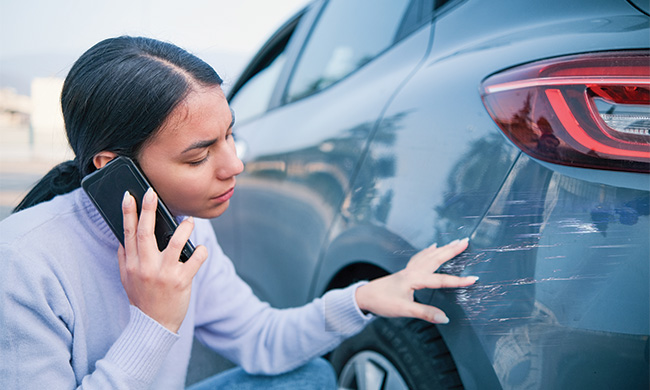
(Family Features) Misinformation about auto insurance continues to circulate, leading many drivers to make decisions based on outdated or inaccurate assumptions.
“Even savvy drivers can be misled by insurance myths,” said Justin Yoshizawa, director of product management at Mercury Insurance. “Understanding what coverage actually does – and doesn’t – do can help people avoid unpleasant surprises after an accident.”
To help consumers stay informed, Mercury Insurance is sharing this lineup of auto insurance misconceptions that can affect coverage, cost and peace of mind – and the facts that stand in their place.
Myth No. 1: You Can Negotiate Your Auto Insurance Premium
Fact: Insurance rates aren’t like haggling for a car price. They’re calculated using approved rating formulas and risk models regulated by state insurance departments, so you can’t negotiate a lower rate directly with your carrier. What you can do is shop for discounts, adjust coverage levels or improve your risk profile to influence your premium.
Myth No. 2: You Don’t Need Medical Payments Coverage ifYou Have Health Insurance
Fact: Even if you carry health insurance, your auto policy’s medical payments or personal injury protection can still be valuable. These coverages may pay medical costs regardless of fault and can help cover expenses not covered by health insurance, including deductibles, co-pays, ambulance bills, lost wages and more, depending on state regulations.
Myth No. 3: Full Coverage Means You’re Covered for Everything
Fact: “Full coverage” is a common shorthand used to describe a policy that includes liability, comprehensive and collision coverage. Even with all three, coverage is still subject to limits, deductibles and exclusions, which means certain situations and expenses may not be covered unless additional protections are added.
Myth No. 4: All Insurance Companies are Basically the Same
Fact: Each insurer has different underwriting guidelines, risk models, discount structures, service levels and claims handling practices. Shopping only on price without comparing coverages and service reputation can lead to surprises when you need to file a claim.
Myth No. 5: A Not-At-Fault Accident Won’t Affect Your Rates
Fact: Even if you weren’t at fault, filing a claim can still influence your insurance score and possibly affect future pricing depending on your state and your carrier’s specific rating rules. Discuss the scenario with your agent before deciding whether or not to file.
Myth No. 6: New Cars are Always More Expensive to Insure
Fact: A new car often costs more to insure than an older one, but this isn’t automatic. A new vehicle with high-end safety features or strong crash-worthiness and theft-deterrent systems may be less expensive to insure than a different used model with poor safety ratings or costly repair costs.
Myth No. 7: Insurance Automatically Pays for a Rental After an Accident
Fact: Rental car reimbursement is an optional add-on. Unless you specifically select rental reimbursement coverage, your auto policy won’t pay for a temporary vehicle while yours is being repaired.
Myth No. 8: If Your Car is Totaled, Insurance Pays Off Your Loan or Lease
Fact: Car insurance settlement is based on the vehicle’s actual cash value at the time of loss, not what you originally paid – meaning depreciation can leave you owing money on your loan or lease even after a total loss. Gap insurance is a separate optional coverage that can help cover the difference.
“Dispelling myths is about more than just good information – it’s about building insurance confidence,” Yoshizawa said. “We want drivers to make choices based on reality, not rumor.”
To learn more and ensure coverage aligns with how and where you drive, visit MercuryInsurance.com.
Photos courtesy of Shutterstock
SOURCE:





