

home improvement
Building Your Dream Home Anytime, Anywhere

Last Updated on June 26, 2024 by Daily News Staff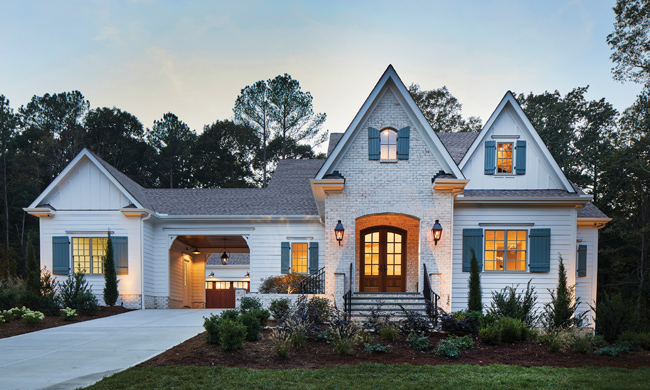
5 tips to create a comfortable forever home
(Family Features) For most homebuyers, their dream homes are not something they’re likely to find already on the market. With a unique vision of your dream home’s look, location and features, building a custom home is generally the easiest way to make that dream a reality.
To keep things moving as smoothly as possible amid what can be a complicated process, consider these tips as you embark on the journey.
Set a Realistic Budget
You’ll need to start by determining how much you can spend on your house. Typically, the cost of building a home is around $100-$200 per square foot, according to research from HomeAdvisor. You’ll also need to account for the lot price as well as design fees, taxes, permits, materials and labor. Materials and labor should make up about 75% of the total amount spent, but it’s wise to build in a buffer for price changes and overages. While building your budget, consider what items and features are “must-haves” and things that should only be included if your budget allows.
Identify the Perfect Location
Think about where you’d like to live and research comparable lots and properties in those areas, which can give you a better idea of costs. Because the features of many dream homes require a wider footprint, you may need to build outside of city limits, which can make natural gas more difficult to access. Consider propane instead, which can do everything natural gas can and go where natural gas cannot or where it is cost prohibitive to run a natural gas line. Propane also reduces dependence on the electrical grid, and a propane standby generator can safeguard your family if there is a power outage.
“As a real estate agent and builder, I have the pleasure of helping families select their dream homes,” said Matt Blashaw, residential contractor, licensed real estate agent and host of HGTV’s “Build it Forward.” “The homes we design and build are frequently in propane country, or off the natural gas grid. Propane makes it possible to build an affordable and comfortable, high-performing indoor living spaces and dynamic outdoor entertaining areas.”
Keep Universal Design Principles in Mind
Many homebuyers want to ensure their space is accessible to family members and guests both now and for decades to come. As the housing market slows and mortgage rates rise, buyers may look to incorporate features that allow them to age in place. Incorporating principles of universal design – the ability of a space to be understood, accessed and used by people regardless of their age or ability – can make it possible to still enjoy your home even if mobility, vision or other challenges arise as you age.
For example, the entryway could have a ramp or sloped concrete walkway leading to a front door wide enough to accommodate a wheelchair with a barrier-free threshold. Inside, wider hallways and doorways, strategic lighting and appliances installed at lower heights are mainstays of universal design. Counters of varying heights, drop-down cabinet racks and roll-under sinks in kitchens and zero-entry showers, slip-resistant flooring and grab bars in bathrooms offer enhanced accessibility.
Consider Alternative Energy Sources
With today’s electric grid, more than two-thirds of the energy is wasted; it never reaches homes. Unlike electricity, propane is stored in a large tank either above or below ground on the property. A 500-gallon tank can hold enough propane to meet the annual energy needs of an average single-family home – enough to power major systems in a home.
Propane pairs well with other energy sources, including grid electricity and on-site solar, which makes it a viable option for dual-energy homes. Like natural gas, propane can power major appliances such as your furnace, water heater, clothes dryer, fireplace, range and standby generator. Often, propane works more efficiently with fewer greenhouse gas emissions than electricity, meaning your home is cleaner for the environment.
Propane can even power a whole-home standby generator, which is often a big selling point. When a homeowner purchases a standby generator, a licensed electrician installs the unit outside the home and wires it to the home’s circuit breaker. When a power outage occurs, the generator automatically senses the disruption of service and starts the generator’s engine, which then delivers power to the home. From the warm, comfortable heat of a propane furnace to the peace of mind offered by a propane standby generator, many homeowners trust propane to provide a safe, efficient, whole-home energy solution.
Build a Team of Experts
Hiring the right people can make the process of turning your dream into reality go much smoother. Start by researching reputable builders, paying special attention to the types of homes they build to find a style that matches what you’re looking for as well as price ranges for past homes they’ve built. Consider how long the builders have been in business and if they’re licensed and insured.
Depending on your builder’s capabilities, you may also need to hire an architect or designer. In addition to your real estate agent to assist with purchasing the lot and selling your previous home, you may need assistance from other professionals, such as a real estate attorney, landscape architect and propane supplier. A local propane supplier can work with the builder to install a properly sized propane storage tank either above or below ground and connect appliances.
Find more ideas for building your dream home at Propane.com.
Propane-Powered Appliances
You may be surprised to learn propane can power major appliances, which can increase the value of a home because of their high performance, efficiency and reduced dependence on the electrical grid.
Furnace
A propane-powered furnace has a 50% longer lifespan than an electric heat pump, reducing its overall lifetime costs. Propane-powered residential furnaces also emit up to 50% fewer greenhouse gas emissions than electric furnaces and 12% fewer greenhouse gas emissions than furnaces running on oil-based fuels.
Boiler
Propane boilers have an expected lifespan of up to 30 years, but many can last longer if serviced and maintained properly. High-efficiency propane boilers offer performance, space savings and versatility as well as a significant reduction in carbon dioxide emissions compared to those fueled by heating oil.
Standby Generator
Propane standby generators supply supplemental electricity in as little as 10 seconds after an outage. Plus, propane doesn’t degrade over time, unlike diesel or gasoline, making it an ideal standby power fuel.
Clothes Dryer
Propane-powered clothes dryers generate up to 42% fewer greenhouse gas emissions compared to electric dryers. They also dry clothes faster, which can reduce energy use and cost.
Range
With up to 15% fewer greenhouse gas emissions compared to electric ranges, propane-powered ranges also allow for greater control of heat levels. Plus, their instant flame turnoff capabilities help them cool faster.
Tankless Water Heater
Propane tankless water heaters have the lowest annual cost of ownership in mixed and cold United States climates when compared with electric water heaters, heat pump water heaters and oil-fueled water heaters. They also only heat water when it is needed, reducing standby losses that come with storage tank water heaters.
Photos courtesy of Laurey Glenn and Paragon Building Group (house exterior and kitchen)
SOURCE:
Propane Education & Research Council
https://stmdailynews.com/category/lifestyle/business


Consumer Corner
5 Smart Ways to Prepare Your Home to Weather Storm Season
By readying your home for storm season in advance, you can prevent minor problems from turning into major damage. Consider these five tips to batten down the hatches when the skies are getting dark.


(Feature Impact) Whether your area is prone to thunderstorms, hurricanes, tornadoes or other forms of severe weather, the best time to prepare is before the first raindrop hits. By readying your home for storm season in advance, you can prevent minor problems from turning into major damage.
Consider these five tips to batten down the hatches when the skies are getting dark.
Check Your Roof and Gutters
Your roof has one job – to be a shield against the elements. Don’t wait for a storm to discover you have loose shingles that could fly off in high winds, cracked seals where the roof meets the walls or sagging gutters that aren’t capable of funneling water away from the house. Stay up to date on roof maintenance and clear leaves, twigs and other debris from gutters to prevent clogging.
Trim Trees and Landscaping
Dead trees or weak branches can break and turn into projectiles during storms, potentially causing damage to your house, car or nearby power lines. Next time you have yardwork on the agenda, factor storm preparation into your landscaping plans. Keep trees and bushes trimmed and consider bringing in a professional to assess the health of any trees near your home that could be at risk of toppling.
Strengthen Your Home’s Weak Spots
Windows and doors are some of the most vulnerable places during storms, so pay extra attention to weatherproofing there. Look for any cracks in the glass, check for worn seals or drafty areas and make sure doors close securely and don’t rattle. If you live in an area prone to strong winds or hurricanes, consider upgrading your home with storm shutters for extra peace of mind when debris starts flying.
Turn Your Yard Into a No-Fly Zone
When there’s bad weather in the forecast, you probably aren’t planning to go out and lounge on patio furniture as the skies open up – so pack it up. Secure any items that are too large to bring inside and check around the yard for lightweight items like gardening tools, toys and anything else that could become airborne during strong gusts.
Make a Power Outage Plan
During a storm, nobody wants to fumble around in the dark trying to find batteries for a dead flashlight. Save yourself the trouble by assembling an emergency kit to help your household get by without power if the lines go down. Know where to find flashlights, fresh batteries, power banks to charge your phones, nonperishable food and first-aid supplies or essential medications. If you plan to use a generator, test it and make sure you know how to use it before you need it.
Discover more tips to protect your home at eLivingtoday.com.
Photo courtesy of Unsplash

SOURCE:
🏡 Planning your next home project? Explore expert tips, DIY ideas, product reviews, and the latest home improvement news in Consumer Corner. Share your experiences in the comments and subscribe to the STM Daily News newsletter for practical advice and fresh inspiration delivered straight to your inbox.

Health
5 Babyproofing Tips for Baby Safety Month
Babyproofing is about anticipating those discoveries before little ones make them. In honor of National Baby Safety Month, consider these tips you can use to make your home safer all year round.

5 Babyproofing Tips for Baby Safety Month
(Feature Impact) Outsmarting a baby can be harder than it sounds – especially when it comes to transforming your home into a safe place for them to explore. Through their eyes, a coffee table becomes a climbing opportunity, a dangling phone charger looks like a teething toy and a cabinet of cleaning supplies could be an exciting travel destination.
Babyproofing is about anticipating those discoveries before little ones make them. In honor of National Baby Safety Month, consider these tips to make your home safer all year round.
Install Gates and Doorknob Covers
Crawling babies and stairs are a bad combination. Make sure the two never have the chance to meet by securely installing safety gates at the top and bottom of staircases to thwart young explorers. Gates or doorknob covers can also block access to other rooms and areas you’d prefer to keep off limits, like kitchens, bathrooms and laundry areas.
Use Safety Latches Wisely
Cabinets and drawers can contain a myriad of dangerous items, from cleaning products to sharp objects and medications. Even if you have rooms gated off, treat safety latches and locked storage receptacles as a second line of defense to make sure babies and toddlers can’t rummage where they shouldn’t.
Stress-Test Furniture
As babies and toddlers transition from crawling to walking, they often try using furniture to pull themselves up. Tall or unstable objects like TV stands, small tables and bookshelves can tip over if they aren’t properly secured. Try giving these objects a shake to see whether they’re easily moveable or wobbly; if so, anchor them to the floor or wall when possible. While you’re at it, check for sharp corners at the right height to bonk little heads and cover them with softer edge protectors.
Cover Outlets and Stow Cords
Electrical outlets can be tempting targets for curious fingers. Outfit them with covers or plastic safety caps, especially if you don’t already have tamper-resistant receptacles with built-in mechanisms to block foreign objects from entering the slots. As you’re going about your outlet audit, pay attention to cords as well. When possible, tuck them away or secure them with cord organizing systems, and block access to objects like lamps where cords can be used for tugging and toppling.
See the World at Their Level
Although it might feel silly, one of the best ways to spot hazards around your home is to scout for them from a baby’s perspective. Try getting as close to the floor as you can then look around each room for anything that could interest a young child and pose potential danger. In particular, keep an eye out for small objects that could become choking hazards, like dropped coins, batteries or loose toy pieces.
As children grow, so do the needs of your space. Visit eLivingtoday.com for more ideas on designing your home to fit your family.
Photo courtesy of Unsplash

SOURCE:
💪 Your health journey starts here! Explore the latest health news, fitness tips, wellness trends, and healthy living advice. Share your thoughts in the comments and subscribe to the STM Daily News newsletter to stay informed and inspired every day.
home improvement
The New Rules of Remodeling: How to Balance Style, Durability and Cost
New Rules of Remodeling: Homeowners are approaching exterior remodeling with a sharper focus than ever before. Higher material costs, longer project timelines and a growing emphasis on long-term value are reshaping how they make decisions. The most effective projects begin with thoughtful planning and product selection while keeping an eye on long-term outcomes. To get a better understanding of these updated guidelines, consider this guidance.
The New Rules of Remodeling: How to Balance Style, Durability and Cost
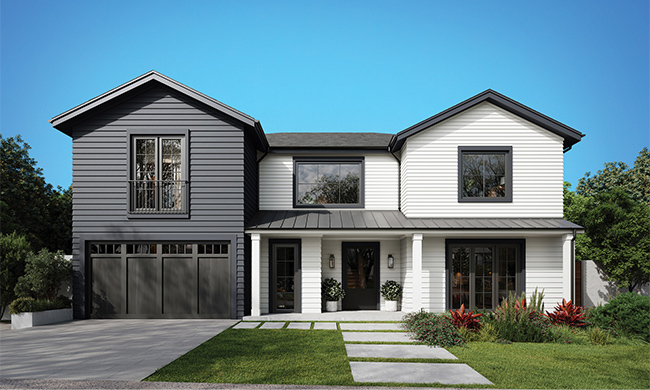
(Feature Impact) Homeowners are approaching exterior remodeling with a sharper focus than ever before. Higher material costs, longer project timelines and a growing emphasis on long-term value are reshaping how they make decisions.
The “new rules of remodeling” are clear: Success depends on striking the right balance between style, durability and overall cost of ownership.
Curb appeal still matters, but not at the expense of performance or maintenance demands. Likewise, upfront savings mean little if materials require frequent repair or replacement. The most effective projects begin with thoughtful planning and product selection while keeping an eye on long-term outcomes.
To get a better understanding of these updated guidelines, consider this guidance from the home remodeling experts at Westlake Royal Building Products, a leader in the manufacturing of siding and accessories, trim and moulding, roofing, stone, windows and outdoor living.
Planning Takes Precedence
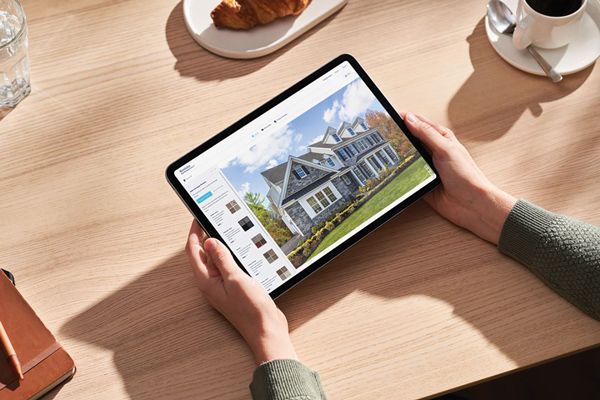
Digital tools are playing a larger role in helping homeowners make informed decisions earlier in the remodeling process. In fact, nearly 30% of homeowners plan to invest more than 10 hours researching before hiring a contractor, highlighting a shift toward more deliberate, front-loaded planning, according to Modernize’s 2025 Homeowner Insights survey. Platforms like Design Canvas reflect this change. The tool allows users to visualize exterior renovations using realistic previews, experiment with materials and color palettes and generate product lists, all before beginning construction.
This kind of planning reduces uncertainty and helps avoid costly mid-project changes, which is part of a broader trend: More homeowners are investing significant time toward researching projects upfront to ensure smarter, more efficient execution. Homeowners can now test design choices, align expectations with budgets and move forward with greater confidence.
“With the launch of our new website and Design Canvas, our goal was to create a seamless and inspiring experience that reflects the innovation and breadth of our product offerings,” said Steve Booz, vice president of marketing at Westlake Royal Building Products. “This is a launch pad where customers can explore everything Westlake Royal has to offer, discover the right products for their next project and bring their visions to life through creativity, education and interactive design.”
Durability is as Important as Style
 Once the homeowner establishes a clear vision, material selection becomes the next critical step. That is particularly true for siding, which plays a central role in both aesthetics and protection.
Products like TruExterior Lap Siding demonstrate how manufacturers are responding to modern homeowner priorities. Designed to replicate the look of traditional cedar, it delivers the depth and shadow lines associated with classic wood siding, without the vulnerabilities that often come with it.
Its poly-ash composition provides resistance to warping, cracking and splitting while maintaining dimensional stability in varying climates. The material can be installed with standard tools, painted in a wide range of colors and even used in ground-contact applications. These attributes translate to lower maintenance requirements and fewer long-term repair costs.
This combination of aesthetic flexibility and durability directly supports the new remodeling framework. Homeowners no longer need to choose between appearance and performance. They can achieve both while staying within budget.
Cost and Timing are Still Deciding Factors
Timing and cost efficiency also factor into the equation. Projects that begin with clear planning and reliable materials tend to move more smoothly, avoiding delays tied to redesigns, product substitutions or unexpected maintenance considerations, which can also help keep the project on budget.
Ultimately, the new rules of remodeling are less about tradeoffs and more about alignment. Style, durability and cost are no longer competing priorities. Rather, they are interconnected elements of a successful project.
As the remodeling landscape continues to change, those who approach projects with this balanced mindset will be best positioned to achieve results that look better, last longer and cost less over the long haul. Explore products and design tools to assist with your next project at westlakeroyalbuildingproducts.com.

SOURCE:
Westlake Royal Building Products
🏡 Planning your next home project? Explore expert tips, DIY ideas, product reviews, and the latest home improvement news in Consumer Corner. Share your experiences in the comments and subscribe to the STM Daily News newsletter for practical advice and fresh inspiration delivered straight to your inbox.





