

health and wellness
Vitamin D builds your bones and keeps your gut sealed, among many other essential functions − but many children are deficient


Jacqueline Hernandez, Florida International University and Cristina Palacios, Florida International University
You’ve likely heard about vitamin D’s important role in maintaining strong bones and teeth. But it also plays several other important roles to keep your body healthy – including the function of your gut.
As part of our research on how a dietary fiber supplement affects bone mass in children and adolescents, the MetA-Bone Trial, we are also studying gut health.
For this study, we recruited 213 children and adolescents from South Florida, primarily Hispanics, though some were Black. Before having them start taking the fiber supplement, we measured their vitamin D levels to ensure they had adequate amounts. Surprisingly, we found that 68% of these children had suboptimal vitamin D levels.
Considering South Florida is an area with plenty of sunshine year-round, this was both startling and concerning. While vitamin D can be obtained from foods, most people in the U.S. get this vitamin primarily from skin exposure to sunlight. For youth approaching or experiencing puberty – a period of profound physiological changes, including rapid changes in bone mass – vitamin D deficiency could lead to several health issues.
Connection between vitamin D and health
Vitamin D is involved in so many bodily functions because there are vitamin D receptors in different organs. These receptors act like docking stations for vitamin D to bind to and trigger different effects in the skin, intestine, bone, parathyroid gland, immune system and pancreas, among others.
Vitamin D regulates calcium levels in the body, which is key for not only building and maintaining bone mass but also the basic functioning of the nervous system.
Vitamin D also stimulates cell differentiation, a process in which cells become specialized to carry out specific functions. It is also essential to insulin secretion to control blood sugar levels, blood pressure regulation, muscle repair and regeneration, immune function and nutrient absorption, among many other functions.
Vitamin D and gut health
The vitamin D receptors in your gut improve calcium absorption and strengthen your intestinal barrier.
The intestinal barrier is a layered wall that allows your gut to absorb nutrients and keep out harmful bacteria. This wall is composed of intestinal cells and proteins called tight junctions that act like bricks sealing these cells together. Tight junctions play an important role in maintaining the structure of your intestinal barrier.
Vitamin D receptors help your gut produce tight junctions to maintain your intestinal barrier. Research suggests that vitamin D deficiency reduces production of the receptors the nutrient binds to, subsequently reducing the seal of the intestinal wall. This weakening of the gut barrier may allow substances from the intestine to pass into the blood, causing inflammation. Disruption of the intestinal barrier is linked to many diseases, including liver disease, Type 1 diabetes, obesity and gastrointestinal conditions such as celiac disease, inflammatory bowel disease and colon cancer.
After discovering that so many of the participants in our MetA-Bone Trial had suboptimal vitamin D levels, we became interested in understanding how this nutrient might be affecting their gut health. For this, we also measured the strength of their intestinal barrier and associated this to their vitamin D levels in blood.
We found that children with suboptimal vitamin D levels had a higher risk of damaging their intestinal barrier compared with children with optimal vitamin D levels. This finding suggests that even in healthy children, suboptimal levels of vitamin D may compromise the gut and potentially increase the risk of developing chronic diseases at an early age.
Getting enough vitamin D
Vitamin D deficiency is highly prevalent in the U.S. and around the world. Roughly 15.4% of children and adolescents in the U.S. were vitamin D deficient in 2017. While vitamin D deficiency has slightly decreased over time in the general U.S. population, it remains high among teens, especially children with darker skin.
How can you ensure you are getting enough of this important nutrient?
Only a few foods naturally contain vitamin D. For example, vitamin D is naturally found in fatty fish – such as trout, salmon, cod and tuna – egg yolks and mushrooms. Vitamin D can also be found in many fortified foods, such as dairy products like milk and cheese, plant-based milks, breakfast cereals, some orange juice brands and infant formulas. Dietary supplements are also good sources of vitamin D.
For most people in the U.S., sun exposure is their main source of vitamin D. However, how much sun exposure you need depends on several factors, such as the melanin content of your skin. Melanin is a pigment that protects your skin from ultraviolet radiation. People with more melanin – and therefore darker skin – produce less vitamin D from sun exposure than those with less melanin and may thus require longer sun exposure to meet minimum requirements.
Since excessive ultraviolet radiation is associated with skin cancer, clinicians typically recommend you meet your vitamin D requirements through foods and beverages. For healthy children and adults, the recommended dietary allowance of vitamin D is 600 IU, with an age-based upper limit of no more than 1,000 to 4,000 IU. You can usually meet this through a healthy diet that includes a variety of whole and unprocessed foods.
Researchers continue to uncover the extensive benefits of vitamin D in the body, supporting its indispensable role in nutrition and health. For growing children and adolescents, enough vitamin D is important for healthy development.
Jacqueline Hernandez, Assistant Professor of Dietetics and Nutrition, Florida International University and Cristina Palacios, Professor and Chair of Dietetics and Nutrition, Florida International University
This article is republished from The Conversation under a Creative Commons license. Read the original article.
https://stmdailynews.com/the-fate-of-lucky-supermarkets-in-socal/


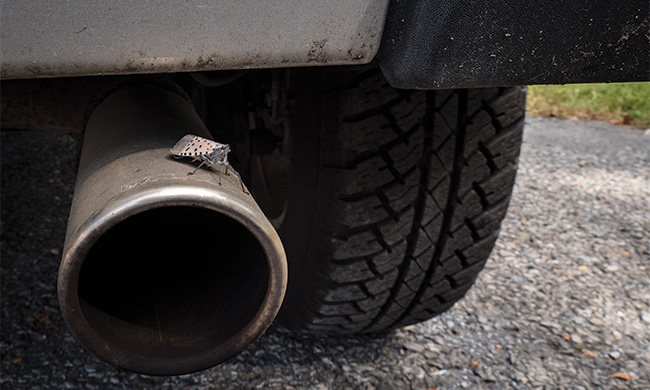
How Invasive Pests Spread and How You Can Help Stop Them
(Feature Impact) Invasive pests can hide in places you’d never expect, and once they spread, they can destroy the trees, plants and food people rely on every day. These pests pose a serious threat to agriculture, forests, ecosystems and the food supply. Many invasive species cannot travel far on their own; instead people unknowingly move them from place to place.
According to the U.S. Department of Agriculture’s Animal and Plant Health Inspection Service, invasive pests hitchhike on everyday items such as plants, produce, firewood, vehicles and outdoor equipment. That makes many common activities – from traveling and online shopping to camping and gardening – potential “pathways” for invasive pests to move and reach new areas. Understanding these pathways is the first step to stopping pests before they spread.
Traveling Abroad
When you travel abroad and return from another country, the agricultural items you bring back can introduce new invasive pests into the U.S. and threaten crops or trees that have no natural defenses against them. Even harmless-looking fruit, seed packets or souvenirs made with plant materials can carry pests such as fruit flies and diseases like citrus canker. That’s why it’s critical travelers declare food, plants and other agricultural products when entering the country from abroad.
Shopping Online
Just because you can order seeds and plants from sellers around the world, it doesn’t mean those items are legal or safe to import. In fact, some invasive snails and plant diseases have entered the U.S. this way. Many agricultural products from overseas require permits, inspections or special paperwork before they can enter the country. Buyers should check where an item ships from, learn the import requirements before purchasing and make sure sellers follow all labeling and shipping rules.
 Partaking in Outdoor Activities
When you spend time outdoors hiking, camping, hunting or fishing, you could inadvertently spread invasive species. For example, transporting firewood from one location to another can spread tree-killing insects, such as the emerald ash borer, which can live inside the wood and emerge later in a new area. The safest choice is to buy or use firewood where you burn it. Additionally, clean all outdoor clothing, gear, equipment and vehicles before leaving an area.
Moving Outdoor Equipment
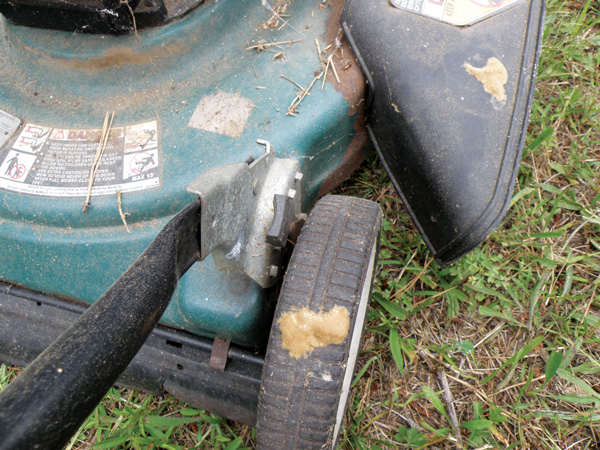
When you move to a new home, your move can create another opportunity for invasive insects to travel. Before relocating patio furniture, grills, trailers or lawn equipment, inspect and clean them carefully. Look for insects, plant debris and egg masses like spotted lanternfly egg masses, which can blend into outdoor surfaces and look like smears of mud or clumps of dirt. A few minutes of checking and cleaning before you move can help prevent pests from invading your new neighborhood.
Invasive pests cost the U.S. billions of dollars every year and damage forests, farms, parks and backyards. Stopping invasive pests starts with simple steps anyone can take: checking what you pack, clean, move and buy. When everyone does their part, fewer pests spread and communities stay healthier and more resilient.
Visit aphis.usda.gov/hungrypests to learn more about how invasive pests spread and the simple steps you can take to help stop them and protect America’s agriculture and natural resources.
Invasive Pest Protection Checklist
- Declare all food, plants and agricultural items when returning from another country.
- When ordering items online, check where the products ship from and verify U.S. import rules before buying.
- If you’re camping, buy firewood where you plan to burn it. Clean clothing, gear and vehicles before leaving.
- Before moving to a new home, inspect outdoor furniture and equipment, looking closely for egg masses or insects.
Content courtesy of USDA.

SOURCE:
United States Department of Agriculture
📰 Enjoying STM Daily News? Join the conversation!
💬 Leave a comment, share your thoughts, and subscribe to our newsletter for the latest stories, updates, and “News You Can Use This Moment!” delivered to your inbox.
Stay connected with STM Daily News!
Lifestyle
Get Your Kids Ready to Go Back-to-School with Affordable Health Coverage
Once school starts, life moves fast. There is homework, practices, permission slips, and early mornings. Before the calendar fills up, take a moment to make sure your child has affordable health coverage for the year ahead.


Get Your Kids Ready to Go Back-to-School with Affordable Health Coverage
(Feature Impact) Once school starts, life moves fast. There is homework, practices, permission slips, and early mornings. Before the calendar fills up, take a moment to make sure your child has health coverage for the year ahead.
Free or low-cost health coverage is available through the Children’s Health Insurance Program (CHIP) or Medicaid in your state for eligible individuals. With health coverage, your kids and teens can get the care they need to stay healthy and do well in school.
Think your family might not qualify? You might be surprised. Many families may qualify for coverage without realizing it! Eligibility varies by state and is based on family income and household size. In most states, children up to age 19 from a family of four earning up to $80,000 per year may be eligible. In some states, eligible children can still qualify if family income is even higher.
Getting your child covered helps you get them the health care they may need. When a child is sick, the right medicines help them get back to school. If a child has a tough time focusing, there are supports to help. If your child does not see as well as other children, these programs cover glasses. Healthy kids are confident kids, who are ready to participate in every opportunity inside and outside the classroom!
Why Health Coverage Belongs on Your Kids’ Back-to-School List
Having health coverage can help families, like yours, to send your kids and teens off to school ready to learn. Depending on the program and a child’s individual needs, Medicaid and CHIP can provide eligible kids up to age 18 (Medicaid) or 19 (CHIP) with a range of services to support their health all year long, such as:
- Annual checkups and school physicals to prepare children to learn, play, and participate.
- Preventive care to identify health needs early and keep children healthy throughout the year.
- Dental care to help prevent tooth aches, cavities, and missed school days.
- Vision and hearing services to support learning and classroom participation.
- Mental health care to support emotional well-being and school success.
- Prescription medications and treatment to help manage symptoms and stay on track.
- Specialized services for children with disabilities to support growth and learning.
How to Apply
You can apply for Medicaid and CHIP in many ways:
- By phone
- By mail
- In-person through your state’s Medicaid or CHIP office
- Or find your state’s information online at InsureKidsNow.gov/coverage.
Act now to get your child covered before they need health care. Enrollment for these programs is open year-round, meaning families do not have to wait for a specific time of year to get covered.
Once enrolled, coverage must be renewed every twelve months, so it is important to keep your address, email, and phone number up to date with your state Medicaid or CHIP office to avoid missing important renewal information. Visit InsureKidsNow.gov or call 1-877-KIDS-NOW (1-877-543-7669) for more information.
Information provided by the U.S. Department of Health & Human Services. This communication was printed, published, or produced and disseminated at U.S. taxpayer expense.
Photo courtesy of Shutterstock

SOURCE:
Centers for Medicare and Medicaid Services
💪 Your health journey starts here! Explore the latest health news, fitness tips, wellness trends, and healthy living advice. Share your thoughts in the comments and subscribe to the STM Daily News newsletter to stay informed and inspired every day.

Lifestyle
Strong at Every Age: How Women Can Help Combat Muscle Loss
Combat Muscle Loss: Aging is inevitable, but losing muscle and mobility doesn’t have to be. Consider these tips to help women protect their muscle health.

Strong at Every Age: How Women Can Help Combat Muscle Loss
(Feature Impact) Aging is inevitable, but losing muscle and mobility doesn’t have to be. For many women, maintaining strength, independence, energy and mobility are top priorities as they get older, particularly as they deal with the mental and physical responsibilities that come with working, caregiving, keeping up with friends, hobbies and enjoying an active lifestyle.
In fact, 58% of women in the United States are actively focused on staying healthy as they age, according to a recent survey commissioned by Viactiv, a line of award-winning supplements for women known for their unique formats and flavors. However, 73% of respondents weren’t aware of sarcopenia, or age-related muscle loss. According to the “International Journal of Women’s Health,” age-related muscle loss often begins between ages 30-35, with women losing 3-8% of their muscle mass per decade and increasing to 5-10% loss per decade after age 60.
Hormonal changes, decreased activity levels, stress, poor sleep and inadequate nutrition can all contribute to the decline in muscle, which can also negatively impact balance, bone health, metabolism, posture and everyday mobility.
Yet, despite 70% of women reporting some level of concern about muscle loss, 54% are unsure how to protect their muscle health.
“Women want to stay strong, active and independent as they age, but many are getting mixed messages about what actually supports long-term muscle health,” said Dr. Tania Elliott, a dual board-certified physician in internal medicine. “A lot of women are already making healthy choices like walking and staying active, which is a great start. However, maintaining muscle health really requires a more complete approach, and one that starts earlier than most women think, which is in your 30s.”
Prioritize Strength Training
Many women report barriers such as lack of time (15%), feeling overwhelmed (23%) or simply not enjoying exercise (23%). The key is finding realistic, sustainable habits. While walking and cardio exercise aid in heart health, which 58% of survey respondents report already engaging in, strength training is one of the most effective ways to preserve and build muscle as you age. Still, just 34% of women report doing strength or resistance training.
You don’t need an intense fitness regimen to support healthy aging. Aiming for at least two strength-focused workouts a week – lifting weights, using resistance bands, practicing weight-bearing yoga or doing bodyweight exercises like squats and pushups – that target major muscle groups can help maintain muscle health. The goal is to fatigue your muscles during sets so they build.
Fuel Muscles with Proper Nutrition
Exercise is only part of the equation. Muscles also need proper nutrition to recover and stay strong. Protein plays a critical role in maintaining muscle mass, especially as women age. Incorporating high-quality protein throughout the day, such as eggs, Greek yogurt, fish, lean meats, beans, lentils, nuts and seeds, may help support muscle repair and overall strength.
Support Healthy Aging with Supplements
In addition to a balanced diet and exercise, some women may consider supplements that support healthy aging and energy production, including CoQ10, which is a naturally occurring antioxidant that helps cells produce energy. According to research published in “The Journal of Nutrition, Health and Aging,” because muscles require significant energy to function, CoQ10 shows potential for managing sarcopenia by improving mitochondrial function and reducing oxidative stress.
An option like Viactiv CoQ10 Cardio Complete, available in a tasty fruit-flavored chew, can help support heart health, muscles, nerve function and daily energy. Enhanced with vitamins D3 and K2, it provides daily essential nutrition for women without the need to swallow a large pill.
Practice Healthy Habits
Muscle health is influenced by more than workouts. Sleep, stress management and daily movement all play important roles. Adopting some simple habits, including prioritizing quality sleep, stretching regularly, staying properly hydrated, reducing sedentary time throughout the day and practicing stress-management techniques, like yoga, meditation or deep breathing, can help aid in healthy aging, including maintaining muscle.
The earlier women begin prioritizing muscle health, the better positioned they may be to maintain strength and mobility as they age. Visit Viactiv.com for more information and resources to help combat muscle loss.
Photo courtesy of Shutterstock

SOURCE:
Viactiv
💪 Your health journey starts here! Explore the latest health news, fitness tips, wellness trends, and healthy living advice. Share your thoughts in the comments and subscribe to the STM Daily News newsletter to stay informed and inspired every day.





