

Foodie News
Introducing DIGIORNO® Classic Crust Pizza: Thin, Flavorful, and Loaded
Deliciously affordable DIGIORNO Classic Crust Pizza: Thin, flavorful, and loaded with toppings!

Last Updated on September 13, 2025 by Rod Washington
Introducing the all-new DIGIORNO® Classic Crust Pizza! As thin-crust pizza continues to gain popularity, DIGIORNO has answered the call with its latest culinary innovation. Available this September, this deliciously affordable pizza brings the fresh baked taste and aroma that thin crust fans know and love from DIGIORNO. With the introduction of the Classic Crust Pizza, the brand now offers ten crafted crust options.
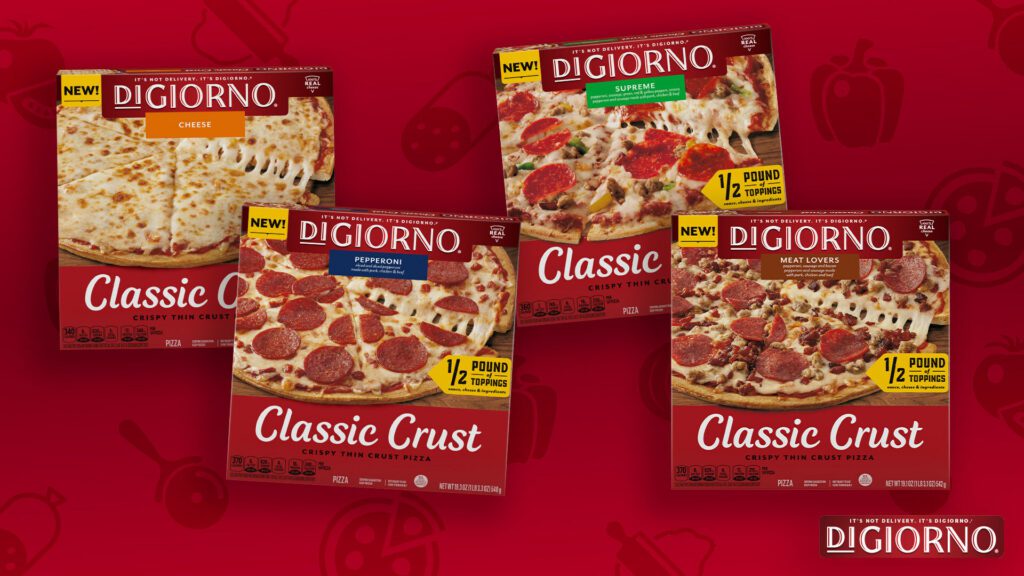
For those who crave toppings, DIGIORNO® Classic Crust Pizza is a dream come true. Made with 100% real cheese and generously loaded with ½ pound of sauce and other toppings, all piled on a buttery, crispy thin crust. Each bite bursts with hearty flavor. You can choose from four mouthwatering varieties:
- DIGIORNO® Classic Crust Pepperoni Pizza: Signature sauce and abundant slices of pepperoni.
- DIGIORNO® Classic Crust Cheese Pizza: Simple and delicious, topped with melty mozzarella cheese.
- DIGIORNO® Classic Crust Meat Lovers Pizza: A meaty feast with pepperoni, sausage, and bacon.
- DIGIORNO® Classic Crust Supreme Pizza: Loaded with pepperoni, sausage, colorful peppers, and onions.
Kimberly Holowiak, Senior Brand Manager for DIGIORNO, explains, “Thin crust is the fastest-growing crust in the frozen pizza category, but there’s a common misconception that less crust means fewer toppings. Our chefs worked hard to keep the flavor and crunch loaded in every bite of the new Classic Crust pizza while ensuring it wouldn’t break the bank.”
You can find all four varieties of DIGIORNO® Classic Crust Pizza at select retailers nationwide for an MSRP of $5.49 (prices may vary by store). For more information and to explore their delicious pizza products, visit goodnes.com/digiorno/ or follow @DiGiorno on your favorite social media channels.
About Nestlé USA:
Nestlé USA is committed to enhancing the quality of life for everyone through the power of food, both today and for future generations. Their food and beverage portfolio includes renowned brands like Coffee mate, DiGiorno, and Nestlé Toll House, as well as category disruptors like Sweet Earth. Nestlé USA also offers the largest coffee portfolio in the U.S., featuring Nescafé and Nestlé Starbucks Coffee. As part of Nestlé S.A., the world’s largest food and beverage company headquartered in Vevey, Switzerland, Nestlé USA has been named among “The World’s Most Admired Food Companies” by Fortune magazine for twenty-five consecutive years. To learn more, visit nestleusa.com.
SOURCE DiGiorno
Author


Food and Beverage
Survey Finds Cooking Oil Now Influences Where Many Americans Choose to Eat
A new survey suggests cooking oil is no longer just a kitchen detail. Coast Packing found that 43% of Americans say a restaurant’s cooking oil influences where they choose to eat.

Last Updated on April 2, 2026 by Daily News Staff

New national survey data suggests cooking oil is becoming a visible factor in restaurant selection, with younger diners showing the strongest preferences.
A new national survey suggests that cooking oil is no longer just a back-of-house decision for restaurants. It is increasingly becoming part of how consumers decide where to eat.
According to new data released by Coast Packing Company, 43% of Americans say a restaurant’s cooking oil influences their dining choice. The survey, based on responses from 1,005 U.S. consumers, points to a clear shift in how ingredient decisions are perceived by the public.
The strongest signal comes from younger diners. Among adults ages 18 to 34, 52% say knowing whether a restaurant uses Beef Tallow or seed oils affects where they choose to eat. Among consumers 55 and older, that number falls to 33%.
The preference gap also shows up when diners are asked to choose between two otherwise identical restaurants. In that scenario, 31% of adults ages 18 to 34 say they would choose the restaurant using Beef Tallow, compared with 19% of adults 55 and older.
The survey also found that 24.7% of diners prefer restaurants to use traditional animal fats such as butter or Beef Tallow, while 15.6% prefer seed or vegetable oils. That suggests ingredient choices once treated mainly as operational decisions may now be influencing brand perception, menu appeal, and customer loyalty.
For restaurant operators, the findings point to a broader change in consumer behavior. Diners, especially younger ones, appear increasingly interested in how food is prepared and what ingredients are used behind the scenes. That shift aligns with wider food industry trends that emphasize transparency, flavor, and traditional preparation methods.
Coast Packing says the data builds on years of tracking consumer attitudes toward animal fats. Earlier research showed growing openness to ingredients such as Lard and Beef Tallow, particularly among younger consumers who associate them with flavor and old-school cooking. This latest survey goes a step further by suggesting those views are now influencing actual dining behavior.
The findings also match broader market signals. Whole Foods Market’s 2026 food trend forecast identified Beef Tallow as an emerging ingredient gaining visibility, while analysts continue to project growth in the global tallow sector through 2030.
Restaurants are unlikely to overhaul kitchen practices overnight. Still, the survey suggests cooking oil is becoming more than a technical ingredient choice. For a growing share of consumers, it is part of the dining experience itself.
For more information, visit Coast Packing Company.
External Links
- Back to Flavor, Back to Tallow white paper
- Email to request the full survey results
- Coast Packing Company official website
- Coast Packing TasteMap
- Healthy Fats Coalition
Visit the Food and Drink section on STM Daily News for the latest food news, beverage trends, restaurant stories, seasonal recipes, culinary events, and community-driven lifestyle coverage.
Food and Beverage
JonnyPops Launches Refreshing New “No Sugar Added with Electrolytes” Mini Frozen Pops
JonnyPops is launching No Sugar Added with Electrolytes mini frozen pops—an organic, dye-free treat with hydration support—coming April 2026.

Last Updated on March 31, 2026 by Daily News Staff

JonnyPops Launches Refreshing New “No Sugar Added with Electrolytes” Mini Frozen Pops.
JonnyPops Launches Refreshing New “No Sugar Added with Electrolytes” Mini Frozen Pops
A better-for-you frozen treat meets hydration support in a grab-and-go mini format.
If you’ve ever reached for something cold after a workout, a long day outside, or when you’re just not feeling 100%, you’re not alone — and JonnyPops says its fans have been telling that story for a while.
The Minnesota-based frozen treat brand announced it’s expanding its No Sugar Added Minis lineup with a new option designed to be both refreshing and functional: JonnyPops “No Sugar Added with Electrolytes” mini frozen pops.
Fans asked for hydration-friendly pops — JonnyPops listened
According to the company, the new product was inspired by emails and social media comments from customers who were already using JonnyPops as a simple way to cool down and feel a little more hydrated.
JonnyPops says consumers shared stories about playing sports in the heat, spending time outdoors, or recovering from an illness — and how a frozen treat with hydration support would be the perfect pop for those moments.
That feedback led the brand to add electrolytes to its popular No Sugar Added Minis.
What’s inside the new minis
JonnyPops says the new “No Sugar Added with Electrolytes” minis are built around the same standards fans expect from the brand, including:
- Organic ingredients
- No artificial dyes
- No added sugar
- Electrolytes for hydration support
- Layered flavors designed for a fun, refreshing bite
“Consumers often share with us how JonnyPops is part of their everyday moments,” said Erik Brust, Co-Founder of JonnyPops. “We hope that these new frozen pops will be loved by our fans and enjoyed in all moments that need a refreshing treat.”
When you can find them
JonnyPops says the new minis are expected to hit stores in April 2026.
For updates on availability and additional product news, visit www.jonnypops.com and follow JonnyPops on social media.
About JonnyPops
JonnyPops’ tagline is “A Better Pop for a Better World!™” and the company says its mission is to make “delicious, magical products” while helping make the world a kinder place.
The brand notes its pops are free from artificial dyes, made in a peanut-free facility, and include a kind deed printed on every pop stick.
JonnyPops was founded in a St. Olaf College dorm room and sold its first pops at Twin Cities farmers’ markets and local cafes in 2012. Today, the company employs 200+ people, produces its frozen pops in-house, and is sold through major retailers across all 50 states.
Learn more at jonnypops.com or follow @jonnypops on Instagram.
Media contact
At our core, we at STM Daily News, strive to keep you informed and inspired with the freshest content on all things food and beverage. From mouthwatering recipes to intriguing articles, we’re here to satisfy your appetite for culinary knowledge.
Visit our Food & Drink section to get the latest on Foodie News and recipes, offering a delightful blend of culinary inspiration and gastronomic trends to elevate your dining experience. https://stmdailynews.com/food-and-drink/
Authors


Last Updated on March 28, 2026 by Daily News Staff
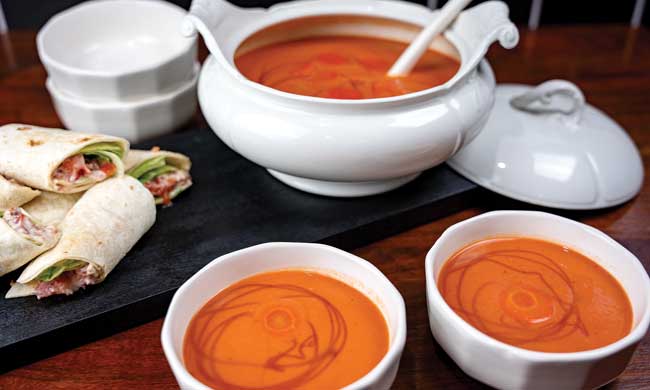
(Family Features) If you’re in need of a soup outside the usual mushroom or celery varieties, turn to another springtime favorite: carrots. More than just a veggie you can serve with dip, they’re creamy, delicious and pair well with ginger in this Creamy Carrot Soup. Discover more easy recipes for family meals at Culinary.net.
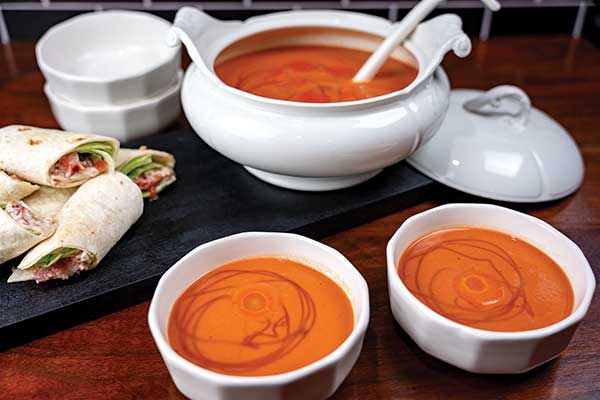
Creamy Carrot Soup
Recipe courtesy of “Cookin’ Savvy”
Servings: 4-6
- 2 cans (14 ounces each) carrots
- 2 cups broth of choice
- 1/2 cup brown sugar
- 1 tablespoon garlic powder
- 1 tablespoon onion powder
- 2 teaspoons ginger
- 1/4 cup orange juice
- 1/4 cup heavy cream
- salt, to taste
- pepper, to taste
- honey
- BLT wraps, for serving
- In blender, blend canned carrots, including juices, until smooth. Transfer to pot and add broth.
- Mix in brown sugar, garlic powder, onion powder, ginger and orange juice. Bring to simmer then add cream. Add salt and pepper, to taste.
- Drizzle honey over each bowl. Serve with BLT wraps.
SOURCE:





