

Food and Beverage
Island Fin Poké Co. Introduces Korean BBQ Chicken Bowl For a Limited Time to Broaden Menu for Guests

ORLANDO, Fla /PRNewswire/ — To introduce a new variation of bold flavors and appeal to guests who are not already poké fans, national franchise, Island Fin Poké Co. added a new Korean BBQ Chicken Bowl to their menu. On March 13 and for a limited time only, the new Korean BBQ Chicken Bowl will be available in all locations. This addition is directly intended to diversify their menu, offer more options to their guests and welcome chicken lovers into their Ohana- which translates to “family” in the Hawaiian language.
The new Korean BBQ Chicken Bowl was taste-tested and specifically created with their guests in mind.Tweet
Island Fin Poké Co. is a Florida-based fast-casual concept known for its Hawaiian-style build-your-own poké bowls that are more than just a bowl, they’re a lifestyle. This means each time a guest experiences a poké bowl at Island Fin, it’s incrediBOWL, with only the best farm-to-fork and boat-to-bowl ingredients. Aside from the traditional fish options of tuna, salmon, shrimp and octopus, Island Fin also offers protein options of chicken, tofu and spam to cater to all preferences.
The brand has experienced such positive reviews with guests trying chicken bowls, they decided to create this special new bowl to appeal to those specific guests – knowing they would love the unique flavor combinations. Since each bowl is customized to the guests’ liking, this new bowl is crafted with the intention of creating a memorable experience. Every bowl, including the new Korean BBQ Chicken Bowl, is created to fuel guests with a meal that is delicious, healthy and bursting with flavor.
This new bowl was taste-tested and specifically created with their guests in mind. To start off, the Korean BBQ Chicken Bowl has a perfectly steamed white rice base. Then, the sweet and spicy flavor combination is created, mixing high-quality chicken with corn, sweet onions and Korean BBQ sauce, resulting in the classic bold flavor Island Fin is known for. Following this, kimchi and spicy pickled vegetables are placed on top of the rice and the BBQ chicken, sweet onion and corn mix-ins. Then, green onions and sesame seeds are sprinkled on top while also being finished off with Island Fin’s handcrafted Togarashi sauce.
“Adding a new menu item is something we take our time with, and we take it very seriously to ensure our guests will love it. This motivates us to reach the next level of offering remarkable service and an amazing experience to every guest. We’re so excited for our guests to try the exotic flavors of this new bowl,” says Setterington.
The franchise gives guests a five plus one sensory experience, with its Ohana vibe being the sixth sense. All these amazing interactions combined make the brand so welcoming and inviting. Most importantly, senses are heightened with the incredibly fresh combinations of flavors of poké, toppings, mix-ins and sauces in every bite.
“Island Fin is always looking for ways to adapt to our communities and bring something new to the family table. We create everything with the guest experience in mind, including our new Korean BBQ Chicken Bowl,” says Mark Setterington, CEO and Co-founder of Island Fin Poké Co.
Go to the nearest Island Fin Poké Co. to taste the new Korean BBQ Chicken Bowl now! For more information on the brand, please visit https://www.islandfinpoke.com/. For information on franchising, please visit https://www.islandfinpoke.com/franchise/. For media inquiries, please contact Bianca Kasawdish at bianca@teaminnovision.com.
About Island Fin Poké Co.
Island Fin Poké Co. is a Florida-based fast-casual concept known for its Hawaiian-style build-your-own poké bowls. From farm-to-fork, the brand uses the freshest ingredients to bring traditional flavors from the islands to local communities nationwide. Founded in 2017, Island Fin Poké Co. has 26 locations open, with numerous others in various stages of development. Island Fin Poké Co. was listed in Fast Casual’s 2022 Movers & Shakers List. For more information, or if interested in joining the brand’s Ohana, please visit https://www.islandfinpoke.com/.
SOURCE Island Fin Poké Co.
Author


Food and Beverage
BJ’s Restaurant & Brewhouse Turns April Fool’s Day Into a Real Menu Moment With Sweet Heat Pepperoni Pizookie

Last Updated on March 31, 2026 by Daily News Staff
BJ’s Restaurant & Brewhouse is leaning into April Fool’s Day with a menu item that sounds made up but is very real. The casual dining chain has introduced the Sweet Heat Pepperoni Pizookie, a one-day-only dessert available April 1 for $4.01.
BJ’s Unveils Sweet Heat Pepperoni Pizookie in One-Day-Only April Fool’s Day Offer
The limited-time item remixes two of BJ’s best-known menu identities: its deep-dish pizza flavors and its signature Pizookie dessert. The Sweet Heat Pepperoni Pizookie starts with a warm Chocolate Chunk Pizookie base and is topped with Rich Vanilla Bean ice cream, crispy cup-and-char pepperoni, and a drizzle of Mike’s Hot Honey.
According to the company, the idea builds on previous playful Pizookie launches, including the Pizickle Pizookie in 2024 and the Fryckle Pizookie in 2025. This year’s version pushes the concept further by combining sweet, savory, and spicy flavors into a single dessert designed to surprise guests.
“We’ve always believed that great ideas can come from unexpected places,” said Heidi Rogers, chief marketing officer at BJ’s Restaurants, Inc., in the announcement. She described the Sweet Heat Pepperoni Pizookie as a creative and intentional twist that made April Fool’s Day the right moment for the launch.
The dessert will be available for dine-in only on April 1. BJ’s says the item includes two scoops of vanilla bean ice cream and is finished with the same hot honey flavor profile that has appeared in its seasonal pizza offerings.
The promotion gives BJ’s a timely way to turn novelty into foot traffic, especially around a date when brands often compete for attention with joke announcements. In this case, BJ’s is using the holiday to offer something guests can actually order.
BJ’s Restaurants, Inc., founded in 1978, operates more than 200 restaurants across 31 states. The brand is known for its deep-dish pizzas, broad casual dining menu, and its long-running Pizookie dessert line.
Guests looking to try the Sweet Heat Pepperoni Pizookie will need to act quickly. The item is only available on April 1, making it one of the brand’s shortest limited-time offers of the year.
For more information, visit bjsrestaurants.com.
Hungry for what’s next? STM Daily News’ Food and Drink section dishes up the latest in restaurant news, beverage trends, seasonal recipes, culinary events, and food culture stories readers love to share.
Authors

Food and Beverage
Create Little Moments of Happiness This Spring with Family-Friendly Potato Recipes
As spring encourages outdoor activities, The Little Potato Company offers time-saving products, like pre-washed Little Potatoes and crispy snacks. Enjoy convenient family meals and enter their sweepstakes for a chance to win travel and grocery prizes.
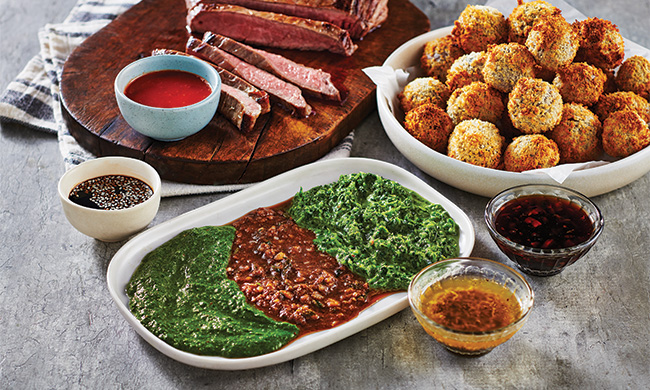
(Feature Impact) As the weather breaks and spring brings increased opportunities for families to get outside, activities, adventures and jam-packed calendars abound. All those special moments spent at the park, the sports field or in the backyard may leave lasting memories, but they can also leave you feeling short on time in the kitchen.
Bring a little moment of happiness to busy family mealtimes during the spring season with The Little Potato Company’s line of easy-to-prepare Little Potatoes. They come pre-washed, require no peeling and are small enough that they don’t need to be cut, allowing for less time in the kitchen and more family time around the table as the days get longer – no extra spring cleaning required. For an added helping of convenience, their Microwave Ready Little Potato Kits come with delicious seasoning packs; simply pop into the microwave, sprinkle on the included seasoning and enjoy.
For a fun after-school or game-night snack, these Crispy Air Fryer Potato Nuggets pair perfectly with a variety of delicious dips. The air fryer cooks the potatoes in minutes, creating a crispy snack with minimal prep – no chopping or peeling needed.
Or you can make a delicious side dish a cinch with pesto, which adds a bright, flavorful twist to a classic in these Basil Pesto Mashed Potatoes. They pair perfectly with everyday family meals using Little Potatoes that require no chopping or peeling thanks to their naturally thin skins, helping cut down on prep time while bringing fresh flavor to the dinner table.
To help fuel families’ spring vacation plans and everyday meals, The Little Potato Company is giving you a chance to enter a sweepstakes through May 25 to win a $10,000 travel voucher with additional prizes including 10 grocery gift cards valued at $1,000.
Enter the sweepstakes at TheLittleSpringtimeSweeptakes.com, and find more ways to make spring meals a breeze by visiting LittlePotatoes.com.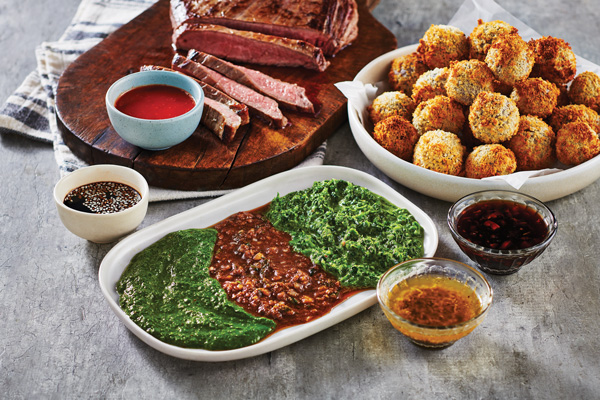
Crispy Air Fryer Potato Nuggets and Dip
Prep time: 10 minutes
Cook time: 24 minutes
Servings: 4
Potatoes:
- 1 cup all-purpose flour
- 1 teaspoon salt
- 1 teaspoon garlic powder
- 1/2 teaspoon pepper
- 1 cup milk
- 1 1/2 cups panko breadcrumbs
- 1 1/2 pounds Little Potatoes
Chimichurri:
- 1 bunch cilantro
- 1 bunch parsley
- 3 limes, juice only
- 2 tablespoons honey
- 2 teaspoons salt
- 1/2 teaspoon pepper
- 1 teaspoon chili flakes
- 1 cup canola oil
- Heat air fryer to 390 F.
- To make potatoes: In a shallow bowl, combine flour, salt, garlic powder and pepper. Whisk in milk until smooth.
- Place panko in a separate shallow bowl.
- Working in batches, coat potatoes in batter then toss in panko until fully coated.
- Place potatoes in the air fryer and cook 24 minutes, flipping halfway.
- To make chimichurri: In a blender, blend cilantro, parsley, lime juice, honey, salt, pepper, chili flakes and canola oil until smooth.
- Serve potato nuggets with chimichurri.
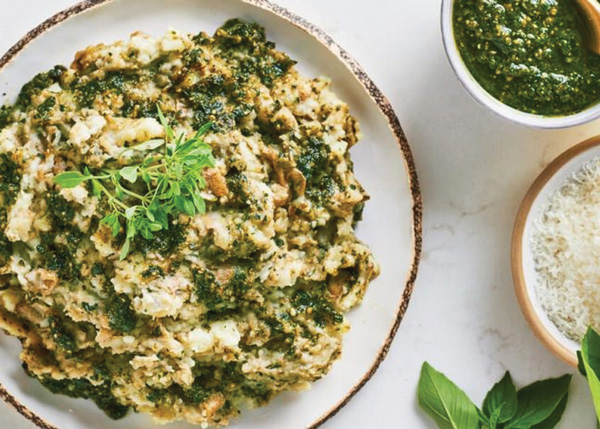
Basil Pesto Mashed Potatoes
Prep time: 5 minutes
Cook time: 20 minutes
Servings: 4
- 1 1/2 pounds Little Potatoes
- water
- 1 teaspoon salt, plus additional for seasoning, to taste, divided
- 2 1/2 cups fresh basil
- 4 cloves garlic
- 1/3 cup pine nuts
- 1/2 cup Parmesan, grated
- 2/3 cup olive oil
- pepper, to taste
- 1/2 cup milk
- 2 tablespoons butter
- Add potatoes to a large pot and cover with water. Add 1 teaspoon salt and bring to a boil for 15 minutes, or until potatoes are tender.
- In a food processor, place basil, garlic, pine nuts and Parmesan. Add oil and pulse until mixed then season with salt and pepper, to taste.
- In a small saucepot over low heat, heat milk and butter until butter is melted and milk is steaming.
- Once potatoes are cooked, strain and transfer to a medium mixing bowl.
- Using a potato masher, smash potatoes with milk and butter mixture then season with salt and pepper, to taste. Stir in pesto mixture.


SOURCE:
STM Daily News’ Food and Drink section highlights the stories, trends, flavors, and events shaping today’s food culture. From recipes to restaurant news, it keeps readers connected to what’s fresh and worth tasting.
Author
recipes
Go Green with a Fresh Spring Salad
Welcome spring with a refreshing Spring Greens Salad featuring mozzarella and a homemade lemon vinaigrette. This light dish offers a tasty alternative to heavier meals, perfect for enhancing your dining routine. Discover more spring recipes at Culinary.net.
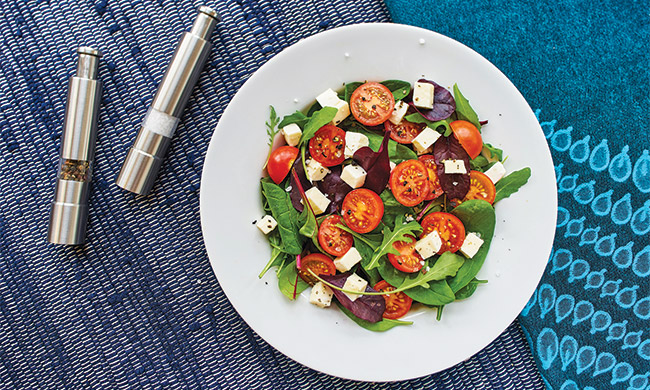
Go Green with a Fresh Spring Salad
(Feature Impact) While most people think of dirty kitchens, cramped closets and grimy garages when they hear “spring cleaning,” the popular phrase can apply to your menu, too. Refresh your family’s regular dining routines with fresh ingredients that call to mind the flavors of the season.
When it’s time to put the slow cooker away, consider this Spring Greens Salad with Mozzarella. Paired with an easy homemade lemon vinaigrette, it’s a delicious way to swap out heavier meals for a lighter lunch.
To find more springtime solutions, visit Culinary.net.
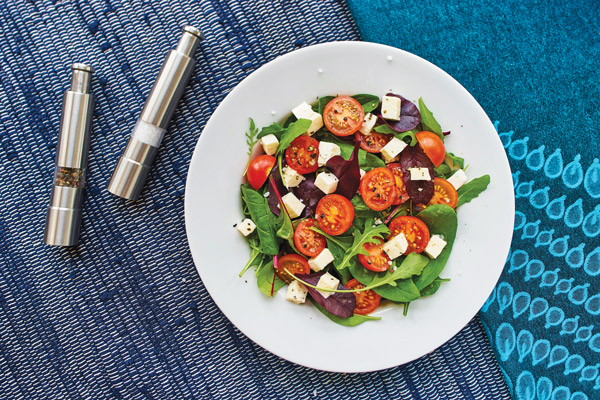
Spring Greens Salad with Mozzarella
Recipe adapted from Organic Authority
Servings: 4
- 4 cups baby arugula or spring mix
- 1/2 cup cubed mozzarella cheese
- 1 tablespoon lemon zest
- 2 tablespoons extra-virgin olive oil
- 1 tablespoon fresh lemon juice
- sea salt, to taste
- freshly ground black pepper, to taste
- halved cherry tomatoes (optional)
- In large mixing bowl, combine arugula or spring mix, mozzarella and lemon zest; set aside.
- In small bowl, whisk olive oil and lemon juice vigorously with fork until smooth. Season with salt and pepper, to taste.
- Pour vinaigrette over greens; toss gently to coat. Top with halved cherry tomatoes, if desired.
Photo courtesy of Unsplash


SOURCE:
Visit the Food and Drink section on STM Daily News for the latest food news, beverage trends, restaurant stories, seasonal recipes, culinary events, and community-driven lifestyle coverage.





