

Food and Beverage
Operation Good Food & Beverages Addresses Growing Health Crisis Through Launch of Youth-led Movement Counteracting Unhealthy Food Marketing

Last Updated on June 26, 2024 by Daily News Staff
Campaign is working with Black youth and influencers to promote healthier food options and calling on the National Restaurant Association to promote menu changes
BALTIMORE /PRNewswire/ — Today, the Council on Black Health, a research and action network dedicated to improving Black health nationwide, launched a new, national campaign, Operation Good Food & Beverages (OGF&B), to engage Black youth in a movement to promote healthier food and beverage options and counteract widespread unhealthy food marketing. OGF&B is an initiative by and for Black youth who recognize the history of unhealthy food marketing and speak out on the need for healthy foods and beverages to be more available and promoted in Black communities.
The effort is in partnership with HeartSmiles, the Center for Science in the Public Interest, and the Rudd Center for Food Policy and Health at the University of Connecticut, and with support from the Bloomberg American Health Initiative at the Johns Hopkins Bloomberg School of Public Health, and Evoke, a global brand, experience, and communications platform.
OGF&B addresses a growing and urgent health crisis in the Black community. According to the Centers for Disease Control and Prevention, Black communities experience a heavy burden of obesity, diabetes, and cardiovascular diseases. This is fueled in part by higher-than-average exposure of Black youth to the marketing of fast foods, sugary drinks, and other unhealthy products. Analyses from the Rudd Center for Food Policy and Health found that in 2019, Black youth viewed, on average, nearly three fast-food ads per day – 75 percent more than their White counterparts.
“Patterns of racially targeted marketing of unhealthy food and beverages have not improved to any significant degree despite decades of public health criticism and calls for companies to change them,” said Shiriki Kumanyika, PhD, MPH, a research professor at Drexel University’s Dornsife School of Public Health and a lead researcher for OGF&B. “We believe a positive approach that expresses Black community views about the benefits of healthy foods and connects good foods to Black culture can spark change.”
Healthy eating has long played an influential role in Black communities. During the Civil Rights Movement, plant-based diets were central to many Black activists who saw the diet as a pathway to Black health and liberation. Today, for reasons from achieving health goals to connecting with African heritage, Black youth are among those spearheading the plant-based movement, with 50 percent of vegans identifying as Black or Latino.
OGF&B highlights the positive impact marketing of healthy foods and beverages can have on Black community health and well-being through the eyes of Black youth, who have contributed directly to the project through development of the website and social media channels, including content and videos. The campaign’s new website features community-inspired and nutritionist-approved recipes that can be used as part of a seven-day healthy food challenge, and it is working with Black influencers on TikTok and Instagram to help amplify the message. The campaign is also calling on the National Restaurant Association, via a petition on Change.org, to encourage its 380,000 member restaurants to apply existing Kids LiveWell nutrition standards to menu items that are popular with Black youth up to age 18 instead of the current age 12 and commit to promoting these healthier options. Through these efforts, OGF&B aims to amplify Black youth voices. and tackle an ongoing problem.
“Black youth will be the voice of this movement, but we all have a role to play,” said Kumanyika. “We hope that parents, advocates, advertisers, restaurants, food and beverage companies, celebrities and policymakers will all step up and join us to say now is the time to promote better food and beverage options in our communities. Our youth deserve it.”
ABOUT OPERATION GOOD FOOD & BEVERAGES
Operation Good Food & Beverages was developed with youth leadership from HeartSmilesMD, an enrichment and leadership development program serving youth in Baltimore’s most underserved communities, and is a project launched by the Council on Black Health, a research and action network dedicated to improving Black health nationwide. Support is provided by the Bloomberg American Health Initiative. Learn more at operationgoodfb.com and follow the campaign on TikTok and Instagram.
ABOUT THE BLOOMBERG AMERICAN HEALTH INITIATIVE
Through education, research, and practice, the Bloomberg American Health Initiative aims to impact five challenges to the nation’s health: addiction and overdose, adolescent health, environmental challenges, obesity and the food system, and violence. One part of the Initiative, the Bloomberg Fellows Program, offers full scholarships for MPH and DrPH degrees for individuals working on the front lines to advance health in the U.S. The Initiative was founded with a gift from Bloomberg Philanthropies in honor of the centennial of the Johns Hopkins Bloomberg School of Public Health. Learn more at americanhealth.jhu.edu.
ABOUT EVOKE
Evoke provided several pro bono services for the OGF&B campaign including creative, strategic, and social media direction along with media buying. Evoke is a leading global brand, experience, and communications platform, purpose-built to make health more human™. Organized by global practice areas and specialty agencies, Evoke uses data-driven insights, creativity, and applied innovation to solve the most complex of challenges in today’s healthcare market. Evoke is a platform for clients, talent, and the communities they serve to unlock their full potential. For more information, visit Evokegroup.com.
SOURCE Operation Good Food & Beverages
At our core, we at STM Daily News, strive to keep you informed and inspired with the freshest content on all things food and beverage. From mouthwatering recipes to intriguing articles, we’re here to satisfy your appetite for culinary knowledge.
Visit our Food & Drink section to get the latest on Foodie News and recipes, offering a delightful blend of culinary inspiration and gastronomic trends to elevate your dining experience.
https://stmdailynews.com/category/food-and-beverage
You can also find food and beverage-related videos on our YouTube channel, where we regularly post new content and share tips, recipes, and demonstrations. https://youtube.com/playlist?list=PLEhXBupt8tVynuUhpQZMxQt4lvPmOiAtQ&si=InDwc7YaB0KIwmxy
The Bridge is a section of the STM Daily News Blog meant for diversity, offering real news stories about bona fide community efforts to perpetuate a greater good. The purpose of The Bridge is to connect the divides that separate us, fostering understanding and empathy among different groups. By highlighting positive initiatives and inspirational actions, The Bridge aims to create a sense of unity and shared purpose. This section brings to light stories of individuals and organizations working tirelessly to promote inclusivity, equality, and mutual respect. Through these narratives, readers are encouraged to appreciate the richness of diverse perspectives and to participate actively in building stronger, more cohesive communities.
https://stmdailynews.com/category/the-bridge
Author

Discover more from Daily News
Subscribe to get the latest posts sent to your email.


Food and Beverage
Create Little Moments of Happiness This Spring with Family-Friendly Potato Recipes
As spring encourages outdoor activities, The Little Potato Company offers time-saving products, like pre-washed Little Potatoes and crispy snacks. Enjoy convenient family meals and enter their sweepstakes for a chance to win travel and grocery prizes.

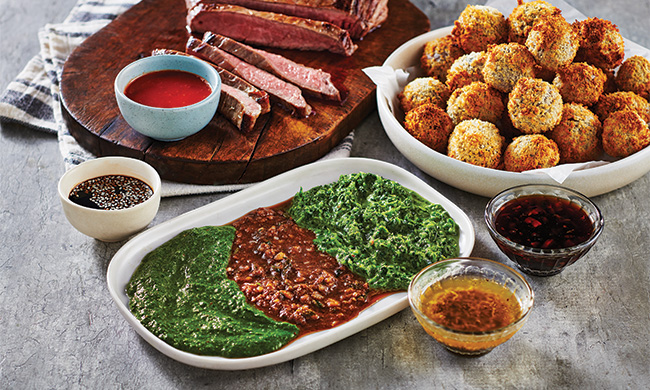
(Feature Impact) As the weather breaks and spring brings increased opportunities for families to get outside, activities, adventures and jam-packed calendars abound. All those special moments spent at the park, the sports field or in the backyard may leave lasting memories, but they can also leave you feeling short on time in the kitchen.
Bring a little moment of happiness to busy family mealtimes during the spring season with The Little Potato Company’s line of easy-to-prepare Little Potatoes. They come pre-washed, require no peeling and are small enough that they don’t need to be cut, allowing for less time in the kitchen and more family time around the table as the days get longer – no extra spring cleaning required. For an added helping of convenience, their Microwave Ready Little Potato Kits come with delicious seasoning packs; simply pop into the microwave, sprinkle on the included seasoning and enjoy.
For a fun after-school or game-night snack, these Crispy Air Fryer Potato Nuggets pair perfectly with a variety of delicious dips. The air fryer cooks the potatoes in minutes, creating a crispy snack with minimal prep – no chopping or peeling needed.
Or you can make a delicious side dish a cinch with pesto, which adds a bright, flavorful twist to a classic in these Basil Pesto Mashed Potatoes. They pair perfectly with everyday family meals using Little Potatoes that require no chopping or peeling thanks to their naturally thin skins, helping cut down on prep time while bringing fresh flavor to the dinner table.
To help fuel families’ spring vacation plans and everyday meals, The Little Potato Company is giving you a chance to enter a sweepstakes through May 25 to win a $10,000 travel voucher with additional prizes including 10 grocery gift cards valued at $1,000.
Enter the sweepstakes at TheLittleSpringtimeSweeptakes.com, and find more ways to make spring meals a breeze by visiting LittlePotatoes.com.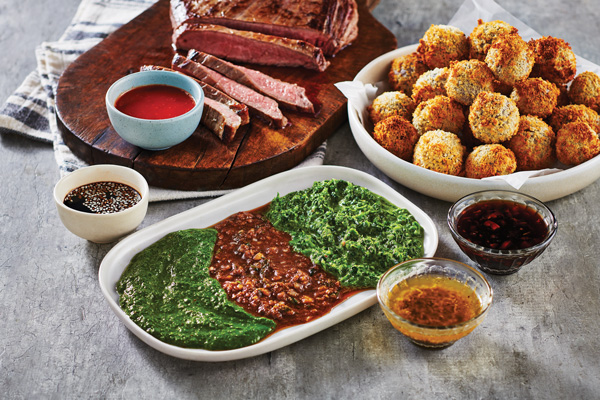
Crispy Air Fryer Potato Nuggets and Dip
Prep time: 10 minutes
Cook time: 24 minutes
Servings: 4
Potatoes:
- 1 cup all-purpose flour
- 1 teaspoon salt
- 1 teaspoon garlic powder
- 1/2 teaspoon pepper
- 1 cup milk
- 1 1/2 cups panko breadcrumbs
- 1 1/2 pounds Little Potatoes
Chimichurri:
- 1 bunch cilantro
- 1 bunch parsley
- 3 limes, juice only
- 2 tablespoons honey
- 2 teaspoons salt
- 1/2 teaspoon pepper
- 1 teaspoon chili flakes
- 1 cup canola oil
- Heat air fryer to 390 F.
- To make potatoes: In a shallow bowl, combine flour, salt, garlic powder and pepper. Whisk in milk until smooth.
- Place panko in a separate shallow bowl.
- Working in batches, coat potatoes in batter then toss in panko until fully coated.
- Place potatoes in the air fryer and cook 24 minutes, flipping halfway.
- To make chimichurri: In a blender, blend cilantro, parsley, lime juice, honey, salt, pepper, chili flakes and canola oil until smooth.
- Serve potato nuggets with chimichurri.
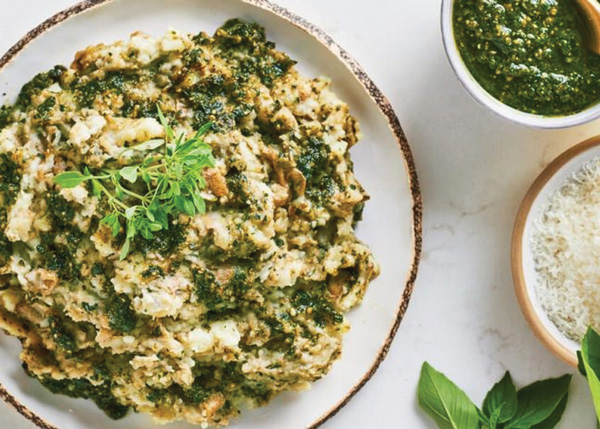
Basil Pesto Mashed Potatoes
Prep time: 5 minutes
Cook time: 20 minutes
Servings: 4
- 1 1/2 pounds Little Potatoes
- water
- 1 teaspoon salt, plus additional for seasoning, to taste, divided
- 2 1/2 cups fresh basil
- 4 cloves garlic
- 1/3 cup pine nuts
- 1/2 cup Parmesan, grated
- 2/3 cup olive oil
- pepper, to taste
- 1/2 cup milk
- 2 tablespoons butter
- Add potatoes to a large pot and cover with water. Add 1 teaspoon salt and bring to a boil for 15 minutes, or until potatoes are tender.
- In a food processor, place basil, garlic, pine nuts and Parmesan. Add oil and pulse until mixed then season with salt and pepper, to taste.
- In a small saucepot over low heat, heat milk and butter until butter is melted and milk is steaming.
- Once potatoes are cooked, strain and transfer to a medium mixing bowl.
- Using a potato masher, smash potatoes with milk and butter mixture then season with salt and pepper, to taste. Stir in pesto mixture.


SOURCE:
STM Daily News’ Food and Drink section highlights the stories, trends, flavors, and events shaping today’s food culture. From recipes to restaurant news, it keeps readers connected to what’s fresh and worth tasting.
Author

Discover more from Daily News
Subscribe to get the latest posts sent to your email.
recipes
Go Green with a Fresh Spring Salad
Welcome spring with a refreshing Spring Greens Salad featuring mozzarella and a homemade lemon vinaigrette. This light dish offers a tasty alternative to heavier meals, perfect for enhancing your dining routine. Discover more spring recipes at Culinary.net.
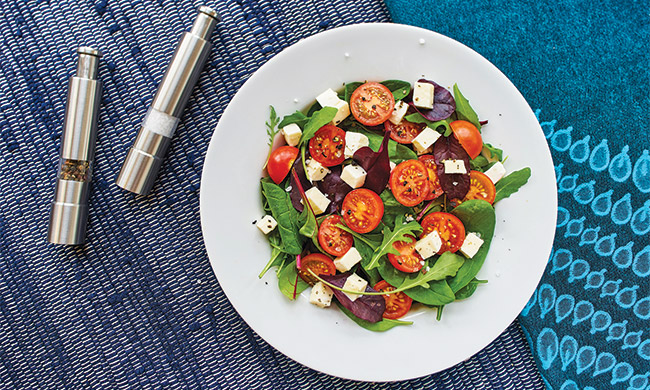
Go Green with a Fresh Spring Salad
(Feature Impact) While most people think of dirty kitchens, cramped closets and grimy garages when they hear “spring cleaning,” the popular phrase can apply to your menu, too. Refresh your family’s regular dining routines with fresh ingredients that call to mind the flavors of the season.
When it’s time to put the slow cooker away, consider this Spring Greens Salad with Mozzarella. Paired with an easy homemade lemon vinaigrette, it’s a delicious way to swap out heavier meals for a lighter lunch.
To find more springtime solutions, visit Culinary.net.
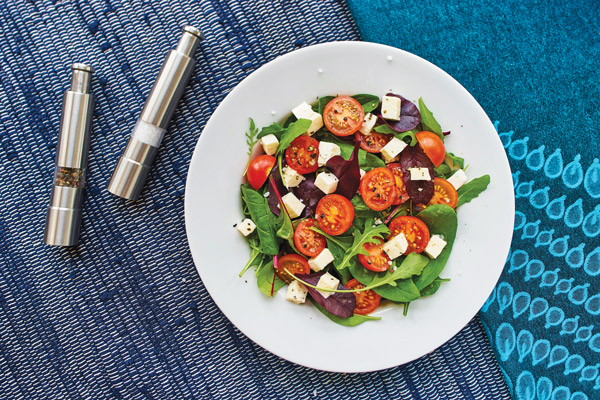
Spring Greens Salad with Mozzarella
Recipe adapted from Organic Authority
Servings: 4
- 4 cups baby arugula or spring mix
- 1/2 cup cubed mozzarella cheese
- 1 tablespoon lemon zest
- 2 tablespoons extra-virgin olive oil
- 1 tablespoon fresh lemon juice
- sea salt, to taste
- freshly ground black pepper, to taste
- halved cherry tomatoes (optional)
- In large mixing bowl, combine arugula or spring mix, mozzarella and lemon zest; set aside.
- In small bowl, whisk olive oil and lemon juice vigorously with fork until smooth. Season with salt and pepper, to taste.
- Pour vinaigrette over greens; toss gently to coat. Top with halved cherry tomatoes, if desired.
Photo courtesy of Unsplash


SOURCE:
Visit the Food and Drink section on STM Daily News for the latest food news, beverage trends, restaurant stories, seasonal recipes, culinary events, and community-driven lifestyle coverage.
Discover more from Daily News
Subscribe to get the latest posts sent to your email.
Food and Beverage
JonnyPops Launches Refreshing New “No Sugar Added with Electrolytes” Mini Frozen Pops
JonnyPops is launching No Sugar Added with Electrolytes mini frozen pops—an organic, dye-free treat with hydration support—coming April 2026.

Last Updated on March 31, 2026 by Daily News Staff

JonnyPops Launches Refreshing New “No Sugar Added with Electrolytes” Mini Frozen Pops.
JonnyPops Launches Refreshing New “No Sugar Added with Electrolytes” Mini Frozen Pops
A better-for-you frozen treat meets hydration support in a grab-and-go mini format. If you’ve ever reached for something cold after a workout, a long day outside, or when you’re just not feeling 100%, you’re not alone — and JonnyPops says its fans have been telling that story for a while. The Minnesota-based frozen treat brand announced it’s expanding its No Sugar Added Minis lineup with a new option designed to be both refreshing and functional: JonnyPops “No Sugar Added with Electrolytes” mini frozen pops.Fans asked for hydration-friendly pops — JonnyPops listened
According to the company, the new product was inspired by emails and social media comments from customers who were already using JonnyPops as a simple way to cool down and feel a little more hydrated. JonnyPops says consumers shared stories about playing sports in the heat, spending time outdoors, or recovering from an illness — and how a frozen treat with hydration support would be the perfect pop for those moments. That feedback led the brand to add electrolytes to its popular No Sugar Added Minis.What’s inside the new minis
JonnyPops says the new “No Sugar Added with Electrolytes” minis are built around the same standards fans expect from the brand, including:- Organic ingredients
- No artificial dyes
- No added sugar
- Electrolytes for hydration support
- Layered flavors designed for a fun, refreshing bite
When you can find them
JonnyPops says the new minis are expected to hit stores in April 2026. For updates on availability and additional product news, visit www.jonnypops.com and follow JonnyPops on social media.About JonnyPops
JonnyPops’ tagline is “A Better Pop for a Better World!™” and the company says its mission is to make “delicious, magical products” while helping make the world a kinder place. The brand notes its pops are free from artificial dyes, made in a peanut-free facility, and include a kind deed printed on every pop stick. JonnyPops was founded in a St. Olaf College dorm room and sold its first pops at Twin Cities farmers’ markets and local cafes in 2012. Today, the company employs 200+ people, produces its frozen pops in-house, and is sold through major retailers across all 50 states. Learn more at jonnypops.com or follow @jonnypops on Instagram.Media contact
JonnyPops@dkcnews.comAt our core, we at STM Daily News, strive to keep you informed and inspired with the freshest content on all things food and beverage. From mouthwatering recipes to intriguing articles, we’re here to satisfy your appetite for culinary knowledge.
Visit our Food & Drink section to get the latest on Foodie News and recipes, offering a delightful blend of culinary inspiration and gastronomic trends to elevate your dining experience. https://stmdailynews.com/food-and-drink/
Authors

Discover more from Daily News
Subscribe to get the latest posts sent to your email.





