

Foodie News
SAVANNAH BUFFETT NAMED GODMOTHER OF MARGARITAVILLE AT SEA ISLANDER
Daughter of Late Jimmy Buffett To Join Christening Ceremony in June

Last Updated on September 21, 2025 by Daily News Staff
TAMPA, Fla., May 15, 2024 /PRNewswire/ — Margaritaville at Sea has named Savannah Buffett, daughter of the late singer, songwriter, best-selling author, and sailor Jimmy Buffett, as Godmother of its newest ship, Margaritaville at Sea Islander. Debuting in June, the inaugural sailing will take place June 14 on a 4-night itinerary from Port Tampa Bay, featuring a stop in Cozumel, Mexico and two fun-filled sea days.
MARGARITAVILLE AT SEA
“I’m beyond excited to be named Godmother of Margaritaville at Sea Islander and look forward to rendering the right concoction of love and luck so she may plow the seas amidst smooth, untroubled waters in search of that one particular harbor,” exclaimed Savannah Buffett. “As a descendent of captains and boat builders, I accept this honor in tribute to the legacy of my seafaring ancestors. Cheers to many a lovely cruise!”
Savannah spent much of her childhood traveling on seaplanes, sailboats, and tour buses with her father. Raised amidst the rhythm of the waves and the allure of sandy shores, Savannah’s childhood was immersed in maritime culture.
From acting and literature to music history and photography, she delved into a myriad of disciplines, drawing inspiration from her father’s diverse range of talents. Throughout her career, she’s worn numerous hats, serving as a creative and musical consultant, hosting her own radio show on SiriusXM’s Radio Margaritaville, and co-authoring two children’s books with her father, “Jolly Mon” and “Trouble Dolls.” Amidst her array of achievements and passion for discovery, Savannah holds her lifelong bond with her father as her most beloved treasure.
“Jimmy would be thrilled that Savannah is the Godmother of the Islander,” noted John Cohlan, CEO of Margaritaville Holdings and Buffett’s partner of 28 years. “With his eldest daughter holding this honor, the christening of the Islander will be a very, very special day for all of us.”
With four to seven-night cruises to Key West, Cozumel, and Progreso, Margaritaville at Sea Islander will span 12 passenger decks accommodating 2,650 passengers. The more than 250,000 guests who have sailed aboard the Palm Beach-based Margaritaville at Sea Paradise will find several familiar favorites, including Paradise Pickleball at Sea, Frank and Lola’s Pizzeria, and Cheeseburger in Paradise as well as unforgettable new spaces and experiences to explore like the world’s only three-story LandShark Bar, Mexican Cutie Cantina, a Margaritaville-inspired cornhole and mini-golf course, and new family-friendly spaces like the Caribbean Amphibian Play Pad and Slide.
“We are honored to have Savannah as the Godmother of the Islander as she embodies the lifestyle Jimmy was passionate about: life on the water, great food, entertainment, and everything our guests have come to enjoy while vacationing with Margaritaville at Sea,” shared Christopher Ivy, CEO of Margaritaville at Sea.
Currently finalizing an extensive transformation, Margaritaville at Sea has redesigned all 1,105 staterooms with all new furnishings and custom styling reminiscent of the sand, sea, and sky. With more than 700 Breezy Balcony staterooms, Grand Terrace Suites, luxurious Corner Suites, and ultra-exclusive Signature Grand Suites, couples, families, and friends alike can chase the sunset from their spacious balconies with endless gulf breezes.
Guests can visit MargaritavilleatSea.com for more information and reservations. Stay up to date with ship offers, special events, and more by following Margaritaville at Sea on Facebook and Instagram.
About Margaritaville at Sea
Margaritaville at Sea brings Margaritaville’s iconic hospitality to the open ocean for a one-of-a-kind offshore vacation experience. The cruise line’s maiden vessel, the Margaritaville at Sea Paradise, offers easy-breezy getaways from Palm Beach to Grand Bahama Island, while the new flagship vessel, the Margaritaville at Sea Islander, will set sail June 2024 out of Port Tampa Bay on four- and five-night adventures to Key West and Mexico and six- and seven-night voyages in 2025 to island hot spots of Belize, Jamaica and Grand Cayman. Guests aboard Margaritaville at Sea can relax and unwind in comfort, featuring a range of fully redesigned suites, and balcony, ocean view and interior staterooms dressed in nautical details and colors inspired by the sea, sand, and sky. The ships also feature numerous inclusive and specialty dining restaurants centered around chef-crafted, island-inspired cuisine, uniquely themed bars and lounges that provide non-stop live entertainment paired with premium cocktails, kids’ clubs and arcades, the action-packed Margaritaville Casino, the St. Somewhere Spa & Salon, multiple pools, hot tubs, and plenty of quiet spaces to soak up the Caribbean sun. Sail away to an island state of mind at MargaritavilleAtSea.com.
SOURCE Margaritaville at Sea
Author


Last Updated on April 4, 2026 by Daily News Staff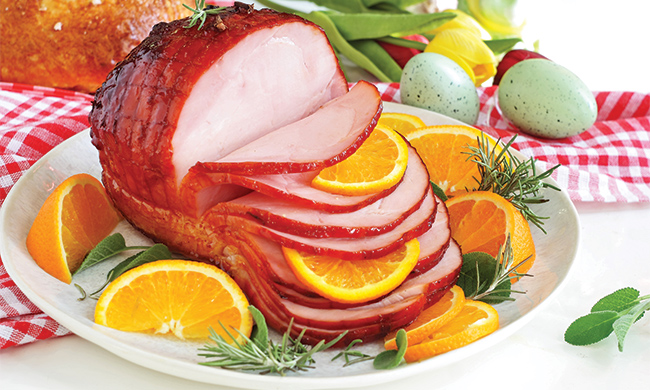
(Feature Impact) When your kitchen is full of colorful eggs, candy baskets, tempting sweets and all that comes with Easter, sometimes a holiday classic is just the answer for simplifying the season. Perfect for pairing with deviled eggs, potato salad and a traditional Sunday feast, this Maple-Glazed Easter Ham provides a hands-off approach to the main dish.
With an easily prepared glaze and your oven doing most of the work, you can keep your attention on time spent with loved ones. Visit Culinary.net to find more seasonal favorites, both classic and contemporary.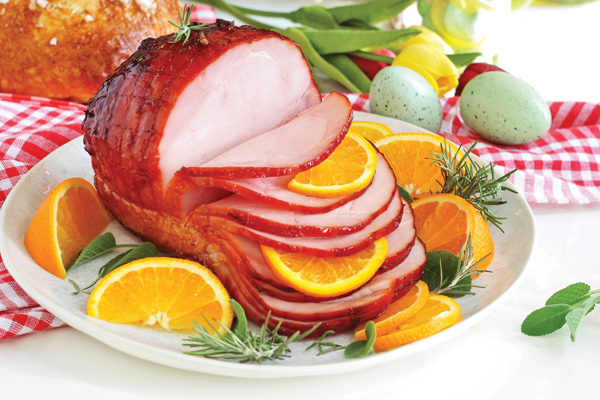
Maple-Glazed Easter Ham
Recipe adapted from Southern Living
Total time: 3 hours
Servings: 10
- 1 bone-in spiral-cut ham (8-9 pounds)
- 1 cup pure maple syrup
- 1/2 cup packed dark brown sugar
- 1/2 cup (4 ounces) bourbon
- 1/2 teaspoon grated fresh ginger
- 1/4 teaspoon ground cinnamon
- orange slices and wedges, for garnish
- fresh rosemary sprigs, for garnish
- Preheat oven to 350 F.
- Place ham in large roasting pan and fill with 1/2 inch of water. Cover pan with aluminum foil and bake about 2 hours, basting every 30 minutes with juices from pan, until meat registers 120 F at thickest portion.
- In medium saucepan over medium-high heat, stir maple syrup, brown sugar, bourbon, ginger and cinnamon; bring to boil. Cook, stirring occasionally, until thickened, 6-8 minutes. Remove from heat. Cover to keep warm and set aside.
- Remove ham from oven and discard foil. Increase oven temperature to 400 F. Using pastry brush, glaze ham with 1/3 cup maple-bourbon mixture.
- Bake ham about 30 minutes until top is lightly caramelized and meat registers 145 F at thickest portion, brushing with remaining glaze every 10 minutes.
- Remove from oven and transfer ham to serving platter. Let rest 15 minutes and garnish with orange slices, orange wedges and rosemary sprigs.
Photo courtesy of Shutterstock

SOURCE:
At our core, we at STM Daily News, strive to keep you informed and inspired with the freshest content on all things food and beverage. From mouthwatering recipes to intriguing articles, we’re here to satisfy your appetite for culinary knowledge.
Visit our Food & Drink section to get the latest on Foodie News and recipes, offering a delightful blend of culinary inspiration and gastronomic trends to elevate your dining experience. https://stmdailynews.com/food-and-drink/


If you needed a reason to celebrate your favorite wrapped meal, here it is.
National Burrito Day is observed every year on the first Thursday of April—a moving food holiday that always lands just in time to kick off spring cravings.
In 2026, National Burrito Day fell on April 2, giving burrito lovers across the U.S. the perfect midweek excuse to indulge.
A Quick Bite of History
While the burrito itself has deep roots in Mexican cuisine, the modern celebration of National Burrito Day is largely driven by restaurants and food brands that turned it into an annual event—complete with deals, giveaways, and social media buzz.
Today, it’s widely embraced by chains like Chipotle Mexican Grill and Qdoba Mexican Eats, along with local taquerías that join in the celebration.
Why It Matters (Beyond the Food)
National Burrito Day is more than just a marketing holiday—it reflects how a simple, portable dish became a staple of American food culture.
From classic bean-and-cheese to fully loaded carne asada burritos, the options are endless—and so are the reasons to celebrate.
External Related Reading
- National Day Calendar: National Burrito Day
- Smithsonian Magazine: A Brief History of the Burrito
- Chipotle Mexican Grill – Official Website
- Qdoba Mexican Eats – Official Website
Related Reading
Food and Beverage
Survey Finds Cooking Oil Now Influences Where Many Americans Choose to Eat
A new survey suggests cooking oil is no longer just a kitchen detail. Coast Packing found that 43% of Americans say a restaurant’s cooking oil influences where they choose to eat.

Last Updated on April 2, 2026 by Daily News Staff

New national survey data suggests cooking oil is becoming a visible factor in restaurant selection, with younger diners showing the strongest preferences.
A new national survey suggests that cooking oil is no longer just a back-of-house decision for restaurants. It is increasingly becoming part of how consumers decide where to eat.
According to new data released by Coast Packing Company, 43% of Americans say a restaurant’s cooking oil influences their dining choice. The survey, based on responses from 1,005 U.S. consumers, points to a clear shift in how ingredient decisions are perceived by the public.
The strongest signal comes from younger diners. Among adults ages 18 to 34, 52% say knowing whether a restaurant uses Beef Tallow or seed oils affects where they choose to eat. Among consumers 55 and older, that number falls to 33%.
The preference gap also shows up when diners are asked to choose between two otherwise identical restaurants. In that scenario, 31% of adults ages 18 to 34 say they would choose the restaurant using Beef Tallow, compared with 19% of adults 55 and older.
The survey also found that 24.7% of diners prefer restaurants to use traditional animal fats such as butter or Beef Tallow, while 15.6% prefer seed or vegetable oils. That suggests ingredient choices once treated mainly as operational decisions may now be influencing brand perception, menu appeal, and customer loyalty.
For restaurant operators, the findings point to a broader change in consumer behavior. Diners, especially younger ones, appear increasingly interested in how food is prepared and what ingredients are used behind the scenes. That shift aligns with wider food industry trends that emphasize transparency, flavor, and traditional preparation methods.
Coast Packing says the data builds on years of tracking consumer attitudes toward animal fats. Earlier research showed growing openness to ingredients such as Lard and Beef Tallow, particularly among younger consumers who associate them with flavor and old-school cooking. This latest survey goes a step further by suggesting those views are now influencing actual dining behavior.
The findings also match broader market signals. Whole Foods Market’s 2026 food trend forecast identified Beef Tallow as an emerging ingredient gaining visibility, while analysts continue to project growth in the global tallow sector through 2030.
Restaurants are unlikely to overhaul kitchen practices overnight. Still, the survey suggests cooking oil is becoming more than a technical ingredient choice. For a growing share of consumers, it is part of the dining experience itself.
For more information, visit Coast Packing Company.
External Links
- Back to Flavor, Back to Tallow white paper
- Email to request the full survey results
- Coast Packing Company official website
- Coast Packing TasteMap
- Healthy Fats Coalition
Visit the Food and Drink section on STM Daily News for the latest food news, beverage trends, restaurant stories, seasonal recipes, culinary events, and community-driven lifestyle coverage.





