

STM Blog
The Palm Beaches: Unforgettable Upgrades for 2024
“Experience the enhanced Palm Beaches with new developments, upgraded amenities, and unforgettable visitor experiences in 2024. Discover Southeast Florida’s vibrant gem!”

Last Updated on June 29, 2024 by Daily News Staff
WEST PALM BEACH, Fla. – The Palm Beaches, America’s First Resort Destination®, is gearing up to offer visitors an unforgettable vacation experience in 2024. With a commitment to enhancing the already vibrant atmosphere, the region is investing over $1 billion in new developments, ensuring that tourists have access to the best of what this Southeast Florida paradise has to offer.
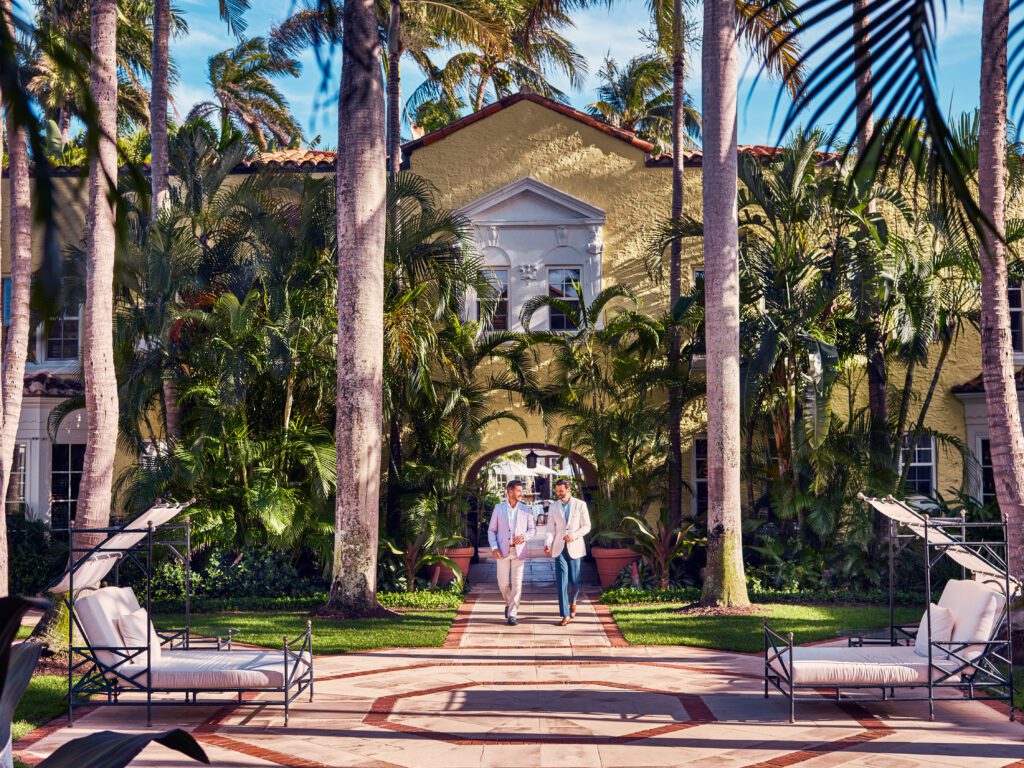
One of the key highlights of the Palm Beaches’ transformation is the influx of new and revamped hotels. Visitors can look forward to chic and luxurious accommodations that cater to a variety of tastes and preferences. From boutique hotels to high-end resorts, there will be something for everyone, promising an unparalleled level of comfort and style.
In addition to top-notch lodging options, the region is also embracing the culinary scene with cutting-edge dining experiences. Food enthusiasts will be delighted by the array of innovative restaurants and eateries that will showcase the diverse flavors and cuisines of the Palm Beaches. Whether you’re seeking a Michelin-starred meal or a casual beachfront dining experience, the options are endless.
Furthermore, the Palm Beaches are dedicated to providing an array of enticing attractions for visitors to enjoy. From world-class golf courses and pristine beaches to cultural landmarks and vibrant entertainment districts, there will be no shortage of activities to keep tourists engaged and captivated.
To ensure convenient access to these exciting developments, transportation options are being enhanced. Whether you choose to fly into Palm Beach International Airport or arrive by car, improved infrastructure and transportation services will make it easier than ever to explore the region and its myriad offerings.
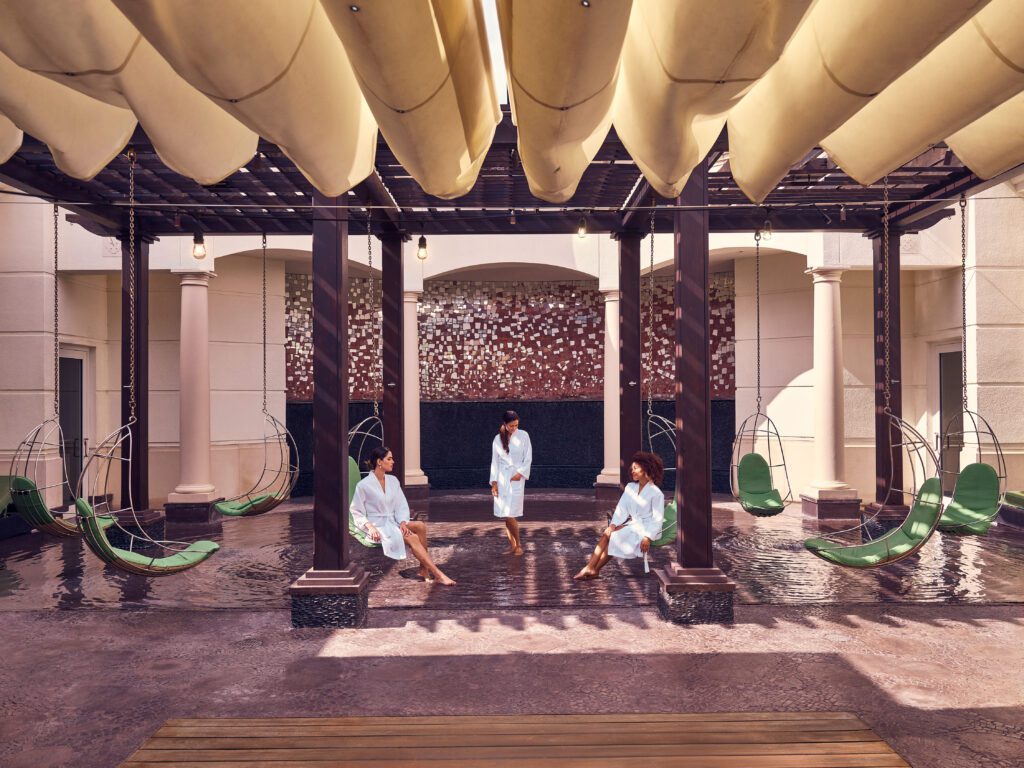
As 2024 approaches, the Palm Beaches are poised to deliver an enhanced and unforgettable visitor experience. With new developments, upgraded amenities, and a commitment to excellence, this iconic destination is ready to welcome travelers from around the globe. Whether you seek relaxation, adventure, or a taste of luxury, the Palm Beaches will undoubtedly exceed your expectations.
Several prominent resorts and hotels in The Palm Beaches are undergoing substantial transformations, amplifying the guest experience.
- Jupiter Beach Resort & Spa recently completed an extensive renovation, unveiling 175 revamped guest rooms and suites, upgraded banquet spaces, and the all-new Latitudes restaurant, accompanied by a variety of amenities, including a dedicated kids club.
- Hilton West Palm Beach, adjacent to the Palm Beach County Convention Center, is on track for a grand reopening in November following a $25 million renovation, encompassing refreshed guestrooms, revamped dining options like the Galley with an exciting new menu, an inviting pool deck, added cabanas, a stylish lobby bar, and wellness activities.
- Tideline Ocean Resort & Spa, nestled along the south Palm Beach waterfront, is also preparing to reopen this November following a $20 million renovation, focusing on modernized guest rooms, updated dining venues, and refreshed common areas.
- Palm Beach Marriott Singer Island Resort & Spa is in the midst of a multimillion-dollar renovation slated for completion later this year, embracing a contemporary open-space layout while modernizing its restaurant, lobby, marketplace, bar, and lounge.
- Hilton Singer Island Oceanfront Palm Beaches Resort is set to redefine luxury, re-emerging in January 2024 as “The Singer Oceanfront Resort,” complete with rejuvenated guestrooms, innovative dining concepts, enhanced meeting spaces, and a picturesque beachfront bar.
- Flagler Club at The Breakers Palm Beach will unveil a luxurious makeover this fall, promising an ultra-luxury boutique experience with a modern aesthetic by esteemed atelier Tihany Design and exclusive guest benefits, including dedicated staff, complimentary transportation, exclusive food and beverage options, and more poised to elevate and enrich the guest experience.
Exciting updates also await guests in The Palm Beaches this season, as several hoteliers unveil enticing offerings.
- PGA National Resort leads the way with a new charter boat, beekeeping experience, pickleball courts, and rejuvenating spa treatments.
- The Colony Hotel introduces the goop Villa, a collaboration with Gwyneth Paltrow’s brand and Ronen Lev, offering a revitalizing escape complete with goop beauty products and special menu options at the Pink Paradise Café and Swifty’s Restaurant.
- AKA West Palm presents Body+Beauty Lab med spa for exclusive cosmetic treatments, while even furry companions can indulge in the recently opened AKA Pet Spa, powered by D is for Dog.
TEEING UP NEW EXPERIENCES IN FLORIDA’S ACCLAIMED GOLF CAPITAL
- The Park, West Palm Beach’s latest 200-acre public golf haven, recently opened, featuring a nine-hole par three course, an 18-hole putting course, a kids-only golf area, and a cutting-edge two-sided driving range with Top Tracer technology, designed pro bono by PGA Tour Coach, Darren May.
- Via Mizner Golf & City Club, the all-new private club in Boca Raton, offers two refined member experiences – a Jack Nicklaus Signature course with 18 championship holes at The Golf Club and an exclusive hub for social gatherings and upscale relaxation at The City Club.
- PopStroke, an extraordinary mini-golf experience backed by Tiger Woods, introduces three state-of-the-art locations in Delray Beach (2023), West Palm Beach (2024), and Wellington (2024), featuring synthetic turf putting courses with fairways and bunkers akin to traditional golf courses.
- TGL, a pioneering golf league in partnership with the PGA TOUR, promises a new dimension in golf entertainment that will revolutionize the sport, focusing on innovation, technology, and engaging fan experiences. The purpose-built SoFi Center at Palm Beach State College will serve as a groundbreaking venue, seamlessly blending a data-rich virtual course with a one-of-a-kind short game complex, offering a distinctive and immersive experience for both on-site spectators and viewers worldwide.
A VIBRANT ARRAY OF ART AND ATTRACTIONS
- The Norton Museum of Art will delve into impressionist and modern masterpieces at the “Artists in Motion: Impressionist and Modern Masterpieces from the Pearlman Collection” exhibit, now through Feb 18, 2024.
- The Flagler Museum will present the evolution of technology through time with “Bicycles: Technology that Changed the World” and the Art Nouveau aesthetic with “Alphonse Mucha: Master of Art Nouveau,” now through Dec. 17, 2023.
- The Historical Society of Palm Beach County will present “Endless Summer: Palm Beach Resort Wear” at The Richard and Pat Johnson Palm Beach County History Museum, exploring The Palm Beaches’ impact on fashion history, Nov. 9 through May 25, 2024.
- Mounts Botanical Garden will enchant visitors with “Origami in the Garden,” an artistic marvel by Santa Fe artists Jennifer and Kevin Box, featuring 20 larger-than-life sculptures inspired by the ancient Japanese art of origami coming Jan. 7 to May 12, 2024.
- Busch Wildlife Sanctuary at Abramson & Schlaggar Reserve expands to a larger location in Jupiter Farms, a testament to their commitment to wildlife conservation and education. The newly opened facility is a haven designed to elevate the visitor experience, featuring spacious habitats, interactive exhibits, and a fully equipped wildlife rehab center, ensuring the utmost care for the animals under their protection.
- The Royal Poinciana Plaza Après Beach gives the après scene a Palm Beach twist on Sunday afternoons this season, starting November through January, with cabanas styled by Royal retailers amidst a lush courtyard complete with bubbles, bites, and beats.
A SIZZLING CULINARY SCENE
- The James Beard Award‘s ‘Best Chef’ in the South category for 2023 honored five new Palm Beach County chefs as semifinalists for the coveted award. Adding to an already impressive list of award-winning chefs, the distinguished chefs making this prestigious list include Jeremy and Cindy Bearman of Oceano Kitchen, the creative genius Rick Mace of Tropical Smokehouse, the culinary virtuoso Pushkar Marathe of Stage Kitchen & Bar, and the exceptional Lojo Washington of Queen of Sheeba.
- The Palm Beach Food and Wine Festival is the ultimate treat for avid food enthusiasts, set to dazzle with a four-day extravaganza of culinary delights from Dec. 7-10. The 16th annual festival is now partnering with Wine Spectator to increase its wine capabilities with more than 60 wine tables at the popular Grand Tasting event, is hosting seven new events in 2023, and is expanding its footprint throughout The Palm Beaches with a kick-off party in Boca Raton.
- Café Boulud, Chef Daniel Boulud’s famed Palm Beach outpost, now offers daily afternoon tea with a French twist featuring a picturesque setting with a menu of Instagram-worthy specialty teas, mini madeleines, and scones, as well as mouthwatering and perfectly proportioned savory and sweet bites, thoughtfully fashioned by Executive Pastry Chef Julie Franceschini.
- The Palm Beaches are buzzing with the arrival of over a dozen new culinary hotspots including The Jupiter Grill by the celebrated Chef Paul Niedermann, winner of “Hell’s Kitchen” in 2012, The House, a culinary jewel nestled within The Park, West Palm Beach’s latest golf haven, under the guidance of top chef Jason Van Bomel, and Pink Steak a modern steakhouse in West Palm Beach with a retro-chic Florida vibe by Julien Gremaud, the creative mind behind the beloved Avocado Grill.
- Highly-acclaimed New York transplants are also making a mark, including Harry’s, Adrienne’s Pizzabar and Felice at The Square in West Palm Beach, Gallaghers Steakhouse in Boca Raton, and soon, Campi by acclaimed restaurateur Curt Huegel at The Ray Hotel in Delray Beach. Additional famed eateries from the northeast set to open in 2024 include Tutto Mare, a Mediterranean concept by the Tutto il Giorno restaurant group that will open at The Royal Poinciana Plaza as Palm Beach’s first and only intra-coastal waterfront destination, and Maman, a French café and bakery at The Square.
- More fresh dining experiences on the menu for 2024 include Limani Grille and Madame Tang’s at Town Center at Boca Raton, and a host of enticing concepts at Restaurant Row in Boca Raton, including Pubbelly Sushi, El Camino, Fiolina Pasta House led by Michelin-star chef Fabio Trabocchi, and Shabibi, a Lebanese-inspired culinary gem by chef Ralph Pagano of Naked Taco restaurants.
ARRIVE WITH EASE & STYLE
- Brightline, the epitome of modern, eco-conscious intercity rail in the U.S., recently extended its services to and from Orlando International Airport. This novel connectivity now effortlessly links West Palm Beach and Boca Raton with vibrant cities from Orlando to South Florida—Miami, Aventura, Fort Lauderdale—ushering in unparalleled ease of exploration for travelers.
- Palm Beach International Airport (PBI) To meet the demand, the airport is undergoing a multi-million-dollar project at Concourse B, part of a phased modernization program for PBI. The first phase will include a new 3,000-square-foot restaurant and restroom expansion. Other updates will consist of an overall refresh, an integrated nursing suite, a sensory room to create a calming space for travelers with autism and more. To view returning and seasonal flights visit https://www.pbia.org/airservice.
SOURCE Discover The Palm Beaches, PR Newswire
https://stmdailynews.com/category/lifestyle
Author


As the United States moves toward the 250th anniversary of its independence, a new public storytelling project is asking Americans to answer a big question: what does the American Dream mean today?
McCourt Entertainment has launched America-Dreams.com at SXSW as a digital platform designed to collect video submissions from people across the country. The goal is ambitious: gather one million voices reflecting on hope, opportunity, and what Americans want the future of the country to look like.
The initiative is tied to AMERIGO, an upcoming documentary presented by South Florida PBS and distributed by American Public Television. The film, which will be available to PBS stations nationwide beginning in June as part of 2026 programming tied to the nation’s 250th anniversary, explores the past, present, and future of the American Dream through conversations with people across the United States.
According to the project team, selected user-submitted videos may become part of the broader AMERIGOstorytelling effort, turning the campaign into more than a promotional rollout. Instead, it is being framed as a living archive of public voices gathered during a milestone moment in American history.
South Florida PBS President and CEO Dolores Fernandez Alonso said the goal is to make the anniversary feel inclusive and participatory.
“To celebrate the 250th anniversary of America’s independence, we wanted to do something truly remarkable and invite all Americans to share their hope for the American Dream at America-Dreams.com,” Alonso said. “We are extremely proud of the cross-section of voices from across our nation and we want to capture these stories, experiences and perspectives so that people feel included in this historic national conversation.”
Emmy Award-winning producer David McCourt said the project builds on the documentary team’s nationwide reporting.
“As the United States approaches its 250th anniversary, this project asks a simple but powerful question: ‘What is your hope for the American Dream?’” McCourt said. “We want to hear directly from people across the country.”
The campaign arrives at a moment when interactive documentary projects and audience participation are becoming a larger part of public media storytelling. With AMERIGO, the combination of a PBS documentary and a nationwide video submission initiative gives the project a broader cultural footprint than a traditional film release.
Submissions are now open at America-Dreams.com. A trailer for AMERIGO is also available on Vimeo.
For entertainment audiences, the project stands out less as a conventional documentary launch and more as a large-scale invitation to participate in a national media moment ahead of America’s semiquincentennial.
Catch the latest in movies, TV, music, pop culture, and live events in STM Daily News’ Entertainment section.
Related Links
Source Link
Authors


Last Updated on April 4, 2026 by Daily News Staff

Few transportation systems in the world are as instantly recognizable as the cable cars of San Francisco. Climbing steep hills with a steady hum and a nostalgic charm, these moving landmarks are more than just a tourist attraction—they’re a triumph of innovation born out of necessity.
🐎 A Problem on the Hills
In the mid-1800s, San Francisco was growing rapidly, but its geography posed a serious challenge. The city’s steep inclines made travel difficult, especially for horse-drawn streetcars, which were the primary form of public transportation at the time.
Horses often struggled to pull heavy loads uphill, and accidents were common. In some cases, animals collapsed under the strain. This dangerous and inefficient system needed a solution.
💡 The Vision of Andrew Hallidie
That solution came from Andrew Smith Hallidie, an engineer and entrepreneur who envisioned a safer, more reliable way to move people through the city.
Hallidie developed a system in which streetcars would be pulled by a continuously moving cable running beneath the street—eliminating the need for horses altogether.
⚙️ The First Cable Car Line
On August 2, 1873, Hallidie launched the world’s first cable car system: the Clay Street Hill Railroad.
This groundbreaking line proved that cable-powered transit could successfully navigate San Francisco’s steep terrain. Instead of relying on animal power, cars used a mechanical grip to latch onto a moving cable underground, allowing them to glide smoothly up and down hills.
The innovation quickly captured public attention—and demand.
🚀 A City Transformed
Following the success of the Clay Street line, cable car systems spread rapidly across San Francisco.
By the late 19th century:
- Dozens of routes crisscrossed the city
- Cable cars became the backbone of urban transportation
- The system helped shape the city’s growth and accessibility
For a time, San Francisco operated the largest and most advanced cable car network in the world.
⚡ The Rise of Electric Streetcars
Despite their success, cable cars faced competition from emerging electric streetcar systems in the early 20th century. Electric trolleys were cheaper to build and operate, and they didn’t require the complex underground cable infrastructure.
The turning point came after the devastating 1906 San Francisco earthquake, which destroyed much of the city—including large portions of the cable car network.
When rebuilding began, many lines were converted to electric systems instead of restoring the older cable technology.
San Francisco’s cable car system, first launched in 1873, remains the last manually operated system of its kind. According to the San Francisco Municipal Transportation Agency (SFMTA) , the system was designed to safely navigate the city’s steep terrain.
The cable cars are now designated as a National Historic Landmark, recognized for their cultural and engineering significance by the National Park Service .
Visitors can explore the history and mechanics of the system at the San Francisco Cable Car Museum , which preserves original equipment and archives.
🛑 Saving a Symbol
By the 1940s, cable cars were on the brink of extinction.
That’s when Friedel Klussmann stepped in. A passionate preservationist, Klussmann led a public campaign to protect the remaining lines from being dismantled.
Her efforts culminated in a successful 1947 voter referendum that ensured the survival of San Francisco’s cable cars—transforming them from everyday transit into a preserved cultural landmark.
🌉 Cable Cars Today
Today, San Francisco’s cable cars are:
- The last manually operated cable car system in the world
- A National Historic Landmark
- One of the most visited attractions in California
Three lines remain in operation:
- Powell–Hyde Line
- Powell–Mason Line
- California Street Line
While they still function as public transit, they now serve as a moving museum—connecting modern riders with the city’s past.
🎯 Why It Matters
San Francisco’s cable cars represent more than a mode of transportation. They tell a story of innovation, resilience, and community action.
From solving a practical problem to becoming a global icon, the cable car system reflects how cities adapt—and how people fight to preserve what makes them unique.
📌 “Now You Know”
San Francisco’s cable cars weren’t built for tourism—they were invented to solve a life-and-death problem on steep city streets. Today, they remain the last system of their kind anywhere in the world.
🔗 External Sources & Related Links
- SFMTA – Cable Cars Overview
- San Francisco Cable Car Museum
- National Park Service – Historic Landmark Info
- Britannica – Cable Car History
- History.com – Invention of Cable Cars
Explore the latest in innovation, AI, gadgets, startups, and digital trends in STM Daily News’ Techsection.
Last Updated on April 2, 2026 by Daily News Staff
🕒 [UPDATE] Orion Performs Translunar Injection Burn
The spacecraft has completed its critical engine burn, sending Artemis II on a trajectory toward the Moon. This marks the official start of its deep space journey.

Artemis II Successfully Launches
CAPE CANAVERAL, Fla. — NASA has successfully launched its Artemis II mission, marking the first crewed journey toward the Moon in more than 50 years.
The powerful Space Launch System (SLS) rocket lifted off from Kennedy Space Center on April 1, carrying four astronauts on a 10-day mission around the Moon and back.
On board are Commander Reid Wiseman, Pilot Victor Glover, Mission Specialist Christina Koch, and Canadian astronaut Jeremy Hansen. The mission is already being hailed as a major milestone in NASA’s effort to return humans to deep space.
Shortly after liftoff, the Orion spacecraft successfully reached orbit and deployed its solar arrays, beginning its journey that will eventually send the crew on a translunar trajectory toward the Moon. 
Artemis II is a lunar flyby mission, meaning astronauts will not land but will travel farther from Earth than any human mission in decades while testing critical systems needed for future landings.
The mission also marks several historic firsts, including the first woman and the first person of color—Victor Glover—to travel into lunar space.
NASA says the mission is a key step toward future lunar landings and long-term plans to establish a human presence on the Moon later this decade.
🛰️ Artemis II Mission Timeline
The 10-day Artemis II mission follows a carefully planned trajectory from Earth to the Moon and back:
- Day 1: Launch and Earth orbit
- Day 1–2: Translunar injection burn
- Days 2–4: Deep space travel
- Days 4–5: Lunar flyby
- Days 5–8: Return to Earth
- Days 9–10: Reentry and splashdown
For official updates and in-depth mission details, visit the following trusted sources:
- NASA: Artemis II Mission Overview
- NASA Artemis Program (Return to the Moon)
- Orion Spacecraft – Mission Details
- Space Launch System (SLS) Rocket Overview
- Kennedy Space Center – Launch Operations
- Watch NASA Live Coverage and Replays
🧾 Sources
- NASA official launch coverage and mission updates
- NASA Artemis II press materials and briefings
- NASA Kennedy Space Center launch operations updates
Stay with STM Daily News for live updates on Artemis II.





