

Lifestyle
Ulta Beauty Teams Up with Instacart to Deliver Beauty in a Flash Nationwide

Beauty meets convenience with largest specialty U.S. beauty retailer now available on Instacart for delivery in as fast as an hour from more than 1,400 stores
SAN FRANCISCO and BOLINGBROOK, Ill., Jan. 8, 2025 /PRNewswire/ — Instacart (NASDAQ: CART), the leading grocery technology company in North America, and Ulta Beauty, the nation’s largest beauty retailer, today announced a nationwide partnership to offer same-day delivery. With this collaboration, Ulta Beauty’s unparalleled assortment – spanning every category and price point – now available for delivery in as fast as an hour via Instacart from more than 1,400 stores across the United States.
From established to emerging beauty brands, Instacart customers can now shop a wide selection of beloved skin care, hair care, cosmetics, fragrances, and wellness products with even greater convenience. This partnership also integrates Ulta Beauty Rewards™ into the Instacart App, allowing members to earn points on every Ulta Beauty purchase made via Instacart by linking their accounts through Ulta Beauty’s storefront.* To celebrate the launch of the partnership, customers can receive $10 off their $50 order through January 26.**
“Our partnership with Ulta Beauty comes at a perfect time when millions of Instacart customers are setting new intentions, focusing on wellness, and envisioning aspirational versions of themselves,” said Blake Wallace, Senior Director of Retail Partnerships at Instacart. “With Ulta Beauty’s wide range of products now available on Instacart, we’re giving customers more selection, convenience, and beauty options in the New Year and beyond.”
“Reimagining how and where beauty lovers can shop with us has always been at the core of Ulta Beauty’s mission,” said Jodi Williams, Vice President of eCommerce at Ulta Beauty. “Our collaboration with Instacart allows us to meet guests in even more places, offering fast and seamless access to the products they love. With self-care top of mind in the New Year, this partnership debuts at the perfect time to help guests refresh their rituals and routines with ease.”
Ulta Beauty joins more than 1,500 retailer banners already available on the Instacart App – ranging from grocery to beauty to home improvement to pet supplies. To begin shopping from Ulta Beauty for same-day delivery via Instacart, customers nationwide can visit https://www.instacart.com/store/ulta/storefront or select the Ulta Beauty storefront on the Instacart App.
*For full details, see Program Terms and Conditions
**$10 off is valid through 1/26/2025 at 11:59PM PT and is valid only in the United States for one order of $50 or more with Ulta Beauty and purchased through Instacart.com, while supplies last. Discount will be applied to the total purchase price for all non-alcohol products, and excludes taxes, service fees, special handling fees and/or other fees; offer cannot be applied to alcohol products. Deliveries subject to availability. In order to take advantage of this offer, customers must have a valid account on Instacart.com with a valid form of accepted payment on file. Only one offer per household. Instacart reserves the right to modify or cancel this offer at any time. Offer may not be sold, copied, modified, transferred or used retroactively for prior purchases. Void where restricted or prohibited by law. Offer may not be combined with any other sale, promotion, discount, code, coupon, and/or offer. Offer has no cash value. Instacart is not a retailer or seller. Instacart may not be available in all zip or post codes.
About Instacart
Instacart, the leading grocery technology company in North America, works with grocers and retailers to transform how people shop. The company partners with more than 1,500 national, regional, and local retail banners to facilitate online shopping, delivery and pickup services from more than 85,000 stores across North America on the Instacart Marketplace. Instacart makes it possible for millions of people to get the groceries they need from the retailers they love, and for approximately 600,000 Instacart shoppers to earn by picking, packing and delivering orders on their own flexible schedule. The Instacart Platform offers retailers a suite of enterprise-grade technology products and services to power their e-commerce experiences, fulfill orders, digitize brick-and-mortar stores, provide advertising services, and glean insights. With Instacart Ads, thousands of CPG brands – from category leaders to emerging brands – partner with the company to connect directly with consumers online, right at the point of purchase. With Instacart Health, the company is providing tools to increase nutrition security, make healthy choices easier for consumers, and expand the role that food can play in improving health outcomes. For more information, visit www.instacart.com/company, and to start shopping, visit www.instacart.com. Maplebear Inc. is the registered corporate name of Instacart.
About Ulta Beauty
At Ulta Beauty, the possibilities are beautiful. Ulta Beauty is the largest U.S. beauty retailer and the premier beauty destination for cosmetics, fragrance, skin care products, hair care products and salon services. In 1990, the Company reinvented the beauty retail experience by offering a new way to shop for beauty – bringing together All Things Beauty, All in One Place®. Today, Ulta Beauty operates more than 1,400 retail stores across 50 states and also distributes its products through its website, which includes a collection of tips, tutorials, and social content. For more information, visit https://www.ulta.com.
SOURCE Maplebear Inc. dba Instacart
Visit STM Daily News for more information.


MINNEAPOLIS — The powerful new documentary Come Talk to ME is set to make its big-screen debut at the Minneapolis–Saint Paul International Film Festival (MSPIFF), marking a significant milestone for the independently produced film centered on Parkinson’s disease, communication, and human connection.
The 2026 festival, running April 8–19, will feature more than 200 films from around the world. Come Talk to ME is scheduled for two screenings, including a meaningful premiere on April 11—World Parkinson’s Day—followed by a second showing on April 14. Both screenings will take place at the Main Cinema at Saint Anthony Main in Minneapolis.
A Story About Communication and Connection
Directed by Deacon Warner and produced by Jackie Hunt Christensen, the documentary follows Christensen, her husband Paul, and a close-knit group of friends living with Parkinson’s disease.
The film explores how communication evolves as the disease progresses, highlighting the creative and deeply human ways individuals maintain relationships—with family, friends, and healthcare providers—even as traditional speech becomes more challenging.
Christensen, diagnosed with Parkinson’s at just 34, emphasizes that the film is ultimately about preserving connection:
“Having Parkinson’s does not mean that you stop loving, caring, and feeling… communication is everything.”
Innovative Use of AI Voice Technology
One of the film’s most groundbreaking elements is its use of AI-generated narration powered by ElevenLabs.
The filmmakers recreated Christensen’s voice using archival audio recorded shortly after her diagnosis in 2000. This AI-generated voice—nicknamed “JHC2K”—serves as the primary narrator, allowing Christensen to “speak” throughout the film in a way that would otherwise be difficult due to the progression of Parkinson’s.
Director Warner called the experience both innovative and deeply personal:
“To be part of [MSPIFF’s] rich history… while also utilizing cutting-edge AI technology to set us apart from other films is incredible.”
Festival Screenings and Accessibility
Come Talk to ME will screen twice during the festival:
- Saturday, April 11 (World Parkinson’s Day) – Early afternoon (time TBD)
- Tuesday, April 14 – Late afternoon (time TBD)
Ticket pricing:
- MSP Film Society Members: $11
- General Admission: $17 (+ online fee)
- Students: $10 (with ID)
In a move aligned with the film’s mission, the April 11 screening will offer free admission (donation-based) for individuals affected by Parkinson’s disease.
The venue also provides limited wheelchair seating on a first-come, first-served basis.
A Film Seeking Broader Impact
Beyond its festival debut, Come Talk to ME is actively seeking sponsors to expand its reach and impact. The filmmakers hope to bring the documentary to wider audiences, particularly within communities affected by Parkinson’s disease.
At its core, the film delivers a powerful message: even as physical abilities change, the need for connection—and the human drive to communicate—remains constant.
Why This Film Matters
As awareness of Parkinson’s disease continues to grow, Come Talk to ME stands out as both an emotional narrative and a technological milestone. By combining personal storytelling with AI innovation, the film offers a new way to understand life with Parkinson’s—and the enduring importance of being heard.
Source and Related Links
- Minneapolis–Saint Paul International Film Festival (MSPIFF) Official Site
- MSP Film Society Official Website
- World Parkinson’s Day – Official Information
- Parkinson’s Foundation – Resources & Support
- The Michael J. Fox Foundation for Parkinson’s Research
- ElevenLabs – AI Voice Technology Platform
STM Daily News’ Entertainment section delivers the latest on movies, television, music, pop culture, events, and industry buzz. From breaking news and trending stories to feature coverage and community-centered entertainment reporting, it keeps readers connected to what’s happening on screen, on stage, and beyond.
health and wellness
Heart Risks Go Beyond the Heart: Don’t Forget to Check Blood Sugar and Kidney Health
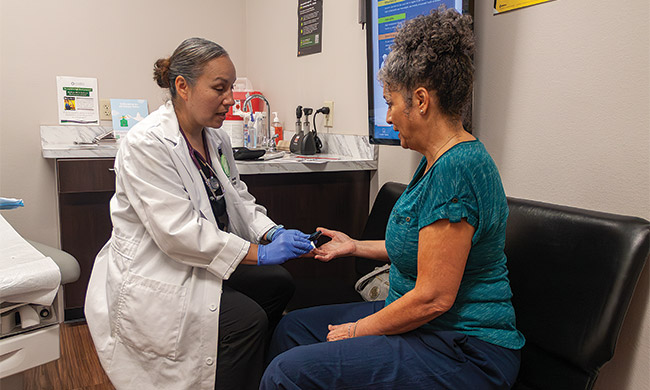
Heart Risks Go Beyond the Heart: Don’t Forget to Check Blood Sugar and Kidney Health
(Feature Impact) Diabetes and kidney disease are major risk factors for heart disease, yet many cases are undiagnosed. In fact, most people don’t realize their heart, kidney and metabolic health – how the body creates, uses and stores energy – are connected. Understanding these connections can help you take steps toward protecting your long-term health.
Cardiovascular-kidney-metabolic (CKM) syndrome is a health condition that includes heart disease, kidney disease, diabetes and obesity. Many people don’t realize they’re at risk, though, because they aren’t aware of health risks beyond the heart. Almost 1 in 4 U.S. adults with diabetes are unaware they have it, according to a 2026 statistics update from the American Heart Association. In addition, data from the Centers for Disease Control and Prevention shows that as many as 9 in 10 adults with chronic kidney disease don’t know they’re living with the condition.
Learning about CKM syndrome can be a helpful step in understanding your overall health picture.
How are CKM conditions connected?
Heart disease, kidney disease and diabetes have shared risk factors – including high blood pressure, cholesterol and blood sugar; excess weight; and reduced kidney function – and they’re closely linked. Having one condition often increases the likelihood of developing the others.
“We are encouraging people to become aware of the connection between conditions so they and their health care team can think about their overall health beyond individual conditions,” said Stacey E. Rosen, M.D., FAHA, volunteer president of the American Heart Association, executive director of the Katz Institute for Women’s Health and senior vice president of women’s health at Northwell Health. “Understanding the connection helps you better prevent complications through lifestyle changes and appropriate treatment.”
The biggest health threats from CKM syndrome are disability and death from heart disease and stroke, which make up the “cardiovascular” part of CKM. The “metabolic” part includes diabetes and obesity. Kidney disease is closely linked with both metabolic and cardiovascular diseases.
 How common is CKM syndrome?
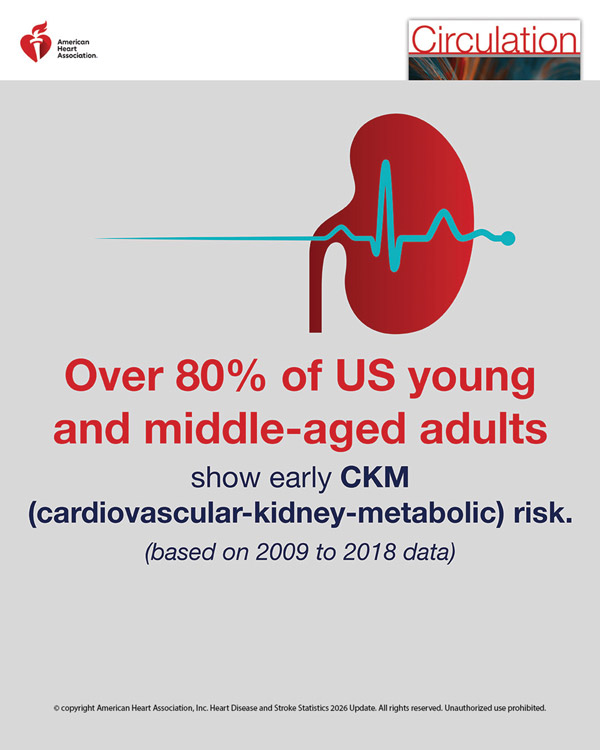
CKM-related risks are common. Nearly 90% of U.S. adults have at least one risk factor for CKM syndrome. The 2026 statistics report showed about half of all U.S. adults have high blood pressure, about 1 in 3 has high total cholesterol, more than half have prediabetes or diabetes, about 1 in 7 has kidney disease and more than half have a high waist circumference.
These risks often develop slowly, with few or no symptoms at first, but you can stay informed. Rosen emphasizes regular screening of your cardiovascular, kidney and metabolic health, which can catch problems early.
“Due to the current risk factor rates, everyone could benefit from being screened this way,” she said.
Regular check-ins with your health care team can offer a clearer picture of your CKM health. They can check your:
- Blood pressure
- Cholesterol panel (total cholesterol, LDL (bad) cholesterol, HDL (good) cholesterol and triglycerides)
- Blood glucose (blood sugar), measured in either the short term as fasting glucose or long term as A1C
- Body weight and size, measured by body mass index and waist circumference
- Kidney function, using both UACR and eGFR
These results can be used in the PREVENT online calculator to estimate your risk for cardiovascular disease over the next 10 or 30 years. CKM syndrome can often be prevented and improved with healthy daily habits like those in Life’s Essential 8 and science-based treatments.
The CKM Health Initiative was introduced by the American Heart Association to raise awareness of the connections between CKM syndrome conditions and improve diagnosis rates. It’s supported by founding sponsors Novo Nordisk and Boehringer Ingelheim, supporting sponsors Novartis Pharmaceuticals Corporation and Bayer, and champion sponsor DaVita.
Visit Heart.org/myCKMhealth to learn more about CKM health, including screening and treatment options.


SOURCE:
Our Lifestyle section on STM Daily News is a hub of inspiration and practical information, offering a range of articles that touch on various aspects of daily life. From tips on family finances to guides for maintaining health and wellness, we strive to empower our readers with knowledge and resources to enhance their lifestyles. Whether you’re seeking outdoor activity ideas, fashion trends, or travel recommendations, our lifestyle section has got you covered. Visit us today at https://stmdailynews.com/category/lifestyle/ and embark on a journey of discovery and self-improvement.
Last Updated on April 6, 2026 by Daily News Staff
(Feature Impact) Heart disease is something many adults push to the back of their minds if they are not experiencing symptoms; a concern for “later” in life. However, that mindset may be changing. New research suggests younger generations are thinking about their cardiovascular health earlier and with greater urgency.
They’re right to be thinking about it, too. Data from the American Heart Association shows heart disease is still the No. 1 killer of Americans. In fact, someone dies from cardiovascular disease every 34 seconds in the United States.
Risk factors such as obesity, high blood pressure, diabetes, and kidney disease are on the rise, too. Nearly half of U.S. adults have high blood pressure (47%), and obesity (42%), and more than half (57%) have type 2 diabetes or prediabetes.
Despite growing concern about heart health, many adults remain unclear about their personal risk. In fact, a majority of respondents (62%) in a survey conducted by Atomik Research on behalf of Doctor’s Best said they don’t know their current risk for heart disease. To provide context on these findings and highlight emerging heart health trends, Dr. Tania Elliott, a dual board-certified physician in internal medicine, offers some insights.
Feeling Fatigue
In the study, only 50% of respondents reported feeling energetic on a daily basis. Among those who reported feeling fatigued, 46% listed stress as their top perceived contributor, followed by insufficient sleep (38%), both of which are closely tied to cardiovascular health.
Troubling Symptoms
Among Gen Z respondents, 25% reported having shortness of breath during activity or while lying down, compared to just 16% of Baby Boomers, which is commonly associated with compromised heart health.
 Statins and Youth
Statins, which help address cardiovascular risk factors such as high cholesterol, are among the most commonly prescribed drugs in America, with more than 92 million Americans currently taking them, according to the Cleveland Clinic. Although most survey respondents (76%) aren’t currently taking a statin, 17% of adults ages 25-34 reported using statin therapy, which is an unexpectedly high proportion given their age and the group’s low anticipated risk of cardiovascular disease.
Side Effects of Statins
Among those taking statins, which are considered a first-line treatment for treating high cholesterol and reducing heart disease risk, 54% reported experiencing side effects, particularly muscle pain (23%) and fatigue (31%). However, taking statins can also affect levels of Coenzyme Q10 (CoQ10), which supports cellular energy and cardiovascular function.
All About CoQ10
Cells use CoQ10 to produce energy and detoxify. Studies have shown people with heart failure who took CoQ10 had around a 50% reduction in mortality. Despite this, awareness is low. Nearly two-thirds (66%) of respondents had never heard of CoQ10 and that number jumps to 76% of adults ages 25-34. Additionally, only a small percentage of respondents (8%) who were on a statin reported having their CoQ10 level tested.
“We have a real opportunity to help younger adults take a more proactive approach to heart health,” Elliott said. “CoQ10 plays a critical role in cellular energy production and heart muscle function, and it can decline with age and statin use.”
If you’re among the 71% of survey respondents who expressed a willingness to learn more about improving your heart health, talk with your health care provider and visit DoctorsBest.com to learn more.
Strategies to Support Heart Health
While some risk factors for heart disease, like age and family history, are out of your control, you can make lifestyle changes to help lower your risk:
- Eat Whole Foods: A heart-healthy eating plan includes plenty of lean proteins as well as fruits, vegetables, beans, whole grains and foods high in omega-3s, such as salmon, nuts and plant oils.
- Know Your CoQ10 Levels: If you’re low, look for a high-quality, bioavailable formula, like Doctor’s Best High Absorption CoQ10 with BioPerine, which supports energy production and muscle function.
- Get Moving: The American Heart Association recommends 150 minutes of moderate-intensity or 75 minutes of vigorous aerobic activity per week to help control weight and lower the risk for conditions that negatively impact the heart.
Photo courtesy of Shutterstock (woman with hand over chest)

SOURCE:
Our Lifestyle section on STM Daily News is a hub of inspiration and practical information, offering a range of articles that touch on various aspects of daily life. From tips on family finances to guides for maintaining health and wellness, we strive to empower our readers with knowledge and resources to enhance their lifestyles. Whether you’re seeking outdoor activity ideas, fashion trends, or travel recommendations, our lifestyle section has got you covered. Visit us today at https://stmdailynews.com/category/lifestyle/ and embark on a journey of discovery and self-improvement.





