Connect with us

Health

What to Give Someone With Cancer: Skip Fuzzy Socks, Give Practical Help Instead

Research with 50 cancer patients reveals fuzzy socks and care packages often miss the mark. Discover what people with cancer actually want: meal help, grocery gift cards, errand assistance, and practical support that addresses real daily struggles.

Published

on

What to Give Someone With Cancer: Skip Fuzzy Socks, Give Practical Help Instead
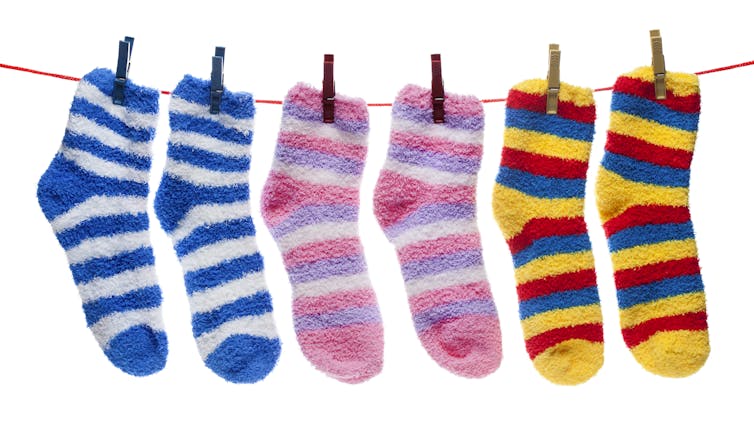
Fuzzy socks are a popular gift for people with a serious illness such as cancer.
pepifoto/iStock via Getty Images Plus

What to Give Someone With Cancer: Skip Fuzzy Socks, Give Practical Help Instead

Ellen T. Meiser, University of Hawaii at Hilo

The season of gifting is in full swing – a time when people scour the internet and shops of all kinds for items that appropriately symbolize their relationships with their loved ones.

Gift givers hope that their gift will appropriately communicate their feelings and bring the recipient joy. But that’s not always the reality. Gifts can be tricky and rife with hidden hazards. Relationships can even be ruined when the mismatch between the giver’s intention and the recipient’s perceptions of it is too vast.

The circumstances of the people involved also shape a gift’s meaning and the way it might be interpreted.

My research partner, Nathalie Rita, and I have been seeking to better understand gifting in one of life’s most dicey, distressing circumstances: cancer.

As sociologists, we use techniques such as in-depth interviews to study the experiences, feelings and motivations of specific groups of people. I focus on restaurant workers and my colleague on migrants and minorities. But in 2021, we were both diagnosed with cancer in our early 30s – breast cancer for me and endometrial cancer for her. This encouraged us to explore the experiences of other young women dealing with cancer.

By 2023, we had interviewed 50 millennial women diagnosed with cancer about a plethora of social and emotional topics related to their illness. Our own bouts with cancer revealed curious patterns in the gifts we very gratefully received from family and friends. So, we included a few questions about gifts in our research.

We expected some eccentric anecdotes similar to our own experiences. But our research, which isn’t yet published, revealed just how much of a mismatch there is between what people wanted and what they received – often driven by the marketing of specific gifts or care packages for cancer patients.

What loved ones give

One of our first questions was, what exactly do women diagnosed with cancer receive from their loved ones? Their answers ran the gamut. Our interviewees reported hundreds of gifts, from stuffed possums to child care help to Vitamix blenders. Friends and family were very eager to shower them in goods.

But from these hundreds of items and acts, 10 popped up over and over again. In order of frequency, they were:

  1. Fuzzy socks.
  2. Food and drinks, particularly herbal teas, groceries, gourmet goodies and Meal Trains.
  3. Money, GoFundMe donations and gift cards.
  4. Blankets.
  5. Fancy, spa-style self-care items.
  6. Written thoughts and prayers.
  7. Flowers and plants.
  8. Mugs, tumblers and bottles.
  9. Adult coloring books.
  10. Books.

The women we spoke with largely understood and appreciated the intentions behind these items in the context of their illness: books to distract, flowers to beautify. They viewed the gifts as material proof that their loved ones wanted to deliver comfort and support in a time of discomfort and helplessness.

But the frequency of certain items perplexed us. Why socks and coloring books instead of, say, Rollerblades and bongs?

Advertisement
Get More From A Face Cleanser And Spa-like Massage

The long shadow of online commerce and gift guides

We traced these gifting trends to two sources: premade cancer care packages and online gift guides.

Numerous women reported receiving some of the items from our top 10 list in premade care packages sourced from Etsy, Amazon or cancer-specific companies such as Rock the Treatment and The Balm Box. They noted that the contents of these packages felt predictable: spa-style self-care goods such as aromatherapy oils, lip balms and soy candles; herbal teas; a mug with a slogan or ribbon; and hard candies or throat lozenges.

Some received more opulent care packages, similar to Rock the Treatment’s large chemo care package for women, which adds adult coloring books, protein-rich snacks, a beanie and fuzzy socks. These additions mirror our interviewees’ top 10 received gifts even more closely.

Online gift guides published by magazines, news sites and stores may be influencing gifters’ behaviors, too. A Google search for “gift guide” yields countless lists for niche demographics – chicken lovers, mathematicians, even people who are always cold. Online viewership of these lists is prolific. For example, New York Magazine’s product recommendation site, The Strategist, received 10.7 million monthly views in 2021.

The top seven Google-ranked gift guides for cancer patients also contain suggestions that align almost perfectly with what our interviewees reported, with the addition of clothing and jewelry emblazoned with inspirational declarations such as “I’m stronger than cancer!”

These overlaps reflect the broader phenomena of the commodification and commercialization of cancer. As businesses seek to extract economic value out of all aspects of daily life, cancer has become a lucrative business opportunity and patients a source of profit.

Our research suggests that these market forces warp how gift givers perceive people with cancer and their desires. In turning cancer into something profitable, the ugly parts of illness are also glossed over to make cancer palatable to the market. Businesses then sell would-be gifters the idea that cancer can be assuaged by purchasing and giving a bejeweled, teal-ribboned Stanley tumbler.

Additionally, while premade care packages ease the labor of decision-making for gifters, they run a greater risk of disappointing recipients. These generic boxes, we found, can communicate a degree of thoughtlessness at a time when our study participants were aching for thoughtfulness.

Woman delivering groceries to a neighbor
Practical gifts, such as bringing groceries, can help relieve daily stressors for people coping with a serious illness.
SDI Productions/E+ via Getty Images

What to actually gift

So, what do women going through cancer treatment actually want to receive? Our interviewees recommended:

  1. Money in the form of cash or useful gift cards, such as for Door Dash, grocery stores and Petco.
  2. Meals and groceries, particularly if the recipient is a parent with mouths to feed.
  3. Help with errands and tasks such as babysitting, transportation, cleaning and lawn care.
  4. Cards and personal messages of love, which serve as check-ins and gestures of care and support.
  5. Practical self-care items such as thick lotions, face masks and soft soaps that don’t irritate skin.

Pragmatic. Simple. Even a little mundane.

There is some overlap between these recommendations and the frequently received gifts mentioned earlier. But notably, almost none of the women we interviewed expressed a desire for the nonessential items usually stocked in commercial care packages or those associated with profiting from cancer.

Instead, the gifts they felt touched them more deeply were ones that addressed ways in which they felt the disease incapacitated their abilities as a worker, woman, mother or caregiver.

Advertisement
Get More From A Face Cleanser And Spa-like Massage

Our interviewees spoke of financial strain from medical bills, fatigue preventing them from mothering in ways they used to, and mounting burdens that made it almost impossible to be present for partners or spouses. A monstera plant in a whimsical vase offered little reprieve from these pressures. However, a chat while folding laundry or a Pyrex of enchiladas did.

Perhaps most importantly, such offerings made them feel cared for and seen – their unvarnished circumstances recognized.

So, if a friend with cancer – or any other serious illness, for that matter – is on your list this holiday season, consider hanging those fuzzy socks back on the rack.

Instead, mull over their daily stresses, and choose an item – or a task – that provides a bit of relief.

Ellen T. Meiser, Assistant Professor of Sociology, University of Hawaii at Hilo

This article is republished from The Conversation under a Creative Commons license. Read the original article.


Discover more from Daily News

Subscribe to get the latest posts sent to your email.

Continue Reading
Advertisement Sports Research
Click to comment

Leave a Reply

Your email address will not be published. Required fields are marked *

health and wellness

Why do people get headaches and migraines? A child neurologist explains the science of head pain and how to treat it

Published

on

Why do people get headaches and migraines? A child neurologist explains the science of head pain and how to treat it
There are steps you can take to relieve headache pain and prevent future attacks. Thai Liang Lim/E+ via Getty Images

Why do people get headaches and migraines? A child neurologist explains the science of head pain and how to treat it

Katherine Cobb-Pitstick, University of Pittsburgh Curious Kids is a series for children of all ages. If you have a question you’d like an expert to answer, send it to CuriousKidsUS@theconversation.com.
Why do people get headaches? – Evie V., age 10, Corpus Christi, Texas

Whether sharp and stabbing or dull and throbbing, a headache can ruin your day. But your brain doesn’t actually feel pain. So what is going on when it feels like your head is in a vise or about to explode? I am a child neurologist – that is, a doctor who specializes in diseases of the brain in kids. Most of my patients are kids and adolescents who are struggling with headaches. Head pain is complicated, and there is still a lot to learn about what causes it and how it can be treated. But researchers know there are a few key players that take part in generating pain.

What are headaches?

Nerves communicate information like pain through electrical signals between the body and the brain. While the brain itself doesn’t have any nerve sensors to feel pain, blood vessels in the head and structures that protect and surround the brain do sense pain. When these tissues detect injury or damage, they release chemicals that trigger transmission of electrical signals through nerves to tell the brain the head is hurting. The brain will also use nerves to signal the body to respond to pain with symptoms like feeling tired, teary eyes, runny nose, upset stomach and discomfort in bright or loud environments. It’s not clear why humans evolved to feel these symptoms, but some scientists theorize that this can lead to healthier lifestyle choices to decrease the chance of future headache attacks.
Weather changes are one of the most commonly reported migraine triggers. Danielle Wilhour, a neurologist and headache specialist at University of Colorado Anschutz Medical Campus, explains why shifts in weather can bring on migraines — and what you can do to ease the pain.

What causes headaches?

Often, headaches are a sign that the body is under some kind of stress. That stress triggers chemical and physical changes to the nerves and blood vessels around your brain, head and neck that can cause headaches. Many types of stresses can cause headaches, including an infection, allergies, hormone changes during puberty and menstrual cycles, not getting enough sleep, not drinking enough water, skipping meals or drinking too much caffeine or alcohol. Sometimes, headaches happen with emotional stress, like feeling anxious or depressed. Even pressure in your sinuses due to changes in the weather can cause your head to hurt. One in 11 kids have had a type of severe headache called a migraine. They feel like a pulsing and pounding pain in your head and come with other symptoms, including nausea or being sensitive to lights and sounds. During a migraine, it can be hard to do everyday activities because they can make the pain worse. It is also very common to feel unwell or irritable before the head pain starts and after the pain is gone.
Person curled up on couch beneath a blanket, hand over head
Migraines and chronic headaches can be debilitating. Viktoriya Skorikova/Moment via Getty Images
Migraines occur when the nerves and other structures used in signaling and interpreting pain aren’t working properly, leading to pain and discomfort from stimulation that wouldn’t normally provoke this. There are many environmental and genetic factors that contribute to this dysfunction. Some people are born with a higher risk of developing migraines. Most people with migraines have someone in their family who also experiences them.

What can treat and prevent headaches?

Identifying what type of headache you’re experiencing is crucial to making sure it is treated properly. Because migraines can be severe, they’re the type of headache that most often leads to doctor’s visits for both kids and adults. There are several ways to reduce your chances of having headaches, such as drinking plenty of water and limiting caffeine. Eating, sleeping and exercising regularly are other ways you can help prevent headaches.
Person with head resting on forearms on top of a pile of books in a library
Sleep deprivation can worsen headaches. DjelicS/iStock via Getty Images Plus
While painkillers like ibuprofen are often enough to relieve a headache, prescription medications are sometimes necessary to make head pain more bearable. Some medications can also help control or prevent headache episodes. Physical therapy to exercise the body or behavioral therapy to work on the mind can also help you manage headache pain. There are even electronic devices to treat headaches by stimulating different parts of the nervous system. It is important to talk with a doctor about headaches, especially if it’s a new problem or you experience a change in how they usually feel. Sometimes, brain imaging or blood tests are needed to rule out another health issue. Recognizing a headache problem early will help your doctor get started on helping you figure out the best way to treat it.
Hello, curious kids! Do you have a question you’d like an expert to answer? Ask an adult to send your question to CuriousKidsUS@theconversation.com. Please tell us your name, age and the city where you live. And since curiosity has no age limit – adults, let us know what you’re wondering, too. We won’t be able to answer every question, but we will do our best. Katherine Cobb-Pitstick, Assistant Professor of Child Neurology, University of Pittsburgh This article is republished from The Conversation under a Creative Commons license. Read the original article.
📜 Who Created Blogging? A Look Back at the Birth of the Blog
Link: https://stmdailynews.com/%f0%9f%93%9c-who-created-blogging-a-look-back-at-the-birth-of-the-blog/
View recent photos

Unlock fun facts & lost history—get The Knowledge in your inbox!

We don’t spam! Read our privacy policy for more info.


Discover more from Daily News

Subscribe to get the latest posts sent to your email.

Continue Reading

health and wellness

Fact Check: Test What You Know About Heart Health

High cholesterol and age are two significant risk factors for heart disease, which is the leading cause of death in the United States. Test your heart health knowledge and learn more about managing your risk factors, including high cholesterol, with this quick quiz.

Published

on

Last Updated on December 29, 2025 by Daily News Staff

High cholesterol and age are two significant risk factors for heart disease, which is the leading cause of death in the United States. Test your heart health knowledge and learn more about managing your risk factors, including high cholesterol, with this quick quiz.

Fact Check: Test What You Know About Heart Health

(Family Features) As you age, your doctor’s interest in your cholesterol level is likely to increase. That’s no coincidence. High cholesterol and age are two significant risk factors for heart disease, which is the leading cause of death in the United States. You may not be able to slow the hands of time, but elevated low-density lipoprotein (LDL) cholesterol, also known as “bad” cholesterol, is one of the most significant addressable risk factors for the development of cardiovascular disease. Uncontrolled high LDL-C can lead to death, heart attack, stroke or the need for a coronary revascularization. While statins are considered first-line treatment for people with high LDL cholesterol, an estimated 29% of patients stop taking their statin within the first year, based on findings published in the “American Journal of Cardiology.” Up to 30% of people have some degree of statin intolerance, according to research published in the “Journal of Clinical Lipidology.” Test your heart health knowledge and learn more about managing your risk factors, including high cholesterol, with this quick quiz:
1. Do cardiovascular diseases, including heart disease and stroke, claim more lives in the U.S. than all forms of cancer and accidental deaths (the Nos. 2 and 3 causes of death, respectively) combined?

Yes. Cardiovascular disease is the No. 1 killer of men and women in America and worldwide, killing more people than both cancer and accidents each year.

2. According to the American Heart Association, which of the following are true?
  • Men are more likely to have heart attacks at a younger age than women.
  • Women experience different symptoms indicating potential heart disease.
  • Women have a higher risk of fatality because their symptoms are frequently misunderstood or misdiagnosed, leading to delayed treatment.

All are True. While many factors are at play, one major underlying issue is historically, women simply haven’t been well represented in clinical trials of heart-related conditions. However, Harvard Health reports that culture is slowly changing and some of the gaps are starting to close.

17682 detail embed23. Does statin intolerance mean statins are not effective?

 No. On the contrary, statins are the standard of care to lower LDL cholesterol. However, some people cannot take statins at any dose because of statin intolerance symptoms such as muscle pain, while others may have their LDL cholesterol remain uncontrolled because they are not able to take higher doses.

4. Are women more likely to be statin intolerant than men?

 Yes. According to the National Institutes of Health, being female is a risk factor for statin intolerance.

5. If a person is statin intolerant, are there other treatments available to help lower their uncontrolled LDL-C?

 Yes. Alternative treatments are available for people with statin intolerance. A health care provider can help explain what options are available if you experience potential statin-associated side effects.

6. Are muscle-related symptoms typically the most common side effect of statins?

 Yes. Muscle pains or cramps (myalgias) are the most common symptoms people experience. Your health care provider may run tests or change your medication to address these symptoms.

For more information on statin intolerance, talk with your health care provider or visit statinalternatives.info.  
How to Lower Bad Cholesterol
LDL cholesterol, commonly referred to as “bad” cholesterol, leads to plaque in your arteries, reducing blood flow and potentially damaging your cardiovascular system. If your bloodwork shows elevated LDL cholesterol levels, you can take steps to reduce it.
  1. Eat a healthy diet low in saturated and trans fats and high in fiber, with an emphasis on fruits, vegetables and whole grains.
  2. Get at least 30 minutes of exercise daily, and if you carry extra weight, work to lose it.
  3. Talk to your health care provider about cholesterol-lowering medications, which can help lower bad cholesterol and reduce the risks associated with heart disease.
  Photos courtesy of Shutterstock collect?v=1&tid=UA 482330 7&cid=1955551e 1975 5e52 0cdb 8516071094cd&sc=start&t=pageview&dl=http%3A%2F%2Ftrack.familyfeatures SOURCE: Esperion
Culver’s Thank You Farmers® Project Hits $8 Million Donation Milestone
Like: https://stmdailynews.com/culvers-thank-you-farmers-project-hits-8-million-donation-milestone/

Discover more from Daily News

Subscribe to get the latest posts sent to your email.

Continue Reading

Lifestyle

Lone Star Botanicals’ Mushroom Powders Aim to Support Health During the Holiday Rush

Cold and flu season peaks during the holidays. Lone Star Botanicals spotlights organic mushroom extract powders designed to support immune and digestive health.

Published

on

Cold and flu season peaks during the holidays. Lone Star Botanicals spotlights organic mushroom extract powders designed to support immune and digestive health. Cold weather, packed calendars, and crowded gatherings can make the final weeks of the year feel like a perfect storm for sniffles. With cold and flu season ramping up, Texas-based wellness brand Lone Star Botanicals is highlighting its line of clean, organic mushroom extract powders as a natural way to support immune health and overall wellness during the holidays.

Why the holidays can be tough on your immune system

The brand points to a familiar seasonal reality: people travel more, spend more time indoors, and come into closer contact with others—conditions that can make it easier for viruses to spread. “Sickness can spike in November and December,” said Jeremy Dixon, VP of Operations at Lone Star Botanicals. “It makes sense. As everyone travels more and gathers indoors, it’s easier to catch a cold. Our mushroom supplements are a great way to fortify your immune system throughout those busy holiday social seasons.” Lone Star Botanicals also notes that flu activity often peaks in the winter months. Citing long-term analysis from the CDC, the company says December is historically the second most likely month for flu cases to peak. Add in the travel surge—AAA forecasts nearly 82 million Americans will travel over Thanksgiving alone in 2025—and it’s easy to see why many families focus on preventative wellness habits this time of year.

A natural wellness tool: mushroom extract powders

Lone Star Botanicals positions its mushroom powders as a simple addition to daily routines, especially for those looking to support the body’s natural defenses during a high-exposure season. The company also points out that holiday eating can throw off digestion, and that certain supplements may help support digestive comfort when routines and menus change.

What’s in the lineup

Lone Star Botanicals’ mushroom selection includes several popular functional varieties, each marketed for different wellness goals:
  • Cordyceps Mushroom Extract Powder: Highlighted for potential immune and respiratory support, along with support for energy levels.
  • Chaga Mushroom Extract Powder: Positioned for immune support, plus energy, stamina, and digestive health.
  • Lion’s Mane Mushroom Extract Powder: Marketed for digestive support and energy.
The brand emphasizes quality and transparency across the line, stating that its mushroom products are potent, organic, and third-party tested, with 100% pure ingredients and clear labeling.

About Lone Star Botanicals

Founded in 2017, Lone Star Botanicals is a Texas-based, family-operated health and wellness company offering herbs, spices, teas, seasoning blends, and superfood powders. The company describes itself as woman-owned, veteran-owned, and Texas-proud, with products made in the U.S.A. Its stated mission is to simplify wellness with accessible, responsibly sourced ingredients produced and packaged in-house. To learn more, visit lonestarbotanicals.com.

Our Lifestyle section on STM Daily News is a hub of inspiration and practical information, offering a range of articles that touch on various aspects of daily life. From tips on family finances to guides for maintaining health and wellness, we strive to empower our readers with knowledge and resources to enhance their lifestyles. Whether you’re seeking outdoor activity ideas, fashion trends, or travel recommendations, our lifestyle section has got you covered. Visit us today at https://stmdailynews.com/category/lifestyle/ and embark on a journey of discovery and self-improvement.

STM Daily News is a multifaceted podcast that explores a wide range of topics, from life and consumer issues to the latest in food and beverage trends. Our discussions dive into the realms of science, covering everything from space and Earth to nature, artificial intelligence, and astronomy. We also celebrate the amateur sports scene, highlighting local athletes and events, including our special segment on senior Pickleball, where we report on the latest happenings in this exciting community. With our diverse content, STM Daily News aims to inform, entertain, and engage listeners, providing a comprehensive look at the issues that matter most in our daily lives. https://stories-this-moment.castos.com/

Author

  • Rod Washington

    Rod: A creative force, blending words, images, and flavors. Blogger, writer, filmmaker, and photographer. Cooking enthusiast with a sci-fi vision. Passionate about his upcoming series and dedicated to TNC Network. Partnered with Rebecca Washington for a shared journey of love and art.

    View all posts

Discover more from Daily News

Subscribe to get the latest posts sent to your email.

Continue Reading

Trending