

Lifestyle
Women are at a higher risk of dying from heart disease − in part because doctors don’t take major sex and gender differences into account
Heart disease impacts women differently than men due to genetic and gender biases in healthcare. Awareness and improved treatment approaches are essential for better outcomes.

Amy Huebschmann, University of Colorado Anschutz Medical Campus and Judith Regensteiner, University of Colorado Anschutz Medical Campus
A simple difference in the genetic code – two X chromosomes versus one X chromosome and one Y chromosome – can lead to major differences in heart disease. It turns out that these genetic differences influence more than just sex organs and sex assigned at birth – they fundamentally alter the way cardiovascular disease develops and presents.
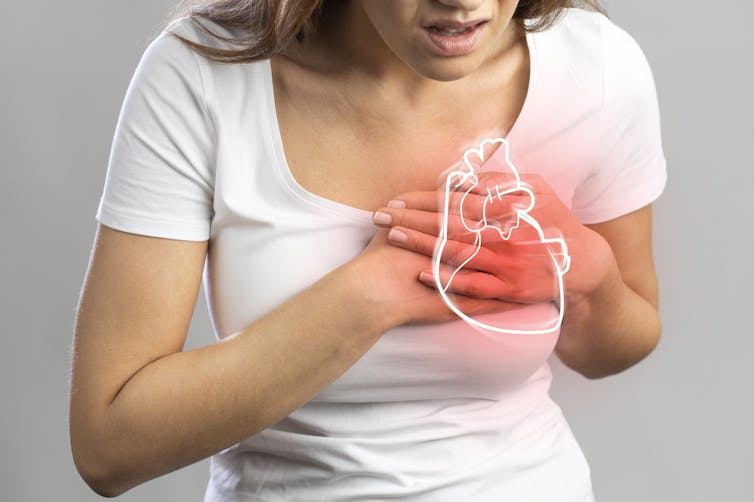
While sex influences the mechanisms behind how cardiovascular disease develops, gender plays a role in how healthcare providers recognize and manage it. Sex refers to biological characteristics such as genetics, hormones, anatomy and physiology, while gender refers to social, psychological, and cultural constructs. Women are more likely to die after a first heart attack or stroke than men. Women are also more likely to have additional or different heart attack symptoms that go beyond chest pain, such as nausea, jaw pain, dizziness and fatigue. It is often difficult to fully disentangle the influences of sex on cardiovascular disease outcomes versus the influences of gender.
While women who haven’t entered menopause have a lower risk of cardiovascular disease than men, their cardiovascular risk accelerates dramatically after menopause. In addition, if a woman has Type 2 diabetes, her risk of heart attack accelerates to be equivalent to that of men, even if the woman with diabetes has not yet gone through menopause. Further data is needed to better understand differences in cardiovascular disease risk among nonbinary and transgender patients.
Despite these differences, one key thing is the same: Heart attack, stroke and other forms of cardiovascular disease are the leading cause of death for all people, regardless of sex or gender.
We are researchers who study women’s health and the way cardiovascular disease develops and presents differently in women and men. Our work has identified a crucial need to update medical guidelines with more sex-specific approaches to diagnosis and treatment in order to improve health outcomes for all.
Gender differences in heart disease
The reasons behind sex and gender differences in cardiovascular disease are not completely known. Nor are the distinct biological effects of sex, such as hormonal and genetic factors, versus gender, such as social, cultural and psychological factors, clearly differentiated.
What researchers do know is that the accumulated evidence of what good heart care should look like for women compared with men has as many holes in it as Swiss cheese. Medical evidence for treating cardiovascular disease often comes from trials that excluded women, since women for the most part weren’t included in scientific research until the NIH Revitalization Act of 1993. For example, current guidelines to treat cardiovascular risk factors such as high blood pressure are based primarily on data from men. This is despite evidence that differences in the way that cardiovascular disease develops leads women to experience cardiovascular disease differently.
In addition to sex differences, implicit gender biases among providers and gendered social norms among patients lead clinicians to underestimate the risk of cardiac events in women compared with men. These biases play a role in why women are more likely than men to die from cardiac events. For example, for patients with symptoms that are borderline for cardiovascular disease, clinicians tend to be more aggressive in ordering artery imaging for men than for women. One study linked this tendency to order less aggressive tests for women partly to a gender bias that men are more open than women to taking risks.
In a study of about 3,000 patients with a recent heart attack, women were less likely than men to think that their heart attack symptoms were due to a heart condition. Additionally, most women do not know that cardiovascular disease is the No. 1 cause of death among women. Overall, women’s misperceptions of their own risk may hold them back from getting a doctor to check out possible symptoms of a heart attack or stroke.
These issues are further exacerbated for women of color. Lack of access to health care and additional challenges drive health disparities among underrepresented racial and ethnic minority populations.
Sex difference in heart disease
Cardiovascular disease physically looks different for women and men, specifically in the plaque buildup on artery walls that contributes to illness.
Women have fewer cholesterol crystals and fewer calcium deposits in their artery plaque than men do. Physiological differences in the smallest blood vessels feeding the heart also play a role in cardiovascular outcomes.
Women are more likely than men to have cardiovascular disease that presents as multiple narrowed arteries that are not fully “clogged,” resulting in chest pain because blood flow can’t ratchet up enough to meet higher oxygen demands with exercise, much like a low-flow showerhead. When chest pain presents in this way, doctors call this condition ischemia and no obstructive coronary arteries. In comparison, men are more likely to have a “clogged” artery in a concentrated area that can be opened up with a stent or with cardiac bypass surgery. Options for multiple narrowed arteries have lagged behind treatment options for typical “clogged” arteries, which puts women at a disadvantage.
In addition, in the early stages of a heart attack, the levels of blood markers that indicate damage to the heart are lower in women than in men. This can lead to more missed diagnoses of coronary artery disease in women compared with men.
The reasons for these differences are not fully clear. Some potential factors include differences in artery plaque composition that make men’s plaque more likely to rupture or burst and women’s plaque more likely to erode. Women also have lower heart mass and smaller arteries than men even after taking body size into consideration.
Reducing sex disparities
Too often, women with symptoms of cardiovascular disease are sent away from doctor’s offices because of gender biases that “women don’t get heart disease.”
Considering how symptoms of cardiovascular disease vary by sex and gender could help doctors better care for all patients.
One way that the rubber is meeting the road is with regard to better approaches to diagnosing heart attacks for women and men. Specifically, when diagnosing heart attacks, using sex-specific cutoffs for blood tests that measure heart damage – called high-sensitivity troponin tests – can improve their accuracy, decreasing missed diagnoses, or false negatives, in women while also decreasing overdiagnoses, or false positives, in men.
Our research laboratory’s leaders, collaborators and other internationally recognized research colleagues – some of whom partner with our Ludeman Family Center for Women’s Health Research on the University of Colorado Anschutz Medical Campus – will continue this important work to close this gap between the sexes in health care. Research in this field is critical to shine a light on ways clinicians can better address sex-specific symptoms and to bring forward more tailored treatments.
The Biden administration’s recent executive order to advance women’s health research is paving the way for research to go beyond just understanding what causes sex differences in cardiovascular disease. Developing and testing right-sized approaches to care for each patient can help achieve better health for all.
Amy Huebschmann, Professor of Medicine, University of Colorado Anschutz Medical Campus and Judith Regensteiner, Professor of Medicine, University of Colorado Anschutz Medical Campus
This article is republished from The Conversation under a Creative Commons license. Read the original article.
Our Lifestyle section on STM Daily News is a hub of inspiration and practical information, offering a range of articles that touch on various aspects of daily life. From tips on family finances to guides for maintaining health and wellness, we strive to empower our readers with knowledge and resources to enhance their lifestyles. Whether you’re seeking outdoor activity ideas, fashion trends, or travel recommendations, our lifestyle section has got you covered. Visit us today at https://stmdailynews.com/category/lifestyle/ and embark on a journey of discovery and self-improvement.
Discover more from Daily News
Subscribe to get the latest posts sent to your email.




Last Updated on December 18, 2025 by Daily News Staff

Keeping Pets Safe This Holiday Season: 5 Festive Safety Tips for Pet Owners
(Family Features) The holiday season brings sparkling lights, cherished traditions and joyful gatherings with the people and pets you love most. As you deck the halls and prepare for cozy celebrations, it’s important to remember some of the magic of the season can also pose risks for curious cats and dogs. To provide pet owners added peace of mind, consider these tips from the experts at VCA Animal Hospitals, a leader in veterinary care with more than 1,000 locations dedicated to positively impacting pets, people and the communities they serve, to keep the holidays merry – and safe – for everyone. Decorations and Festive Outfits From family photos to holiday cards, many pet owners love including their companions in the festivities. If you dress your pet for pictures, choose outfits that are comfortable, allow easy movement and don’t interfere with breathing or vision. Pets are naturally drawn to shiny and dangling decor, so opt for shatterproof ornaments and avoid using tinsel, which can cause serious internal issues if swallowed. Hang small or salt-dough ornaments high on the tree, out of paws’ reach, to help prevent choking. After opening gifts, promptly discard wrapping paper, string and ribbon; items that may seem fun to play with but can be dangerous if ingested. Food and Drinks Holiday tables overflow with delicious treats, but many seasonal foods can be harmful to pets. Chocolate, grapes, raisins, xylitol-sweetened candies and leftover meat scraps may lead to serious illness. Politely remind guests not to slip your pet any treats, no matter how festive the occasion feels. Quickly pack away food when meals end to help reduce temptation. Alcoholic beverages should also be kept well out of reach. Pets absorb alcohol much faster than humans, and even small amounts can cause alcohol poisoning. Candles and Burns The glow of candles and warm fireplaces add comfort and charm this time of year, but open flames pose fire risks and burn hazards for pets. Keep pets at a safe distance from fireplaces, wood stoves and space heaters, as curiosity can bring them too close. Consider using battery-operated candles in place of traditional ones. If you use real candles, ensure they’re placed out of reach and never left unattended; even stepping away for a moment can increase the risk of accidents. Plants and Trees Holiday greenery brings beauty to your home, but some plants require extra caution around pets. While Christmas trees themselves are generally non-toxic, the water in the tree stand may contain mold, bacteria or fertilizers. Use a tree skirt or cover to prevent pets from drinking from it. Decorative plants like poinsettias, mistletoe, lilies, holly and amaryllis can cause gastrointestinal upset if nibbled on. Keep these seasonal favorites well out of reach, especially if you live with adventurous or plant-curious pets. Cold Weather Walking Winter walks can be refreshing for you and your dog, but shorter days and colder weather mean extra care is needed. Use a non-retractable leash during early morning or evening walks, and ensure both you and your pet wear high-visibility gear so drivers and others can easily spot you.
If you live in an area with snow or ice, monitor conditions closely and watch the wind chill. Dressing your dog in a warm sweater or jacket and offering booties for paw protection can help them stay comfortable and safe on frosty outings. By taking a few thoughtful precautions, you can help ensure your pets enjoy a safe, joyful holiday season right alongside the rest of the family. If you have questions about winter safety or your pet’s health, consult your veterinarian. For more tips to keep your pet safe this holiday season, and to find a location near you, visit vcaholiday.com. Photos courtesy of Shutterstock
Food and Drinks Holiday tables overflow with delicious treats, but many seasonal foods can be harmful to pets. Chocolate, grapes, raisins, xylitol-sweetened candies and leftover meat scraps may lead to serious illness. Politely remind guests not to slip your pet any treats, no matter how festive the occasion feels. Quickly pack away food when meals end to help reduce temptation. Alcoholic beverages should also be kept well out of reach. Pets absorb alcohol much faster than humans, and even small amounts can cause alcohol poisoning. Candles and Burns The glow of candles and warm fireplaces add comfort and charm this time of year, but open flames pose fire risks and burn hazards for pets. Keep pets at a safe distance from fireplaces, wood stoves and space heaters, as curiosity can bring them too close. Consider using battery-operated candles in place of traditional ones. If you use real candles, ensure they’re placed out of reach and never left unattended; even stepping away for a moment can increase the risk of accidents. Plants and Trees Holiday greenery brings beauty to your home, but some plants require extra caution around pets. While Christmas trees themselves are generally non-toxic, the water in the tree stand may contain mold, bacteria or fertilizers. Use a tree skirt or cover to prevent pets from drinking from it. Decorative plants like poinsettias, mistletoe, lilies, holly and amaryllis can cause gastrointestinal upset if nibbled on. Keep these seasonal favorites well out of reach, especially if you live with adventurous or plant-curious pets. Cold Weather Walking Winter walks can be refreshing for you and your dog, but shorter days and colder weather mean extra care is needed. Use a non-retractable leash during early morning or evening walks, and ensure both you and your pet wear high-visibility gear so drivers and others can easily spot you.
If you live in an area with snow or ice, monitor conditions closely and watch the wind chill. Dressing your dog in a warm sweater or jacket and offering booties for paw protection can help them stay comfortable and safe on frosty outings. By taking a few thoughtful precautions, you can help ensure your pets enjoy a safe, joyful holiday season right alongside the rest of the family. If you have questions about winter safety or your pet’s health, consult your veterinarian. For more tips to keep your pet safe this holiday season, and to find a location near you, visit vcaholiday.com. Photos courtesy of Shutterstock Keeping Pets Safe This Holiday Season: 5 Festive Safety Tips for Pet Owners
SOURCE: VCA Animal HospitalsThe fate of Lucky Supermarkets in SoCalLink: https://stmdailynews.com/the-fate-of-lucky-supermarkets-in-socal/
Author

Discover more from Daily News
Subscribe to get the latest posts sent to your email.
Family
5 Tips to Pull Off Holiday Hosting
With stay-at-home holidays a thing of the past for many families, they’re now busy preparing for full-blown celebrations. The return of traditional festivities brings seemingly never-ending to-do lists and pressure to be the perfect host.

Last Updated on December 17, 2025 by Daily News Staff
(Family Features) With stay-at-home holidays a thing of the past for many families, they’re now busy preparing for full-blown celebrations. The return of traditional festivities brings seemingly never-ending to-do lists and pressure to be the perfect host.
From mastering a mouthwatering menu and donning your home with decadent decor to ensuring guests enjoy the evening to the fullest, hosting duties bring plenty of responsibilities. This year, though, you can avoid those anxious feelings with some preparation ahead of the big day.
To help pull off a sensational seasonal soiree, consider these tips from the entertaining experts at Sun-Maid to make the holidays brighter and more manageable so you can navigate the stresses of hosting.
Invite Others to Share Favorite Traditions
Especially with stay-at-home holidays in recent years, some friends and family members may have developed their own special traditions from new recipes and foods to seasonal games and activities. Inviting your guests to bring or share something that represents their favorite part of the holidays can help everyone feel welcome.
Take Time for Yourself
Remember to make time for yourself so you can enjoy the fruits of your labor right alongside guests. The busyness of this time of year can add stress but reflecting on the true meaning of the season and reveling in your favorite parts of the holidays can help you avoid feeling overwhelmed.
Add New Ingredients to Your Menu
While pairing this year’s turkey or ham with the classics provides comfort and calls to mind holiday memories of the past, cooking with new ingredients and adding fresh recipes to the menu can put a fun spin on the season and maybe even create your own traditions to carry forward.
For example, baking with an option like Sun-Maid Raisins provides a whole fruit option with zero grams of added sugars per 1/4-cup serving. They’re an easy, better-for-you substitution to reduce overall sugar intake without compromising flavor or texture when compared with dried cranberries, which contain 27 grams of added sugars per 1/4-cup serving. The natural sugars of raisins make them a versatile, useful addition to a wide variety of holiday-worthy dishes.
Hop On Hot Food Trends
One of this year’s most popular trends in the kitchen is food boards, a fun and easy way to elevate flavor while incorporating favorites like cured meats, cold cuts, cheese slices and cubes, dips, nuts and more. Plus, you can keep your board balanced with nutritious items like vegetables and fruit, such as raisins, which provide sweet flavor without the added sugars.
A Time for Truce
Gathering for the holidays is about coming together with loved ones, family, friends and neighbors – and pulling it off means catering to everyone’s needs and wants. It’s a time for compromises and truces. To help add a little extra spark this year, try incorporating a theme to the party or coordinate fun activities and games that can be enjoyed by all. For example, holiday-themed charades, a seasonal “name that tune” game and gift exchanges all give guests ways to get in on the excitement.
To find more holiday entertaining inspiration and recipe ideas, visit SunMaid.com/PullOffTheHolidays .
Photos courtesy of Getty Images
SOURCE:
Sun-Maid Raisins
Author

Discover more from Daily News
Subscribe to get the latest posts sent to your email.
Food and Beverage
Unwrap the Holidays: Whataburger Launches 12 Days of Whatacheer With Daily App Deals
Celebrate the holidays with Whataburger’s 12 Days of Whatacheer! Discover daily in-app deals, exclusive to Rewards members, from December 12–23. Unwrap new menu favorites, BOGO offers, and festive savings—only on the Whataburger App.


12 Days of Whatacheer: Festive Deals for Rewards Members
How It Works
- Who: Whataburger Rewards members (sign up in the app if you’re not already!)
- When: December 12–23, with a new offer every day
- How: Open the Whataburger App, claim the day’s deal, and enjoy with your next order

Holiday-themed graphic reading ‘12 Days of WhataCheer’ on a red background with white dots. Below the text are images of Whataburger menu items: a Cinnamon Roll, Onion Rings, a Whataburger, a Whatafresher, a Honey Butter Chicken Biscuit, and a Strawberry Shake.
Why Join the Whataburger Rewards Fun?
Get Started
Authors

Discover more from Daily News
Subscribe to get the latest posts sent to your email.





