

Automotive
3 Tips to Take Control of Car Maintenance

Last Updated on September 14, 2025 by Daily News Staff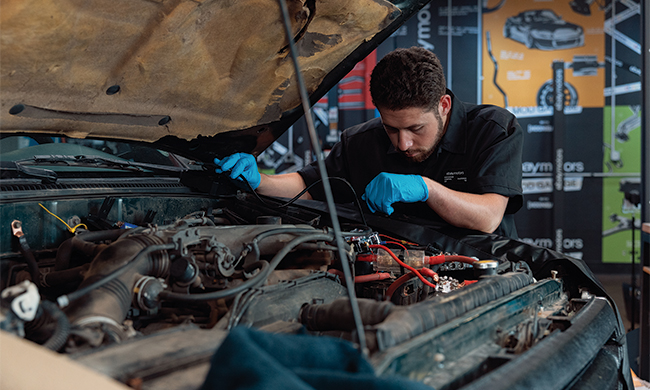
(Family Features) Economic factors made 2023 a record year for motorists, but not in ways that helped most families’ household budgets.
The average price of a new car peaked at nearly $50,000 while the average age of cars on the road surpassed 12 years, a record, according to S&P.
Rising costs for new cars and an aging fleet of vehicles on the road go hand-in-hand and, for most drivers, this means staying on top of vehicle maintenance is crucial. Yet even maintenance has become more difficult as the cost of parts and labor increase, leaving drivers with a sometimes daunting list of automotive DIY projects or parts to source when their mechanic is out of stock.
Common Fears About Automotive DIY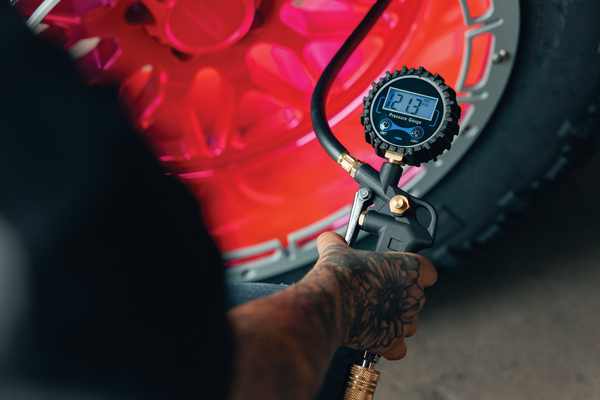 For people new to car maintenance and repair, getting started can feel overwhelming. Because many families count on their cars to get where they need to go, it seems like a lot could go wrong with an average of 30,000 parts under the hood of a gasoline-powered vehicle.
Consider these common situations that could make someone hesitant to take on a DIY project:
- Finding the best place to get parts to fit your needs
- Being unsure if a part is high enough quality to last and keep your car on the road
- Not knowing if the part you ordered will fit your car
For most, these fears boil down to being unsure if a part is right for the job, or if they’re skilled enough to install it.
Tips to Get the Repair Done Right
Now, more automotive parts and accessories retailers offer tools to help guide DIYers toward the right inventory for their needs. From brick-and-mortar shops to online marketplaces like eBay Motors, they can enjoy access to more resources to help find the exact part and good value:
- Consider shopping online: While physical retailers may have parts that work in a pinch, they may not be the best part for a project or offer the best value. Searching online retailers can provide access to millions of parts and accessories – including hard-to-find and discontinued items – from trusted car manufacturers and reliable aftermarket part brands.
- Look for fitment guarantees: There are few things more frustrating than being halfway through a repair only to learn a part doesn’t fit. To help ensure you’re buying with confidence, the eBay Guaranteed Fit program allows users to add a vehicle to “My Garage” then quickly and easily search for parts. If there’s a green “Fits” check, you can rest assured it’s guaranteed to fit or your money back.
- Take advantage of services and educational tools: Some online parts destinations offer features on-site or via app that connect you with licensed mechanics live if you’re unsure of how to approach a repair or maintenance, from something simple like a filter change to help with more advanced jobs, like replacing spark plugs. When it comes to sourcing and installing parts like tires, look for marketplaces that offer a wide selection of top brands and services that ship your order straight to your local shop for convenient installation.
With the right resources, car projects can feel more manageable. To get started, visit eBayMotors.com to find how-to resources, parts and accessories to tackle some DIY projects, including filters, wiper blades, spark plugs, batteries, light bulbs and more.
SOURCE:
eBay Motors
Author





Automotive
Driving Habits May Cost More Than You Think: Data-Backed Driving Techniques to Reduce Fuel Costs and Vehicle Wear

Rising Fuel Costs
(Feature Impact) If you’re feeling pain at the pump, you’re not alone. However, it’s not just rising gas prices that can impact your wallet – it might be your own habits on the road that negatively impact fuel efficiency and add extra strain to your vehicle.
With gas prices fluctuating by more than $1 per gallon nationally in recent years, Mercury Insurance is highlighting how driver behavior can significantly influence fuel costs.
According to the U.S. Department of Energy, aggressive driving – rapid acceleration and hard braking – can reduce fuel economy by up to 40% in city driving and 30% on highways, increasing annual fuel expenses by hundreds of dollars.
For the average American driver, that inefficiency adds up quickly. AAA estimates that annual fuel costs can exceed $2,000 depending on vehicle type and region. A 30-40% reduction in fuel economy can translate into hundreds of dollars in additional fuel expenses each year – before factoring in the added wear on key vehicle components.
“Most drivers think of aggressive driving as a safety issue, but it’s also a cost issue,” said John Dicken, director, material damage claims at Mercury Insurance. “From a claims standpoint, we see how habits like hard braking and rapid acceleration accelerate wear on brakes, tires and suspension components. Smoother driving isn’t just more efficient – it helps reduce preventable damage over time.”

The Hidden Cost of Driving Aggressively
Fuel is only part of the equation.
- Brake replacement can range from $300-800 per axle, depending on the vehicle.
- A new set of tires can cost $600-1,200 or more.
- Poorly maintained or underinflated tires can lower gas mileage by roughly 0.2% for every 1 PSI drop in pressure, according to federal transportation data.
Over time, inconsistent maintenance and aggressive driving habits compound these costs.
“Driving behavior directly impacts how often certain parts need to be replaced,” Dicken said. “When drivers anticipate traffic, maintain steady speeds and keep up with routine maintenance, they reduce strain on their vehicle and potentially avoid unnecessary repair expenses.”
Practical Eco-Driving Tips That Make a Measurable Difference
Consider these strategies recommended by Mercury Insurance to improve efficiency and reduce vehicle wear:
Accelerate gradually: Avoid rapid starts and jackrabbit acceleration, which significantly reduce fuel economy.
Brake smoothly and anticipate stops: Looking ahead and easing into stops reduces stress on brake systems.
Maintain consistent speeds: Using cruise control on highways can help improve fuel efficiency.
Keep tires properly inflated: Check tire pressure monthly and before long trips. If you’re unsure what your vehicle’s tires should be inflated to, locate the sticker inside the driver’s side door jamb for the proper PSI inflation or refer to the owner’s manual.
Remove excess weight: Extra cargo and unused roof racks reduce efficiency and increase drag.
Efficiency, Safety and Sustainability
The Environmental Protection Agency reports that transportation accounts for roughly 28% of total U.S. greenhouse gas emissions. While vehicle technology continues to improve, individual driving behavior remains one of the most immediate ways drivers can reduce both fuel consumption and environmental impact.
“Small, consistent changes in how we drive can produce meaningful savings over time,” Dicken said. “It’s one of the simplest ways drivers can protect both their budget and their investment.”
For more information about efficient driving and other cost saving measures, visit MercuryInsurance.com/Resources.
Photos courtesy of Shutterstock


SOURCE:
Explore the latest in innovation, AI, gadgets, startups, and digital trends in STM Daily News’ Techsection.
News
Jay Leno Test Drives the Slate Truck as Startup Pushes Toward 2026 Launch
The affordable electric pickup from Slate Auto is gaining attention after Jay Leno test drove the prototype on Jay Leno’s Garage. Here’s the latest update on pricing, features, reservations, and the planned 2026 production launch.


Testing the Slate Truck
The affordable electric pickup from Slate Auto is continuing to gain attention as the startup moves closer to production. One of the most visible recent developments came when legendary car collector and TV host Jay Leno featured the truck on his popular YouTube series Jay Leno’s Garage.
The episode offered one of the most detailed looks yet at the upcoming Slate Truck, including a real-world test drive, design insights, and a closer look at the company’s philosophy behind building what could become one of America’s most affordable electric vehicles.
Watch the Jay Leno Test Drive
What Jay Leno Revealed About the Slate Truck
During the episode, Leno drove a pre-production prototype of the truck while engineers from Slate Auto explained the design approach.
Unlike many modern EVs packed with luxury features, the Slate Truck is intentionally simple.
Key highlights from the test drive include:
A Focus on Simplicity and Repairability
One of the most notable ideas behind the truck is that it is designed to be easy to repair and modify. Instead of relying on proprietary parts or complex electronics, the vehicle uses a more straightforward architecture that could allow owners or independent mechanics to work on it.
This approach contrasts with many EVs that require dealership service or specialized tools.
Modular Body Panels and Customization
The Slate Truck is built around a modular platform with removable exterior panels and optional accessory kits.
According to the company, owners will be able to customize the vehicle with:
Different body panel styles Accessory racks and cargo options A potential conversion kit that can transform the pickup into a small SUV
The idea is to allow the vehicle to evolve with the owner’s needs over time.
Minimalist Interior
Inside the prototype shown to Leno, the truck features a very basic interior layout.
Instead of a large infotainment system, the vehicle relies heavily on smartphone integration and simpler controls to keep costs down. This minimalist philosophy is part of the company’s effort to build a lower-cost EV.
Pricing and the “Affordable EV” Promise
When the truck was first revealed in 2025, Slate Auto suggested the vehicle could cost under $20,000 after incentives.
However, with changes to federal EV incentives and updated pricing expectations, analysts now estimate the truck will likely start around the mid-$20,000 range.
Even at that price, the vehicle could still become one of the most affordable electric trucks available in the United States.
Production Plans in Indiana
The company plans to manufacture the truck in Warsaw, Indiana, where a large former industrial facility is being converted into an EV factory.
Production targets include:
Production start: Late 2026 Early deliveries: Possibly 2027 Potential capacity: Up to about 150,000 vehicles per year once fully ramped
Strong early interest has also been reported, with more than 100,000 reservations placed for the truck shortly after its reveal.
A Different Kind of Electric Truck
The Slate Truck is entering a market where most electric pickups—such as the Ford F-150 Lightning and Rivian R1T—sit at much higher price points.
Rather than competing on luxury or performance, the Slate Truck is aiming to fill a different niche: a practical, customizable, and relatively affordable electric work vehicle.
If the company can deliver on its promises, it could open the door to a new category of budget-friendly EVs.
For now, the test drive on Jay Leno’s Garage provides one of the clearest glimpses yet at how the truck might perform in the real world.
Related Coverage on STM Daily News
- Automotive News and Innovation – STM Daily News
- Boom Supersonic and the Overture: The Return of Commercial Supersonic Travel
- The Evolution of Public Transportation in Los Angeles
- Technology News and Emerging Innovations
Further Reading and Information
- Slate Auto Official Website
- Watch the Slate Truck Test Drive on Jay Leno’s Garage
- Car and Driver: First Look at the Slate Truck
- TechCrunch: Slate Auto Leadership Changes Ahead of Launch
- InsideEVs: Latest Electric Vehicle News
Welcome to the Consumer Corner section of STM Daily News, your ultimate destination for savvy shopping and informed decision-making! Dive into a treasure trove of insights and reviews covering everything from the hottest toys that spark joy in your little ones to the latest electronic gadgets that simplify your life. Explore our comprehensive guides on stylish home furnishings, discover smart tips for buying a home or enhancing your living space with creative improvement ideas, and get the lowdown on the best cars through our detailed auto reviews. Whether you’re making a major purchase or simply seeking inspiration, the Consumer Corner is here to empower you every step of the way—unlock the keys to becoming a smarter consumer today!
https://stmdailynews.com/category/consumer-corner
Author

Downtown Phoenix experienced the thunder of Formula 1 engines once again on Saturday, March 14, 2026, when the Red Bull Showrun transformed East Jefferson Street into a temporary motorsports stage. The free public event drew large crowds eager to see a real Formula 1 car perform high-speed demonstrations through the heart of the city.
The star of the event was the legendary Red Bull RB7, one of the most dominant machines in modern Formula 1 history. Fans watched as the car blasted down the temporary street course performing burnouts, donuts, and acceleration runs that echoed between downtown buildings.
A Championship Machine on City Streets
Originally driven to the 2011 Formula 1 World Championship by Sebastian Vettel, the RB7 represents a golden era for Red Bull Racing. The car is known for its aerodynamic design and remarkable performance during the 2011 season.
During the Phoenix showrun, the car was piloted by Scott Speed, a former Formula 1 competitor and experienced motorsports driver. He was joined by Nikola Tsolov, a rising talent in Red Bull’s junior driver development program.
Together, the drivers delivered a high-energy demonstration that gave spectators a rare opportunity to witness the power and precision of Formula 1 machinery up close.
A Tribute to Phoenix’s Formula 1 Legacy
The event also served as a reminder of Phoenix’s unique place in Formula 1 history. The city previously hosted the United States Grand Prix (Phoenix street circuit), which ran through downtown streets from 1989 through 1991.
During those races, fans watched legendary drivers such as Ayrton Senna compete on the challenging desert street circuit.
Although the Grand Prix eventually moved to other locations, the Red Bull Showrun brought the spirit of Formula 1 back to Phoenix for a new generation of motorsports fans.
Formula 1’s Growing U.S. Momentum
The Phoenix showrun comes at a time when Formula One is experiencing unprecedented growth in the United States. The sport now hosts three annual races in Austin, Miami, and Las Vegas.
Promotional events like the Red Bull Showrun help introduce the sport to new audiences and reconnect cities with their racing heritage.
For longtime Phoenix residents, the sound of a Formula 1 engine echoing through downtown streets was more than just a spectacle—it was a powerful reminder of the city’s motorsports past and the growing popularity of Formula 1 across America. 🏎️🔥
Related External Coverage
- Official Red Bull Showrun Phoenix Event Page
- Arizona’s Family (3TV / CBS 5): Coverage of the Red Bull Showrun in Downtown Phoenix
- Formula 1 Official Website – Learn More About the Sport
- City of Phoenix – Downtown Events and Street Closures
- History of the Phoenix Street Circuit and the U.S. Grand Prix (1989–1991)
Stay updated with the latest automotive news, vehicle technology, industry trends, and transportation innovations. The STM Daily News Automotive section explores how cars, electric vehicles, and mobility solutions are shaping the future of the road.





