

home improvement
4 Benefits of Adding a Fireplace to Your Home
Whether you’re constructing a new home or simply redesigning your current living space, there are many considerations that can truly make a house a home.

Last Updated on November 24, 2024 by Daily News Staff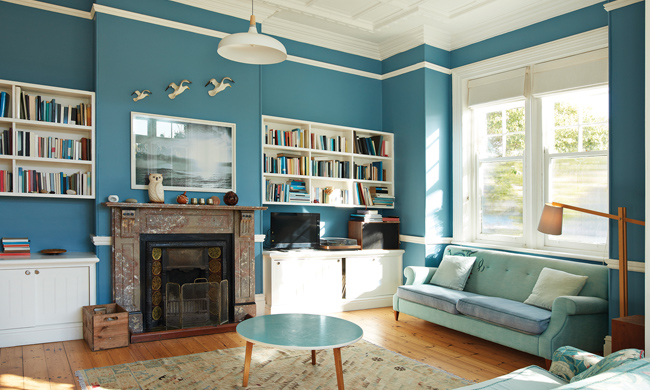
(Family Features) Whether you’re constructing a new home or simply redesigning your current living space, there are many considerations that can truly make a house a home.
Fireplace Considerations
Amid budget considerations, design vision boards, specs and blueprints, amenities like a new fireplace can allow homeowners to celebrate the warmth, comfort and ambiance a fireplace or other hearth product can provide. In fact, 7 out of 10 of homeowners have a fireplace and usage has increased during all four seasons since 2020, according to research from the Hearth, Patio & Barbecue Association (HPBA), showcasing that including a fireplace in your construction or renovation plans is a gift to yourself and your family.
“When we’re designing our ideal homes, too often we may only think about what we want others to see and enjoy when they visit,” said Jack Goldman, president and CEO for HPBA. “The reality is visitors account for less than 1% of your in-home time. A fireplace is for you and your family, a personal addition that serves you and your household in more ways than you may realize.”
Consider these four benefits of including a fireplace as part of your next home update:
- It can be a sanctuary from the ever-changing world outside. As people continue to spend more time at home, a fireplace can serve as a source of calm and relaxation, helping you and your family escape from the challenges daily life may throw your way.
- It’s an artful piece of decor to display year-round. Whether it’s a centerpiece for your living room or family room, or an accent to your bedroom, bathroom or study, a creatively designed fireplace can provide an artful design element for your home, no matter the season.
- It’s a safe, reliable heating source. A fireplace is an extra layer of security when weather wreaks havoc and can provide safe, reliable heat and lighting in the event of a power outage.
- It can be the heartbeat of your home. Between screen time, remote work schedules and commitments to extracurricular activities, many families experience fragmented home lives. A fireplace, though, can serve as a central gathering spot for you and your loved ones when together.
To learn more about the benefits of fireplaces and find a nationwide directory of specialty retailers and certified installers, visit HPBA.org/House-warming.
Fireplace Safety Tips
Whether it’s the warm glow of the fire, the crackle of the wood or the deep penetrating warmth, woodburning fireplaces have a way of making people feel relaxed and at home. However, there are some precautions that should be taken to ensure safe operation:
- Never leave a fire unattended.
- Keep a fire extinguisher on hand.
- Keep small children and pets away from the fireplace.
- Clear an area of at least 3 feet around the fireplace of furniture, books, newspaper and other potentially flammable materials.
- Inspect gaskets, door seals and the chimney annually.
- Have the chimney professionally cleaned as necessary to ensure it’s clear of obstructions and creosote.
- Install smoke and carbon monoxide detectors.
- Utilize fireplace tools to tend the fire.
- Never burn garbage, rolled newspaper, charcoal, plastic or chemically treated or painted wood.
- Avoid using gasoline or any liquid accelerant to help start a fire.
- Do not overload the fireplace to avoid burning wood or embers tumbling out.
- Never close the damper until embers have completely stopped burning.
Photos courtesy of Getty Images
SOURCE:
Hearth, Patio & Barbecue Association
Welcome to the Consumer Corner section of STM Daily News, your ultimate destination for savvy shopping and informed decision-making! Dive into a treasure trove of insights and reviews covering everything from the hottest toys that spark joy in your little ones to the latest electronic gadgets that simplify your life. Explore our comprehensive guides on stylish home furnishings, discover smart tips for buying a home or enhancing your living space with creative improvement ideas, and get the lowdown on the best cars through our detailed auto reviews. Whether you’re making a major purchase or simply seeking inspiration, the Consumer Corner is here to empower you every step of the way—unlock the keys to becoming a smarter consumer today!
https://stmdailynews.com/category/consumer-corner
Author




home improvement
Going Beyond Aesthetics: 7 Home Design Trends for 2026
Heading into a new year, home design is once again evolving. Homeowners are blending comfort, personality, sustainability and connections to the outside world this year. Whether you’re refreshing a room or planning a full-blown makeover, consider these ideas for inspiration that feels both timeless and fresh.

Last Updated on April 2, 2026 by Daily News Staff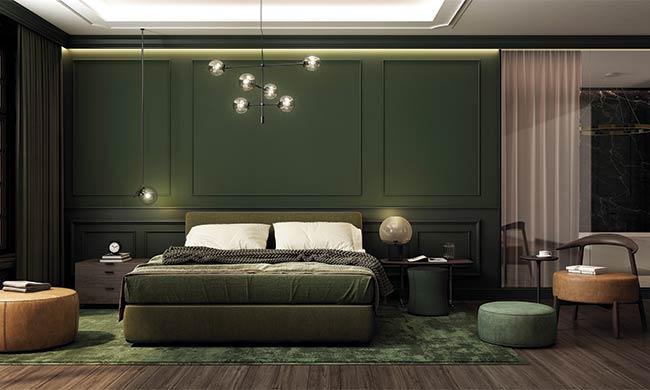
(Feature Impact) Heading into a new year, home design is once again evolving. Homeowners are blending comfort, personality, sustainability and connections to the outside world this year. More than just aesthetics, these trends are warm, intentional and rooted in real life.
Whether you’re refreshing a room or planning a full-blown makeover, consider these ideas for inspiration that feels both timeless and fresh.
Warm, Earthy Palettes
This year, say goodbye to whites and cool grays. Instead, cozy earth tones like clay, sage, caramel and rich neutrals create a grounded, inviting atmosphere. Refresh walls or cabinetry with these earthy hues or try color-drenching – using a single hue in varying tones across walls, trim and ceilings – for a bold new vibe that feels both timeless and modern.
Flowing, Curved Shapes
As homes trend more toward feeling lived-in rather than staged, hard edges and rigid forms are taking a backseat. In 2026, curves are everywhere: soft archways, rounded furniture and curved statement pieces – think circular mirrors or oversized armchairs – create fluid, comforting spaces.
Natural Materials and Textures
Designs this year celebrate materials that age beautifully, like natural stone, reclaimed wood and textiles that tell a story. Consider woven pillows and throws, handmade pottery, textured walls and wood with visible grain to enrich rooms with sensory detail and an artisanal feel.
Personalized Nostalgia
Blend vintage finds with contemporary art to create a space that’s truly your own. That means vintage finds, heirloom pieces and decor that evokes memory – even quilted textiles or classic checkered tiles – styled in fresh, modern ways to add warmth and individuality.
Attention to Statement Details
Small details are getting big attention this year. Swapping out basic cabinet hardware and lighting fixtures for artisanal, tactile metals can help elevate kitchen cabinets or bathroom vanities, turning them into design statements.
Flexible, Multifunctional Spaces
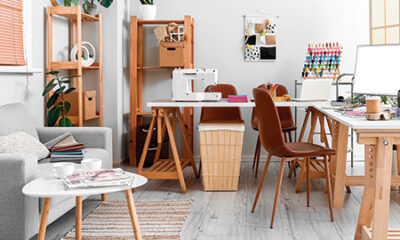
With hybrid work and lifestyle blending continuing into 2026, rooms should be designed to serve multiple purposes. Reading nooks can double as workstations. Living rooms effortlessly transition from day to night. Adaptable furniture, hidden storage and smart layouts help make multifunctional spaces feel intentional and uncluttered.
Outdoor-Inspired Interiors
The connection to nature grows stronger inside homes with greenery, natural light and materials that echo the outdoors. From indoor-outdoor flow to plant-rich spaces that feel alive and tranquil, biophilic design promotes calm, comfort and connection.
Visit eLivingtoday.com to find more design inspiration to make your home more personal and grounded in comfort.
Photo courtesy of Shutterstock

SOURCE:
Welcome to the Consumer Corner section of STM Daily News, your ultimate destination for savvy shopping and informed decision-making! Dive into a treasure trove of insights and reviews covering everything from the hottest toys that spark joy in your little ones to the latest electronic gadgets that simplify your life. Explore our comprehensive guides on stylish home furnishings, discover smart tips for buying a home or enhancing your living space with creative improvement ideas, and get the lowdown on the best cars through our detailed auto reviews. Whether you’re making a major purchase or simply seeking inspiration, the Consumer Corner is here to empower you every step of the way—unlock the keys to becoming a smarter consumer today!
Last Updated on April 2, 2026 by Daily News Staff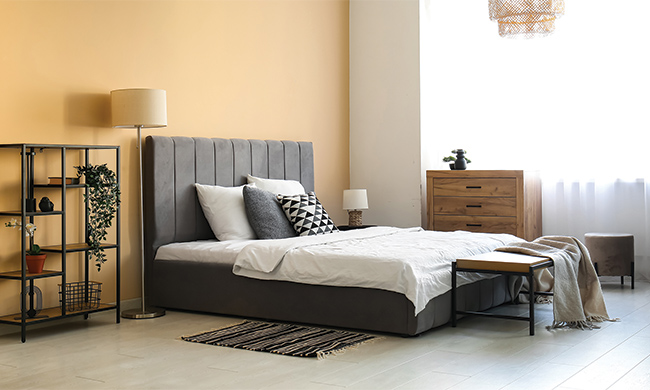
(Feature Impact) Making changes to a bedroom doesn’t have to break the bank. Simple swaps, a little DIY and some inexpensive purchases can go a long way toward freshening up the place you lay your head.
Better Bedding
If you can’t remember the last time you bought a new comforter, it may be time to snag one. Think beyond the luxury home stores and check out discount home decor retailers and even thrift stores, where you can often find new, unopened bedding at a fraction of the cost. A fluffy throw blanket in a dynamic new color might be the perfect way to rejuvenate your bed.
Playful Pillows
Few things spruce up a bedroom more than new throw pillows. Available in a myriad of sizes and shapes – from squares to rectangles to asymmetrical – there is no shortage of ways to use these functional pieces to brighten up a space.
Uplifting Light
Old-fashioned lamps, ancient wall sconces and dusty chandeliers can make a room feel stale. Scouring consignment stores and estate sales for new lighting can take a bedroom from dated to delightful without spending a ton of cash. If big box stores are more your thing, you can find budget lamps in unexpected departments; for example, try the back-to-school sections for dorm-friendly finds like twinkle lights and small bedside lamps. These little pops of light can both brighten and cozy up a room with minimal effort.
Punchy Paint
Repainting a room is a doable DIY project, and it can make a huge difference in how a room looks andfeels. Give yourself time to peruse the countless paint swatches at specialty paint stores or home improvement stores. If you’ve always gravitated toward earthy tones, maybe opt for a color with a little more depth or saturation. If brighter hues are your thing, go a little darker. If you love the idea of painting but worry about buyer’s remorse, start with an accent wall.
Heavenly Hardware
Functional hardware like drawer pulls and doorknobs can be replaced without much effort or money. Secondhand stores, online marketplaces and even furniture boutiques can be a goldmine for offbeat and unique hardware. Be sure to think beyond your bedside, too. Wardrobe handles, closet rods, sconces, wall hooks and hinges can be swapped out easily and inexpensively.
Find more tips and guidance to give your bedroom a budget-friendly upgrade at eLivingtoday.com.
Photo courtesy of Shutterstock

SOURCE:
Welcome to the Consumer Corner section of STM Daily News, your ultimate destination for savvy shopping and informed decision-making! Dive into a treasure trove of insights and reviews covering everything from the hottest toys that spark joy in your little ones to the latest electronic gadgets that simplify your life. Explore our comprehensive guides on stylish home furnishings, discover smart tips for buying a home or enhancing your living space with creative improvement ideas, and get the lowdown on the best cars through our detailed auto reviews. Whether you’re making a major purchase or simply seeking inspiration, the Consumer Corner is here to empower you every step of the way—unlock the keys to becoming a smarter consumer today!

Refresh Your Home: A Room-by-Room Spring Cleaning Checklist
(Feature Impact) After months of winter, spring cleaning isn’t just about dusting and vacuuming – it’s about inviting sunlight and fresh air into your space through the open windows and giving yourself a fresh start for the longer days ahead.
It’s also a perfect opportunity to clear out the old and make room for new experiences, memories and energy. Whether you’re tackling deep cleaning for the first time or you have seasonal rituals for tidying up your home, this room-by-room guide can help you plan and conquer seasonal chores.
Whole Home:
- Declutter spaces: Donate, recycle or discard what you don’t need
- Wash windows inside and out
- Dust baseboards, walls, vents and ceiling fans
- Wipe down doors, knobs and light switches
- Vacuum and clean under and behind furniture
- Clean curtains and blinds
- Store seasonal items like winter clothing and decor
- Replace air filters
- Shampoo carpet
Kitchen:
- Empty and wipe down refrigerator and freezer
- Clean oven, stovetop and microwave
- Scrub countertops and backsplashes
- Clean out the garbage disposal
- Sweep and mop floors
- Organize the pantry and throw away any expired items
Bathrooms:
- Scrub grout and tile
- Clean mirrors and glass surfaces
- Deep clean toilets
- Wipe down cabinets and bathroom fixtures
- Wash rugs, floor mats and the shower curtain and liner
- Empty trash and clean the bin
Bedrooms and Other Living Areas:
- Wash bedding, pillows and linens
- Organize closets and drawers
- Vacuum chair, couches and mattresses as well as under cushions
- Dust shelves and decor
- Clean light fixtures and lampshades
Outdoor Areas:
- Power wash patios, sidewalks and driveways
- Wipe down outdoor furniture and replace textiles like pillows, cushions and umbrellas
- Clear debris from garden beds
- Prune shrubs, plants and trees
- Organize garages and sheds
- Reconnect hoses and sprinklers
- Prep lawn equipment such as mowers, weed eaters and blowers
For more spring cleaning tips and tricks, visit eLivingtoday.com.
Photo courtesy of Shutterstock


SOURCE:
Welcome to the Consumer Corner section of STM Daily News, your ultimate destination for savvy shopping and informed decision-making! Dive into a treasure trove of insights and reviews covering everything from the hottest toys that spark joy in your little ones to the latest electronic gadgets that simplify your life. Explore our comprehensive guides on stylish home furnishings, discover smart tips for buying a home or enhancing your living space with creative improvement ideas, and get the lowdown on the best cars through our detailed auto reviews. Whether you’re making a major purchase or simply seeking inspiration, the Consumer Corner is here to empower you every step of the way—unlock the keys to becoming a smarter consumer today!





