





Daily News
Joyful Thanksgiving: Celebrate and Give Thanks!
Celebrate Thanksgiving with joy and gratitude, as we come together to give thanks for all the blessings in our lives.

Last Updated on November 27, 2025 by Daily News Staff

Wishing you all a Happy Thanksgiving! As we gather with loved ones to express gratitude and share a meal, let’s take a moment to appreciate the blessings in our lives. It’s a time to reflect on the goodness that surrounds us and cherish the moments of joy and togetherness. Whether you’re celebrating with family, friends, or even virtually, may this Thanksgiving be filled with warmth, love, and laughter. Let’s remember to extend kindness and lend a helping hand to those in need, spreading the spirit of gratitude and generosity. Enjoy the holiday and create beautiful memories. Happy Thanksgiving!
Author
Discover more from Daily News
Subscribe to get the latest posts sent to your email.
Blog
DoorDash Driver Arrested After Claiming Sexual Assault: What Really Happened?
A DoorDash driver who claimed she was sexually assaulted during a delivery is now facing felony charges after police say her viral video showed an unconscious, partially nude customer without consent. Here’s what investigators found and why the case is sparking national debate.
Last Updated on December 3, 2025 by Daily News Staff

DoorDash delivery driver involved in a viral video controversy after claiming sexual assault; police say no assault occurred, and the driver now faces felony charges.
DoorDash Driver Arrested After Claiming Sexual Assault: What Really Happened?
A Viral Accusation Turns Into a Criminal Case
A routine food drop-off turned into a national controversy this month after a DoorDash delivery driver claimed she was sexually assaulted during a delivery — only to later be arrested herself following a police investigation. The incident, which quickly spread across TikTok and other platforms, has generated fierce debate over privacy, personal safety, and the power of viral video culture.
The driver, identified as Livie Rose Henderson, posted a video on social media in mid-October claiming that when she arrived at a customer’s home in Oswego, New York, she found the front door open and discovered a man “half-naked and unconscious” on his couch. She publicly described the moment as a sexual assault, saying she felt endangered and traumatized.
Her posts went viral almost immediately, drawing attention from millions of viewers and sparking outrage over the safety risks faced by gig workers — particularly women — who make deliveries to unfamiliar homes.
But the narrative took a dramatic turn.
Police: No Sexual Assault Occurred
According to the Oswego Police Department, an investigation found no evidence that Henderson was sexually assaulted. Instead, authorities say that she:
Entered the home without consent
Recorded the unconscious customer, who was partially nude
Posted the footage online, identifying him
Made claims police say were “false and misleading”
Investigators concluded the man was intoxicated and unconscious, not acting with intent or awareness. As a result, Henderson was arrested and charged with:
Second-degree unlawful surveillance (felony)
First-degree dissemination of unlawful surveillance images (felony)
Police emphasized that recording a person who is nude or partially nude inside their home — regardless of context — constitutes a violation of New York’s surveillance and privacy laws if done without permission.
DoorDash Drops the Driver
Henderson also claimed that DoorDash deactivated her account, something she described as retaliation for “exposing her assaulter.” But following her arrest, DoorDash stated that recording customers inside their homes violates company policy and local laws.
DoorDash said it cooperated with investigators but declined to comment further on personnel matters.
A Complicated Public Reaction
Social media reaction has been sharply divided:
Sympathy for the driver
Many viewers initially supported Henderson, arguing that gig workers often deal with unsafe conditions and should not be forced to decide between finishing a delivery or backing away from a potentially threatening situation.
Backlash over privacy violations
Others argue that Henderson crossed legal and ethical boundaries by:
Entering a private residence
Recording a vulnerable, unconscious person
Posting it publicly
Accusing the individual of a crime without evidence
These actions, critics say, show the dangerous consequences of rushing to social media before police or professional investigators evaluate the facts.
The Larger Issue: Safety vs. Responsibility
This case highlights a broader tension in the era of app-based work and viral content:
Gig workers do indeed face unpredictable and sometimes unsafe situations.
Customers have a right to privacy in their homes.
Social media, meanwhile, rewards the fastest and most dramatic version of a story — even before the truth is known.
As the criminal process continues, Henderson’s case may set a new precedent for how privacy laws interact with the realities of delivery work and the instant visibility of online platforms.
Further Reading
DoorDash driver fired for sharing video of customer, claims sexual assault – Newsweek
Covers the viral video incident and how the driver’s DoorDash account was deactivated after she claimed sexual assault.
Details the police investigation and the subsequent charges filed against the driver.
The Viral ‘DoorDash Girl’ Saga Unearthed a Nightmare for Black Creators – Wired
Analyzes the social media fallout, the viral spread of the video, and the broader implications for gig workers and online creators.
Breaks down the conflicting narratives and public reactions to Henderson’s claims and the viral video.
DoorDash driver charged after recording, posting video of nude customer – WBTV
Official police statement on the investigation and the charges against Henderson.
Doordasher arrested over TikTok of half-naked customer – Law Enforcement Today
Focuses on the legal perspective, privacy violations, and the potential consequences of posting sensitive content online.
STM Daily News is a vibrant news blog dedicated to sharing the brighter side of human experiences. Emphasizing positive, uplifting stories, the site focuses on delivering inspiring, informative, and well-researched content. With a commitment to accurate, fair, and responsible journalism, STM Daily News aims to foster a community of readers passionate about positive change and engaged in meaningful conversations. Join the movement and explore stories that celebrate the positive impacts shaping our world.
Discover more from Daily News
Subscribe to get the latest posts sent to your email.
Community
Support Local: Small Business Saturday – Find Unique Gifts & Boost Your Community
Discover unique gifts and support your community this Small Business Saturday. Shop local and make a positive impact this holiday season.
Last Updated on November 26, 2025 by Daily News Staff
Small Business Saturday is a celebration of the vibrant shopping opportunities within our own communities. This annual event, held on the Saturday after Thanksgiving, encourages us to support local businesses that contribute to our economy and employ a significant portion of the workforce. By shopping at small businesses, we not only find unique and high-quality gifts but also nurture our neighborhoods, tax base, schools, and infrastructure. These businesses take pride in their craftsmanship, offering handcrafted items that make for thoughtful presents. So, when shopping this holiday season, remember to explore local stores, ask for assistance, and discover hidden gems while supporting your community.
Small Business Saturday In the age of Black Friday and Cyber Monday, don’t forget about smaller neighborhood shops. www.stmdailynews.com #smallbusinesssaturday #sbs #supportlocalbusinesses #supportsmallbusinesses #smallbusiness #localbusiness
https://stmdailynews.com/category/the-bridge/

Discover more from Daily News
Subscribe to get the latest posts sent to your email.
News
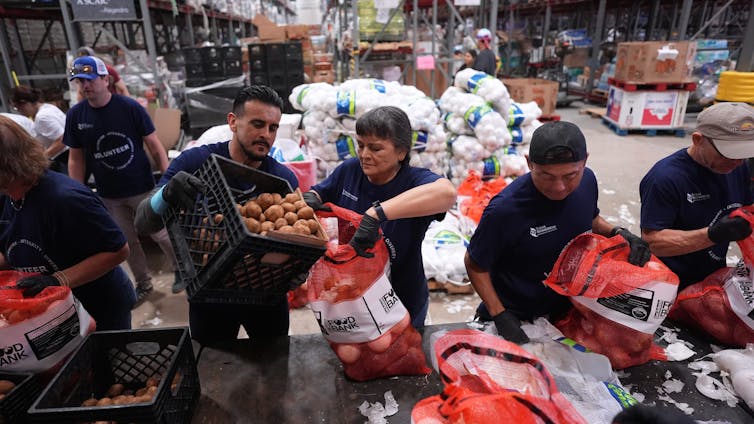
National 211 hotline calls for food assistance quadrupled in a matter of days, a magnitude typically seen during disasters

Last Updated on November 16, 2025 by Daily News Staff
STM Daily News is a vibrant news blog dedicated to sharing the brighter side of human experiences. Emphasizing positive, uplifting stories, the site focuses on delivering inspiring, informative, and well-researched content. With a commitment to accurate, fair, and responsible journalism, STM Daily News aims to foster a community of readers passionate about positive change and engaged in meaningful conversations. Join the movement and explore stories that celebrate the positive impacts shaping our world.
Discover more from Daily News
Subscribe to get the latest posts sent to your email.





