Connect with us

Health

What to Give Someone With Cancer: Skip Fuzzy Socks, Give Practical Help Instead

Research with 50 cancer patients reveals fuzzy socks and care packages often miss the mark. Discover what people with cancer actually want: meal help, grocery gift cards, errand assistance, and practical support that addresses real daily struggles.

Published

on

What to Give Someone With Cancer: Skip Fuzzy Socks, Give Practical Help Instead
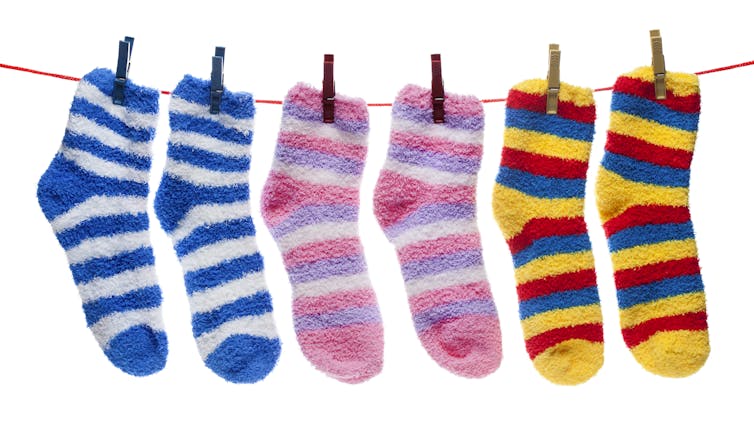
Fuzzy socks are a popular gift for people with a serious illness such as cancer.
pepifoto/iStock via Getty Images Plus

What to Give Someone With Cancer: Skip Fuzzy Socks, Give Practical Help Instead

Ellen T. Meiser, University of Hawaii at Hilo

The season of gifting is in full swing – a time when people scour the internet and shops of all kinds for items that appropriately symbolize their relationships with their loved ones.

Gift givers hope that their gift will appropriately communicate their feelings and bring the recipient joy. But that’s not always the reality. Gifts can be tricky and rife with hidden hazards. Relationships can even be ruined when the mismatch between the giver’s intention and the recipient’s perceptions of it is too vast.

The circumstances of the people involved also shape a gift’s meaning and the way it might be interpreted.

My research partner, Nathalie Rita, and I have been seeking to better understand gifting in one of life’s most dicey, distressing circumstances: cancer.

As sociologists, we use techniques such as in-depth interviews to study the experiences, feelings and motivations of specific groups of people. I focus on restaurant workers and my colleague on migrants and minorities. But in 2021, we were both diagnosed with cancer in our early 30s – breast cancer for me and endometrial cancer for her. This encouraged us to explore the experiences of other young women dealing with cancer.

By 2023, we had interviewed 50 millennial women diagnosed with cancer about a plethora of social and emotional topics related to their illness. Our own bouts with cancer revealed curious patterns in the gifts we very gratefully received from family and friends. So, we included a few questions about gifts in our research.

We expected some eccentric anecdotes similar to our own experiences. But our research, which isn’t yet published, revealed just how much of a mismatch there is between what people wanted and what they received – often driven by the marketing of specific gifts or care packages for cancer patients.

What loved ones give

One of our first questions was, what exactly do women diagnosed with cancer receive from their loved ones? Their answers ran the gamut. Our interviewees reported hundreds of gifts, from stuffed possums to child care help to Vitamix blenders. Friends and family were very eager to shower them in goods.

But from these hundreds of items and acts, 10 popped up over and over again. In order of frequency, they were:

  1. Fuzzy socks.
  2. Food and drinks, particularly herbal teas, groceries, gourmet goodies and Meal Trains.
  3. Money, GoFundMe donations and gift cards.
  4. Blankets.
  5. Fancy, spa-style self-care items.
  6. Written thoughts and prayers.
  7. Flowers and plants.
  8. Mugs, tumblers and bottles.
  9. Adult coloring books.
  10. Books.

The women we spoke with largely understood and appreciated the intentions behind these items in the context of their illness: books to distract, flowers to beautify. They viewed the gifts as material proof that their loved ones wanted to deliver comfort and support in a time of discomfort and helplessness.

But the frequency of certain items perplexed us. Why socks and coloring books instead of, say, Rollerblades and bongs?

Advertisement
Reveal Your Skin's Youthful Radiance with FOREO's LUNA 2 Facial Massager. Shop Now For $199

The long shadow of online commerce and gift guides

We traced these gifting trends to two sources: premade cancer care packages and online gift guides.

Numerous women reported receiving some of the items from our top 10 list in premade care packages sourced from Etsy, Amazon or cancer-specific companies such as Rock the Treatment and The Balm Box. They noted that the contents of these packages felt predictable: spa-style self-care goods such as aromatherapy oils, lip balms and soy candles; herbal teas; a mug with a slogan or ribbon; and hard candies or throat lozenges.

Some received more opulent care packages, similar to Rock the Treatment’s large chemo care package for women, which adds adult coloring books, protein-rich snacks, a beanie and fuzzy socks. These additions mirror our interviewees’ top 10 received gifts even more closely.

Online gift guides published by magazines, news sites and stores may be influencing gifters’ behaviors, too. A Google search for “gift guide” yields countless lists for niche demographics – chicken lovers, mathematicians, even people who are always cold. Online viewership of these lists is prolific. For example, New York Magazine’s product recommendation site, The Strategist, received 10.7 million monthly views in 2021.

The top seven Google-ranked gift guides for cancer patients also contain suggestions that align almost perfectly with what our interviewees reported, with the addition of clothing and jewelry emblazoned with inspirational declarations such as “I’m stronger than cancer!”

These overlaps reflect the broader phenomena of the commodification and commercialization of cancer. As businesses seek to extract economic value out of all aspects of daily life, cancer has become a lucrative business opportunity and patients a source of profit.

Our research suggests that these market forces warp how gift givers perceive people with cancer and their desires. In turning cancer into something profitable, the ugly parts of illness are also glossed over to make cancer palatable to the market. Businesses then sell would-be gifters the idea that cancer can be assuaged by purchasing and giving a bejeweled, teal-ribboned Stanley tumbler.

Additionally, while premade care packages ease the labor of decision-making for gifters, they run a greater risk of disappointing recipients. These generic boxes, we found, can communicate a degree of thoughtlessness at a time when our study participants were aching for thoughtfulness.

Woman delivering groceries to a neighbor
Practical gifts, such as bringing groceries, can help relieve daily stressors for people coping with a serious illness.
SDI Productions/E+ via Getty Images

What to actually gift

So, what do women going through cancer treatment actually want to receive? Our interviewees recommended:

  1. Money in the form of cash or useful gift cards, such as for Door Dash, grocery stores and Petco.
  2. Meals and groceries, particularly if the recipient is a parent with mouths to feed.
  3. Help with errands and tasks such as babysitting, transportation, cleaning and lawn care.
  4. Cards and personal messages of love, which serve as check-ins and gestures of care and support.
  5. Practical self-care items such as thick lotions, face masks and soft soaps that don’t irritate skin.

Pragmatic. Simple. Even a little mundane.

There is some overlap between these recommendations and the frequently received gifts mentioned earlier. But notably, almost none of the women we interviewed expressed a desire for the nonessential items usually stocked in commercial care packages or those associated with profiting from cancer.

Instead, the gifts they felt touched them more deeply were ones that addressed ways in which they felt the disease incapacitated their abilities as a worker, woman, mother or caregiver.

Advertisement
Reveal Your Skin's Youthful Radiance with FOREO's LUNA 2 Facial Massager. Shop Now For $199

Our interviewees spoke of financial strain from medical bills, fatigue preventing them from mothering in ways they used to, and mounting burdens that made it almost impossible to be present for partners or spouses. A monstera plant in a whimsical vase offered little reprieve from these pressures. However, a chat while folding laundry or a Pyrex of enchiladas did.

Perhaps most importantly, such offerings made them feel cared for and seen – their unvarnished circumstances recognized.

So, if a friend with cancer – or any other serious illness, for that matter – is on your list this holiday season, consider hanging those fuzzy socks back on the rack.

Instead, mull over their daily stresses, and choose an item – or a task – that provides a bit of relief.

Ellen T. Meiser, Assistant Professor of Sociology, University of Hawaii at Hilo

This article is republished from The Conversation under a Creative Commons license. Read the original article.


Discover more from Daily News

Subscribe to get the latest posts sent to your email.

Continue Reading
Advertisement Simply Wholesale

Lifestyle

Why the First Year Behind the Wheel is the Most Dangerous: Data Shows Teen Drivers 3 Times More Likely to be in Fatal Crash

Teen drivers are significantly at risk of fatal crashes, with those aged 16-19 being nearly three times more likely to be involved in accidents than older drivers. The first year of driving presents heightened dangers, but with proper preparation, including coaching, technology, and smart insurance, families can mitigate these risks and promote safety.

Published

on

Why the First Year Behind the Wheel is the Most Dangerous: Data Shows Teen Drivers 3 Times More Likely to be in Fatal Crash

Why the First Year Behind the Wheel is the Most Dangerous: Data Shows Teen Drivers 3 Times More Likely to be in Fatal Crash

(Feature Impact) The driver’s license photo may be slightly awkward, but the milestone is unforgettable. For families, a newly licensed teen means independence, busy schedules and a new set of responsibilities.

Motor vehicle crashes remain one of the leading causes of death for U.S. teens, according to the Centers for Disease Control and Prevention (CDC). Data from the National Highway Traffic Safety Administration shows drivers ages 16-19 are nearly three times more likely to be involved in a fatal crash than drivers 20 and older, per mile driven.

The statistics are serious, but they’re also manageable.

“With the right preparation, teen driving doesn’t have to feel overwhelming,” said Susan Irace, manager, divisional claims at Mercury Insurance. “Experience is what young drivers are building. Parents can help shorten that learning curve with structure, technology and smart coverage decisions.”

Why the First Year Matters

Federal safety data shows crash risk is highest in a teen’s first year of independent driving. Night driving, teen passengers and distracted driving increase that risk – while seat belts, graduated licensing laws and supervised practice significantly reduce it.

In 2023, more than 2,800 teens ages 13-19 were killed in motor vehicle crashes nationwide, according to the CDC. However, teen crash rates have declined over time thanks to safer vehicles, graduated driver licensing programs and greater awareness of distracted driving.

Ways to Reduce Teen Driving Risk

17768 B detail embed2
The experts at Mercury Insurance encourage families to focus on preparation rather than panic.

1. Coach Early and Often

  • Log supervised driving time in different conditions – highways, rain, nighttime
  • Create a simple written driving agreement outlining expectations
  • Limit teen passengers during the first year
  • Make seatbelts non-negotiable

2. Let Technology Help

  • Choose vehicles with safety features like automatic emergency braking and blind-spot monitoring
  • Use telematics or safe-driving feedback tools to reinforce good habits
  • Activate smartphone “Do Not Disturb While Driving” settings

3. Review Insurance Before the Keys Change Hands

  • Add teens to your insurance policy promptly
  • Revisit liability limits to protect family assets
  • Ask about good student and driver training discounts

“Insurance is about preparation, not fear,” Irace said. “When families combine active coaching with the right coverage, they’re setting their teen up for safer miles ahead.”

Preparation Turns Risks into Confidence

The first solo drive is a milestone, but preparation determines what comes next. By pairing common-sense coaching with today’s vehicle safety technology and thoughtful insurance planning, families can support independence while managing risk responsibly.

For more teen driver safety tips and coverage guidance, visit MercuryInsurance.com/resources.

Photos courtesy of Shutterstock

Advertisement
Reveal Your Skin's Youthful Radiance with FOREO's LUNA 2 Facial Massager. Shop Now For $199
    

collect?v=1&tid=UA 482330 7&cid=1955551e 1975 5e52 0cdb 8516071094cd&sc=start&t=pageview&dl=http%3A%2F%2Ftrack.familyfeatures
track

SOURCE:

Mercury Insurance

Our Lifestyle section on STM Daily News is a hub of inspiration and practical information, offering a range of articles that touch on various aspects of daily life. From tips on family finances to guides for maintaining health and wellness, we strive to empower our readers with knowledge and resources to enhance their lifestyles. Whether you’re seeking outdoor activity ideas, fashion trends, or travel recommendations, our lifestyle section has got you covered. Visit us today at https://stmdailynews.com/category/lifestyle/ and embark on a journey of discovery and self-improvement.

Author


Discover more from Daily News

Subscribe to get the latest posts sent to your email.

Continue Reading

Lifestyle

Here’s how to maintain healthy smartphone habits

Published

on

Last Updated on March 11, 2026 by Daily News Staff

Person using smartphone in relaxed setting.
Young smiling woman sitting on the bed at home and texting with her smartphone, she is social networking and chatting. Adobe Stock

Shelia R. Cotten, Clemson University

What is the first thing you do in the morning after you awaken? Many people immediately check their phones for notifications of messages, alerts and social media updates by their social ties.

Ninety-seven percent of U.S. adults report owning a cellphone, with 90% reporting that they own a smartphone.

While some researchers and media outlets portray phone use as detrimental, the reality is that the effects of technology use, including phones, vary depending on multiple factors. These include the amount, type, timing and purpose of that use. What is best for one group may not be best for another when thinking about technology use.

As a researcher who studies technology use and quality of life, I can offer some advice to hopefully help you thrive in a phone-saturated world. Some people may struggle with how to effectively use smartphones in their daily lives. And many people use their phones more than they think they do or more than they would like at times.

1. Monitor your use on a weekly basis

If the hours per day are increasing, think about why this is the case and whether this increased use is helping or hurting your everyday activities. An aspect of digital literacy is understanding your usage patterns.

2. Consider how you can use these devices to make your life easier

Using a smartphone can help people access online information, schedule appointments, obtain directions, communicate through a variety of mechanisms and potentially be in constant contact with their social ties.

This availability and access to information and social ties can be beneficial and help people juggle work and family responsibilities. However, it may also be related to work intensification, information overload, decreased well-being and the blurring of work/nonwork boundaries.

Weighing the pros and cons of use may help you understand when your phone use is beneficial versus detrimental.

3. Silence nonessential notifications and alerts

Do you really need to know that an old friend from high school messaged you on Facebook at that particular moment?

Advertisement
Reveal Your Skin's Youthful Radiance with FOREO's LUNA 2 Facial Massager. Shop Now For $199

4. Select particular times during the day for social media

Be deliberate about when you allow yourself to use your phone for social media and other activities. Knowing these times each day may help you concentrate as well as help you to use your phone in more useful and productive ways.

AdobeStock 488109599
Young woman is using smartphone to text while getting ready for bed

5. Avoid phone use at bedtime

Don’t look at your phone last thing before going to sleep or first thing when you awaken. Have you ever checked email one last time before going to sleep, only to find a message that gets your mind racing and ends up impeding your rest?

6. Choose when not to use your phone

Set times and situations when you are not going to use your phone.

Some of my research has shown that using your phone when in the presence of others who are not using devices, particularly older adults, can be perceived as rude, deter communication and induce distress. My colleagues and I termed this situation the physical-digital divide.

7. Find your own phone-use balance

Don’t compare yourself with others in terms of amount of use but be cognizant of when your use is beneficial versus perhaps leading you to feel stressed or distracted.

8. Moderate phone-as-distraction

Using your phone as a distraction is OK, but do it in moderation. If you find yourself constantly turning to your phone when you are bored or working on something that is hard, try to find ways to maintain your focus and overcome the challenges you are experiencing.

a man slouching in an office chair in front of a computer monitor looks at his phone
Using your phone as a distraction isn’t necessarily bad – if you don’t overdo it. Aja Koska/E+ via Getty Images

9. Set boundaries

Let your immediate social ties know that you are not going to be checking your phone constantly. While people often expect immediate responses when they message others, the reality is that the majority of messages do not need an immediate response.

10. Be a savvy consumer of online information

This is not exclusive to phones, but it is relevant given the proportion of people who report using their mobile phones and other digital devices to access news and social media. In the era of mis- and disinformation, being critical of information found online is a necessity.

These suggestions can help you to be more cognizant of how much you are using your phone as well as the reasons you are using it. It’s important for your well-being to be a critical consumer of technology and the information you glean from using your devices, particularly your ever-present mobile phone.

Shelia R. Cotten, Provost’s Distinuished Professor of Sociology, Anthropology and Criminal Justice and Communication, Clemson University

This article is republished from The Conversation under a Creative Commons license. Read the original article.
Our Lifestyle section on STM Daily News is a hub of inspiration and practical information, offering a range of articles that touch on various aspects of daily life. From tips on family finances to guides for maintaining health and wellness, we strive to empower our readers with knowledge and resources to enhance their lifestyles. Whether you’re seeking outdoor activity ideas, fashion trends, or travel recommendations, our lifestyle section has got you covered. Visit us today at https://stmdailynews.com/category/lifestyle/ and embark on a journey of discovery and self-improvement.

Advertisement
Reveal Your Skin's Youthful Radiance with FOREO's LUNA 2 Facial Massager. Shop Now For $199


Discover more from Daily News

Subscribe to get the latest posts sent to your email.

Continue Reading

health and wellness

Study Links Agent Orange Exposure to Higher Risk of Rare Melanoma

A study revealed that U.S. veterans exposed to Agent Orange are at increased risk of developing acral melanoma, a rare skin cancer located in areas not typically exposed to sunlight. With higher odds of diagnosis and poorer prognosis, early detection in veterans is vital for effective treatment and improved outcomes.

Published

on

Last Updated on March 9, 2026 by Daily News Staff

Study Links Agent Orange Exposure to Higher Risk of Rare Melanoma

(Feature Impact) A new study found U.S. veterans exposed to Agent Orange face a higher risk of developing a rare and often overlooked form of melanoma that appears on the hands and feet, and under the nails.

Researchers reported in “JAMA Dermatology that veterans with documented exposure to the herbicide had significantly higher odds of developing acral melanoma, a subtype of skin cancer that forms on the palms, soles and nail beds.

Unlike most melanomas, which are associated with ultraviolet radiation, acral melanoma develops in areas not typically exposed to the sun. It can resemble a bruise under a toenail or a dark patch on the bottom of a foot – locations that are easily missed and not commonly associated with skin cancer.

Because of its unusual appearance and location, acral melanoma is often diagnosed at later stages, when treatment is more difficult and survival rates are lower.

The researchers analyzed 20 years of Veterans Health Administration data, comparing more than 1,200 veterans diagnosed with acral melanoma with more than 5,000 veterans without melanoma. Veterans exposed to Agent Orange had about 30% higher odds of developing the disease.

The findings suggest Agent Orange may be an underrecognized risk factor for acral melanoma, particularly for veterans who may not view themselves as at risk for skin cancer because of limited sun exposure or darker skin tones.

“Identifying exposures that may increase risk can help inform earlier recognition and, ultimately, earlier diagnosis when treatment is most effective,” said Marc Hurlbert, chief executive officer of the Melanoma Research Alliance and a principal investigator on the study.

Senior author Dr. Rebecca I. Hartman of Brigham and Women’s Hospital said acral melanoma behaves differently from other melanomas and often responds less well to current therapies.

“Acral melanoma has a poorer prognosis than the more common cutaneous melanoma because it is often diagnosed at later stages,” Hartman said. “Identifying risk factors is critical to improving detection and outcomes.”

Agent Orange was used extensively during the Vietnam War and exposure has been linked to several cancers and chronic illnesses. These findings add to evidence the herbicide may also affect the skin in ways not reflected in traditional melanoma awareness efforts.

Advertisement
Reveal Your Skin's Youthful Radiance with FOREO's LUNA 2 Facial Massager. Shop Now For $199

Acral melanoma has also been associated with sex, race and ethnicity, and prior skin lesions. Researchers said the study supports treating the disease as distinct from sun-driven melanomas that dominate public education campaigns.

For veterans, the research highlights the importance of examining less visible areas of the body, including the bottoms of the feet, between the toes and under the nails. Changes in nail color, dark streaks or unexplained spots on the palms or soles should be evaluated by a health care provider, especially for those with known Agent Orange exposure.

Researchers said the findings could help guide future screening strategies for higher-risk populations and encourage further study of why acral melanoma differs biologically from other skin cancers.

Find more information at curemelanoma.org.

Photo courtesy of Shutterstock

collect?v=1&tid=UA 482330 7&cid=1955551e 1975 5e52 0cdb 8516071094cd&sc=start&t=pageview&dl=http%3A%2F%2Ftrack.familyfeatures
https://erp.featureimpact.com/api/v1/tracking/17835/10237/track.js

(function () {
var image = new Image(1, 1);
image.src = ‘https://erp.featureimpact.com/api/v1/tracking/17835/10237/track.gif?referrer=’ + window.location.href;
image.id = ‘feature-impact-content-tracking-pixel’;
image.style.position = ‘absolute’;
image.style.top = 0;
image.style.left = 0;
document.body.appendChild(image);
})();


SOURCE:

Melanoma Research Alliance

Our Lifestyle section on STM Daily News is a hub of inspiration and practical information, offering a range of articles that touch on various aspects of daily life. From tips on family finances to guides for maintaining health and wellness, we strive to empower our readers with knowledge and resources to enhance their lifestyles. Whether you’re seeking outdoor activity ideas, fashion trends, or travel recommendations, our lifestyle section has got you covered. Visit us today at https://stmdailynews.com/category/lifestyle/ and embark on a journey of discovery and self-improvement.

Advertisement
Reveal Your Skin's Youthful Radiance with FOREO's LUNA 2 Facial Massager. Shop Now For $199

Discover more from Daily News

Subscribe to get the latest posts sent to your email.

Continue Reading

Trending