

Making a Difference
APS BRINGS VOLUNTEER POWER TO SUPPORT VEGGIES-FOR-VETERANS
APS BRINGS VOLUNTEER POWER TO SUPPORT DIANA GREGORY OUTREACH SERVICES VEGGIES-FOR-VETERANS FOOD DISTRIBUTION EVENT.

Last Updated on June 7, 2024 by Daily News Staff
December 6, 2022: Employee volunteers from the Arizona Public Service Co. (APS) partnered with Gregory’s Fresh Market, a local nonprofit focused on providing healthy food options for area seniors and veterans, to support the Veggies-for-Veterans food distribution drive back in early December. The drive was also co-sponsored by State Farm Insurance and Peddler’s Son Produce. APS volunteers helped assemble and distribute 700 bags of fresh fruits and vegetables to veterans.
Jeff Guldner, CEO of APS, who is also a veteran, was part of the team of APS volunteers.
“I served as a surface warfare officer in the U.S. Navy, and I’m pleased to participate in the food distribution event,” said Goulder. “I couldn’t be prouder of our APS employees for demonstrating the power of volunteerism in putting energy behind Veggies-for-Veterans and improving the quality of life for veterans in need.”
Diana Gregory, CEO of Gregory’s Fresh Market, coordinates sponsors, volunteers and produce vendors to provide thousands of pounds of produce to area seniors and veterans.
“Nearly 25 percent of veterans have diabetes and many more show signs of pre-diabetes,” said Gregory. “Fresh fruits and vegetables are an essential part of any healthy diet. A goal of the program is to help educate veterans about diabetes and the role a healthy diet plays in preventing or controlling diabetes. We are thankful to APS for their help in supporting the cause.”
Held five times a year at the Carl T. Haydens’ VA Medical Center, 650 E. Indian School Rd. in Phoenix, Veggies-for-Veterans brings together community partners to offer healthy food choices for veterans. The goal of the mobile-market event is to help teach veterans how to shop healthy and to encourage them to have healthy choices in their diet.
Gregory’s Fresh Market is a division of Diana Gregory Outreach Services, whose mission is to enrich lives through healthy eating. They provide access to fresh produce for low-income seniors, veterans and vulnerable individuals experiencing health disparities. Their services are focused on holistic health, nutrition and fitness through on-site farmers’ markets and educational programs.
Source: Diana Gregory
Links:
https://dianagregory.com/gregorys-fresh-market/
Visit the Bridge: https://stmdailynews.com/category/the-bridge/
Author


Stories of Change
Senior Assist Day Marks Four Years of Supporting Seniors in South Phoenix
Senior Assist Day celebrates four years of serving seniors at Tanner Gardens in South Phoenix, led by Assistory Outreach Services and founder Jon Taylor.

Senior Assist Day Marks Four Years of Supporting Seniors in South Phoenix
PHOENIX, AZ — Senior Assist Day reached a meaningful milestone this year, marking four years of service to seniors living at Tanner Gardens in South Phoenix. Hosted by Assistory Outreach Services, the annual event continues to provide dignity, connection, and practical support to an often-overlooked population.
A Personal Beginning
The origins of Senior Assist Day are deeply personal for Assistory Outreach Services founder and CEO Jon Taylor.
“The origin of me going to Tanner Gardens was when I was with the 100 Black Men of Phoenix. We used to do a luncheon for seniors around December.”
That early connection took on new meaning as Taylor’s mother began showing signs of dementia, inspiring him to create an event rooted in empathy and care.
“I got a great feeling from being around those senior citizens. Senior Assist Day is roughly based on my mother.”
An Event That Continues to Grow
What began as a small gathering has grown into a full community experience. Seniors now enjoy catered meals, live music, personal care services, and gifts tailored to their needs.
This year’s event included authentic Mexican food, live holiday music, haircuts provided by AJ’s Barbershop, and the donation of new shoes — a moment that stood out for many attendees.
“Seeing the excitement and how they were reacting to the new shoes was incredible,” Taylor said.
Beyond a Single Day
Senior Assist Day also helps build trust between Assistory Outreach Services and the residents of Tanner Gardens, opening the door to additional programs throughout the year.
Through initiatives like the Digital Access Program for Seniors (DAPs), the organization helps seniors develop basic phone and computer skills, empowering them to stay connected and informed.
Challenges and Purpose
Keeping the event going year after year requires dedication and resources. Taylor personally raises funds and helps purchase gifts for more than 130 residents annually.
Despite the challenges, his motivation remains strong.
“I do feel as though this is my ministry. I’m providing services, and I’m being fulfilled at the same time.”
Looking Ahead
Looking to the future, Taylor envisions Senior Assist Day becoming an all-day celebration, offering expanded services, entertainment, and meals — all focused exclusively on the residents of Tanner Gardens.
As the event enters its fifth year, Senior Assist Day stands as a testament to what consistent community engagement and compassion can achieve.
About Assistory Outreach Services
Assistory Outreach Services is a community-based nonprofit organization dedicated to empowering seniors, low-income residents, and individuals experiencing homelessness. Assistory helps senior citizens embrace technology by teaching basic cell phone and computer skills, using a formula rooted in education, love, and patience to remove fear and build confidence. In addition to senior programming, the organization focuses on serving low-income and homeless populations by providing food boxes, holiday meals, and homeless care packages known as Assist Packs. This year, Assistory Outreach Services is expanding its impact by partnering with other nonprofits and religious organizations to coordinate food distribution through its community food pantry.
Coverage by STM Daily News.
STM Daily News is a multifaceted podcast that explores a wide range of topics, from life and consumer issues to the latest in food and beverage trends. Our discussions dive into the realms of science, covering everything from space and Earth to nature, artificial intelligence, and astronomy. We also celebrate the amateur sports scene, highlighting local athletes and events, including our special segment on senior Pickleball, where we report on the latest happenings in this exciting community. With our diverse content, STM Daily News aims to inform, entertain, and engage listeners, providing a comprehensive look at the issues that matter most in our daily lives. https://stories-this-moment.castos.com/
Author
Stories of Change
The Holiday Spirit Matters But So Does What Happens After
The Holiday Spirit: Holiday generosity is powerful, but community needs don’t end when the decorations come down. Learn practical ways to give back year round—volunteering, donating, sharing skills, and supporting causes you believe in—with help from United Way.

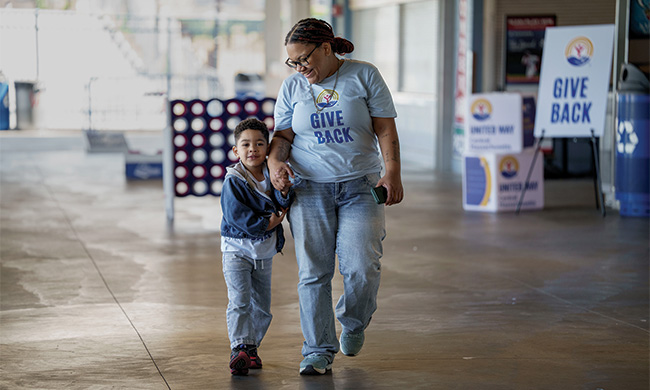
The Holiday Spirit Matters — Why Giving Back Should Last All Year
(Family Features) During the holiday season, many people feel a renewed sense of generosity. It’s a time when communities come alive with food drives, toy collections, volunteer events and donation campaigns – all fueled by the spirit of giving.
While this seasonal energy can be powerful, the need it responds to doesn’t fade when the decorations come down. Giving back is not only essential during the holidays; it’s also the foundation of stronger, more resilient communities year round.
People in nearly every community face challenges – whether it’s affording holiday presents or meeting basic needs like food, rent and utilities. For many families, current economic strains are forcing them to make tough decisions like sacrificing necessities or depleting savings to create moments of holiday joy.
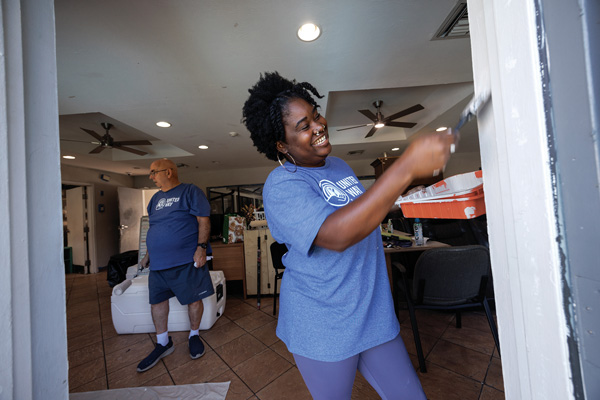 This is a time to rally support and help neighbors in need. Right now, many community members who didn’t previously need help are seeking support. Acts of generosity large and small help close gaps and strengthen communities. When individuals and businesses give their time, resources and talent, they can help ensure everyone has a fair chance to not only survive but thrive.
Communities rely on nonprofit organizations like United Way – one of the oldest and largest organizations committed to tackling local challenges and mobilizing communities to improve lives. With a presence in nearly 99% of communities across the U.S., the organization recognizes the power of giving and relies on seasonal and year-round generosity to deliver food and housing assistance, youth programs, mental health support, disaster recovery and more.
This holiday season and beyond, to assist your community consider taking actions such as:
Volunteering
Offering your time is one way to make a real change in your community while helping build a more resilient future for all. What’s more, research shows the personal benefits of volunteering, such as reduced feelings of isolation, loneliness and risk of depression. Whether it’s a community event, ongoing support or in-person activities, making a difference for others feels good.
Donating
Sharing your financial resources can play a vital role in helping communities thrive. Your donation can help put food on the table for families in need, support kids who are struggling or provide mental health services to the most vulnerable individuals. Remember, your gift of any size combines with the gifts of others and builds stronger, more resilient communities.
Sharing Expertise or Talent
Generosity can take many forms. Making a difference isn’t just about time and money; it can also mean sharing skills or knowledge, and even social networks to bolster charitable efforts. Giving back builds a shared sense of responsibility. It reminds people that strong communities don’t happen by accident – they’re created through connection, compassion and collective action.
Supporting Causes You Believe In
Every community faces their own unique, pressing challenges and almost everyone has a cause that’s close to their hearts. Identify organizations working to advance those causes and make a plan to support them.
Find opportunities to support your community this holiday season and make generosity a year-round tradition at unitedway.org/local.
SOURCE:
United Way
Nourishing Our Heroes: Eight Years of Impact at Phoenix VA’s Veggies for Veterans
Stories of Change: People Making a Difference
Discover inspiring stories of changemakers making a positive impact. Explore videos and articles of people tackling today’s biggest challenges with action and hope. Visit: https://stmdailynews.com/stories-of-change/
STM Daily News is a multifaceted podcast that explores a wide range of topics, from life and consumer issues to the latest in food and beverage trends. Our discussions dive into the realms of science, covering everything from space and Earth to nature, artificial intelligence, and astronomy. We also celebrate the amateur sports scene, highlighting local athletes and events, including our special segment on senior Pickleball, where we report on the latest happenings in this exciting community. With our diverse content, STM Daily News aims to inform, entertain, and engage listeners, providing a comprehensive look at the issues that matter most in our daily lives. https://stories-this-moment.castos.com/
Stories of Change
Delivering What Matters Most This Holiday Season
Delivering What Matters! This holiday season, give gifts that matter. Support UNICEF’s mission to deliver essentials like nutrition, education, and shelter to children worldwide through meaningful charitable giving.
Last Updated on December 24, 2025 by Daily News Staff
Delivering What Matters Most This Holiday Season
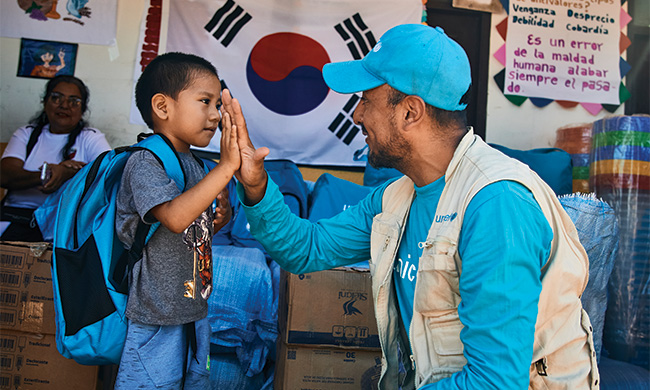
(Family Features) As families prepare for the holidays, presents and packages fill doorsteps seemingly on demand. For millions of children around the world, however, each delivery carries more than convenience – it carries purpose.
For example, UNICEF continues its lifesaving work, delivering essentials like nutrition, shelter and warm clothes to children who need it most. From Sudan to Ukraine, Gaza to Malawi and beyond, the organization delivers more than just supplies – it provides a hopeful future for children around the world. When conflict unfolds, when disaster strikes or when the winter cold hits, the organization’s critical aid is never out of reach, even for the world’s hardest-to-reach children.
This holiday season, give a gift that matters. With UNICEF Market and Inspired Gifts, you can bring education and lifesaving tools to children around the world. An Art Therapy Kit can give children an outlet needed to heal while a Math Classroom Kit can open doors to brighter futures. Through The K.I.N.D. Fund – now celebrating its 15th anniversary – you can support education in Malawi by providing children with desks and scholarships to help kids go beyond elementary school learning levels.
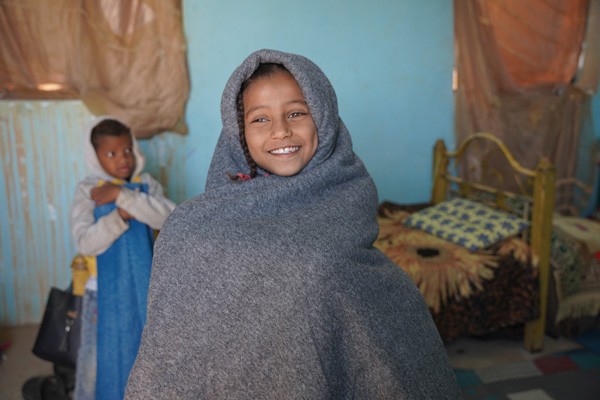 You can send Essential Winter Kits – filled with clothing – to ensure children stay safe through the cold months. Every gift fuels the mission of pursuing a more equitable world for every child. These partner gift ideas also support the organization’s global work:
Your Marriott Bonvoy points can protect and care for children worldwide. From Dec. 2-9, the travel company will match five points for every point members donate to philanthropic partners, up to 25 million total points. Furthermore, members who earn 50 or 75 qualifying nights in a calendar year are eligible to select UNICEF to benefit from their Annual Choice Benefit with a $100 USD donation. Learn more at giving.marriott.com.
Give the gift of holiday radiance with The Serum by Clé de Peau Beauté. Whether you are treating yourself or a loved one, this gift is sure to spread some cheer. Since 2019, the brand has proudly donated $14.5 million total to UNICEF to support girls’ education and empowerment around the world. Find out how you can help unlock the power of girls at cledepeaubeaute.com.
To help tackle the stigma around poor mental health and provide support for children, young people and caregivers globally, Jo Malone London will donate a minimum of 70% of the recommended retail price from each Charity Home Candle sold to the U.S. Fund for UNICEF with a commitment to raise at least $200,000 from July 1, 2025 by June 30, 2026. For more information, visit jomalone.com.
Children of the world are too often at risk, exposed to conflicts, diseases and natural disasters that threaten their safety and well-being. Since 2016, Louis Vuitton has helped protect these children through its partnership with UNICEF. Each year, the brand creates a dedicated Silver Lockit collection in support of UNICEF’s work, and more than $24 million has been donated through this initiative. For 2025, a new design was created in collaboration with House Ambassador and UNICEF Korea Goodwill Ambassador Felix. Engraved with the word “DREAM,” representing every child’s right to grow, live and learn in a nurturing environment with access to education, health care and protection. For each piece purchased, $100-200 will be donated to help deliver life-saving assistance and education to children in urgent need around the world. Learn more at us.louisvuitton.com.
Visit unicefusa.org/stories/delivering-vital-supplies-children-who-need-them-most to learn more and deliver what matters most to children this holiday season.
SOURCE:
UNICEF
Stories of Change: People Making a Difference
Discover inspiring stories of changemakers making a positive impact. Explore videos and articles of people tackling today’s biggest challenges with action and hope. Visit: https://stmdailynews.com/stories-of-change/





