

music and concerts
Bob Marley’s Posthumous Album: ‘Africa Unite’ Celebrates Reggae and Afrobeats
Celebrate the fusion of Reggae and Afrobeats with Bob Marley’s posthumous album ‘Africa Unite’.

Last Updated on September 6, 2025 by Daily News Staff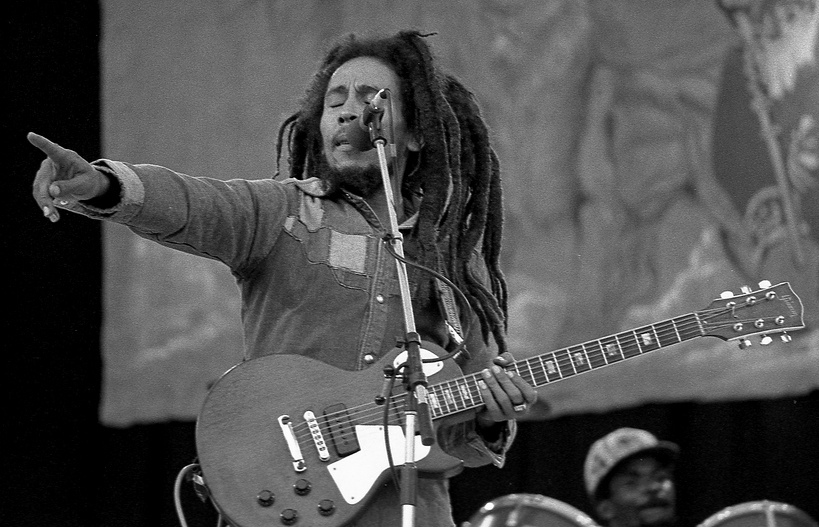
Bob Marley’s enduring legacy takes a vibrant new turn with the release of the posthumous album Africa Unite. Released on August 4, 2023, this remarkable collection reimagines his classic reggae anthems through the lens of Afrobeats—melding soulful Caribbean roots with the infectious rhythm and energy of modern African music.
The album features ten tracks, each offering a fresh interpretation of Bob Marley’s timeless messages. The full tracklist is as follows:
So Much Trouble In The World – Nutty O & Winky D
Them Belly Full (But We Hungry) – Rema & Skip Marley
Redemption Song – Ami Faku
Waiting In Vain – Tiwa Savage
Turn Your Lights Down Low – Afro B
Three Little Birds – Teni & Oxlade
Buffalo Soldier – Stonebwoy
Stir It Up – Sarkodie
Jamming – Ayra Starr
One Love – Patoranking
This powerhouse lineup of African acts brings a mix of flavors—from Zimbabwe’s Nutty O & Winky D to South Africa’s Ami Faku, Ghana’s Sarkodie and Stonebwoy, Nigeria’s Rema, Tiwa Savage, Teni, Oxlade, Ayra Starr, and Patoranking, plus Côte d’Ivoire’s Afro B, all accompanied by Skip Marley bridging the heritage with fresh voices.
Before the album dropped, several singles were released:
“Stir It Up” by Sarkodie (Ghana).
“Waiting In Vain” by Tiwa Savage (Nigeria).
“Three Little Birds” by Teni & Oxlade (Nigeria)—which was both the lead single and a herald for the album.
Cedella Marley reflected on the project, saying “Africa Unite is an album that showcases the importance of Bob Marley in modern-day Africa. The artists featured have reimagined his classics in a way we know he would have loved and been proud of.”
This project not only bridges generations but also geographies—merging reggae’s soulful depth with Afrobeats’ vibrant pulse, echoing Bob Marley’s vision of unity and Pan-African solidarity.
Key Corrections & Enhancements:
The album was released in 2023, not a recent release.
The tracklist now reflects official sources and accurate artist pairings.
The lead single was “Three Little Birds” featuring Teni & Oxlade—not “Them Belly Full (But We Hungry)” as initially stated.
Cedella Marley’s quote is affirmed with cited references.
The fusion of Reggae and Afrobeats is emphasized with accurate context.
Bob Marley/ Rock and Roll Hall of Fame: https://www.rockhall.com/inductees/bob-marley
Source: Meg McLean Corso, UMe
Author


McDonald’s is blending fast food, fandom and Korean-inspired flavors in a new collaboration with Netflix tied to the hit film KPop Demon Hunters. Beginning March 31, the chain will roll out two limited-time adult meals inspired by the movie’s rival groups, HUNTR/X and the Saja Boys, along with collectible photocards and app-based fan experiences. The promotion will be available at participating McDonald’s restaurants nationwide.


McDonald’s KPop Demon Hunters meals
The campaign introduces two themed meals built around the film’s central rivalry. The Saja Boys Breakfast Meal includes a Spicy Saja McMuffin, hash browns and a small soft drink, while the HUNTR/X Meal features a 10-piece Chicken McNuggets, medium soft drink, Ramyeon McShaker Fries, Hunter Sauce and Demon Sauce. McDonald’s said the menu was inspired in part by flavors from its South Korea restaurants, aiming to connect fans to the movie through food as well as pop culture.
The promotion also includes collectible card packs with each meal. Customers will receive a photocard featuring either HUNTR/X or the Saja Boys, plus a Derpy access card that can be scanned and entered in the McDonald’s app by April 26 to unlock early access to exclusive content and a special reveal tied to the “Battle for the Fans.” A new Derpy McFlurry, made with vanilla soft serve, berry popping pearls and wild berry sauce, will also be sold separately during the promotion.
McDonald’s and Netflix both described the collaboration as a way to bring fans deeper into the world of KPop Demon Hunters through menu items and interactive experiences. For STM Daily News readers in the food and drink section, the release highlights how major brands are increasingly turning entertainment partnerships into immersive dining promotions that combine limited-time flavors, collectible merchandise and digital engagement.
Related Links
Source
Entertainment
Bad Bunny Set to Make History at Apple Music Super Bowl LX Halftime Show
Bad Bunny will headline the Apple Music Super Bowl LX Halftime Show on February 8, 2026, at Levi’s Stadium, marking a historic moment for Latin music. Industry leaders praise his cultural impact and global influence. The event promises to deliver an unforgettable performance, celebrating Bad Bunny’s significance in today’s music scene.

Last Updated on January 2, 2026 by Daily News Staff
Global superstar will take center stage at Levi’s Stadium in February 2026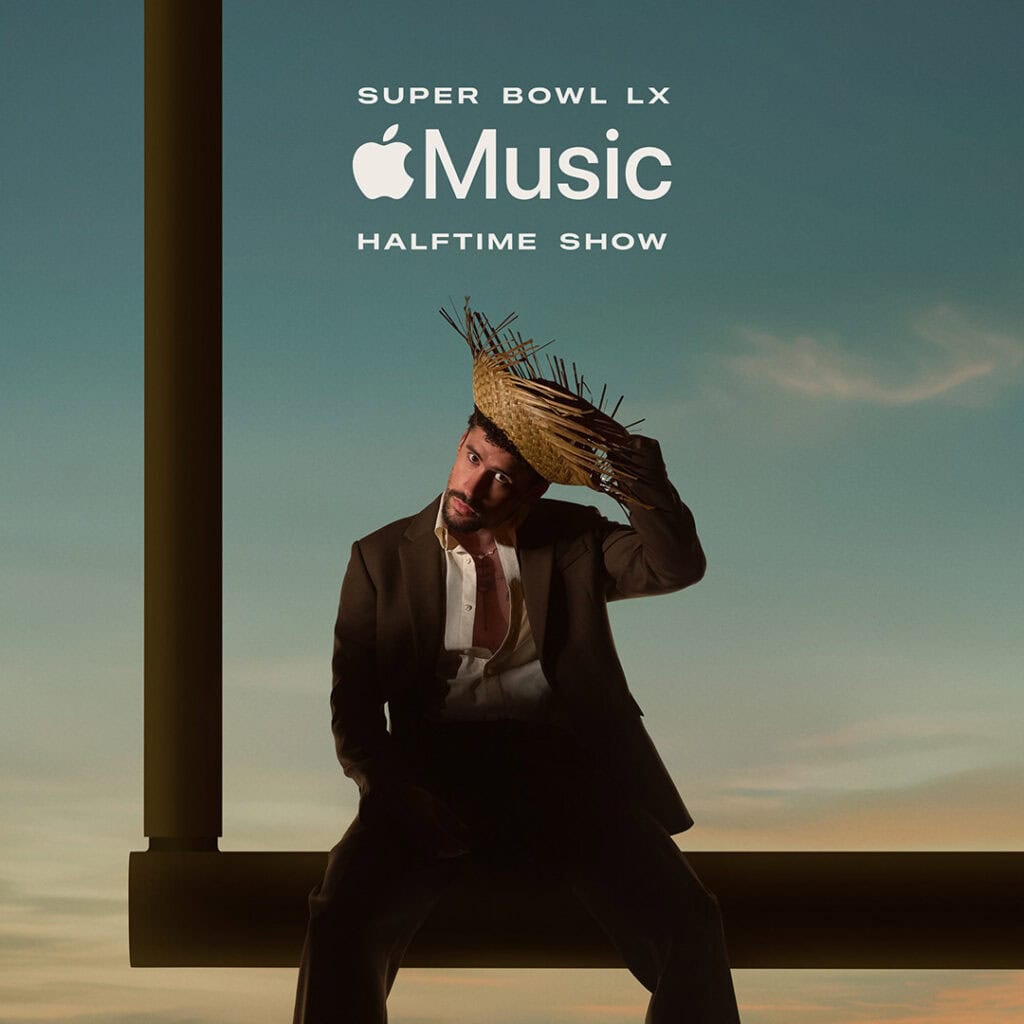
The NFL, Apple Music, and Roc Nation dropped major news this week that’s sending shockwaves through the music and sports worlds: three-time GRAMMY® Award-winning artist Bad Bunny will headline the Apple Music Super Bowl LX Halftime Show on February 8, 2026, at Levi’s Stadium in Santa Clara, California.
A Historic Moment for Latin Music
For Bad Bunny, this isn’t just another performance—it’s a cultural milestone. The Puerto Rican sensation expressed the profound significance of this opportunity in his own words:
“What I’m feeling goes beyond myself. It’s for those who came before me and ran countless yards so I could come in and score a touchdown… this is for my people, my culture, and our history. Ve y dile a tu abuela, que seremos el HALFTIME SHOW DEL SUPER BOWL.”
The announcement represents a watershed moment for Latin music on the world’s biggest stage, with Bad Bunny becoming one of the first Latin artists to solo headline the Super Bowl Halftime Show.
Industry Leaders Weigh In
Shawn “JAY-Z” Carter, whose Roc Nation serves as strategic entertainment advisor for the performance, praised Bad Bunny’s impact: “What Benito has done and continues to do for Puerto Rico is truly inspiring. We are honored to have him on the world’s biggest stage.”
Jon Barker, the NFL’s SVP of Global Event Production, highlighted why Bad Bunny is the perfect fit for this moment: “Bad Bunny represents the global energy and cultural vibrancy that define today’s music scene. As one of the most influential and streamed artists in the world, his unique ability to bridge genres, languages, and audiences makes him an exciting and natural choice.”
Oliver Schusser, Apple’s Vice President of Music, Sports and Beats, emphasized the artist’s cultural impact: “Few artists embody that intersection [of music and culture] more perfectly and authentically than Bad Bunny. His music has not only broken records but has elevated Latin music to the center of pop-culture.”
Tune In to the Special Announcement
Apple Music Radio is celebrating the news with a special Halftime Headliner broadcast featuring Zane Lowe, Ebro Darden, and surprise guests. The show aired Monday, September 29th at 9:30am ET across Apple Music Radio platforms.
What to Expect
The Apple Music Super Bowl LX Halftime Show will be produced by DPS, with Roc Nation and Jesse Collins serving as executive producers and Hamish Hamilton directing. The performance will air on NBC during Super Bowl LX, bringing Bad Bunny’s explosive stage presence and genre-defying music to an audience of millions.
A Winning Tradition
The Apple Music Super Bowl Halftime Show has become synonymous with excellence, racking up multiple Emmy wins in recent years. The Apple Music Super Bowl LIX Halftime Show starring Kendrick Lamar became the most-watched Super Bowl Halftime Show ever, earning four Emmy nominations and winning Outstanding Music Direction. Previous shows featuring Usher, Rihanna, and the legendary lineup of Dr. Dre, Snoop Dogg, Eminem, Mary J. Blige, and Kendrick Lamar have collectively earned dozens of nominations and awards.
With Bad Bunny’s proven track record of delivering unforgettable performances and his massive global fanbase, the Apple Music Super Bowl LX Halftime Show is shaping up to be one of the most anticipated musical events of 2026.
Mark your calendars for February 8, 2026—this is one performance you won’t want to miss.
What are your thoughts on Bad Bunny headlining the Super Bowl? Will you be tuning in? Let us know in the comments below, and follow Apple Music on social media for more updates as we get closer to game day.
Related Links
Official Announcements & Streaming:
Follow the Conversation:
- Apple Music on Instagram
- Apple Music on TikTok
- Apple Music on X (Twitter)
- Apple Music on YouTube
- Apple Music on Facebook
- Apple Music on Snapchat
More Super Bowl Halftime Content:
- Kendrick Lamar’s Record-Breaking Super Bowl LIX Performance
- Usher’s Super Bowl LVIII Halftime Show Highlights
- Rihanna’s Historic Super Bowl LVII Return
- The Evolution of the Super Bowl Halftime Show
Explore Bad Bunny:
- Bad Bunny on Apple Music
- Bad Bunny’s GRAMMY Wins and Nominations
- The Rise of Latin Music in Pop Culture
Looking for an entertainment experience that transcends the ordinary? Look no further than STM Daily News Blog’s vibrant Entertainment section. Immerse yourself in the captivating world of indie films, streaming and podcasts, movie reviews, music, expos, venues, and theme and amusement parks. Discover hidden cinematic gems, binge-worthy series and addictive podcasts, gain insights into the latest releases with our movie reviews, explore the latest trends in music, dive into the vibrant atmosphere of expos, and embark on thrilling adventures in breathtaking venues and theme parks. Join us at STM Entertainment and let your entertainment journey begin! https://stmdailynews.com/category/entertainment/
and let your entertainment journey begin!
actors & performers
What Was the Cause of Michael Jackson’s Death?
Michael Jackson died on June 25, 2009 from acute propofol and benzodiazepine intoxication. Learn what the coroner found, why his death was ruled a homicide, and how Dr. Conrad Murray was held responsible.

What Was the Cause of Michael Jackson’s Death?
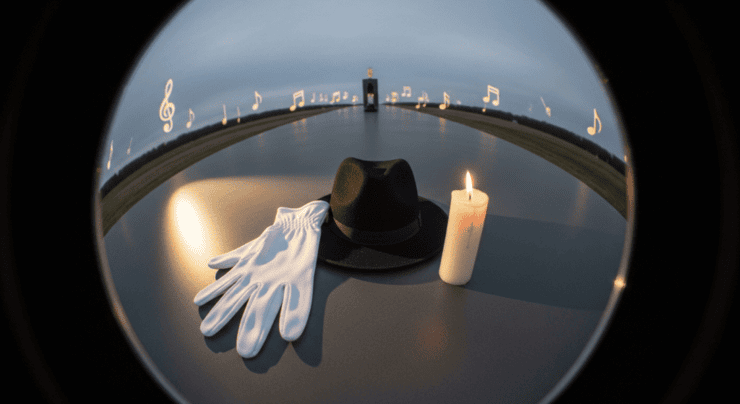
On June 25, 2009, the world lost one of its most influential entertainers when Michael Jackson died at the age of 50. The Los Angeles County Coroner determined that Jackson’s death was caused by acute propofol and benzodiazepine intoxication. The powerful anesthetic propofol—administered in a home setting—combined with sedatives created a fatal mix that stopped his breathing.
Jackson’s personal physician, Dr. Conrad Murray, was later found guilty of involuntary manslaughter for administering the drugs without proper monitoring or medical safeguards. The ruling underscored the dangers of using hospital-grade anesthesia outside a controlled environment.
Michael Jackson’s passing remains one of the most discussed celebrity deaths in modern history, marking a tragic end to the life of a groundbreaking artist whose music still shapes global culture.
Related Links
- LA Times – Coroner Rules Michael Jackson’s Death a Homicide
- New York Times – Michael Jackson Dies at 50
- CNN – Dr. Conrad Murray Found Guilty
- BBC – Understanding the Drugs Involved in Jackson’s Death
- Biography.com – The Final Days of Michael Jackson
- Rolling Stone – Timeline of the Death Investigation
- NBC News – Why Propofol Is So Dangerous Outside Hospitals
Dreambreaker: A Pickleball Story — A Closer Look at the Documentary and Its Uncredited Voice
Authors






