

Consumer Corner
Comforting Color: Fill your home with balance and hope

Last Updated on June 26, 2024 by Daily News Staff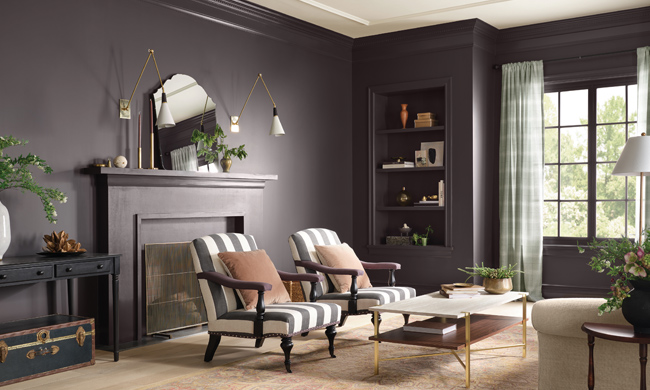
(Family Features) In the world of design, what’s old inevitably becomes new again, and a similar pattern is inspiring today’s on-trend color palettes for home decor. The latest styles reflect reviving and comforting colors influenced by heritage and romance, lending to a look that is familiar in an individualistic way.
With more people living their everyday, working lives at home, many homeowners are discovering the contentment that comes with slowing down. Often that means looking to the past to find comfort for moving forward.
Nostalgia serves as an emotional tool that delivers deep-rooted serenity and powerful healing properties. Looking to the past is often beneficial during times of uncertainty and can be an opportunity to bring styles and practices back to the present to create an appreciation of the past.
Whether living through the romance of rural lifestyles, the comfort of home or the nostalgia from far-off times, some of today’s most beloved design aesthetics celebrate the past, present and future while bringing balance, hope and comfort for you and your family to embrace.
Timeless Color
Using color to evoke feelings and emotions is hardly new but combining a carefully curated color palette with other design elements can allow you to create a look that pays homage to the past while breathing new life into your living space.
Reimagining classic, familiar tones allows you to achieve a design motif that is equal parts reminiscent and refreshing.
“The Vintage Homestead Color Collection offers an effortless look that reveals the importance of being hopeful to find stability and balance,” said Ashley Banbury, HGTV Home by Sherwin-Williams senior color designer. “Our 2023 Color Collection of the Year revives elements from the past that are perfectly paired with vintage, comfortable and classic colors.”
Blending Past and Present
Striking a balance between old and new can take many forms, as these styles show:
- Heritage Revival: An interest in reviving the past is evident in design trends like a remerging appreciation of antiques and vintage elements, such oversized furniture and traditional shapes. To capture this style, your design should focus on contrasting old and new for a mix-and-match look. Ultimately, the aesthetic is a look that feels simultaneously individualistic and curated.
A cohesive color scheme can allow the various elements to stand on their own while working in harmony for an intentional design. For example, the HGTV Home by Sherwin-Williams 2023 Color Collection of the Year includes a combination of familiar tones that have been thoughtfully curated by design experts who borrow color and design concepts from the past for a hopeful future and a sense of belonging. Hues like Poetry Plum and Hot Cocoa evoke warmth and depth, while moderate shades like Restrained Gold and Glamour offer fresh ways to incorporate mid-range neutrals. Meanwhile, soft tones like Natural Linen and Cool Beige offer subtle color for lighter, brighter spaces. - Mixing and Matching of Eras:A new take on retro design is emerging in which eras are blended and new and old furnishing work side by side. To get this look, you’ll craft a space that marries historical and contemporary design, celebrating both the old and new. To design for longevity, incorporate pieces that are ambiguous in era and stand the test of time.
- Vintage Homestead:Reviving design elements from the past with mixed patterns, classic shapes and vintage decor adds up to comfortable and comforting design. With this trend, prints and patterns encompass a range of styles, reinforcing how interiors connect to fashion. Mixing classic elegance with sleek vintage shapes is refining the concept of polished comfort. To achieve the look, curate pieces in heritage shapes and patterns, along with retro accents. Be sure to incorporate vintage lighting and glass, as well.
A versatile color choice like Darkroom, the 2023 Color of the Year from HGTV Home by Sherwin-Williams, is an alluring shade that is classic enough for heritage interiors but also modernly retro for a throwback-inspired aesthetic. It’s a neutral perfect for creating an eclectic yet modern look inside and out. Indoors, use it on the walls to offset more earthy brown and taupe tones in your furnishings and textiles.
Get inspired to combine the past with the present for a comforting design that’s all your own at hgtvhomebysherwinwilliams.com.
Crafting a Conservatory
Today’s homeowners are also increasingly interested in biophilic design and bringing the outdoors in, which prompts a conservatory aesthetic in home design. To achieve the look, design your space to make maximum use of natural light in creative ways. Incorporate large potted trees and statement plants that blur the lines between indoors and outdoors.
SOURCE:
HGTV Home by Sherwin-Williams
https://stmdailynews.com/category/consumer-corner
Author


Automotive
Driving Habits May Cost More Than You Think: Data-Backed Driving Techniques to Reduce Fuel Costs and Vehicle Wear


Rising Fuel Costs
(Feature Impact) If you’re feeling pain at the pump, you’re not alone. However, it’s not just rising gas prices that can impact your wallet – it might be your own habits on the road that negatively impact fuel efficiency and add extra strain to your vehicle.
With gas prices fluctuating by more than $1 per gallon nationally in recent years, Mercury Insurance is highlighting how driver behavior can significantly influence fuel costs.
According to the U.S. Department of Energy, aggressive driving – rapid acceleration and hard braking – can reduce fuel economy by up to 40% in city driving and 30% on highways, increasing annual fuel expenses by hundreds of dollars.
For the average American driver, that inefficiency adds up quickly. AAA estimates that annual fuel costs can exceed $2,000 depending on vehicle type and region. A 30-40% reduction in fuel economy can translate into hundreds of dollars in additional fuel expenses each year – before factoring in the added wear on key vehicle components.
“Most drivers think of aggressive driving as a safety issue, but it’s also a cost issue,” said John Dicken, director, material damage claims at Mercury Insurance. “From a claims standpoint, we see how habits like hard braking and rapid acceleration accelerate wear on brakes, tires and suspension components. Smoother driving isn’t just more efficient – it helps reduce preventable damage over time.”

The Hidden Cost of Driving Aggressively
Fuel is only part of the equation.
- Brake replacement can range from $300-800 per axle, depending on the vehicle.
- A new set of tires can cost $600-1,200 or more.
- Poorly maintained or underinflated tires can lower gas mileage by roughly 0.2% for every 1 PSI drop in pressure, according to federal transportation data.
Over time, inconsistent maintenance and aggressive driving habits compound these costs.
“Driving behavior directly impacts how often certain parts need to be replaced,” Dicken said. “When drivers anticipate traffic, maintain steady speeds and keep up with routine maintenance, they reduce strain on their vehicle and potentially avoid unnecessary repair expenses.”
Practical Eco-Driving Tips That Make a Measurable Difference
Consider these strategies recommended by Mercury Insurance to improve efficiency and reduce vehicle wear:
Accelerate gradually: Avoid rapid starts and jackrabbit acceleration, which significantly reduce fuel economy.
Brake smoothly and anticipate stops: Looking ahead and easing into stops reduces stress on brake systems.
Maintain consistent speeds: Using cruise control on highways can help improve fuel efficiency.
Keep tires properly inflated: Check tire pressure monthly and before long trips. If you’re unsure what your vehicle’s tires should be inflated to, locate the sticker inside the driver’s side door jamb for the proper PSI inflation or refer to the owner’s manual.
Remove excess weight: Extra cargo and unused roof racks reduce efficiency and increase drag.
Efficiency, Safety and Sustainability
The Environmental Protection Agency reports that transportation accounts for roughly 28% of total U.S. greenhouse gas emissions. While vehicle technology continues to improve, individual driving behavior remains one of the most immediate ways drivers can reduce both fuel consumption and environmental impact.
“Small, consistent changes in how we drive can produce meaningful savings over time,” Dicken said. “It’s one of the simplest ways drivers can protect both their budget and their investment.”
For more information about efficient driving and other cost saving measures, visit MercuryInsurance.com/Resources.
Photos courtesy of Shutterstock


SOURCE:
Explore the latest in innovation, AI, gadgets, startups, and digital trends in STM Daily News’ Techsection.

Refresh Your Home: A Room-by-Room Spring Cleaning Checklist
(Feature Impact) After months of winter, spring cleaning isn’t just about dusting and vacuuming – it’s about inviting sunlight and fresh air into your space through the open windows and giving yourself a fresh start for the longer days ahead.
It’s also a perfect opportunity to clear out the old and make room for new experiences, memories and energy. Whether you’re tackling deep cleaning for the first time or you have seasonal rituals for tidying up your home, this room-by-room guide can help you plan and conquer seasonal chores.
Whole Home:
- Declutter spaces: Donate, recycle or discard what you don’t need
- Wash windows inside and out
- Dust baseboards, walls, vents and ceiling fans
- Wipe down doors, knobs and light switches
- Vacuum and clean under and behind furniture
- Clean curtains and blinds
- Store seasonal items like winter clothing and decor
- Replace air filters
- Shampoo carpet
Kitchen:
- Empty and wipe down refrigerator and freezer
- Clean oven, stovetop and microwave
- Scrub countertops and backsplashes
- Clean out the garbage disposal
- Sweep and mop floors
- Organize the pantry and throw away any expired items
Bathrooms:
- Scrub grout and tile
- Clean mirrors and glass surfaces
- Deep clean toilets
- Wipe down cabinets and bathroom fixtures
- Wash rugs, floor mats and the shower curtain and liner
- Empty trash and clean the bin
Bedrooms and Other Living Areas:
- Wash bedding, pillows and linens
- Organize closets and drawers
- Vacuum chair, couches and mattresses as well as under cushions
- Dust shelves and decor
- Clean light fixtures and lampshades
Outdoor Areas:
- Power wash patios, sidewalks and driveways
- Wipe down outdoor furniture and replace textiles like pillows, cushions and umbrellas
- Clear debris from garden beds
- Prune shrubs, plants and trees
- Organize garages and sheds
- Reconnect hoses and sprinklers
- Prep lawn equipment such as mowers, weed eaters and blowers
For more spring cleaning tips and tricks, visit eLivingtoday.com.
Photo courtesy of Shutterstock


SOURCE:
Welcome to the Consumer Corner section of STM Daily News, your ultimate destination for savvy shopping and informed decision-making! Dive into a treasure trove of insights and reviews covering everything from the hottest toys that spark joy in your little ones to the latest electronic gadgets that simplify your life. Explore our comprehensive guides on stylish home furnishings, discover smart tips for buying a home or enhancing your living space with creative improvement ideas, and get the lowdown on the best cars through our detailed auto reviews. Whether you’re making a major purchase or simply seeking inspiration, the Consumer Corner is here to empower you every step of the way—unlock the keys to becoming a smarter consumer today!
Consumer Corner
Unilever, Google Cloud Strike Five-Year AI Partnership to Reshape Consumer Goods Marketing


Unilever and Google Cloud have announced a five-year partnership aimed at accelerating the consumer goods giant’s digital transformation through AI, cloud infrastructure, and data modernization.
The deal centers on helping Unilever strengthen brand discovery, marketing measurement, and AI-driven customer engagement across its global portfolio, which includes Dove, Vaseline, and Hellmann’s. A major focus is the rise of conversational and agentic commerce, where consumers increasingly discover and shop for products through AI-powered interactions rather than traditional search and browsing.
As part of the agreement, Unilever will migrate its integrated data and cloud platform to Google Cloud, creating what the companies describe as an AI-first digital backbone. That system is intended to help Unilever move faster on demand generation, turn data into actionable insights, and respond more quickly to shifts in the market.
The partnership is built around three pillars:
- Agentic commerce and marketing intelligence
- An integrated data and cloud foundation
- Advanced AI adoption across the business
Unilever leadership framed the move as part of a broader shift in which technology is becoming central to value creation in the fast-moving consumer goods sector. Google Cloud said the collaboration will use advanced AI models, including Gemini, to help modernize business processes and improve agility.
Unilever said it generated €50.5 billion in sales in 2025, operates in more than 190 countries, and reaches 3.7 billion people every day.
What to watch for
- How “agentic commerce” changes consumer brand discovery
- Whether other major CPG companies follow with similar AI-cloud partnerships
- How AI-backed marketing measurement impacts ad efficiency and conversion
Source: PR Newswire / Google Cloud
Welcome to the Consumer Corner section of STM Daily News, your ultimate destination for savvy shopping and informed decision-making! Dive into a treasure trove of insights and reviews covering everything from the hottest toys that spark joy in your little ones to the latest electronic gadgets that simplify your life. Explore our comprehensive guides on stylish home furnishings, discover smart tips for buying a home or enhancing your living space with creative improvement ideas, and get the lowdown on the best cars through our detailed auto reviews. Whether you’re making a major purchase or simply seeking inspiration, the Consumer Corner is here to empower you every step of the way—unlock the keys to becoming a smarter consumer today!
https://stmdailynews.com/category/consumer-corner







