

Lifestyle
Despite naysayers and rising costs, data shows that college still pays off for students – and society overall
College graduates earn significantly more than high school graduates, but rising costs and policy changes affect enrollment. The need for educated workers is increasing, necessitating reforms in higher education to align skills with job market demands and improve access.

Despite naysayers and rising costs, data shows that college still pays off for students – and society overall
Stanley S. Litow, Columbia University
No industry has perhaps felt the negative effect of a radical shift in federal policy under the second Trump administration more than higher education.
Many American colleges and universities, especially public institutions, have experienced swift and extensive federal cuts to grants, research and other programs in 2025.
Meanwhile, new restrictive immigration policies have prevented many international students from enrolling in public and private universities. Universities and colleges are also facing other various other challenges – like the threat to academic freedom.
These shifts coincide with the broader, increasingly amplified argument that getting a college degree does not matter, after all. A September 2025 Gallup poll shows that while 35% of people rated college as “very important,” another 40% said it is “fairly important,” and 24% said it is “not too important.”
By comparison, 75% of surveyed people in 2010 said that college was “very important,” while 21% said it was “fairly important” and 4% said it is “not too important.”
Still, as a scholar of education, economic development and social issues, I know that there is ample and growing evidence that a college degree is still very much worth it. Graduating from college is directly connected to higher entry-level wages and long-term career success.
A growing gap
Some people argue that a college degree does not matter, since there might not be enough jobs for college graduates and other workers, given the growth of artificial intelligence, for example. Some clear evidence shows otherwise.
An estimated 18.4 million workers with a college degree in the U.S. will retire from now through 2032, according to Georgetown University’s Center on Education and the Workforce. This is far greater than the 13.8 million workers who will enter the workforce with college degrees during this same time frame.
Meanwhile, an additional 685,000 new jobs that require college degrees – spanning from environmental positions to advanced manufacturing – will be created from now through 2032.
The gap between those expected to leave and enter the workforce with college degrees creates a serious problem. One major question is whether there will be enough people to fill the available jobs that require a college degree.
In 2023, foreign-born people made up 16% of registered nurses in the U.S., though that percentage is higher in certain states, like California. But restrictions on immigration could limit the number of potential nurses able to fill open positions.
Nursing and teaching are two fields expected to grow over the next few decades, and they will require more workers due to retirements.
Other fields, like accounting, engineering, law and many others, are also expected to have more college-educated workers retire than there are new workers to fill their positions.
Worth the cost
The average annual salary of a college graduate from the class of 2023 was US$64,291 in 2024, according to the National Association of Colleges and Employers.
The overall average salary for this graduation class one year after they left school marked an increase from the average $60,028 that the class of 2022 earned in 2023, equivalent to $63,850 today.
While there is not available data that offers a direct comparison, full-time, year-round workers ages 25 to 34 with a high school diploma earned $41,800 in median annual earnings in 2022, or $46,100 today.
Overall lifetime earnings for those with college degrees is about about $1.2 million more than people with a high school make, according to the recent Georgetown findings.
People who earn more generally have more money to support their families and contribute to their immediate communities. Their higher taxes also contribute to the U.S. economy, supporting needed services like education, public safety and health care.
People with college degrees are also more likely than those who are not college graduates to vote, volunteer and make charitable donations to help others in need.
College matters for individuals, but it clearly also helps improve the economy.
With 64 public colleges across the state, the State University of New York system is the largest post-secondary network of higher education schools in the country. For every $1 the state of New York invests in SUNY, the SUNY system returns $8.70 to the state in terms of economic growth, according to 2024 findings by the Rockefeller Institute, an independent public policy research organization affiliated with SUNY. And that is only one state.

A new way forward
It isn’t likely that the expected number of college-educated people who will soon retire will suddenly decrease, or that the anticipated number of people entering the workforce will unexpectedly increase.
There are practical reasons why some people do not want to go to college, or cannot attend. Indeed, the percentage of young people enrolled as college undergraduates fell almost 15% from 2010 through 2022.
For one, tuition and fees at private colleges have increased about 32% since 2006, after adjusting for inflation. And in-state tuition and fees at public universities have also grown about 29% since 2006.
The total of federal student loan debt for college has also tripled since 2007. It stood at about $1.84 trillion in 2024.
I believe that in order to ensure enough college-educated people can fill the anticipated work openings in the future, universities and the government should embrace needed changes to increase both enrollment and completion rates.
Artificial intelligence will transform work worldwide, for example, and that shift should be incorporated into higher education curriculum and degrees. Soft skills – like problem-solving, collaboration, presentation and writing skills – will become more important and should be prioritized in the learning process.
I believe that universities should also prioritize experiential education, including paid internships that offer students academic credit. This can help students gain experience that is both accredited and is connected to direct career pathways.
Universities and high schools could also expand how much they offer microcredentials – or short, focused learning programs that offer practical skills in a specific area – so students can connect their education with clear career pathways.
These reforms aren’t easy. They require a commitment to change, and all of this work will require deep partnerships with the government. While that might be a heavy lift currently at the federal level, it is both possible and achievable to make advances on these and other changes at the state level.
American universities and colleges have always been key to preparing the workforce for economic opportunity. At the end of World War II, for example, Columbia University and IBM worked together to help create the academic discipline now called computer science.
This action did more than help one university or one employer. It fueled change across higher education and across private companies and the government, leading to massive economic growth.
Universities have made countless other contributions to strengthen and expand the economy. Considering solutions to some of the challenges that stop students from going to college could help ensure that more students see the value in a college education – and a tangible way for them to connect it to a future career.
Stanley S. Litow, Adjunct Professor of International and Public Affairs, Columbia University
This article is republished from The Conversation under a Creative Commons license. Read the original article.
STM Daily News is a multifaceted podcast that explores a wide range of topics, from life and consumer issues to the latest in food and beverage trends. Our discussions dive into the realms of science, covering everything from space and Earth to nature, artificial intelligence, and astronomy. We also celebrate the amateur sports scene, highlighting local athletes and events, including our special segment on senior Pickleball, where we report on the latest happenings in this exciting community. With our diverse content, STM Daily News aims to inform, entertain, and engage listeners, providing a comprehensive look at the issues that matter most in our daily lives. https://stories-this-moment.castos.com/
Author

Discover more from Daily News
Subscribe to get the latest posts sent to your email.


home gardening
Start Planning Now for a Thriving Spring Garden
Winter offers an ideal time to plan for a successful spring garden. Assess your current space, research planting ideas, and design an efficient layout. Enhance soil health with compost, start seeds indoors for stronger plants, and organize tools to ensure readiness for the growing season. Prepare now for a thriving garden.
Last Updated on March 11, 2026 by Daily News Staff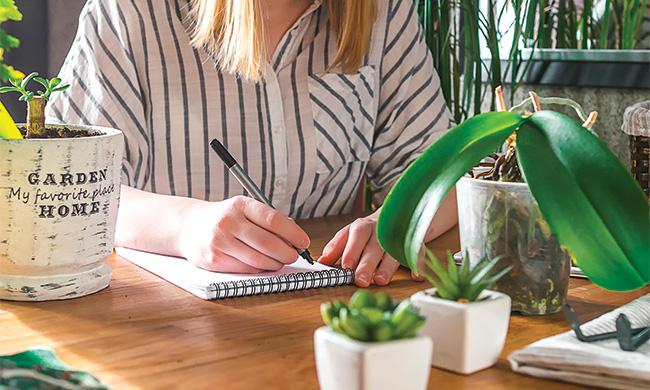
Start Planning Now for a Thriving Spring Garden
(Family Features) While winter weather puts outdoor gardening on pause in most parts of the country, the colder months offer a perfect opportunity to begin preparing for a lush garden come springtime.
With a little creativity, and some extra time spent creating a plan, you can set yourself on a path toward success before the growing season even begins.
Assess Your Space and Research Ideas
Evaluate your current garden, taking note of what worked well last season and where improvements can be made. Use this downtime to sketch an updated layout, research companion plants and decide which fruits, vegetables or flowers you want to grow next based on what did (or didn’t) work last spring.
Build an Updated Blueprint
Winter is the ideal time to upgrade your garden design and make tweaks for efficiency. Use the offseason to consider crop rotation patterns for optimal soil health as well as ways to maximize your space such as raised beds, trellises or containers. You can also make a list of materials needed for any new features you may be adding, such as an irrigation system, and map out their placement so you’re ready to build as soon as the weather allows.
Nourish the Soil
Even if the ground is frozen, you can prepare your garden beds by adding compost, leaves or organic matter in late winter, ensuring nutrients are available when spring arrives. Also remember to test your soil’s pH level now, which can help guide your fertilization plan.
Start Seeds Indoors
If you’re eager to get your hands dirty, consider starting your seeds indoors. Early seed starting gives plants a head start, allowing you to transplant stronger seedlings outdoors when temperatures warm.
Get Organized
Use the slower pace of winter to clean and sharpen your garden tools, sort through leftover seeds and make a supply checklist so you’re ready to dig in when warmer days arrive.
Find more advice to get your garden ready to burst to life in spring at eLivingtoday.com.
Photo courtesy of Shutterstock
SOURCE:
Discover more from Daily News
Subscribe to get the latest posts sent to your email.
pets
‘Pawty’ Tips for Celebrating Your Pets
People spent $147 billion on pets last year. Dog birthday parties are trending. Tips: spacious play areas, engaging activities, personalized details, insect control, themed snacks, and friendly guest lists.
Last Updated on March 11, 2026 by Daily News Staff
(Family Features) It’s no secret – people love their pets. Last year alone, people spent $147 billion on their pets, according to the American Pet Products Association, which included throwing what has turned into one of the hottest invites on social media these days: pet parties. There have been more than 1 million posts using #DogBirthday to show off these celebrations.
With dog birthday parties and adoptions being celebrated across the country, entertainment ideas can be borrowed from regular parties – but the special guests will need to be taken into account when planning a party designed for pooches.
Plan a pup party with these tips from Mindy Weiss, a best-selling author and event planner for notable celebrity clients.
Plan for a Place to Play
When hosting a dog party, make sure there is plenty of space for the pups to play, whether it’s a fenced yard or a large indoor area. The more room they have to zoom around, the happier (and safer) everyone will be.
Keep the dogs entertained with activities like a ball pit, kiddie pool or basket of tennis balls. If you’re feeling ambitious, hide treats around the yard for the dogs to find. It’s a great way to keep their tails wagging and their minds engaged while they have a blast.
Personalize Party Details
Subtle accents can elevate any party. Pick a theme that can come to life through the decor and details, such as a “retro dog disco,” where both the humans and dogs can dress up. Small touches like personalized dog tags or themed water bowls and dog treats can make any pet party a memorable event.
Avoid Party Crashers
When guests and dogs are moving indoors and out, alongside (often messy) food, flying insects will likely try to sneak their way in. That’s why no party is complete without this top pet party essential – the STEM Attracts and Traps Flying Insects Light Trap. It is people- and pet-friendly when used as directed, insecticide-free and uses a soft UV light to attract flying insects with a dual-sided, refillable cartridge to trap them. It can also be used throughout the home in kitchens, garages, around pet feeding stations and more.
Remember the Pup Parents
Don’t forget about the humans. While the dogs are the guests of honor, the humans might also enjoy a nibble. Consider staying on theme with mini hot dogs, bone-shaped pretzels or “pup pop” cake pops.
Bring on the Besties
Just like humans have best friends, dogs do too. Before sending out invites, make sure the guest list includes dogs that are friendly with your pup and play well with others. A little pre-party check can help ensure everyone has a good time.
Learn more at stemforbugs.com.
SOURCE:
STEM
Our Lifestyle section on STM Daily News is a hub of inspiration and practical information, offering a range of articles that touch on various aspects of daily life. From tips on family finances to guides for maintaining health and wellness, we strive to empower our readers with knowledge and resources to enhance their lifestyles. Whether you’re seeking outdoor activity ideas, fashion trends, or travel recommendations, our lifestyle section has got you covered. Visit us today at https://stmdailynews.com/category/lifestyle/ and embark on a journey of discovery and self-improvement.
Discover more from Daily News
Subscribe to get the latest posts sent to your email.

Last Updated on March 11, 2026 by Daily News Staff
Shelia R. Cotten, Clemson University
What is the first thing you do in the morning after you awaken? Many people immediately check their phones for notifications of messages, alerts and social media updates by their social ties.
Ninety-seven percent of U.S. adults report owning a cellphone, with 90% reporting that they own a smartphone.
While some researchers and media outlets portray phone use as detrimental, the reality is that the effects of technology use, including phones, vary depending on multiple factors. These include the amount, type, timing and purpose of that use. What is best for one group may not be best for another when thinking about technology use.
As a researcher who studies technology use and quality of life, I can offer some advice to hopefully help you thrive in a phone-saturated world. Some people may struggle with how to effectively use smartphones in their daily lives. And many people use their phones more than they think they do or more than they would like at times.
1. Monitor your use on a weekly basis
If the hours per day are increasing, think about why this is the case and whether this increased use is helping or hurting your everyday activities. An aspect of digital literacy is understanding your usage patterns.
2. Consider how you can use these devices to make your life easier
Using a smartphone can help people access online information, schedule appointments, obtain directions, communicate through a variety of mechanisms and potentially be in constant contact with their social ties.
This availability and access to information and social ties can be beneficial and help people juggle work and family responsibilities. However, it may also be related to work intensification, information overload, decreased well-being and the blurring of work/nonwork boundaries.
Weighing the pros and cons of use may help you understand when your phone use is beneficial versus detrimental.
3. Silence nonessential notifications and alerts
Do you really need to know that an old friend from high school messaged you on Facebook at that particular moment?
4. Select particular times during the day for social media
Be deliberate about when you allow yourself to use your phone for social media and other activities. Knowing these times each day may help you concentrate as well as help you to use your phone in more useful and productive ways.
5. Avoid phone use at bedtime
Don’t look at your phone last thing before going to sleep or first thing when you awaken. Have you ever checked email one last time before going to sleep, only to find a message that gets your mind racing and ends up impeding your rest?
6. Choose when not to use your phone
Set times and situations when you are not going to use your phone.
Some of my research has shown that using your phone when in the presence of others who are not using devices, particularly older adults, can be perceived as rude, deter communication and induce distress. My colleagues and I termed this situation the physical-digital divide.
7. Find your own phone-use balance
Don’t compare yourself with others in terms of amount of use but be cognizant of when your use is beneficial versus perhaps leading you to feel stressed or distracted.
8. Moderate phone-as-distraction
Using your phone as a distraction is OK, but do it in moderation. If you find yourself constantly turning to your phone when you are bored or working on something that is hard, try to find ways to maintain your focus and overcome the challenges you are experiencing.
9. Set boundaries
Let your immediate social ties know that you are not going to be checking your phone constantly. While people often expect immediate responses when they message others, the reality is that the majority of messages do not need an immediate response.
10. Be a savvy consumer of online information
This is not exclusive to phones, but it is relevant given the proportion of people who report using their mobile phones and other digital devices to access news and social media. In the era of mis- and disinformation, being critical of information found online is a necessity.
These suggestions can help you to be more cognizant of how much you are using your phone as well as the reasons you are using it. It’s important for your well-being to be a critical consumer of technology and the information you glean from using your devices, particularly your ever-present mobile phone.
Shelia R. Cotten, Provost’s Distinuished Professor of Sociology, Anthropology and Criminal Justice and Communication, Clemson University
This article is republished from The Conversation under a Creative Commons license. Read the original article.
Our Lifestyle section on STM Daily News is a hub of inspiration and practical information, offering a range of articles that touch on various aspects of daily life. From tips on family finances to guides for maintaining health and wellness, we strive to empower our readers with knowledge and resources to enhance their lifestyles. Whether you’re seeking outdoor activity ideas, fashion trends, or travel recommendations, our lifestyle section has got you covered. Visit us today at https://stmdailynews.com/category/lifestyle/ and embark on a journey of discovery and self-improvement.
Discover more from Daily News
Subscribe to get the latest posts sent to your email.





