

Food and Beverage
Ideas dulces para postres festivos

Last Updated on July 7, 2024 by Daily News Staff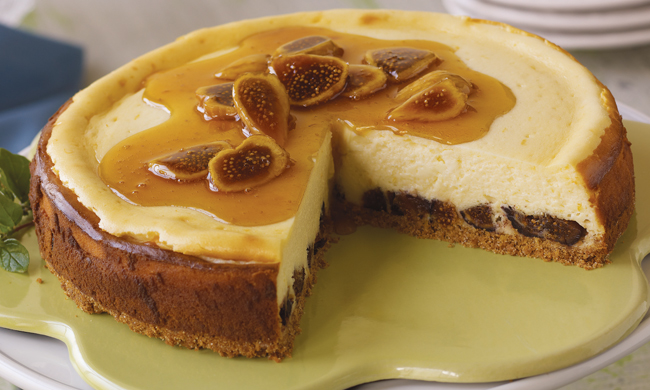
(Family Features) Los postres, protagonistas de las comidas festivas, son el deleite de niños y adultos por igual. Este año, complete su reunión festiva con los deliciosos postres con los higos secos California Dried Figs.
Naturalmente dulces y a la venta durante todo el año, los higos aportan un toque de elegancia a una gran variedad de recetas. Los higos Mission Figs de color púrpura intenso tienen una cáscara suave y delgada y un sabor dulce y frutal, mientras que los higos Golden Figs son de color ámbar con una piel más firme, semillas desarrolladas y un suave sabor a nuez. Ambos son intercambiables en la mayoría de las recetas.
Mantener las tradiciones festivas
Los higos secos California Dried Figs son el ingrediente perfecto para protagonizar sus recetas festivas, en especial para Hanukkah y Navidad. Para aportar un acento frutal sorprendente a los populares postres de pastel de queso, puede agregar higos en rodajas embebidos en limón fresco y miel o puede distribuirlos sobre el pastel de queso, o cortarlos en trozos pequeños y combinarlos con un poco de licor de avellana y caramelo para agregar una base exquisita. Independientemente de lo que celebre, su familia disfrutará estas recetas con higos.
Además de la dulzura que aportan los higos, los California Dried Figs son un ingrediente saludable rico en fibra alimentaria, carbohidratos complejos y minerales esenciales como potasio, hierro y calcio.
Para obtener más información sobre los higos secos Blue Ribbon Orchard Choice y Sun-Maid California Dried Figs, visite www.valleyfig.com.
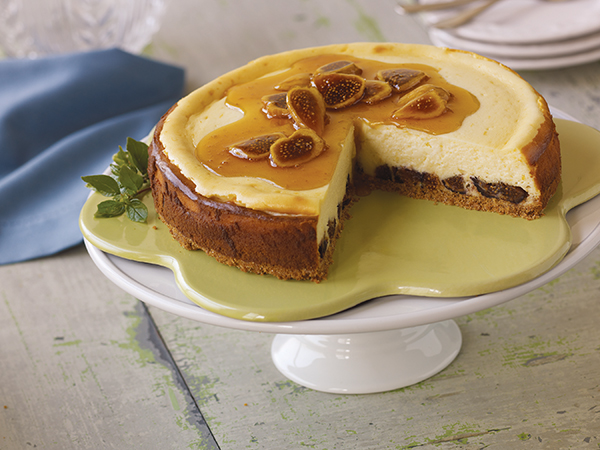
Pastel de queso con higos, limón y miel
Masa:
- 1 taza de migas de galletas integrales
- 2 cucharadas de azúcar granulada
- 3 cucharadas de mantequilla derretida
- 1 taza de higos Blue Ribbon Orchard Choice o Sun-Maid California Figs picados y sin el cabito
Pastel de queso:
- 1 1/2 libra (3 paquetes de 8 onzas) de queso crema suavizado
- 3/4 taza de azúcar granulada
- 1/4 taza de crema agria
- 2 cucharaditas de ralladura de limón
- 1 1/2 cucharadita de extracto de vainilla
- 3 huevos grandes
- 1 limón picado muy fino (para decorar)
Salsa:
- 1/2 taza de agua
- 1/2 taza de miel
- 1/3 taza de jugo fresco de limón
- 1 1/2 cucharadita de fécula de maíz mezclada con 1 cucharada de agua
- 1 taza de higos Blue Ribbon Orchard Choice o Sun-Maid California Figs cortados en rodajas y sin el cabito
- Para la masa, mezcle las migas de galletas y el azúcar, e incorpore la mantequilla. Presione en el fondo del molde desmontable de 9 pulgadas enmantecado. Lleve al horno de 8 a 10 minutos hasta que los bordes estén dorados. Retire del horno, y distribuya los higos de manera uniforme.
- Para el pastel de queso, bata la crema con batidora eléctrica a velocidad media hasta obtener una preparación suave, y raspe con frecuencia los lados del tazón, según fuera necesario. Incorpore gradualmente el azúcar, la crema agria, la ralladura de limón y la vainilla. Añada los huevos de a uno. Agregue la preparación en el molde sobre los higos. Lleve a la rejilla media del horno de 45 a 55 minutos hasta que esté casi cocido en el centro. Deje enfriar. Refrigere durante 4 horas o toda la noche.
- Para la salsa, en una olla pequeña, mezcle agua, miel y jugo de limón. Revuelva mientras cocina a fuego medio hasta que la mezcla comience a hervir. Agregue la mezcla con fécula de maíz, y revuelva por algunos segundos hasta que espese. Retire del fuego, y agregue los higos. Deje enfriar. Refrigere hasta el momento de servir.
- Para servir, pase un cuchillo delgado alrededor del borde del pastel de queso, y desmonte el molde. Corte en porciones, y cubra cada porción con salsa. Si lo desea, decore con rodajas de limón.
Serves
12
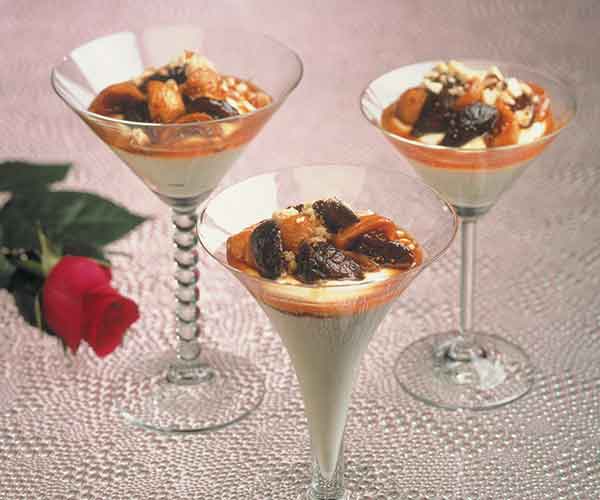
Mousse de pastel de queso con salsa de naranja e higos
Salsa de naranja e higos:
- 1 taza de higos Blue Ribbon Orchard Choice o Sun-Maid California Figs cortados en rodajas y sin el cabito
- 2/3 taza de jugo de naranja
- 1/3 taza de azúcar morena dorada compactada
- 1 cucharada de jugo o licor de naranja
- 1/2 cucharadita de jugo de limón
Mousse de pastel de queso:
- 3 onzas de queso crema suavizado
- 1/3 taza de azúcar impalpable
- 1/2 cucharadita de extracto de vainilla
- 3/4 taza de crema batida espesa
Cobertura y decoración:
- 1/2 taza de migas de galletas de mantequilla
- 1/4 taza de nueces pacanas o almendras tostadas y picadas
- hojitas de menta fresca, opcional
- Para la salsa, en una olla pequeña, mezcle los higos y el jugo de naranja. Lleve a ebullición a fuego alto, luego baje el fuego, y cocine a fuego lento hasta que el líquido se reduzca a 1/4 taza (de 4 a 5 minutos). Incorpore el azúcar morena, y cocine hasta obtener un jarabe (de 2 a 3 minutos). Retire del fuego. Incorpore el jugo de limón y el licor de naranja. Refrigere hasta el momento de servir.
- Para preparar el mousse, bata con batidor de alambre el queso crema, el azúcar impalpable y la vainilla hasta obtener una preparación suave y cremosa. Incorpore lentamente la mitad de la crema batida. Con una espátula de goma, incorpore la crema batida restante. Puede guardar la salsa y el mousse en el refrigerador durante 1 día.
- Para servir, coloque el mousse en la parte inferior de 4 copas de champagne o martini. Forme una capa pareja. Cubra con la salsa de higos. Rocíe nueces y galletas molidas. Decore con menta.
Serves
4
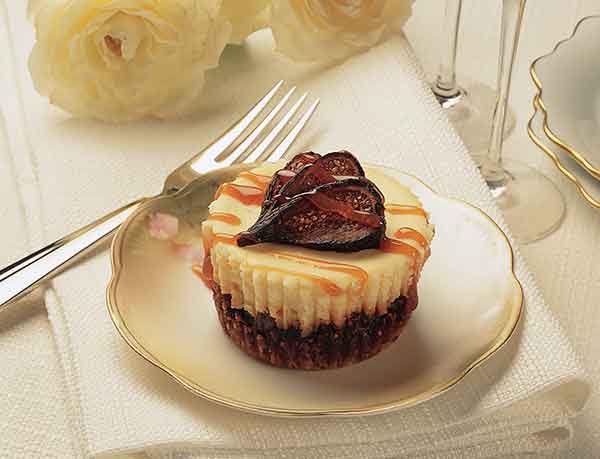
Minipasteles de queso con higos caramelizados
- 1/2 taza de migas de galletas integrales
- 1/3 taza de avellanas o nueces pacanas picadas finas
- 2 cucharadas de mantequilla derretida
- 1 1/2 taza de higos Blue Ribbon Orchard Choice o Sun-Maid California Figs bien picados y sin el cabito
- 1/4 taza de salsa de caramelo para cremas heladas
- 3 cucharadas de licor de avellanas o jugo de naranja
- 1 libra (dos paquetes de 8 onzas) de queso crema suavizado
- 1/3 taza de azúcar granulada
- 1 cucharadita de jugo de limón
- 1 cucharadita de extracto de vainilla
- 2 huevos grandes
- higos en rodajas muy finas
- 1/4 taza de salsa de caramelo para cremas heladas
- 1 cucharada de licor de avellanas o jugo de naranja
- Precaliente el horno a 325 °F. Cubra 12 moldes para panecillos (2 3/4 pulgadas) con moldes de papel.
- Mezcle las migas de galletas, las nueces y la mantequilla derretida. Presione firmemente en la parte inferior de los moldes. Lleve al medio del horno durante 5 minutos hasta sentir el aroma. Retire del horno y reserve.
- En una olla pequeña, mezcle los higos, la cobertura de caramelo y el licor. Cocine a fuego medio, revuelva constantemente, y cocine durante 1 minuto o hasta que se haya absorbido la mayor parte del líquido.
- Distribuya los higos sobre la masa, y presione firmemente con la parte posterior de la cuchara para emparejar.
- En un tazón, bata con batidora eléctrica el queso crema a velocidad media-baja hasta obtener una preparación cremosa, y raspe con frecuencia los lados del tazón. Incorpore el azúcar, el jugo de limón y la vainilla. A baja velocidad, añada los huevos de a uno.
- Agregue en los moldes la mezcla de queso sobre la mezcla de higos.
- Lleve nuevamente al medio del horno de 18 a 20 minutos, hasta que queden bien cocidos. Retire del horno, y deje enfriar en una rejilla metálica. Refrigere en el molde durante 3 horas.
- Para servir, retire cuidadosamente los pasteles de queso del molde y de los moldes de papel, y colóquelos en los platos. Para decorar, coloque las rodajas de higos sobre los pasteles de queso. Mezcle el licor y la salsa de caramelo, y rocíe sobre los pasteles.
Serves
12
Cuadrados de higo y queso de cabra
- 2 tazas de higos Blue Ribbon Orchard Choice o Sun-Maid California Figs sin el cabito
- 1 taza de agua
- 1/4 taza de jugo de limón
- 1 taza de nueces tostadas picadas
- 1 1/3 taza de harina multipropósito
- 1/2 taza de azúcar morena dorada compactada
- 1/2 cucharadita de sal kosher
- 1/2 taza de mantequilla fría y cortada en trozos pequeños
- 2 tazas de queso de cabra a temperatura ambiente
- 2 huevos grandes
- Precaliente el horno a 350 °F. Enmanteque una fuente para horno de 9 por 13 pulgadas, o cúbrala con papel encerado.
- En una olla mediana, mezcle los higos, el agua y el jugo de limón. Cocine a fuego medio-alto hasta que comience a hervir. Cocine durante 5 minutos o hasta que los higos estén suaves. Deje enfriar un rato.
- Coloque la mezcla de higos en una licuadora o procesador de alimentos, y procese hasta obtener una preparación suave. Incorpore las nueces picadas. Reserve.
- En un tazón, mezcle la harina, el azúcar morena y la sal. Revuelva hasta integrar. Incorpore la mantequilla hasta formar en la mezcla con grumos grandes. Presione la mezcla en la placa para horno preparada. Distribuya cuidadosamente la mezcla de higos sobre la masa preparada.
- Bata los huevos y el queso de cabra hasta obtener una preparación suave. Distribuya sobre la mezcla de higos. Lleve al horno precalentado durante 30 minutos o hasta que la preparación esté firme. Sirva caliente o a temperatura ambiente.
Serves
30
SOURCE:
Blue Ribbon Orchard Choice Figs
Sun-Maid Figs
At our core, we at STM Daily News, strive to keep you informed and inspired with the freshest content on all things food and beverage. From mouthwatering recipes to intriguing articles, we’re here to satisfy your appetite for culinary knowledge.
Visit our Food & Drink section to get the latest on Foodie News and recipes, offering a delightful blend of culinary inspiration and gastronomic trends to elevate your dining experience.
https://stmdailynews.com/category/food-and-beverage
You can also find food and beverage-related videos on our YouTube channel, where we regularly post new content and share tips, recipes, and demonstrations. https://youtube.com/playlist?list=PLEhXBupt8tVynuUhpQZMxQt4lvPmOiAtQ&si=InDwc7YaB0KIwmxy


Food and Beverage
Jack-o’-Lantern Stuffed Peppers Prove Fun Isn’t Just for Pumpkins
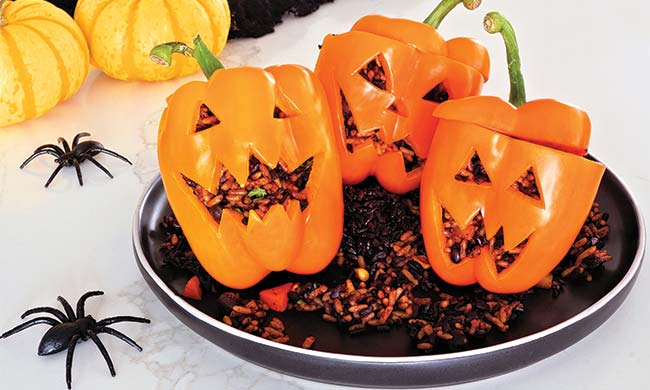
These Jack-o’-Lantern Stuffed Peppers give you a Halloween-themed, kid-approved way to put vegetables on the dinner table.
Recipes:
Jack-o’-Lantern Stuffed Peppers
Jack-o’-Lantern Stuffed Peppers Prove Fun Isn’t Just for Pumpkins
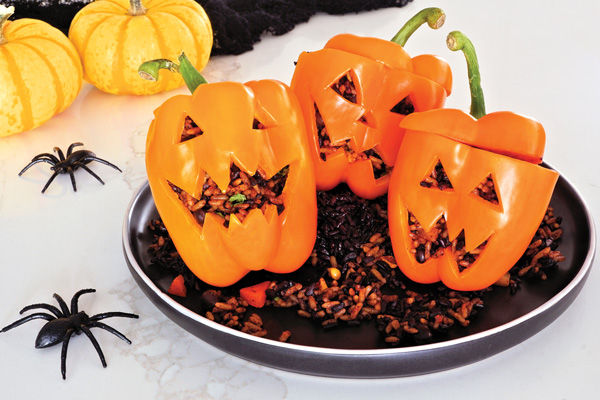
(Feature Impact) Jack-o’-lantern carving is a cherished fall tradition – but pumpkins aren’t the only vegetables you can decorate with fun, spooky or scary faces. These Jack-o’-Lantern Stuffed Peppers give you a Halloween-themed, kid-approved way to put vegetables on the dinner table.
Filled with savory ground turkey, brown rice, melty cheese and warm, savory spices, these peppers taste as autumnal as they look. It’s simple to customize the filling to your family’s tastes, and you can even make the meal interactive by inviting kids to choose their own pepper colors and carve their own expressions.
Find more Halloween and seasonal recipes at Culinary.net.
Jack-o’-Lantern Stuffed Peppers
Recipe adapted from AllRecipes
Prep time: 15 minutes
Cook time: 45 minutes
Servings: 4
- 1 teaspoon olive oil
- 1 pound ground turkey
- 3 cloves garlic, minced
- 1/2 medium onion, diced
- 1 teaspoon garlic powder
- 1 teaspoon cumin
- 4 large orange bell peppers
- 1 cup cooked brown rice
- 1 cup grated sharp cheddar cheese
- 2 teaspoons kosher salt
- 1/2 teaspoon ground black pepper
- cayenne pepper, to taste
- cups seasoned tomato sauce, warmed
- Preheat oven to 400 F and coat 9-by-13-inch baking dish with olive oil.
- In skillet, brown ground turkey with minced garlic, onion, garlic powder and cumin until meat is cooked, 4-5 minutes.
- With small knife, cut eyes, nose and mouth into flattest side of each pepper to resemble jack-o’-lantern. Cut around seed pods and remove pepper tops, trimming and discarding any seeds from under stems then setting tops aside. Trim white membranes from inside each pepper and shake out seeds. Place peppers in prepared baking dish.
- In bowl, combine turkey mixture with cooked rice, cheddar cheese, salt, black pepper and cayenne pepper, to taste.
- Divide and stuff mixture into peppers; cover with reserved pepper tops.
- Wrap baking dish loosely with aluminum foil and bake until peppers are tender, about 45 minutes.
- Spoon about 3 tablespoons warm tomato sauce onto each plate; place stuffed peppers on top. Serve remaining sauce on side.
Photo courtesy of Shutterstock

SOURCE:
Food and Beverage
Serve Up Smiles with Favorite Holiday Sides
Turkey and ham may sit centerstage, but classic holiday sides can make the season truly special. You can bring smiles to your loved ones’ faces by dishing out those favorite recipes everyone asks for year after year.
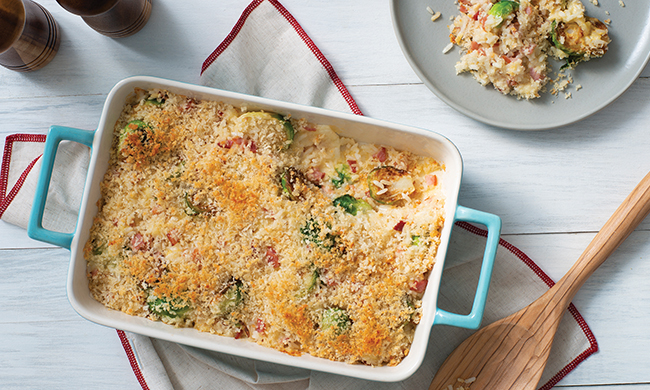
(Family Features) Turkey and ham may sit centerstage, but classic holiday sides can make the season truly special. You can bring smiles to your loved ones’ faces by dishing out those favorite recipes everyone asks for year after year.
Made with a delicious combination of rice, cheddar cheese, cream of mushroom soup and broccoli florets, this quick and easy version of Broccoli and Cheese Rice Casserole is an ideal one-pot dish to keep the holidays simple. With three easy steps and everyday ingredients, it comes together with minimal effort for traditional casserole taste.
When it comes to feeding a crowd, it’s often best to let your oven do the work. This Brussels Sprouts and Ham Rice Gratin recipe allows you to serve up a filling favorite with little effort using pantry staples. Plus, it’s a kid-friendly way to encourage veggies at this year’s holiday meal with gooey cheese providing tempting taste bud motivation.
These seasonal classics and more are made quick and easy with an option like Success Boil-in-Bag Rice, a pre-measured, mess-free way to make fluffy, high-quality rice. It’s cooked by simply dropping a bag of rice in a pot of water or broth then boiling it for 10 minutes. BPA-free and FDA-approved, the bags are safe to use and made to withstand high temperatures.
An added bonus: If you’re aiming to achieve a particular flavor, just season the rice by cooking in water infused with herbs, spices, broth, coconut milk or other liquids like juice for sweeter recipes.
Visit SuccessRice.com to find more holiday recipe inspiration.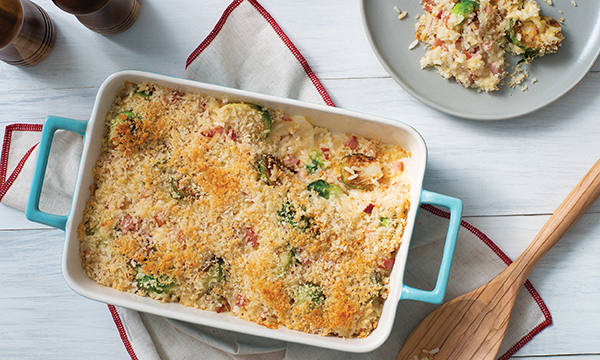
Brussels Sprouts and Ham Rice Gratin
Prep time: 20 minutes
Cook time: 25 minutes
Servings: 4
- 1 bag Success White Rice
- 1/2 pound Brussels sprouts, trimmed and halved
- 1/3 cup diced ham
- 1 clove garlic, minced
- 1 tablespoon olive oil
- 3/4 teaspoon salt, divided
- 3/4 teaspoon black pepper, divided
- 1 cup heavy cream
- 2 tablespoons finely chopped fresh chives
- 2 tablespoons Dijon mustard
- 1 cup shredded sharp cheddar cheese
- 1/2 cup grated Parmesan cheese, divided
- 1/3 cup breadcrumbs
- 2 tablespoons butter, melted
- Preheat oven to 450 F. Prepare rice according to package directions.
- In large bowl, toss Brussels sprouts, ham, garlic, olive oil, 1/4 teaspoon salt and 1/4 teaspoon pepper. Place on parchment paper-lined baking tray and roast 12-15 minutes, or until caramelized. Decrease oven temperature to 425 F.
- In large bowl, toss rice, Brussels sprouts mixture, cream, chives, Dijon mustard, remaining salt and remaining pepper. Stir in cheddar and 1/3 cup Parmesan cheese. Transfer mixture to greased, 2-quart baking dish.
- In small bowl, stir breadcrumbs, remaining Parmesan and melted butter. Sprinkle over rice mixture.
- Bake 12-15 minutes, or until golden brown and bubbling.
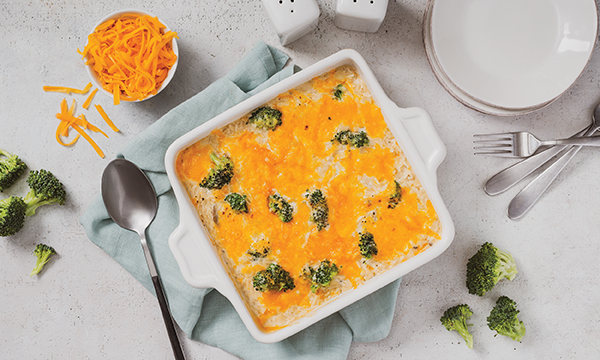
Broccoli and Cheese Rice Casserole
Prep time: 5 minutes
Cook time: 30 minutes
Servings: 4-6
- 1 bag Success White Rice or Brown Rice
- nonstick cooking spray
- 1 can (10 3/4 ounces) condensed cream of mushroom soup
- 2 cups frozen broccoli florets, thawed and drained
- 1 1/2 cups shredded cheddar cheese, divided
- 1/2 cup evaporated milk
- 3 tablespoons butter, melted
- 1 tablespoon grated onion
- 1/2 teaspoon salt
- 1/2 teaspoon black pepper
- Prepare rice according to package directions. Preheat oven to 350 F.
- Coat 2-quart casserole dish with nonstick cooking spray. In medium bowl, combine soup, broccoli, 1 cup cheddar cheese, evaporated milk, butter, onion, salt and pepper. Fold in rice.
- Pour mixture into prepared dish and top with remaining cheddar cheese. Bake 20 minutes.
SOURCE:
Success Rice
At our core, we at STM Daily News, strive to keep you informed and inspired with the freshest content on all things food and beverage. From mouthwatering recipes to intriguing articles, we’re here to satisfy your appetite for culinary knowledge.
Visit our Food & Drink section to get the latest on Foodie News and recipes, offering a delightful blend of culinary inspiration and gastronomic trends to elevate your dining experience.
https://stmdailynews.com/category/food-and-beverage
You can also find food and beverage-related videos on our YouTube channel, where we regularly post new content and share tips, recipes, and demonstrations. https://youtube.com/playlist?list=PLEhXBupt8tVynuUhpQZMxQt4lvPmOiAtQ&si=InDwc7YaB0KIwmxy
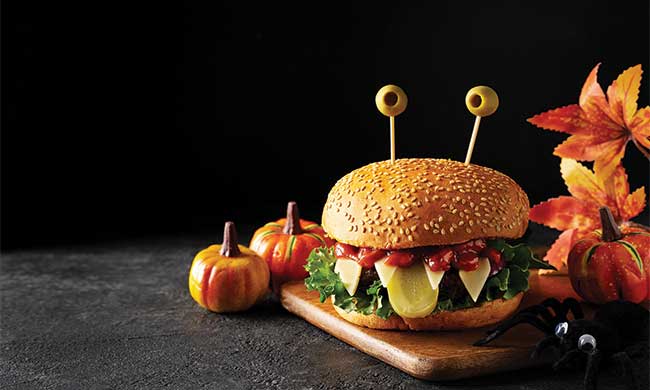
(Feature Impact) Out with the ordinary, in with the weird – that’s what the Halloween season is all about. These Halloween Monster Burgers give a ghoulishly fun twist on burger night, featuring all your favorite toppings transformed into olive eyes, cheese fangs and a pickle tongue.
Whether you reach for a traditional hamburger patty or switch it up with chicken, turkey, bean or veggie options, the effect is the same: a dinner that looks like it escaped from a mad scientist’s lab. It’s a good way to get some protein and veggies into kids before the trick-or-treating sugar rush, and you can even make it interactive by inviting them to decorate their own monsters and come up with creative variations.
Alternatively, if you’re looking for some spooky hors d’oeuvres to impress at this year’s Halloween party, these burgers are easy to size down into slider form. Serve a whole tray of mini monsters ready to devour – or be devoured by – hungry guests.
Find more Halloween recipe inspiration at Culinary.net.
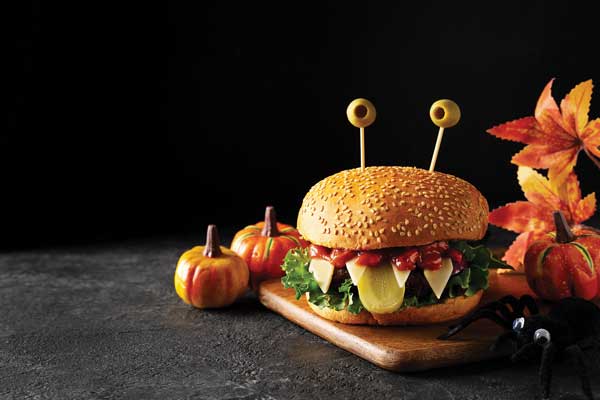
Halloween Monster Burgers
Recipe adapted from Happy Foods Tube
Prep time: 10 minutes
Total time: 18 minutes
Servings: 4
- 4 hamburger, chicken or veggie patties
- 4 tablespoons mayonnaise
- 4 teaspoons ketchup, plus additional, to taste, divided
- 4 hamburger buns
- 8 leaves baby romaine lettuce
- 4 slices dill pickles, sliced lengthwise
- 4 cheese slices
- 8 large green olives, pits removed
- Cook burger patties until they reach desired doneness.
- In small bowl, combine mayonnaise and 4 teaspoons ketchup. Spread each bun base with about 1 tablespoon mayo sauce then add two lettuce leaves and cooked burger patty.
- Add pickle slice as monster “tongue.” Take each cheese slice and cut triangles into one side to resemble teeth; add to burger then cover with ketchup “blood,” to taste.
- Stick olives on toothpicks and add two to each top bun as “eyeballs.”
Photo courtesy of Shutterstock

SOURCE:




