

Food and Beverage
Lifesum Survey: 90% Say Ultra-Processed Foods Are Engineered to Be Hard to Stop Eating

A new nationally representative survey from health app Lifesum suggests Americans increasingly view ultra-processed foods (UPFs) as more than a “willpower” issue. The research, based on responses from 2,000 U.S. adults, found 90% believe UPFs are intentionally engineered to be hard to stop eating—while 81% say they’ve personally felt unable to stop once they start.

Ultra-Processed Foods Under Fire: New Data Shows Regret, Loss of Control, and Calls for Regulation
The survey also points to a widespread “control and regret” loop: 67% report they’ve tried and failed to cut back on certain ultra-processed foods, and 80% say they feel regret or frustration after eating them. The findings land as UPFs remain a dominant part of the American diet—federal dietary data indicates more than half of calories consumed in the U.S. come from ultra-processed foods, and high consumption has been linked in multiple studies to higher risks of obesity, type 2 diabetes, and cardiovascular disease.
Lifesum says the data reflects shifting public attitudes toward stronger oversight. In the survey, 81% support clearer warning labels on ultra-processed foods, 59% support restrictions on marketing, and 47% support regulation similar to tobacco or alcohol. The release also cites a recent report from researchers at Harvard University, the University of Michigan, and Duke University arguing that UPFs share similarities with cigarettes—such as engineered reward pathways and marketing designed to drive repeat consumption—strengthening the case for tighter regulation.
What to watch for
- Labeling momentum: With 81% backing warning labels, expect more debate over front-of-package disclosures and clearer definitions of “ultra-processed.”
- Marketing restrictions: The 59% support level signals potential policy focus on advertising practices—especially around kids and high-frequency digital targeting.
- Regulation framing shift: The 47% support for tobacco-style rules suggests UPFs may increasingly be discussed as a public health and consumer protection issue, not just nutrition advice.
- Scientific scrutiny vs. industry response: As more researchers compare UPFs to cigarettes, watch for counter-messaging from food manufacturers and lobbying around how UPFs are categorized.
- Consumer behavior tools: Demand may grow for evidence-based guidance and tracking tools (apps, labeling systems, education campaigns) that help people reduce UPF intake without relying solely on self-control.
Source
Related Links
STM Daily News is a vibrant news blog dedicated to sharing the brighter side of human experiences. Emphasizing positive, uplifting stories, the site focuses on delivering inspiring, informative, and well-researched content. With a commitment to accurate, fair, and responsible journalism, STM Daily News aims to foster a community of readers passionate about positive change and engaged in meaningful conversations. Join the movement and explore stories that celebrate the positive impacts shaping our world.


recipes
5 Easy Sheet Pan Meals with a Grape Upgrade
Sheet pan cooking makes weeknight meals wonderfully easy – and fresh grapes give them an unexpected upgrade. From satisfying dinners and sides to a crowd-pleasing dessert, these recipes bring something unexpected to the sheet pan without adding extra fuss.

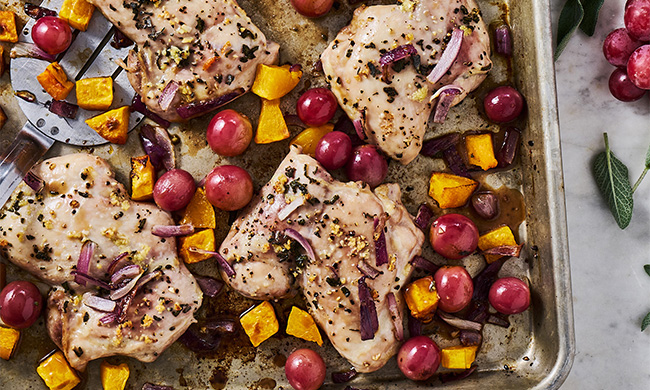
(Feature Impact) Sheet pan cooking makes weeknight meals wonderfully easy – and fresh grapes give them an unexpected upgrade. Roasted alongside chicken, vegetables, gnocchi and more, grapes become warm and juicy, adding a pop of sweetness that complements savory flavors and makes simple dishes feel a little more special.
From satisfying dinners and sides to a crowd-pleasing dessert, these recipes bring something unexpected to the sheet pan without adding extra fuss. Find more family recipe ideas by visiting GrapesFromCalifornia.com.
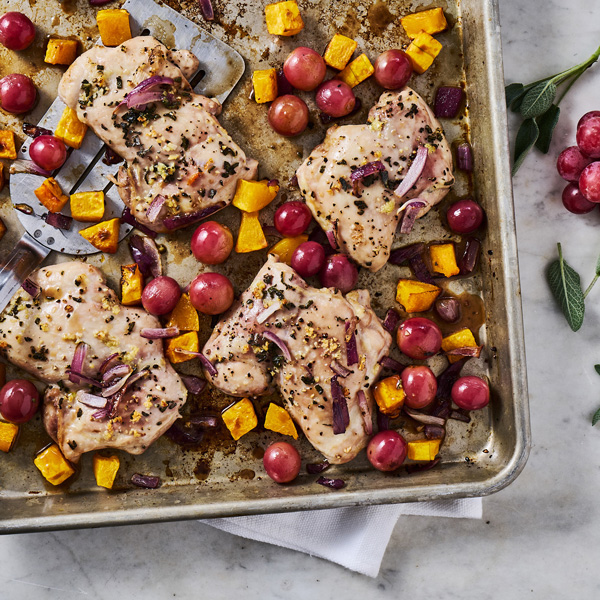
- California Grapes and Sage Chicken – This simple sheet pan dinner pairs savory sage-seasoned chicken with sweet California grapes, butternut squash, red onion and garlic. As everything roasts together, the grapes become warm and juicy while apple cider vinegar adds a bright, tangy counterpoint. It’s an easy, colorful meal that delivers plenty of flavor with minimal cleanup.
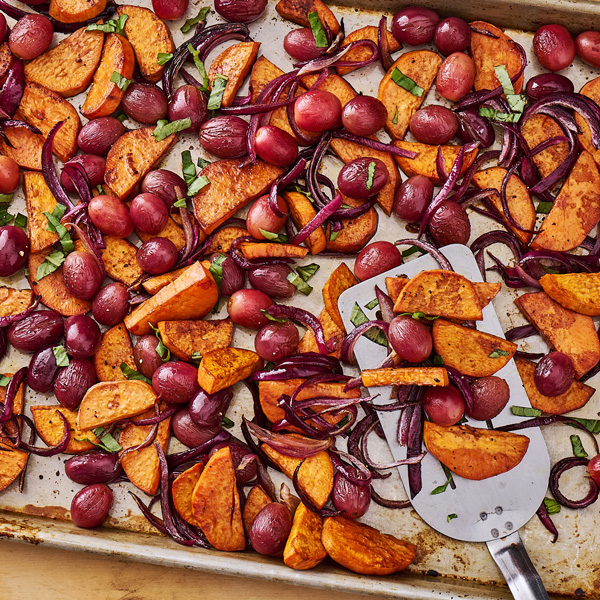
- Roasted California Grapes and Sweet Potatoes – Sweet potatoes and California grapes make a delicious pairing in this colorful, easy-to-prepare side dish. Roasting grapes brings out their natural sweetness, while balsamic vinegar, onion and fresh basil add savory, tangy notes for balance. Serve it alongside your favorite protein or add it to a grain bowl for a simple way to bring more fruits and vegetables to the plate.
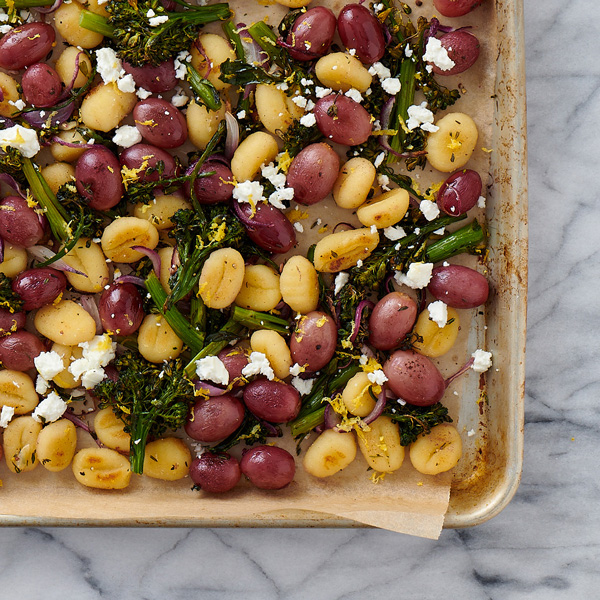
- Roasted California Grapes and Gnocchi – Tender gnocchi, juicy roasted California grapes, broccolini and red onion come together in this satisfying one-pan meal. Fresh thyme, feta and lemon zest balance the grapes’ sweetness with savory, tangy and bright flavors. With just 25 minutes of roasting time, it’s an easy way to turn everyday ingredients into a flavorful meatless dinner.
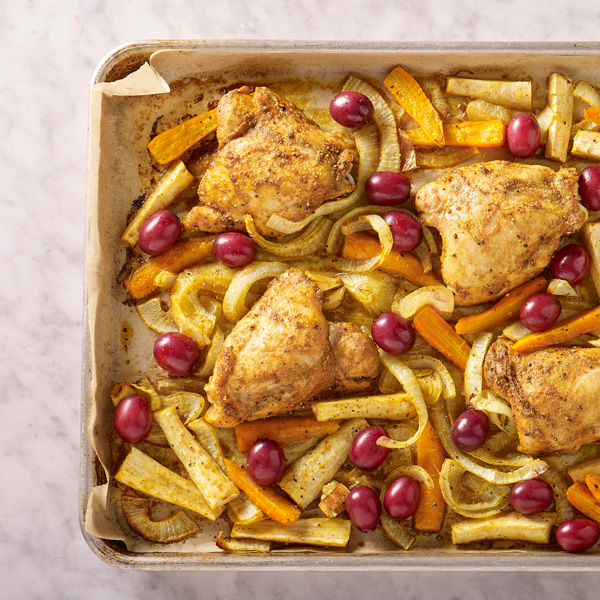
- Chicken and Roasted California Grapes with Carrots and Parsnips – Warm, spiced cumin and turmeric give this hearty chicken sheet pan dinner plenty of flavor, while carrots, parsnips, onions and California grapes round out the meal. The grapes add juicy bursts of sweetness that complement the earthy root vegetables and savory spices. Everything cooks together on one pan for a colorful, satisfying dinner with easy cleanup.
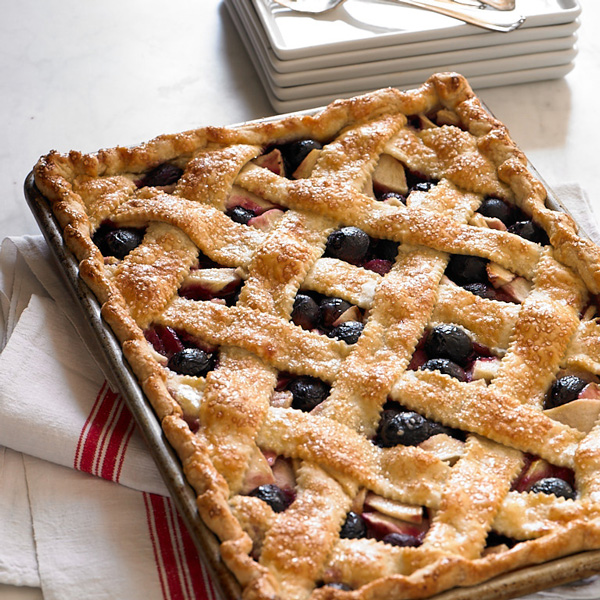
- California Grape and Apple Sheet Pan Pie – Tart apples and juicy black California grapes offer a delicious twist on classic apple pie in this crowd-friendly sheet pan dessert. The fruits bake beneath a golden lattice crust with the grapes adding extra color, sweetness and juicy texture to every slice. Designed to serve 16, it’s an inviting dessert for holidays, parties and other gatherings.

SOURCE:
California Table Grape Commission
Foodie News
Red Lobster Serves Up October Deals, New Shrimp Flavors and Free Kids Meals for Halloween
Red Lobster unveils October 2026 deals, new Endless Shrimp flavors and free kids meals for Halloween weekend. See dates, offers and restrictions.
STM Daily News | Food & Drink | News Brief
October 13, 2026
Red Lobster Kids Eat Free Halloween 2026
Red Lobster is bringing new seafood specials, weekday meal deals and a Halloween treat for families this October. The restaurant chain has announced a lineup of promotions that includes discounted appetizers, new Endless Shrimp flavors and free kids meals for Halloween weekend.
The promotions, announced October 9, feature several offers for Canadian customers, along with select deals available in the United States.

New Weekday Seafood Deals
Red Lobster is introducing an updated weekday Daily Deals menu at participating Canadian restaurants, featuring a different seafood combination each day.
The lineup includes:
- Monday – Endless Shrimp ($36.99 CAD): A selection of shrimp favorites served with one side.
- Tuesday – Crab Lover’s Duo ($34.99 CAD): Steamed snow crab legs paired with Crab & Shrimp Linguini Alfredo.
- Wednesday – Steak & Walt’s ($27.99 CAD): Grilled sirloin with Walt’s Favourite Shrimp and one side.
- Thursday – Salmon New Orleans ($29.99 CAD): Blackened salmon topped with shrimp in Cajun butter sauce.
- Friday – Captain’s Platter ($25.99 CAD): Garlic shrimp, popcorn shrimp and crispy battered fish with one side.
These prices and specific weekday offers apply to participating Canadian restaurants. Red Lobster’s U.S. Daily Deals are separate and may differ in price and availability.
Endless Shrimp Gets an OLD BAY Twist
Beginning October 13, Red Lobster is adding NEW OLD BAY Garlic Shrimp to its Canadian Endless Shrimp lineup.
The limited-time promotion allows guests to mix and match shrimp varieties throughout their meal, accompanied by a side and Red Lobster’s signature Cheddar Bay Biscuits.
The Canadian Endless Shrimp promotion is advertised at $34.99 CAD, with pricing and participation varying by location. Endless Shrimp is available for dine-in only at participating U.S. and Canadian restaurants.
Kids Eat Free for Halloween Weekend
Families looking for a Halloween dining treat can take advantage of Red Lobster’s Kids Eat Free promotion from October 30 through November 1, 2026, at participating restaurants in both the United States and Canada.
Children who arrive in costume can receive free kids meals when dining with an adult purchasing a full-price dinner entrée.
For dine-in customers, one qualifying adult entrée can provide up to two free kids meals, with a maximum of two per table.
Families ordering online for takeout can receive one free kids meal with a qualifying adult entrée by using promo code SPOOKY26.
The maximum discount is $9.99 per free kids meal, and additional restrictions apply.
What About the $3 Appetizers?
Red Lobster also offered $3 individually sized appetizers from October 9–12 at participating Canadian restaurants. The limited-time Thanksgiving weekend promotion included Island Coconut Shrimp, Shrimp Cocktail and Mozzarella Cheesesticks with the purchase of an entrée.
That promotion has now ended and was not advertised as a U.S. offer.
Check Before You Go
With restaurant promotions varying by country and location, customers should confirm availability, prices and restrictions before visiting.
For menus, participating restaurants and additional details, visit Red Lobster’s U.S. website or Red Lobster Canada.
More Food & Drink News from STM Daily News
Looking for the latest restaurant promotions, food trends, recipes and dining news? Explore the Food & Drink section of STM Daily News for more delicious discoveries, helpful tips and updates on what’s happening in the world of food.
Source: RL Investor Holdings LLC / Red Lobster, press release dated October 9, 2026.
Editor’s Note: Promotional offers are subject to participation, availability and restrictions. Canadian prices are listed in Canadian dollars and should not be interpreted as U.S. pricing.
Beverages
Dr Pepper Ice Cream Float Is Coming: Keurig Dr Pepper Teases 2027 Flavor Pipeline Ahead of NACS
Keurig Dr Pepper is already looking past the next season and into 2027. In a new announcement ahead of the National Association of Convenience Stores (NACS) Show, the beverage giant previewed a slate of new products designed to hit the biggest pressure points in today’s drink culture: nostalgia that still feels fresh, a louder energy category, and brand updates meant to keep icons like 7UP and Sunkist relevant on shelves and fountain lines.
For Food & Drink readers, the headline is simple: the “treat soda” era isn’t slowing down—and KDP is leaning into it with flavors that borrow from desserts, frozen cocktails, and childhood staples, often with Regular and Zero Sugar versions built in from day one.
Familiar Favorites, Reimagined (and Built for Zero Sugar)
KDP’s pitch is that younger consumers are experimenting across categories, but they still want the comfort of brands they grew up with. That’s showing up in 2027 as “classic, but remixed.”
Dr Pepper Ice Cream Float (Permanent)
The biggest new reveal is Dr Pepper Ice Cream Float, a flavor that blends the brand’s signature “23 flavors” with creamy vanilla ice cream notes, plus caramel and butterscotch.
- Launch timing: February 2027
- Where you’ll see it: cans and 20 oz. bottles first
- More formats later: fountain and frozen dispensed versions expected mid-year
It’s an important detail that this one is nationwide and permanent, not a limited-time test. That signals confidence that dessert-forward sodas are now a stable lane—not just a novelty.
7UP Miami Vice (Limited-Time)
KDP is also turning 7UP into a tropical, frozen-cocktail-inspired playground with 7UP Miami Vice, combining lime-lemon with strawberry daiquiri and piña colada flavors.
- Launch timing: June 2027
- Status: limited-time offering
7UP Shirley Temple (Holiday Return)
One of 7UP’s most successful recent platforms is coming back: 7UP Shirley Temple, featuring cherry and pomegranate.
- Launch timing: holiday season 2027
- What’s new: expanded immediate-consumption availability via a new 20 oz. package
Canada Dry Raspberry Lemonade (Seasonal Twist)
For spring, KDP is adding Canada Dry Raspberry Lemonade, mixing raspberry and lemonade flavors with the brand’s crisp profile.
- Launch timing: Spring 2027
Energy Gets Bigger (and More Collaborative)
KDP’s other major bet is energy. The company says innovation and limited-time drops are driving a large share of category growth, and it plans to distribute more than 25 new energy items in 2027 across owned brands and partners.
GHOST Energy: 7UP and A&W Become Permanent
GHOST—now positioned by KDP as a $1 billion retail brand—is making two 2026 limited releases permanent in 2027:
- GHOST Energy x 7UP
- GHOST Energy x A&W
New additions include:
- GHOST Energy Sour Strips Appleberry (green apple + strawberry), launching January
- GHOST Energy Blueberry Cream (blueberry + vanilla, “nostalgic yogurt-inspired”), as a limited-time release later in 2027
Bloom Energy: “Iconic Treats” Lineup
Bloom is going straight for the ice-cream-truck memory bank:
- Strawberry Shortie (October 2026)
- Cotton Candy (January 2027)
- Lemon Freezie (January 2027)
C4 Energy: Cereal’s Most Wanted Expands
C4 is expanding its zero-sugar Cereal’s Most Wanted lineup:
- Cocoa Loco in 16 oz cans (January 2027)
- New 8.4 oz mini cans for select flavors
The subtext here is clear: energy is increasingly behaving like soda—flavor-first, collectible, and built for repeat discovery.
Icon Brands Get Refreshed (7UP and Sunkist)
Not every innovation is a new flavor. KDP is also investing in renovations that keep legacy brands competitive.
- 7UP recently rolled out its biggest evolution in more than 15 years, including a more lime-forward formula and refreshed visual identity.
- Sunkist is slated for updated graphics and a refreshed recipe in Q1 2027, aiming for a more fruit-forward orange taste.
For convenience retailers—and for anyone watching the beverage aisle—these updates matter because they’re designed to improve “shelf pop” and keep familiar brands from feeling dated next to trendier newcomers.
What to Watch For (Food & Drink Angle)
If you’re tracking where mainstream beverage culture is going, KDP’s 2027 preview points to three big themes:
- Dessert and “treat” flavors are becoming everyday drinksFloat, cream, caramel, butterscotch—these are no longer seasonal one-offs.
- Zero Sugar is now the default, not the alternativeMany of these launches are planned in both Regular and Zero Sugar formats, which changes how quickly they can scale.
- Energy is turning into a flavor labCollaborations, limited-time drops, and nostalgic concepts are making energy behave like the most experimental part of the aisle.
Bottom Line
Keurig Dr Pepper’s early look at 2027 innovation reads like a map of where beverage demand is headed: familiar brands with a twist, more energy variety, and strategic refreshes that keep icons in the conversation. If Dr Pepper Ice Cream Float lands the way KDP expects, don’t be surprised if “dessert soda” becomes a year-round staple—especially in convenience stores where discovery drives the impulse buy.
Quick Launch Timeline (At a Glance)
- Oct 2026: Bloom Energy Strawberry Shortie
- Jan 2027: GHOST Energy Sour Strips Appleberry; Bloom Cotton Candy + Lemon Freezie; C4 Cereal’s Most Wanted expansion
- Feb 2027: Dr Pepper Ice Cream Float (permanent)
- Spring 2027: Canada Dry Raspberry Lemonade
- Mid-2027: Dr Pepper Ice Cream Float fountain + frozen formats
- June 2027: 7UP Miami Vice (limited-time)
- Holiday 2027: 7UP Shirley Temple return (with expanded 20 oz availability)
- Q1 2027: Sunkist refreshed graphics + recipe
Source (Press Release)
- Keurig Dr Pepper — “Keurig Dr Pepper Reveals 2027 Beverage Innovation Ahead of NACS Show” (PRNewswire, Oct. 5, 2026)
Related Links
- Keurig Dr Pepper corporate site: https://www.keurigdrpepper.com
- Keurig Dr Pepper on LinkedIn (for brand updates/announcements): https://www.linkedin.com/company/keurig-dr-pepper-inc-/
- NACS Show (event context): https://www.nacsshow.com
- Circana (referenced for data in the release): https://www.circana.com





