

Family
More Summer, Less Stress: How to make the most of summer family vacations

Last Updated on July 20, 2025 by Daily News Staff

Making the most of summer family vacatio
(Family Features) As the days stretch longer, summer has a way of calling families to pack up and go, whether it’s for a weekend getaway, family reunion, road trip or one more beach escape.
To make the most of every moment, your accommodations matter. From convenient locations to family-friendly amenities, the right setup can ease the stress of travel. These tips can make your adventures more enjoyable, whether you’re hitting the road or catching a cross-country flight.

Pick a Place Where You Can Spread Out
Accommodations with spacious sleeping and living areas give everyone the room they need to recharge.
- Beds for Everyone: Look for hotels that offer generous family suites, some with over 700 square feet or those that feature clever configurations like bunk beds, giving everyone dedicated space to unwind. If you’re bringing the dog, ensure your accommodations are pet-friendly, too.
- Road Trip Ready: For families planning a road trip with multiple destinations, consider staying at hotels strategically located along popular routes for comfort and consistency. Some may offer distinct family accommodations, like the casitas unique to Hyatt Place Moab in Utah, featuring multiple beds, a living area, kitchenette, patio and more. The outdoor pool is also perfect for cooling down after a day of hiking.
Hotels with Amenities Parents Actually Need
Family travel can be full of unforgettable moments, but it also comes with a lot of logistics. From hungry kids to forgotten toothbrushes, choosing a hotel with practical amenities can make all the difference.
- Rooms with Kitchens: Guestrooms with in-room kitchenettes are ideal for prepping lunches or reheating leftovers, which can help save money. Even on an international adventure, hotels like Hyatt House Kanazawa in Japan offers fully equipped kitchens, including a refrigerator, microwave, stovetop, sink and dishwasher, making it easy to enjoy a little home-cooked convenience abroad.
- Family-Friendly Amenities: Whether taking a weekend trip or exploring a new country, look for hotels that make it easier to entertain. Consider amenities such as outdoor pools and hotels situated by popular attractions to keep the family engaged, like Hyatt Place Los Cabos. For longer stays, guest laundry facilities can help families pack lighter and stay fresh. Travelers can also consider dual-branded developments that combine the best of both worlds, like Hyatt Place LAX/Century Blvd and Hyatt House LAX/Century Blvd, offering flexible room options for multi-generational families and shared amenities under one roof.
- The Essentials: Packing for the family often means something gets left behind. Find hotels that offer programs that help fill in the gaps, whether it’s a phone charger, toothbrush or other necessities, available to buy, borrow or enjoy for free.
- Dining Options: Dining out can be costly and time-consuming. For families wanting to enjoy local flavors while keeping things simple, find hotels that offer daily breakfast and grab-and-go markets, like Hyatt House and Hyatt Place hotels. Many also feature lobby bars, and select locations offer signature restaurants such as Azotea Roof Top & Hacienda in the United Kingdom or rooftop bars like Pesca Rooftop in Florida, to keep everyone fueled without leaving the hotel.
Book Smarter for Longer Stays
Find hotels that reward you for your stay. For example, World of Hyatt members can earn up to 16,000 Bonus Points through an offer at participating Hyatt Place and Hyatt House hotels when members register and then complete stays by Sept. 7.
- Stay three nights to earn 3,000 Bonus Points
- Stay five nights to earn an additional 5,000 Bonus Points for 8,000 total Bonus Points
- Stay eight nights to earn an additional 8,000 Bonus Points for 16,000 total Bonus Points
That’s extra value for taking your trip. With stays starting at 3,500 points per night off peak, a little can go a long way, especially if you’re planning more than one adventure. Travel smarter and visit Hyatt.com to discover how to do more and enjoy what matters most: time together.
See here for offer terms.
SOURCE:
Author


Food and Beverage
Ferrero Survey Says Adults Are Reclaiming Easter Candy Traditions
A new Ferrero survey finds adults are embracing Easter candy traditions, from building their own baskets to buying premium treats and raiding the kids’ stash.


Easter Is for Adults Now, Too
Ferrero’s latest survey suggests the holiday candy aisle is no longer just about kids. It is also about nostalgia, self-indulgence, and adults openly claiming a place in traditions they were once expected to outgrow.
At some point, adults stopped pretending they were only buying Easter candy for the kids.
Ferrero North America’s latest Easter Candy Survey leans hard into that reality, arguing that the “Adultoween” energy the company has been tracking around Halloween has now fully crossed into spring. According to the survey, 66% of North American adults say they deserve an Easter basket just as much as children do. If that sounds less like a shocking revelation and more like a formal acknowledgment of what has already been happening in grocery store checkout lines for years, that is probably because it is.
The bigger story here is not just that adults like candy. Of course they do. It is that brands are becoming much more comfortable marketing nostalgia, ritual, and seasonal indulgence directly to grown-ups. Easter, once framed mostly as a family holiday centered on children, is increasingly being recast as a shared cultural event where adults are not just participating politely. They are fully in it.
The Easter Bunny Has Entered the Group Chat
Ferrero’s survey of 1,000 adults in the United States and Canada paints a picture of Easter as a holiday that now comes with brunch plans, premium baskets, personal candy stashes, and a surprising amount of competitive behavior. Seventy percent of respondents said Easter is the best time of year for both adults and kids to indulge in candy together. Nearly half said they are likely to host or attend an adult Easter brunch, party, or gathering.
Then there are the confessions, which are really the heart of the whole thing. More than one in three adults said they have eaten their children’s Easter candy without telling them. More than one in four said they have competed with their own kids to find Easter eggs first. Eighteen percent admitted to cheating to win.
None of this is exactly noble, but it is revealing. The modern holiday experience is less about adults facilitating magic from the sidelines and more about everyone wanting in on the fun. Ferrero is smart to recognize that. Seasonal candy marketing has traditionally leaned on childhood wonder. What it is leaning on now is something slightly different: the idea that adulthood is stressful, nostalgia sells, and nobody really wants to age out of joy.
Candy as Culture, Not Just Confection
The survey also suggests that adults are not treating Easter candy as an afterthought. More than half of respondents said they would pay extra for a premium Easter basket, spending an average of $23 on a chocolate bunny or specialty treat. Dark chocolate, peanut butter candy, and chocolate eggs topped the wish lists. More than half also said Easter candy tastes better than Halloween candy, which feels like the kind of claim that could start arguments at a family gathering.
What matters more than the specific rankings, though, is what they signal. Holidays are increasingly being marketed as lifestyle moments rather than fixed traditions. The basket is no longer just for children. It is a seasonal self-care package, a joke, a nostalgic ritual, and a low-stakes luxury purchase all at once.
That shift says something broader about consumer culture. Adults are being invited to reclaim the symbols of childhood not because society has become less serious, but because modern life often feels serious all the time. A chocolate bunny is cheap therapy. A private stash of mini eggs is a coping mechanism with pastel packaging.
Why This Trend Matters
It would be easy to dismiss all of this as clever branding wrapped around survey data, and to be fair, Ferrero clearly knows how to turn consumer behavior into a seasonal narrative. But the company is tapping into something real. The line between kids’ traditions and adult participation has been softening for a while, whether that shows up in Halloween, themed merchandise, collectibles, or holiday food culture.
Easter now appears to be joining that list. Not because adults suddenly discovered candy in 2026, but because they are increasingly willing to admit that these rituals still mean something to them. Not everything has to be optimized, productive, or age-appropriate in the most boring sense of the phrase. Sometimes people just want the basket.
Ferrero’s Easter lineup this year includes products from Butterfinger, CRUNCH, Ferrero Rocher, Kinder, Nutella, Mother’s Cookies, Keebler, and Tic Tac, among others. The survey was conducted by Golin in partnership with Dynata between January 13 and January 27, 2026, among 1,000 respondents in the United States and Canada, with a margin of error of plus or minus 3%.
External Related Links
- Ferrero North America
- Ferrero Rocher Easter Products
- Kinder Easter Candy Collection
- Nutella Products and Brand Information
- PRNewswire Consumer Lifestyle News
Source: Ferrero North America via PRNewswire
The Food and Drink section at STM Daily News delivers fresh coverage on dining, drinks, recipes, and the food stories bringing communities together.
Last Updated on April 3, 2026 by Daily News Staff
(Feature Impact) Easter celebrations don’t need to be elaborate to feel special. A few thoughtful touches – from elegant decor to sweet seasonal treats – can instantly elevate baskets, brunch tables and spring gatherings.
Darling Decor
Few things capture the spirit of spring like a welcoming table. Creating an Easter-ready setting can be simple: pastel eggs nestled in woven baskets, floral runners, ribbons, paper napkins, egg-shaped votives and whimsical bunny accents instantly brighten the scene. Layering soft colors and natural textures helps create a table that feels festive yet effortless.
 Brunching with Bunnies
Easter is the perfect excuse to refresh your brunch menu. A signature dish – whether it’s a savory quiche, fluffy pancakes or a fresh fruit board – paired with playful mocktails can instantly set a celebratory tone.
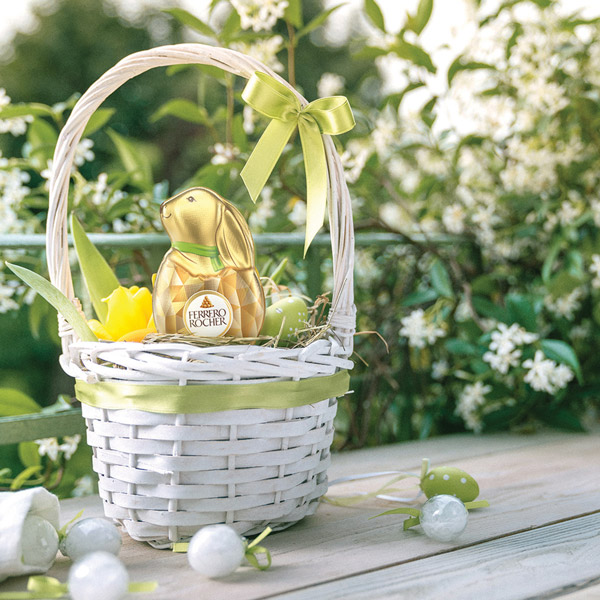
For a sweet finishing touch, add a bowl of Ferrero Rocher premium gold-wrapped chocolates to the table. They double as both a treat and eye-catching accent. Guests can also enjoy the brand’s first-ever hollow bunny candy, “Bunny and Egg,” a festive seasonal chocolate designed especially for Easter celebrations. These elegant treats work just as well tucked into Easter baskets as they do placed around the table for guests to enjoy.
Festive Florals
No spring table is complete without flowers. Seasonal favorites like tulips, daffodils, hyacinths and white lilies can brighten any gathering. Arrange them in rabbit-shaped planters or simple bud vases for a playful touch. For a creative twist, fill clear vases with colorful stones, craft gems or even jellybeans before adding blooms for a centerpiece that feels both festive and fresh.
Beyond Basic Baskets
Easter baskets have evolved beyond simple candy assortments. Today’s baskets often feature curated treats and small gifts for everyone at the table. For a premium addition, Ferrero Rocher Golden Eggs – individually wrapped white, milk and dark chocolates with a smooth, indulgent center – bring a touch of elegance to baskets, egg hunts or springtime place settings.
Sweet Moments to Share
Sometimes the most memorable Easter traditions are the simplest ones – sharing dessert after brunch, passing around chocolates at the table or sending guests home with a small sweet treat. Setting out a bowl of chocolates encourages everyone to pause, indulge and celebrate the moment together.
Find more elegant treat and decor ideas to elevate your Easter celebration at ferrerorocher.com.
Photo courtesy of Shutterstock (man and woman painting Easter eggs)

 SOURCE:
Our Lifestyle section on STM Daily News is a hub of inspiration and practical information, offering a range of articles that touch on various aspects of daily life. From tips on family finances to guides for maintaining health and wellness, we strive to empower our readers with knowledge and resources to enhance their lifestyles. Whether you’re seeking outdoor activity ideas, fashion trends, or travel recommendations, our lifestyle section has got you covered. Visit us today at https://stmdailynews.com/category/lifestyle/ and embark on a journey of discovery and self-improvement.
Lifestyle
How to Practice Thoughtful Grief Etiquette Online
Grief experts advise caution in sharing condolences and loss-related information on social media, emphasizing the importance of prioritizing the grieving family’s needs. Thoughtful posting practices include waiting for family approval, reaching out privately first, and avoiding speculation about the cause of death. Compassionate communication is essential in these sensitive situations.
Last Updated on March 31, 2026 by Daily News Staff
(Feature Impact) News of a death can spread online in seconds – often before families have notified close family members privately. That’s why grief experts urge people to rethink how they share condolences, tributes and loss-related information on social media, particularly during the winter months when grief can feel especially isolating.
“Grief etiquette is about putting the needs of the grieving family first, not our urge to say something publicly,” said Dr. Camelia L. Clarke, National Funeral Directors Association (NFDA) spokesperson, funeral director and grief educator with nearly 30 years of experience. “Just because information can be shared instantly doesn’t mean it should be.”
Social media has become a common place for sharing condolences, tributes and memories. However, grief experts caution that, without thoughtful consideration, online posts can unintentionally cause harm. Knowing when to post, what to say and when to remain silent can make a meaningful difference for families experiencing loss.
Consider this advice from the experts at the NFDA.
Grief Etiquette in the Digital Age
Grief etiquette refers to the unspoken guidelines for how individuals acknowledge death, loss and mourning, particularly online.
According to Clarke, one of the most important principles is restraint.
“When a death is shared online too quickly, families can feel exposed and overwhelmed at a moment when they’re still processing the loss themselves,” she said. “Waiting is an act of compassion.”
Best Practices for Posting About Loss Online
As social media continues to play a role in modern mourning, grief professionals encourage users to pause before posting and consider a few key guidelines:
- Let the family lead. Don’t post about a death until the immediate family has made it public.
- Ask permission. Obtain consent before sharing photos, stories or tributes.
- Reach out privately first. A direct message, call or handwritten note can be more meaningful than a public comment.
- Avoid speculation. Don’t ask about or share details regarding the cause of death.
- Offer ongoing support. Grief extends far beyond the first days or weeks after a loss.
What to Say (and Avoid)
When expressing condolences online, experts recommend simplicity, sincerity and sensitivity. Messages that acknowledge loss without attempting to explain or minimize it are often the most supportive.
Helpful phrases include:
- “I’m sorry for your loss.”
- “Thinking of you and your family.”
- “I’m here if you want to talk or need anything.”
By contrast, well-meaning cliches can unintentionally cause harm. Phrases such as “They’re in a better place” or “Everything happens for a reason” may reflect the speaker’s beliefs, but they can feel dismissive to someone grieving.
“Grieving people don’t need answers – they need presence,” Clarke said. “Listening matters more than saying the perfect thing.”
Resources for Families and Friends
As digital spaces continue to shape how people communicate during life’s most difficult moments, experts agree empathy, patience and respect remain timeless.
“Grief is deeply personal,” Clarke said. “When we slow down and lead with compassion, we honor both the person who has died and those who are left to grieve.”
To learn more about how to support a grieving person and access free, expert-reviewed resources for navigating grief, expressing condolences and supporting loved ones before, during and after a loss, visit RememberingALife.com, an initiative of the NFDA.
Photo courtesy of Shutterstock
<img src="https://ssl.google-analytics.com/collect?v=1&tid=UA-482330-7&cid=1955551e-1975-5e52-0cdb-8516071094cd&sc=start&t=pageview&dl=http%3A%2F%2Ftrack.familyfeatures.com%2F17832%2F10240&dt=HOW-TO-PRACTICE-THOUGHTFUL-GRIEF-ETIQUETTE-ONLINE" />
<img src="https://erp.featureimpact.com/api/v1/tracking/17832/10240/track.gif" />SOURCE:





