

Consumer Corner
NIKON ANNOUNCES THE NIKON Z5II: LET FULL-FRAME BE THE NEXT STEP IN YOUR CREATIVE JOURNEY

Last Updated on April 30, 2025 by Daily News Staff
Amplify any Aesthetic & Unleash Your Full Creative Potential with the Most Feature-Packed Camera in its Class
MELVILLE, N.Y. /PRNewswire/ — Today, Nikon announced the new full-frame / FX format Z5II, an entirely new generation of intermediate-level camera that miraculously manages to fit the latest high-end features into a lightweight camera body that will help kickstart any creative spark. The Nikon Z5II is the easiest way to level up a user’s captures with full-frame image quality, incredibly fast and intelligent autofocus (AF), excellent low-light performance, one-touch film-inspired color presets and the brightest viewfinder of any competing camera.1
The new Nikon Z5II uses the same high-power EXPEED 7 image processing engine as Nikon’s highest caliber professional models, the Z8 and Z9. The benefits of this processor are immediately apparent, affording incredible levels of performance and extremely fast AF with subject detection powered by deep learning (AI) technology. This highly accurate, high-speed focus is a massive leap from its predecessor, locking in at approximately one third2 the time. In addition, the new camera now utilizes a highly sensitive back-illuminated (BSI) CMOS sensor for beautiful rendering of textures and details, even in dimly lit situations such as indoors or nighttime landscapes, with minimal noise. The Z5II further fuels your creative drive with a dedicated Picture Control button and innovative tools like Imaging Recipes and Flexible Color Picture Controls, all of which help users create a truly distinctive look with unparalleled creative control of colors.
“The benefits of the Z5II go far beyond its attainable price and small size, offering users the benefits of our most advanced EXPEED 7 processing engine, a proven full-frame sensor along with unexpected pro-level features and performance,” said Fumiko Kawabata, Sr. Vice President of Marketing and Planning, Nikon Inc. “This is the camera many people have been waiting for in order to make the move to mirrorless, since nothing comes close to matching the value of features and performance in its class.”
Reliably Fast Focus and Performance
The AF on the Nikon Z5II is remarkably precise and super-fast, effortlessly locking-on and tracking a wide range of moving subjects. From fast-paced portraits or action shots, the system helps you to never miss a crucial moment, even when a subject is backlit. The cutting-edge AF system can detect up to nine types of subjects for stills and video, including people (faces, eyes, heads, and upper bodies), dogs, cats, birds, cars, motorcycles, bicycles, airplanes, and trains. But it’s not just the focus that’s fast—thanks to the next-generation processing power, the Z5II also offers high performance features from pro level Z models, to excel in any shoot.
- 3D-tracking AF mode keeps the target subject in focus even if it moves rapidly or erratically. This allows for subject tracking, even at high burst speeds, for sharp images again and again when photographing sports, animals or other fast-moving subjects.
- The first full-frame mirrorless Nikon camera with AF-A focus mode. In this mode, the camera automatically switches between AF-S and AF-C focus modes in response to subject movement or changes in composition with still shooting. This allows the camera to automatically focus on the subject, with no setting adjustments when photographing. This new feature makes it simple to photograph pets, kids or other subjects whose movements are difficult to predict.
- Fast continuous shooting speeds3 with a maximum frame rate of 14 frames per second in mechanical shutter mode and up to 15 or 30 frames per second (electronic shutter) with full autofocus.
- Pre-Release Capture4 function when shooting in C15 and C30 modes is capable of recording images buffered up to one second before the shutter-release button is fully pressed, capturing the action before a user can react.
Embrace Low Light Like Never Before
There’s no need to be afraid of the dark with the Nikon Z5II. Featuring a powerful combination of the full-frame back-illuminated CMOS sensor and the EXPEED 7 image-processing engine, the Z5II delivers the best low light ability in its class. Images and video are rendered with minimal noise, and incredible AF detection abilities in low light. Whether shooting indoors, twilight cityscapes or the night sky, the Z5II is built to help you capture confidently in nearly any light, preserving details and textures throughout the broad ISO range.
- Class-leading autofocus detection down to -10EV5 delivers accurate, reliable focus in dim and dark conditions—great for concerts, live performances, festivities, available light portraiture, astrophotography and more.
- A broad standard ISO sensitivity range of 100-64,000, expandable to Hi 1.7 (ISO 204,800 equivalent), delivers exceptional low-light capabilities and outstanding image quality with minimal noise. The max ISO is 51,200 for video recording.
- The 5-axis in-camera vibration reduction (VR) system provides superior image stabilization equivalent to a 7.5-stop6 increase in shutter speed at the center and a 6.0-stop increase at the peripheral areas of the frame. This allows users to create with confidence in lower light and get sharper results, even when handheld or at lower shutter speeds.
- Focus-point VR7 tailors stabilization to the area covered by the active AF point, for sharp rendering of the subject, even when it is positioned near the edge of the frame.
- Starlight View Mode makes focus and composition simple in extremely low light, while the Warm Color Display Mode helps preserve night vision when working in complete darkness.
- Extended shutter speeds up to 900 seconds (15 minutes) in manual exposure mode. Perfect for extreme long-exposure nightscapes and star trails.
Engineered to be Used, Made to be Loved
Shooting with the compact and lightweight Z5II is a satisfying and comfortable experience. The electronic viewfinder (EVF) is simply stunning and is 6x brighter than any competing model. At up to 3000 nits brightness, users can easily shoot even in the brightest direct sun with a perfect view of the frame, with real-time exposure information. Additionally, the rear 3.2″ Vari-angle LCD touchscreen rotates freely to nearly any angle, giving full freedom of composition. Get down in the street or hold it high above everyone’s heads and still be able to accurately frame the perfect shot. The grip is deep and comfortable to minimize fatigue. Additionally, the Nikon Z5II’s front, back, and top covers are made from magnesium alloy, which delivers exceptional durability and outstanding dust-and drip-resistance.
Feel the Color with Picture Controls
The Nikon Z5II is the latest camera to support one-button access to Picture Controls, plus compatibility with the Nikon Imaging Cloud. The dedicated Picture Control button opens new possibilities for expressive color, with imaginative film-inspired looks that instantly change the color tone and color of a scene. In a single press, the user can see in real-time the effects of up to 31 built-in color presets plus Imaging Recipes downloaded by the user.
Nikon Imaging Cloud connectivity allows users to download a wide variety of free Imaging Recipes by Nikon and created by popular creators, and to apply these recipes when shooting. In addition, the Z5II supports Flexible Color Picture Control, which allows users to create their own unique color styles using Nikon’s free NX Studio software. Flexible Color allows for a wider variety of color and tone adjustments, including hue, brightness and contrast. What’s more, these settings can also be saved as Custom Picture Controls that can be imported to the Z5II for use while shooting.
Powerful Video Features for Hybrid Users
The Z5II offers an impressive array of video features for content creators:
- Capture immensely vivid and detailed 4K/30 UHD video, with no crop. This gives creatives the ability to shoot in 4K at full-frame, with more wide-angle freedom. For higher frame rates, the camera can also capture up to 4K/60 with a 1.5x crop.
- Flexible in-camera video recording options with 12-bit N-RAW8, 10-bit H.265, and 8-bit H.264. This is the first camera to be able to record N-RAW to an SD card.
- N-Log9 tone modes offer greater flexibility for color grading. This means Z5II users also have access to the free RED LUTs, which were developed in collaboration with RED for users to enjoy cinematic looks.
- Full HD/120p for flexibility to create 5x slow motion videos in 8-bit H.264.
- Hi-Res Zoom10 uses 4K resolution to zoom up to 2X in-camera during Full HD shooting, without any loss of quality. This is useful when using prime lenses to get closer to a subject and add a dynamic look to footage.
- Product Review Mode will seamlessly switch focus between the user and any objects that they hold up to the camera. Users can even customize the size of the active AF area.
- Upgrade streaming while connected via UVC/UAC-compliant USB port, transforming the camera into a high-quality webcam for live streaming.
- The Z5II also includes ports for headphones and microphones.
Additional Features of the Nikon Z5II
- Dual SD card slots
- Bird detection mode makes it easier to detect birds in motion and in flight.
- Equipped with Nikon’s exclusive portrait functions, including Rich Tone Portrait that realizes radiant and beautiful rendering of skin textures, and Skin Softening that smooths the skin while leaving hair, eyes, and other details sharp.
- Capture high-resolution images with Pixel Shift shooting11 to portray stunning depth and rich textures, from architectural details to rocky landscapes and vibrant artwork, creating images at a staggeringly high resolution of up to approx. 96-megapixels (must be processed with free Studio NX software).
Adobe Creative Cloud Promotion
For a limited time, customers who purchase the Nikon Z5II and register their camera will also get 1 year of Lightroom + 1TB of Adobe Creative Cloud storage. For more information and terms of this promotion, please visit www.nikonusa.com.
Price and Availability
The new Nikon Z5II full-frame mirrorless camera will be available in April 2025 for a suggested retail price (SRP) of $1699.95* for the body only. Kit configurations include the NIKKOR Z 24-50mm f/4-6.3 lens for $1999.95* SRP, and the NIKKOR Z 24-200mm f/4-6.3 VR lens for $2499.95* SRP.
For more information about the latest Nikon products, including the vast collection of NIKKOR Z lenses and the entire line of Z series cameras, please visit www.nikonusa.com
About Nikon
Nikon Inc. is a world leader in digital imaging, precision optics and technologies for photo and video capture; globally recognized for setting new standards in product design and performance for an award-winning array of equipment that enables visual storytelling and content creation. Nikon Inc. distributes consumer and professional Z Series mirrorless cameras, digital SLR cameras, a vast array of NIKKOR and NIKKOR Z lenses, Speedlights and system accessories, Nikon COOLPIX® compact digital cameras and Nikon software products. For more information, dial (800) NIKON-US or visit www.nikonusa.com, which links all levels of photographers and visual storytellers to the Web’s most comprehensive learning and sharing communities.
Connect with Nikon on Facebook , X , YouTube , Instagram , Threads , and TikTok.
Specifications, equipment, and release dates are subject to change without any notice or obligation on the part of the manufacturer.
1. Based on Nikon research as of April 3rd, 2025.
2. Measured in accordance with CIPA standards. The measurement values are based on the following testing conditions: Subject brightness of 10 EV; in photo mode using aperture-priority auto (A), single-servo AF (AF-S), single-point AF (center), at 70-mm focal length with the NIKKOR Z 24-70mm f/4 S.
3. Max framerate of 14 fps in mechanical shutter mode is JPEG only. C15 and C30 are JPEG only, electronic shutter modes. Rolling shutter distortion may occur depending on the type of subject and shooting conditions.
4. Available only with JPEG recording.
5. In photo mode using single-servo AF (AF-S), single-point AF (center), at ISO 100 equivalent and a temperature of 20°C/68°F with an f/1.2 lens.
6. Based on CIPA 2024 Standard. Yaw/pitch/roll compensation performance when using the NIKKOR Z 24-120mm f/4 S (telephoto end, NORMAL)
7. Only in photo mode with NIKKOR Z lenses not equipped with VR. Does not function when multiple focus points are displayed.
8. When a frame size and rate of [[FX] 4032×2268 30p], [[FX] 4032×2268 25p], [[FX] 4032×2268 24p], [[DX] 3984×2240 30p], [[DX] 3984×2240 25p], or [[DX] 3984×2240 24p] is selected for [Frame size/frame rate] in the video recording menu. Picture quality is equivalent to that of a video quality setting of [Normal]. Use of Video Speed Class 90 (V90) SD memory cards is recommended.
9. When [H.265 10-bit (MOV)] or [N-RAW 12-bit (NEV)] is selected for [Video file type] in the video recording menu.
10. Hi-Res Zoom is available when all the following conditions are met:- [FX] is selected for [Image area] > [Choose image area] in the video recording menu, [H.265 10-bit (MOV)], [H.265 8-bit (MOV)], or [H.264 8-bit (MP4)] is selected for [Video file type] in the video recording menu, and – a frame size and rate of [1920×1080; 30p], [1920×1080; 25p], or [1920×1080; 24p] is selected for [Frame size/frame rate] in the video recording menu.
11. Both the subject and the camera must be still. RAW images shot with the pixel shift shooting feature must be combined using NX Studio.
*SRP (Suggested Retail Price) listed only as a suggestion. Actual prices are set by dealers and are subject to change at any time.
SOURCE Nikon Inc.
Author


home improvement
Going Beyond Aesthetics: 7 Home Design Trends for 2026
Heading into a new year, home design is once again evolving. Homeowners are blending comfort, personality, sustainability and connections to the outside world this year. Whether you’re refreshing a room or planning a full-blown makeover, consider these ideas for inspiration that feels both timeless and fresh.
Last Updated on April 2, 2026 by Daily News Staff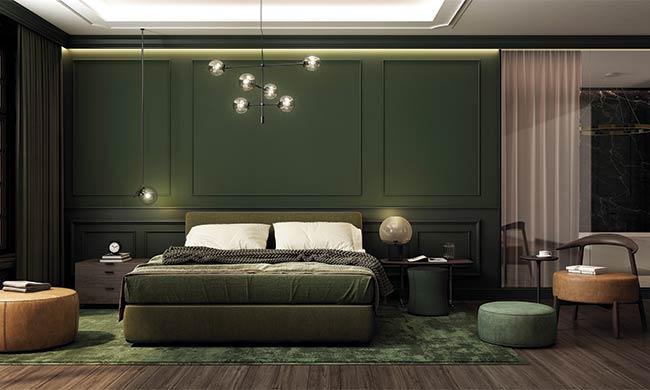
(Feature Impact) Heading into a new year, home design is once again evolving. Homeowners are blending comfort, personality, sustainability and connections to the outside world this year. More than just aesthetics, these trends are warm, intentional and rooted in real life.
Whether you’re refreshing a room or planning a full-blown makeover, consider these ideas for inspiration that feels both timeless and fresh.
Warm, Earthy Palettes
This year, say goodbye to whites and cool grays. Instead, cozy earth tones like clay, sage, caramel and rich neutrals create a grounded, inviting atmosphere. Refresh walls or cabinetry with these earthy hues or try color-drenching – using a single hue in varying tones across walls, trim and ceilings – for a bold new vibe that feels both timeless and modern.
Flowing, Curved Shapes
As homes trend more toward feeling lived-in rather than staged, hard edges and rigid forms are taking a backseat. In 2026, curves are everywhere: soft archways, rounded furniture and curved statement pieces – think circular mirrors or oversized armchairs – create fluid, comforting spaces.
Natural Materials and Textures
Designs this year celebrate materials that age beautifully, like natural stone, reclaimed wood and textiles that tell a story. Consider woven pillows and throws, handmade pottery, textured walls and wood with visible grain to enrich rooms with sensory detail and an artisanal feel.
Personalized Nostalgia
Blend vintage finds with contemporary art to create a space that’s truly your own. That means vintage finds, heirloom pieces and decor that evokes memory – even quilted textiles or classic checkered tiles – styled in fresh, modern ways to add warmth and individuality.
Attention to Statement Details
Small details are getting big attention this year. Swapping out basic cabinet hardware and lighting fixtures for artisanal, tactile metals can help elevate kitchen cabinets or bathroom vanities, turning them into design statements.
Flexible, Multifunctional Spaces
With hybrid work and lifestyle blending continuing into 2026, rooms should be designed to serve multiple purposes. Reading nooks can double as workstations. Living rooms effortlessly transition from day to night. Adaptable furniture, hidden storage and smart layouts help make multifunctional spaces feel intentional and uncluttered.
Outdoor-Inspired Interiors
The connection to nature grows stronger inside homes with greenery, natural light and materials that echo the outdoors. From indoor-outdoor flow to plant-rich spaces that feel alive and tranquil, biophilic design promotes calm, comfort and connection.
Visit eLivingtoday.com to find more design inspiration to make your home more personal and grounded in comfort.
Photo courtesy of Shutterstock

SOURCE:
Welcome to the Consumer Corner section of STM Daily News, your ultimate destination for savvy shopping and informed decision-making! Dive into a treasure trove of insights and reviews covering everything from the hottest toys that spark joy in your little ones to the latest electronic gadgets that simplify your life. Explore our comprehensive guides on stylish home furnishings, discover smart tips for buying a home or enhancing your living space with creative improvement ideas, and get the lowdown on the best cars through our detailed auto reviews. Whether you’re making a major purchase or simply seeking inspiration, the Consumer Corner is here to empower you every step of the way—unlock the keys to becoming a smarter consumer today!
Last Updated on April 2, 2026 by Daily News Staff
(Feature Impact) Making changes to a bedroom doesn’t have to break the bank. Simple swaps, a little DIY and some inexpensive purchases can go a long way toward freshening up the place you lay your head.
Better Bedding
If you can’t remember the last time you bought a new comforter, it may be time to snag one. Think beyond the luxury home stores and check out discount home decor retailers and even thrift stores, where you can often find new, unopened bedding at a fraction of the cost. A fluffy throw blanket in a dynamic new color might be the perfect way to rejuvenate your bed.
Playful Pillows
Few things spruce up a bedroom more than new throw pillows. Available in a myriad of sizes and shapes – from squares to rectangles to asymmetrical – there is no shortage of ways to use these functional pieces to brighten up a space.
Uplifting Light
Old-fashioned lamps, ancient wall sconces and dusty chandeliers can make a room feel stale. Scouring consignment stores and estate sales for new lighting can take a bedroom from dated to delightful without spending a ton of cash. If big box stores are more your thing, you can find budget lamps in unexpected departments; for example, try the back-to-school sections for dorm-friendly finds like twinkle lights and small bedside lamps. These little pops of light can both brighten and cozy up a room with minimal effort.
Punchy Paint
Repainting a room is a doable DIY project, and it can make a huge difference in how a room looks andfeels. Give yourself time to peruse the countless paint swatches at specialty paint stores or home improvement stores. If you’ve always gravitated toward earthy tones, maybe opt for a color with a little more depth or saturation. If brighter hues are your thing, go a little darker. If you love the idea of painting but worry about buyer’s remorse, start with an accent wall.
Heavenly Hardware
Functional hardware like drawer pulls and doorknobs can be replaced without much effort or money. Secondhand stores, online marketplaces and even furniture boutiques can be a goldmine for offbeat and unique hardware. Be sure to think beyond your bedside, too. Wardrobe handles, closet rods, sconces, wall hooks and hinges can be swapped out easily and inexpensively.
Find more tips and guidance to give your bedroom a budget-friendly upgrade at eLivingtoday.com.
Photo courtesy of Shutterstock

SOURCE:
Welcome to the Consumer Corner section of STM Daily News, your ultimate destination for savvy shopping and informed decision-making! Dive into a treasure trove of insights and reviews covering everything from the hottest toys that spark joy in your little ones to the latest electronic gadgets that simplify your life. Explore our comprehensive guides on stylish home furnishings, discover smart tips for buying a home or enhancing your living space with creative improvement ideas, and get the lowdown on the best cars through our detailed auto reviews. Whether you’re making a major purchase or simply seeking inspiration, the Consumer Corner is here to empower you every step of the way—unlock the keys to becoming a smarter consumer today!
Automotive
Driving Habits May Cost More Than You Think: Data-Backed Driving Techniques to Reduce Fuel Costs and Vehicle Wear

Rising Fuel Costs
(Feature Impact) If you’re feeling pain at the pump, you’re not alone. However, it’s not just rising gas prices that can impact your wallet – it might be your own habits on the road that negatively impact fuel efficiency and add extra strain to your vehicle.
With gas prices fluctuating by more than $1 per gallon nationally in recent years, Mercury Insurance is highlighting how driver behavior can significantly influence fuel costs.
According to the U.S. Department of Energy, aggressive driving – rapid acceleration and hard braking – can reduce fuel economy by up to 40% in city driving and 30% on highways, increasing annual fuel expenses by hundreds of dollars.
For the average American driver, that inefficiency adds up quickly. AAA estimates that annual fuel costs can exceed $2,000 depending on vehicle type and region. A 30-40% reduction in fuel economy can translate into hundreds of dollars in additional fuel expenses each year – before factoring in the added wear on key vehicle components.
“Most drivers think of aggressive driving as a safety issue, but it’s also a cost issue,” said John Dicken, director, material damage claims at Mercury Insurance. “From a claims standpoint, we see how habits like hard braking and rapid acceleration accelerate wear on brakes, tires and suspension components. Smoother driving isn’t just more efficient – it helps reduce preventable damage over time.”

The Hidden Cost of Driving Aggressively
Fuel is only part of the equation.
- Brake replacement can range from $300-800 per axle, depending on the vehicle.
- A new set of tires can cost $600-1,200 or more.
- Poorly maintained or underinflated tires can lower gas mileage by roughly 0.2% for every 1 PSI drop in pressure, according to federal transportation data.
Over time, inconsistent maintenance and aggressive driving habits compound these costs.
“Driving behavior directly impacts how often certain parts need to be replaced,” Dicken said. “When drivers anticipate traffic, maintain steady speeds and keep up with routine maintenance, they reduce strain on their vehicle and potentially avoid unnecessary repair expenses.”
Practical Eco-Driving Tips That Make a Measurable Difference
Consider these strategies recommended by Mercury Insurance to improve efficiency and reduce vehicle wear:
Accelerate gradually: Avoid rapid starts and jackrabbit acceleration, which significantly reduce fuel economy.
Brake smoothly and anticipate stops: Looking ahead and easing into stops reduces stress on brake systems.
Maintain consistent speeds: Using cruise control on highways can help improve fuel efficiency.
Keep tires properly inflated: Check tire pressure monthly and before long trips. If you’re unsure what your vehicle’s tires should be inflated to, locate the sticker inside the driver’s side door jamb for the proper PSI inflation or refer to the owner’s manual.
Remove excess weight: Extra cargo and unused roof racks reduce efficiency and increase drag.
Efficiency, Safety and Sustainability
The Environmental Protection Agency reports that transportation accounts for roughly 28% of total U.S. greenhouse gas emissions. While vehicle technology continues to improve, individual driving behavior remains one of the most immediate ways drivers can reduce both fuel consumption and environmental impact.
“Small, consistent changes in how we drive can produce meaningful savings over time,” Dicken said. “It’s one of the simplest ways drivers can protect both their budget and their investment.”
For more information about efficient driving and other cost saving measures, visit MercuryInsurance.com/Resources.
Photos courtesy of Shutterstock


SOURCE:
Explore the latest in innovation, AI, gadgets, startups, and digital trends in STM Daily News’ Techsection.





