

Consumer Corner
What Not to Miss at CES 2025: The Future of Technology Unveiled in Las Vegas


The Consumer Electronics Show (CES) 2025 is just around the corner, returning to Las Vegas from January 7-10, and it’s shaping up to be an unforgettable event. As the world’s most powerful tech event, CES brings together global companies, innovative startups, industry executives, media, and government leaders to showcase the latest advancements in technology.
A Glimpse into CES 2025
With over 4,500 exhibitors, including approximately 1,400 startups and more than 1,100 speakers participating in over 300 conference sessions, CES 2025 promises a wealth of knowledge, networking opportunities, and groundbreaking innovations. According to Gary Shapiro, CEO of the Consumer Technology Association (CTA), “We’re ready to DIVE IN to CES 2025,” emphasizing the momentum heading into the show with a record 3,400+ Innovation Award submissions.
Key Features to Explore
Here are some of the must-see highlights at CES 2025:
- Artificial Intelligence: AI will dominate the CES landscape, with generative AI at the forefront of innovation. Expect to see how AI enhances user experiences, increases productivity, and advances healthcare. Key exhibitors include LG, Samsung, and Siemens.
- Digital Health: From increasing longevity to improving health equity, the digital health sector will showcase technologies aimed at empowering patients. Major participants include AARP, Resmed, and Withings.
- Energy Transition: Dive into discussions and innovations addressing the energy transition, with a conference track focused on shaping a sustainable future. Leading exhibitors include Eaton and SK.
- Mobility Innovations: Explore the future of mobility, encompassing everything from passenger cars to marine tech. Key players like BMW and Waymo will highlight advancements aimed at creating a more connected world.
- Quantum Technologies: Discover how quantum mechanics is paving the way for improved security and innovation in technology. This year’s CES will feature a dedicated program in partnership with Quantum World Congress.
- Sustainability: Witness technologies that target emissions reduction and energy efficiency. Exhibitors such as D-Carbonize and Jackery will present their sustainable innovations.
Must-See Keynotes and Conference Tracks
CES 2025 features an impressive lineup of keynote speakers, including:
- NVIDIA’s Jensen Huang: Kicking off the event on January 6 at Mandalay Bay.
- Panasonic’s Yuki Kusumi and CTA’s Gary Shapiro on January 7 at The Venetian.
- Delta Air Lines’ Ed Bastian: This keynote will be held at the incredible Sphere venue, combined with an immersive exhibit featuring Lenny Kravitz.
In addition, engaging conference tracks will cover topics like accessibility, energy transition, digital health, and the creator economy, with sessions led by industry experts and innovators.
Experience the Show Floor
CES 2025 will feature dedicated areas for varied sectors:
- LVCC Central Hall: Explore the best in home tech and immersive entertainment.
- North Hall: Focused on smart communities and IoT.
- South Hall: Highlighting accessories and products aimed at improving everyday life.
- West Hall: A showcase of the mobility ecosystem.
- C Space®/ARIA: Where brands and content creators can meet to discuss the latest trends.
- The Venetian: The hub for digital health and smart living solutions, as well as the Innovation Awards Showcase in Eureka Park.
Engage with Innovative Startups
Eureka Park at The Venetian will feature nearly 1,400 startups from around the globe, showcasing groundbreaking advancements that could shape the future of technology. This is a must-visit area for anyone interested in entrepreneurship and innovation!
Media and Networking Opportunities
Media Days, taking place on January 5-6, will allow journalists to hear breaking news and product previews from top brands. Events like CES Unveiled and CES Tech Trends will provide invaluable insights into the tech landscape for the upcoming year.
Conclusion
If you’re passionate about technology, innovation, and the future, CES 2025 is not to be missed! With a diverse array of exhibitors, engaging keynotes, and trendsetting conference sessions, this year’s event promises to be a transformative experience. Join the tech community in Las Vegas for what’s sure to be an inspiring deep dive into the future of technology. Don’t forget to download the CES app for planning and navigation, ensuring you make the most of this powerful event!
For the latest news and information, visit CES.tech. Register for CES 2025 here.
About CES®:
CES is the most powerful tech event in the world – the proving ground for breakthrough technologies and global innovators. This is where the world’s biggest brands do business and meet new partners, and the sharpest innovators hit the stage. Owned and produced by the Consumer Technology Association (CTA)®, CES features every aspect of the tech sector. CES 2025 takes place Jan. 7-10, 2025, in Las Vegas. Learn more at CES.tech and follow CES on social.
About Consumer Technology Association (CTA)®:
As North America’s largest technology trade association, CTA is the tech sector. Our members are the world’s leading innovators – from startups to global brands – helping support more than 18 million American jobs. CTA owns and produces CES® – the most powerful tech event in the world. Find us at CTA.tech. Follow us @CTAtech.
STM Daily News is a vibrant news blog dedicated to sharing the brighter side of human experiences. Emphasizing positive, uplifting stories, the site focuses on delivering inspiring, informative, and well-researched content. With a commitment to accurate, fair, and responsible journalism, STM Daily News aims to foster a community of readers passionate about positive change and engaged in meaningful conversations. Join the movement and explore stories that celebrate the positive impacts shaping our world.


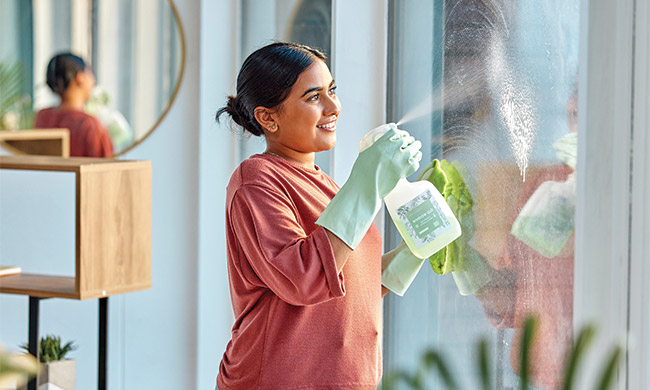
Refresh Your Home: A Room-by-Room Spring Cleaning Checklist
(Feature Impact) After months of winter, spring cleaning isn’t just about dusting and vacuuming – it’s about inviting sunlight and fresh air into your space through the open windows and giving yourself a fresh start for the longer days ahead.
It’s also a perfect opportunity to clear out the old and make room for new experiences, memories and energy. Whether you’re tackling deep cleaning for the first time or you have seasonal rituals for tidying up your home, this room-by-room guide can help you plan and conquer seasonal chores.
Whole Home:
- Declutter spaces: Donate, recycle or discard what you don’t need
- Wash windows inside and out
- Dust baseboards, walls, vents and ceiling fans
- Wipe down doors, knobs and light switches
- Vacuum and clean under and behind furniture
- Clean curtains and blinds
- Store seasonal items like winter clothing and decor
- Replace air filters
- Shampoo carpet
Kitchen:
- Empty and wipe down refrigerator and freezer
- Clean oven, stovetop and microwave
- Scrub countertops and backsplashes
- Clean out the garbage disposal
- Sweep and mop floors
- Organize the pantry and throw away any expired items
Bathrooms:
- Scrub grout and tile
- Clean mirrors and glass surfaces
- Deep clean toilets
- Wipe down cabinets and bathroom fixtures
- Wash rugs, floor mats and the shower curtain and liner
- Empty trash and clean the bin
Bedrooms and Other Living Areas:
- Wash bedding, pillows and linens
- Organize closets and drawers
- Vacuum chair, couches and mattresses as well as under cushions
- Dust shelves and decor
- Clean light fixtures and lampshades
Outdoor Areas:
- Power wash patios, sidewalks and driveways
- Wipe down outdoor furniture and replace textiles like pillows, cushions and umbrellas
- Clear debris from garden beds
- Prune shrubs, plants and trees
- Organize garages and sheds
- Reconnect hoses and sprinklers
- Prep lawn equipment such as mowers, weed eaters and blowers
For more spring cleaning tips and tricks, visit eLivingtoday.com.
Photo courtesy of Shutterstock


SOURCE:
Welcome to the Consumer Corner section of STM Daily News, your ultimate destination for savvy shopping and informed decision-making! Dive into a treasure trove of insights and reviews covering everything from the hottest toys that spark joy in your little ones to the latest electronic gadgets that simplify your life. Explore our comprehensive guides on stylish home furnishings, discover smart tips for buying a home or enhancing your living space with creative improvement ideas, and get the lowdown on the best cars through our detailed auto reviews. Whether you’re making a major purchase or simply seeking inspiration, the Consumer Corner is here to empower you every step of the way—unlock the keys to becoming a smarter consumer today!
Consumer Corner
Unilever, Google Cloud Strike Five-Year AI Partnership to Reshape Consumer Goods Marketing


Unilever and Google Cloud have announced a five-year partnership aimed at accelerating the consumer goods giant’s digital transformation through AI, cloud infrastructure, and data modernization.
The deal centers on helping Unilever strengthen brand discovery, marketing measurement, and AI-driven customer engagement across its global portfolio, which includes Dove, Vaseline, and Hellmann’s. A major focus is the rise of conversational and agentic commerce, where consumers increasingly discover and shop for products through AI-powered interactions rather than traditional search and browsing.
As part of the agreement, Unilever will migrate its integrated data and cloud platform to Google Cloud, creating what the companies describe as an AI-first digital backbone. That system is intended to help Unilever move faster on demand generation, turn data into actionable insights, and respond more quickly to shifts in the market.
The partnership is built around three pillars:
- Agentic commerce and marketing intelligence
- An integrated data and cloud foundation
- Advanced AI adoption across the business
Unilever leadership framed the move as part of a broader shift in which technology is becoming central to value creation in the fast-moving consumer goods sector. Google Cloud said the collaboration will use advanced AI models, including Gemini, to help modernize business processes and improve agility.
Unilever said it generated €50.5 billion in sales in 2025, operates in more than 190 countries, and reaches 3.7 billion people every day.
What to watch for
- How “agentic commerce” changes consumer brand discovery
- Whether other major CPG companies follow with similar AI-cloud partnerships
- How AI-backed marketing measurement impacts ad efficiency and conversion
Source: PR Newswire / Google Cloud
Welcome to the Consumer Corner section of STM Daily News, your ultimate destination for savvy shopping and informed decision-making! Dive into a treasure trove of insights and reviews covering everything from the hottest toys that spark joy in your little ones to the latest electronic gadgets that simplify your life. Explore our comprehensive guides on stylish home furnishings, discover smart tips for buying a home or enhancing your living space with creative improvement ideas, and get the lowdown on the best cars through our detailed auto reviews. Whether you’re making a major purchase or simply seeking inspiration, the Consumer Corner is here to empower you every step of the way—unlock the keys to becoming a smarter consumer today!
https://stmdailynews.com/category/consumer-corner
Authors


Consumer Corner
The McMansion era is over: Zillow says American buyers want homes that feel personal, practical, and resilient
Zillow’s 20-year analysis shows American homebuyers are moving away from oversized McMansions and toward smaller, flexible homes with wellness, sustainability, and climate-ready feature

Getty images
Zillow’s 20-year look at for-sale listings suggests a major shift in how Americans define the ideal home. In 2006, listings leaned into size, symmetry, and status, with McMansion-style homes featuring grand foyers, formal dining rooms, oversized primary suites, and luxury finishes meant to impress. In 2026, Zillow says buyers are focused less on square footage and more on flexibility, comfort, and how a home supports everyday life.
According to Zillow, affordability pressures are helping drive that change. New homes are getting smaller, and listings increasingly highlight spaces with a clear purpose rather than oversized layouts. Mentions of reading nooks are up 48%, while features tied to self-expression and wellness are also gaining traction. Zillow says “color drenching” is up 149% in listings, spa-inspired bathrooms are up 22%, and recreation-focused amenities like golf simulators and pickleball courts have each risen 25%.


Sustainability and climate readiness are also moving closer to the center of buyer priorities. Zillow reports that mentions of zero-energy-ready homes are up 70%, whole-home batteries are up 40%, and EV charging stations are up 25%. Climate-resilient details such as flood protection and fire resistance are increasingly being marketed as value drivers, a sharp contrast to 2006, when energy efficiency was rarely emphasized.
Amanda Pendleton, Zillow’s home trends expert, said the data shows American homes have shifted “from status symbols to sanctuaries.” Looking ahead, Zillow expects the next phase of home design to center on adaptability, with homes built to respond to changing family needs, lifestyles, and climate conditions.
Source: Zillow, Inc. via PR Newswire
Related:
Welcome to the Consumer Corner section of STM Daily News, your ultimate destination for savvy shopping and informed decision-making! Dive into a treasure trove of insights and reviews covering everything from the hottest toys that spark joy in your little ones to the latest electronic gadgets that simplify your life. Explore our comprehensive guides on stylish home furnishings, discover smart tips for buying a home or enhancing your living space with creative improvement ideas, and get the lowdown on the best cars through our detailed auto reviews. Whether you’re making a major purchase or simply seeking inspiration, the Consumer Corner is here to empower you every step of the way—unlock the keys to becoming a smarter consumer today!
https://stmdailynews.com/category/consumer-corner






